The Top 20 Black Gate Fiction Posts in August
 There’s a few new faces on the Top Fiction list this month.
Mark Rigney’s “The Keystone,” third and final chapter of his epic fantasy series The Tales of Gemen, broke into the Top Five. Tangent Online called it “Masterfully told… The tension never stops, starting with nightmares, followed by chases across half the world… Once I started reading, I couldn’t stop.” Both of the previous chapters made the list as well, including the opener “The Trade,” which Tangent Online called “Marvelous!” and “The Find,” which it described as “Reminiscent of the old sword & sorcery classics… A must read.”
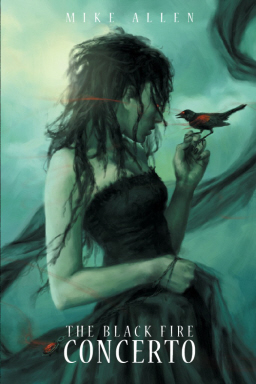
Also making the Top Five for the first time was our excerpt from Mike Allen’s new dark fantasy The Black Fire Concerto, which Tanith Lee called “A prize for the multitude of fans who relish strong Grand Guignol with their sword and sorcery.” And Vaughn Heppner had two of his Tales of Lod in the Top 10: “The Serpent of Thep” and “The Pit Slave.”
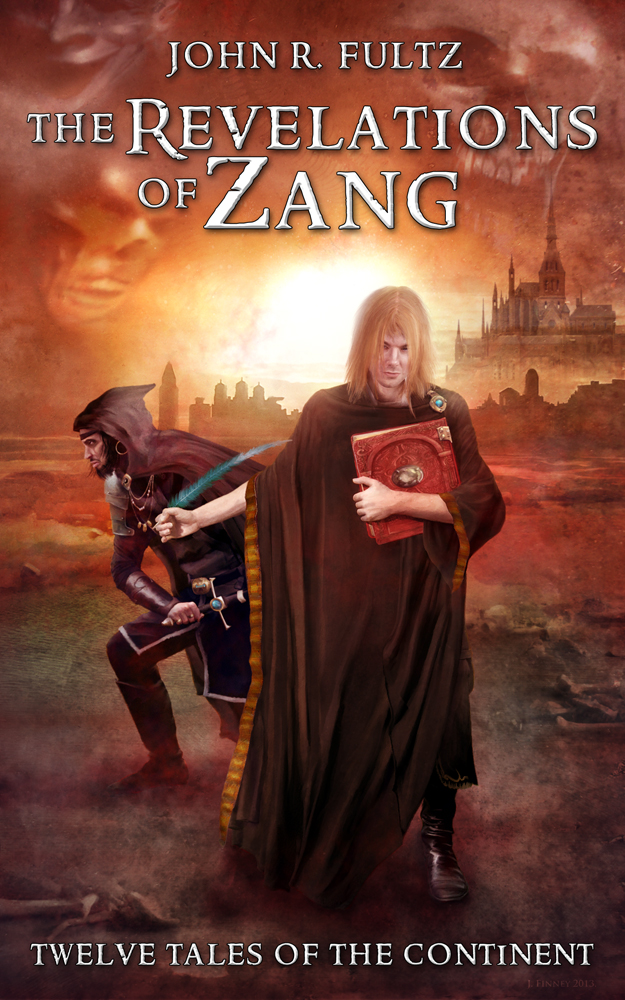
Also making the list were exciting stories by Howard Andrew Jones, Joe Bonadonna, E.E. Knight, Paul Abbamondi, Martha Wells, Aaron Bradford Starr, David C. Smith and Joe Bonadonna, Ryan Harvey, Judith Berman, Robert Rhodes, Emily Mah, John R. Fultz, and Jamie McEwan.
If you haven’t sampled the adventure fantasy stories offered through our new Black Gate Online Fiction line, you’re missing out. Every week, we present an original short story or novella from the best writers in the industry, all completely free. Here are the Top Twenty most-read stories in August:
- An excerpt from The Bones of the Old Ones, by Howard Andrew Jones
- “The Moonstones of Sor Lunarum,” by Joe Bonadonna
- “The Terror in the Vale,” by E.E. Knight
- “The Keystone,” Part III of The Tales of Gemen, by Mark Rigney
- An excerpt from The Black Fire Concerto, by Mike Allen
- “The Serpent of Thep,” by Vaughn Heppner
- “So Go the Seasons,” by Paul Abbamondi
- “The Pit Slave,” by Vaughn Heppner
- The Death of the Necromancer, a complete novel by Martha Wells
- “The Find,” Part II of The Tales of Gemen, by Mark Rigney


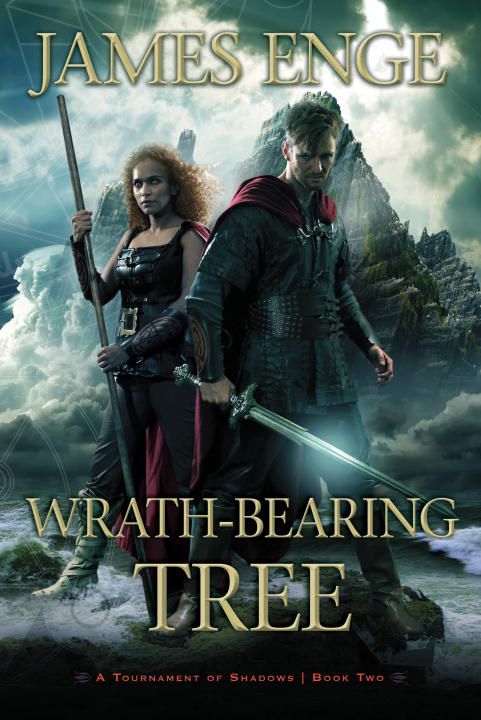 The first time I saw a James Enge novel on the shelf of my local bookstore, I broke into a little dance of jubilation. I’d been reading Enge’s short stories about Morlock the Maker in the pages of Black Gate — this was when BG had literal paper pages — and it was news to me that Enge had made the leap from short fiction to novels.
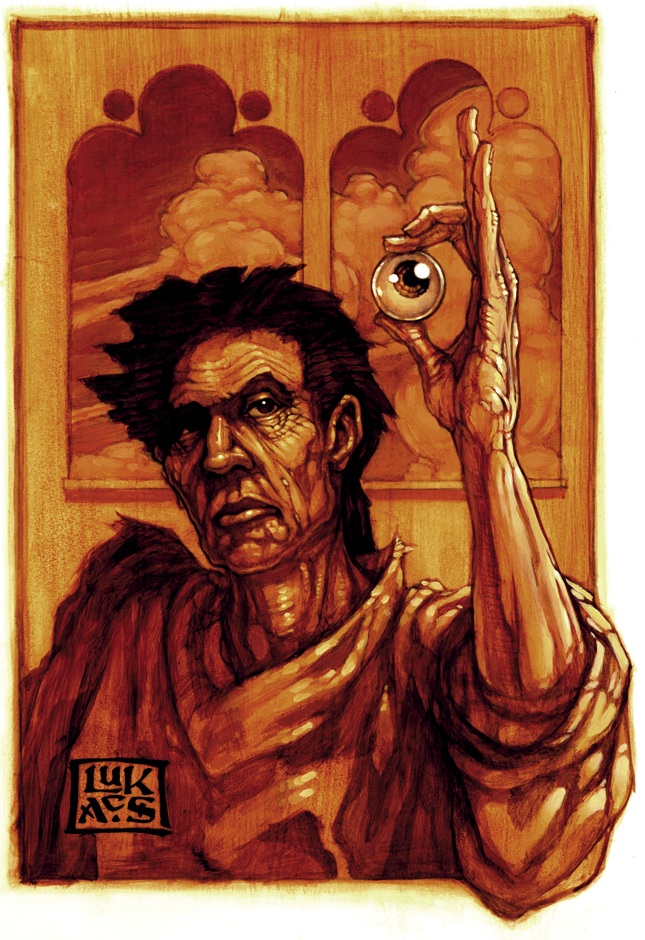 Over the next few years, Enge followed Blood of Ambrose with This Crooked Way and The Wolf Age, and it turned out the one thing better than a Morlock novel was a whole trilogy of Morlock novels.