Take Advantage of Holiday Discounts at Lulu.com
 I got a reminder from Lulu.com this morning that the window for placing Holiday orders in time for Christmas is closing. Thanks Lulu!
Plus, they sent me the handy coupon at right. It’s good for 20% off any order (up to a total of $100 savings) until Dec 31, 2010.
I hope I don’t get in trouble for sharing it. Probably not. But if anybody locks you in a small room and shines a bright light in your face and demands to know where you got this coupon, remember these handy phrases: “I’ll talk! It was Gordon van Gelder.”
Or just go get your own coupon online, at their Daily Deals page.
 Lulu is the leading Print on Demand (POD) publisher. Need a reminder of all the great titles available at Lulu?
Over the past year we’ve told you about the two volumes of The Clayton Astounding reprints, Vagabonds of Space and Planetoids of Peril.
For gamers, there’s the new role playing game of heroic rodents, Hyperborean Mice, featuring grim swords & sorcery action… with talking mice.
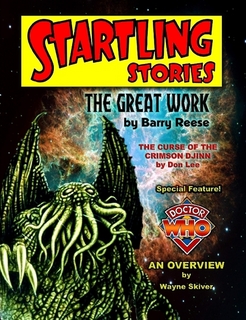
For short fiction lovers, there’s G.W. Thomas’ terrific Dark Worlds magazine, featuring tales of modern adventure fantasy, and the new incarnation of pulp magazine Startling Stories, from Wild Cat Books (shown at left).
And don’t forget Charles R. Saunders’ latest Imaro novels, The Naama War, and The Trail of Bohu.
At that and much more. Support your favorite small press publishers, and get some great gifts at the same time. How cool is that?




 Did you know that there are awards for book trailers? They’re called “The Moby Awards” and you can check the most recent winners (and losers)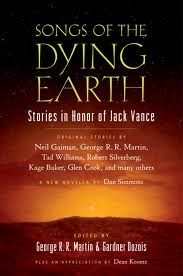


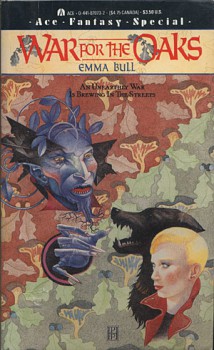 War for the Oaks, by Emma Bull