Browsed by
Category: Books

Enter the World of Pathfinder Legends… At a Discount!
Enter the World of Pathfinder Legends… At a Discount!

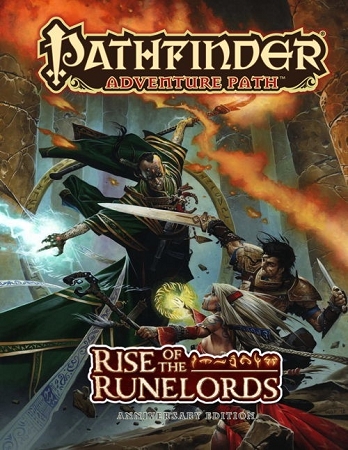
Rise of the Runelords-smallPaizo Publishing’s Pathfinder RPG has made a habit of breaking new ground. Or, in a sense, re-breaking old ground in completely new ways. They’ve revolutionized Dungeons and Dragons 3rd edition by re-imagining it into the Pathfinder RPG. Their Pathfinder Adventure Path series seems to have transformed the scope of what can be done with pre-generated gaming modules. Their Pathfinder Tales line of novels set in the Pathfinder world of Golarion are frequently praised around the Black Gate world headquarters, only a fraction of which spills over onto the website. And, last year, they transformed the deck-building game with the Pathfinder Adventure Card Game (which, I promise, I will review one of these days! – but for now you can get it on Amazon).

Now they’re moving in a similar direction with their Pathfinder Legends line of audiobooks. Instead of adapting the Pathfinder Tales novels, they’re instead focusing this series of audiobooks on adaptations of their Adventure Paths. And, instead of merely being audiobooks relating a narrative of the adventure, these are instead full audio productions with a cast of talented actors, heralding back to the glory days of the radio age… but with modern production values. You can get a hint of what to expect from this audio trailer. It introduces the first episode, “Burnt Offerings,” which is the first installment of their Rise of the Runelords Adventure Path (Amazon)

If what you hear interests you, the first installment of Pathfinder Legends is available now for order through Paizo’s website. For a limited time, they are offering the first audio production at the discounted subscription price even if you don’t subscribe. This means you can order the audio CD for $12.79 (normally $15.99) and the audio download for $10.39 (normally $12.99). It’s not exactly clear when this offer will end, but they’ve said that it will last until the Pathfinder Legends subscription plan is available online.
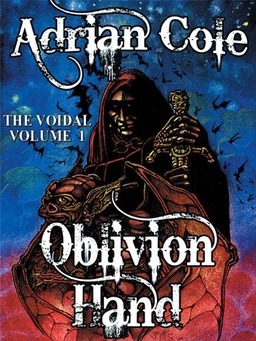
I Invoke the Voidal! Oblivion Hand by Adrian Cole

I Invoke the Voidal! Oblivion Hand by Adrian Cole

oie_24224952K95LzfUEStripped of all his memories for some great transgression against the Dark Gods, the mysterious one called the Voidal, or Fatecaster, endlessly traverses the dimensions of the omniverse. Always he brings vengeance via his Oblivion Hand, an additional punishment of the Dark Gods. And furthermore, any who aid or befriend him are made to suffer.

Oblivion Hand (Wildside Press 2001) is a fix-up of eight early stories by Adrian Cole about his dark wanderer, the Voidal. Cole’s amnesiac protagonist was introduced in a chapbook titled “The Coming of the Voidal” (in this book reworked and retitled “Well Met in Hell.”) Five more tales appeared in a variety of small magazines and anthologies between 1977 and 1980, including Fantasy Crossroads and the Gerald Page-edited Heroic Fantasy. Two more, “The Lair of the Spydron” and “Urge and Demiurge,” were scheduled to be in Phantasy Digest and Weird Adventures respectively, but both magazines shut down before the stories could be published. They appear for the first time in Oblivion Hand.

In a review I did of the first two stories, “Well Met in Hell” and “The Lair of the Spydron,” I was harsh and almost disdainful. Still, there was something about them that I remember liking. Reading Lin Carter’s Kellory the Warlock last week (and whoever thought a writer most people agree was generally mediocre could attract so many comments a quarter of a century after his death?), elements of it reminded me of Cole’s book. Both authors were intent on creating a setting that wasn’t just another watered down mimeograph of Middle-earth; they wanted something stranger. Carter succeeded, but Cole did immeasurably better.

Cole’s omniverse is an endless collection of interesting settings: universe-sized dimensions; monster-infested pocket worlds; a realm filled not with planets but islands that float in space. Countless arrays of gods rule over these various worlds. Terrible beings like the Spydron create and work their will on hidden places they carve out for themselves. Powerful sorcerers raise themselves up above the gods in other worlds.

…

Read More Read More

New Treasures: The Last Wild by Piers Torday

New Treasures: The Last Wild by Piers Torday

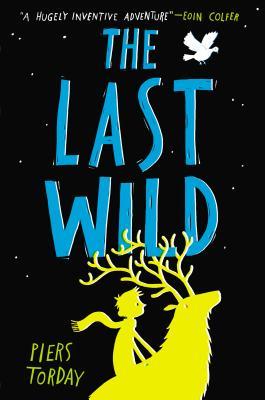
The Last Wild Piers TordayI don’t know much about this Piers Torday fellow. Not that there’s all that much to know — The Last Wild is his first novel, he lives in London, and is hard at work on additional adventures featuring Kester and Polly. Admit it — that’s all you need to know, too.

The Times has compared The Last Wild to Roald Dahl’s classic James and the Giant Peach – a pretty rousing endorsement. It looks like a quick, exciting, Middle-Grade read, and I think I’ll settle down with it later in the week. That is if my kids don’t steal it first.

In a world where animals no longer exist, twelve-year-old Kester Jaynes sometimes feels like he hardly exists either. Locked away in a home for troubled children, he’s told there’s something wrong with him. So when he meets a flock of talking pigeons and a bossy cockroach, Kester thinks he’s finally gone crazy. But the animals have something to say. And they need him. The pigeons fly Kester to a wild place where the last creatures in the land have survived. A wise stag needs Kester’s help, and together they must embark on a great journey, joined along the way by an overenthusiastic wolf cub, a military-trained cockroach, a mouse with a ritual for everything, and a stubborn girl named Polly. The animals saved Kester Jaynes. But can Kester save the animals?

The Last Wild was published on March 18, 2014 by Viking. It is 322 pages, priced at $16.99 in hardcover and $10.99 for the digital edition.

See all of our recent New Treasures here.

The Public Life of Sherlock Holmes: The Case of the Short-Lived Holmes

The Public Life of Sherlock Holmes: The Case of the Short-Lived Holmes

HouseofCardsNetflix’s House of Cards redefined what can be achieved by a web series. Everything about it, from casting to story to visuals, screams “quality.” The fact that it was intended to run for only a single season yet has already been renewed for a third testifies to the success that the show has had. It’s tough to maintain viewership when there’s almost nobody to root for, but they’ve done it.

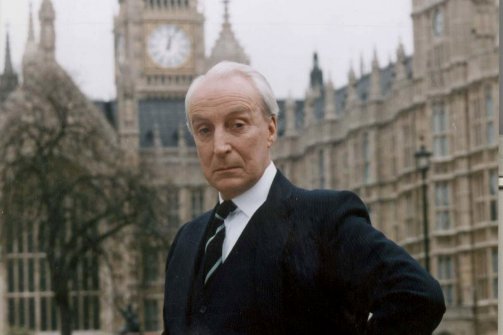
But I wonder how many people realize that it is a remake of a 1990 British miniseries (apparently lust for power transcends decades. And centuries…)? Ian Richardson plays the Kevin Spacey role. Francis Urquhart has a disarming smile that makes him seem more warm than Spacey’s Frank Underwood. Don’t be fooled!

HouseofCardsRichardsonThe original House of Cards has a few Holmes ties. Female lead Susannah Harker appeared opposite Charlton Heston in the TV version of Crucifer of Blood, a modified version of The Sign of the Four.

She was also the client in Jeremy Brett’s version of The Adventure of the Dying Detective. Also, Colin Jeavons was Brett’s Inspector Lestrade. But it is Richardson’s brief tenure as Sherlock Holmes that we will look at now.

…

Read More Read More

Vintage Treasures: Rogers’ Rangers by John Silbersack

Vintage Treasures: Rogers’ Rangers by John Silbersack

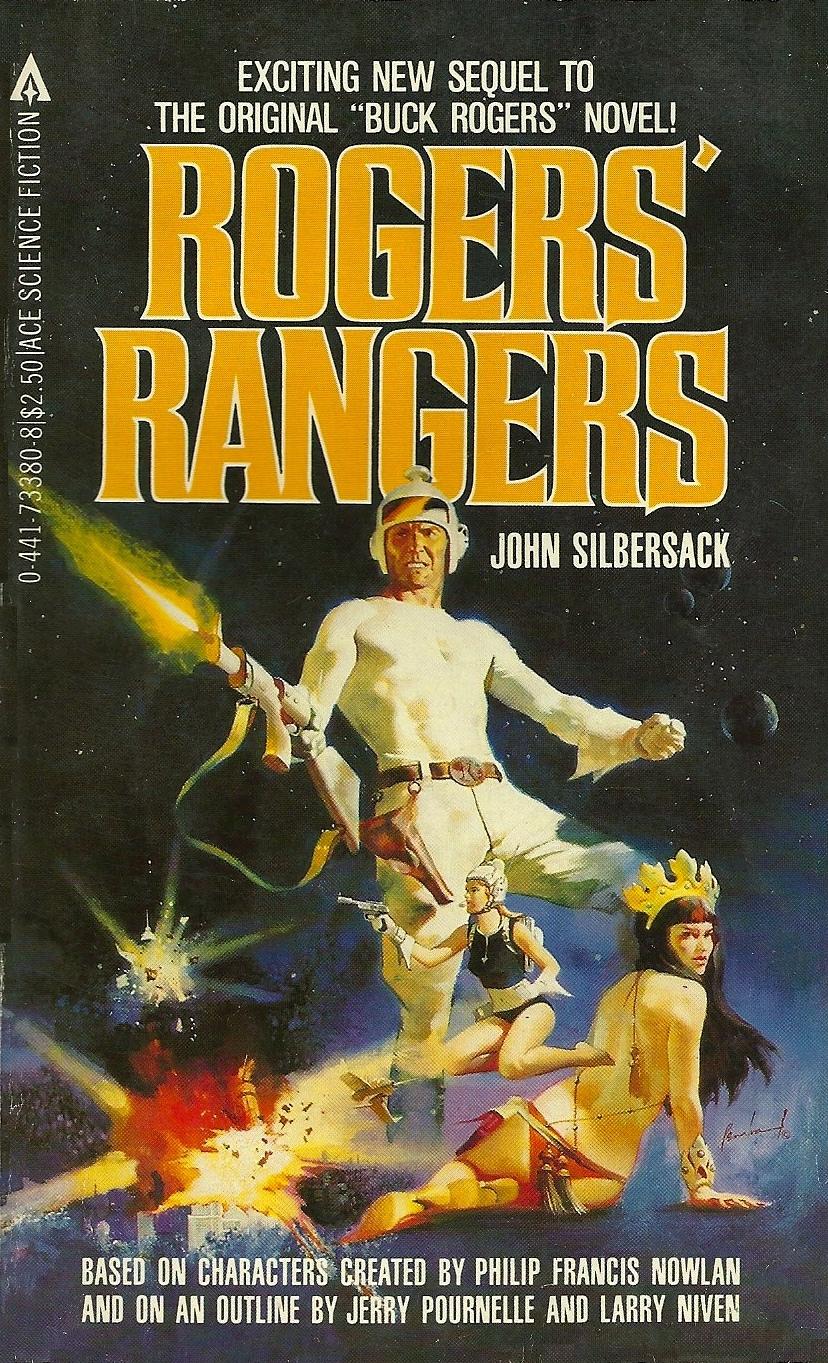
Rogers' Rangers-smallIf you know the name John Silbersack, it’s likely for his many significant accomplishments as a publisher and literary agent.

Silbersack has founded no less than six different imprints, including ROC Books at Penguin, Warner Aspect, and Harper Prism. Over a decade ago, he walked away from publishing and decided to become an agent, partnering with Trident Media Group, where he now reps some of the biggest names in the industry, including Barb & J.C. Hendee, Guy Gavriel Kay, E. E. Knight, William F. Nolan, David Schow, Paul Park, and the Isaac Asimov and Frank Herbert estates.

But back in the early 80s, this publishing Renaissance man also tried his hand at writing and editing. With Victoria Schochet, he edited the first four volumes of The Berkley Showcase (1980 – 1982), an anthology of science fiction and fantasy that presented original work from Berkley authors. It lasted five volumes and published a fabulous range of fiction from Orson Scott Card, R A Lafferty, Pat Cadigan, John Kessel, Howard Waldrop, Connie Willis, Thomas M Disch, Marge Piercy, Eric Van Lustbader, and many others.

All very interesting. But what we want to talk about today is Silbersack’s sole novel: Rogers’ Rangers, a sequel to the original Buck Rogers novel, published by Ace Books in 1983, which I found in a collection of SF books from the 1980s I acquired two months ago.

Back in 1979, Glen A. Larson, the producer behind the original incarnation of Battlestar Galactica, launched a new SF TV show for Universal: Buck Rogers in the 25th Century, starring Gil Gerard and Erin Gray (and the voice of Mel Blanc as Twiki, Buck’s robot companion.) The series was a hit, and I vividly remember seeing the pilot episode in theaters, shortly before the TV version launched.

…

Read More Read More

Politics and Fantasy Make Strange Bedfellows

Politics and Fantasy Make Strange Bedfellows

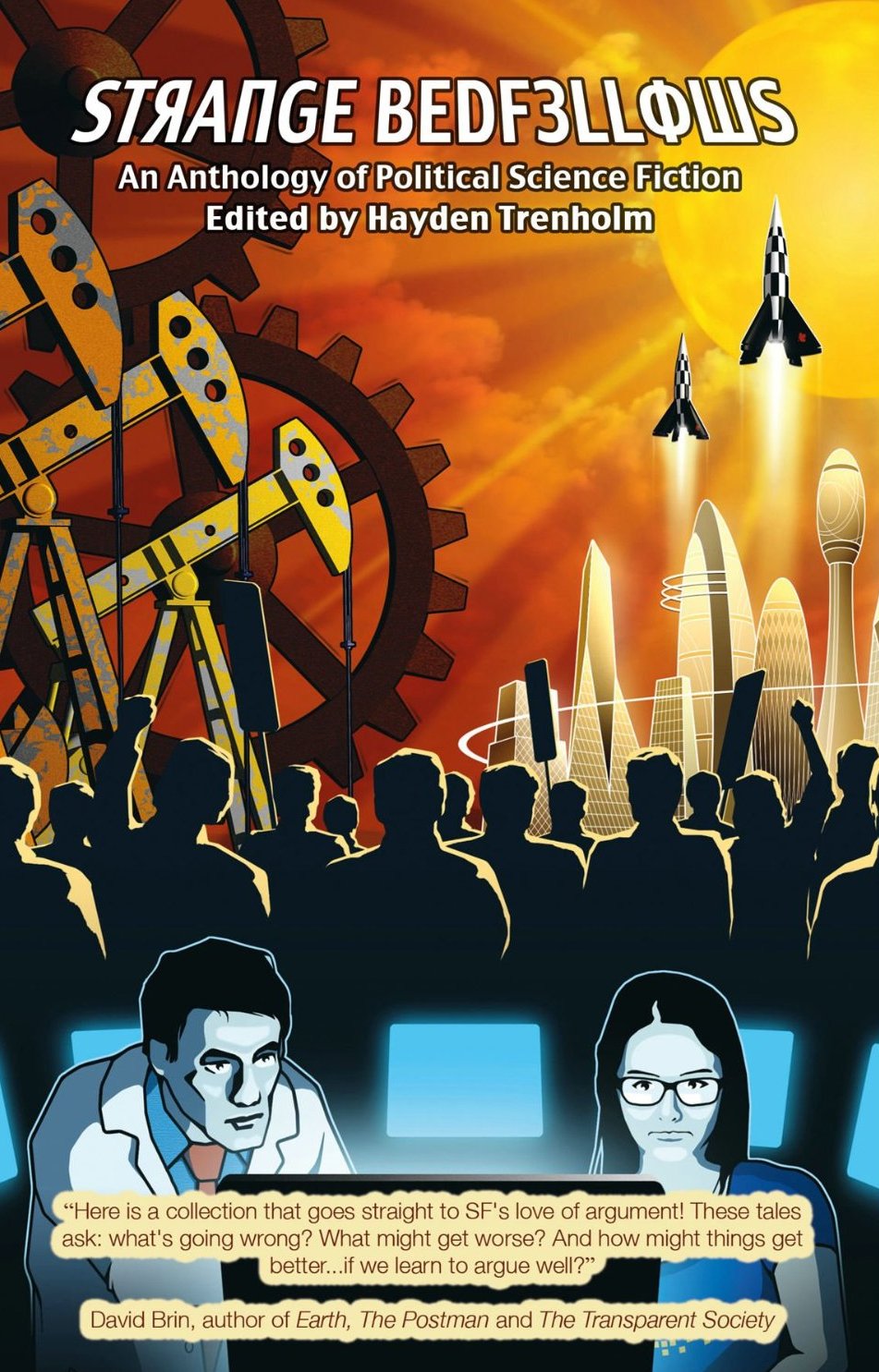
strange bedfellowsIn January, both M. Harold Page and I wrote posts about politics in fantasy literature. While we came at the topic from different points, I think we narrowed in on the same conclusion. I quote from Page’s post:

Of all the genres, Fantasy must be the worst possible channel for the politically minded author. They simply can’t be heard over that clash of steel and the roar of dragons…

Really enjoyed and appreciated his post. And I do take his point – escapism is great fun and entertaining. But ultimately escape and make believe can only go so far, and at other times and places we will have other needs, other reasons to want to read. Something that touches us inside.

The reason I’m coming back to this topic, perhaps more convinced than I was before of this serious liability in fantasy, is that I’ve just read Strange Bedfellows: An Anthology of Political Science Fiction. I’d mentioned the anthology in my post as something I was looking forward to reading.

Now that I have, maybe I’m having one of those stumbling-upon-a-watch-in-the-heath moments, because, for the life of me, I can’t see how fantasy could have done even a fraction of what this anthology seems to have accomplished effortlessly. A few examples will make this clear.

…

Read More Read More

Is the Original SF and Fantasy Paperback Anthology Series Dead?

Is the Original SF and Fantasy Paperback Anthology Series Dead?

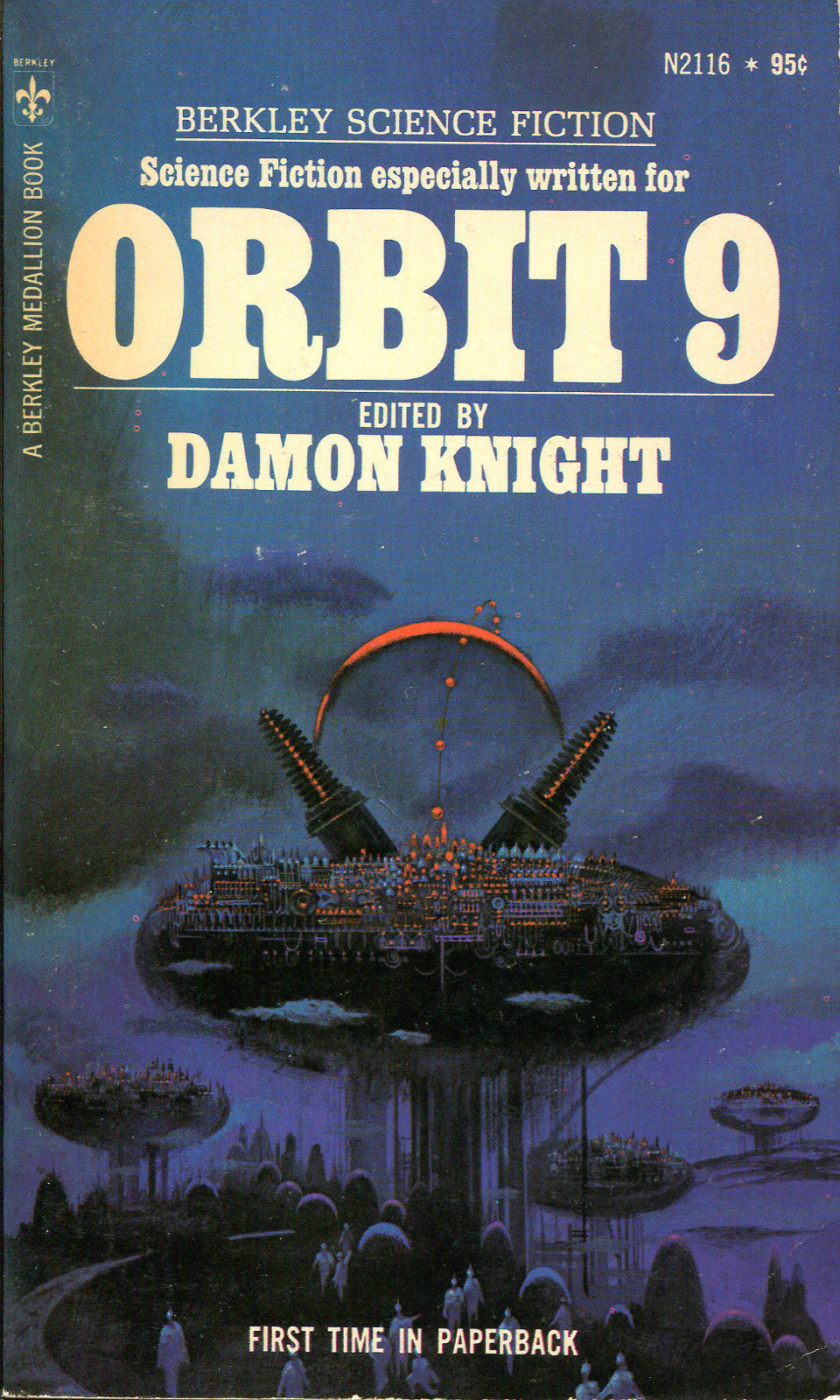
Orbit 9 Damon Knight-smallI miss the era of the original paperback anthologies. It seems to have faded away without anyone really noticing and I’m not sure why.

Well, I guess I do know why, but I’m grumpy about it. Short fiction isn’t really viable in mass market anymore. Ten years of trying — and failing — to publish a fantasy fiction magazine taught me that.

That wasn’t always the case. For decades, SF and fantasy readers supported several prestigious, high-paying paperback markets for short fiction and they attracted the best writers in the field. Damon Knight published 21 Orbit anthologies between 1966 and 1980; Robert Silverberg edited New Dimensions (12 volumes, 1971-81) and star editor Terry Carr helmed 17 volumes of the Universe series (1971-1987), for example.

I’d be hard pressed to tell you which of those three was the best source for original SF and fantasy, and I don’t really feel qualified to anyway, since I didn’t read them all. (Or even most of them — we are talking a combined 50 volumes, just for those three. I read pretty fast, but I’m not Rich Horton.)

In any event, those days are gone. And now that they are, I wonder — was it the sheer editorial talent of Messieurs Knight, Silverberg, and Carr that allowed their respective anthologies to continue for decades?

Or was there simply more of an appetite for short fiction forty years ago? Could an editor with the same talent and drive accomplish what they did today? Or is it futile, like trying to argue football with the Borg?

…

Read More Read More

The Novels of Michael Shea: The Incompleat Nifft

The Novels of Michael Shea: The Incompleat Nifft

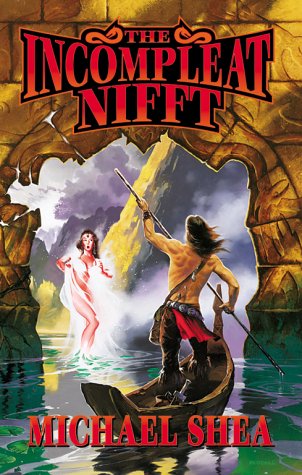
The Incompleat Nifft-smallUnder editor Eric Flint, Baen Books has led the way in producing inexpensive mass market reprints of some of the most essential classic SF and Fantasy of the 20th Century — including Robert E. Howard, Andre Norton, James H. Schmitz., Murray Leinster, and P. C. Hodgell’s God Stalker Chronicles, among many, many others (They’ve continued in this tradition with fabulous anthologies, including the recent In Space No One Can Hear You Scream and many others.)

In 1997, Baen Books turned to Michael Shea, publishing his second Nifft the Lean novel, The Mines of Behemoth. By 2000, they were preparing to trumpet the arrival of his third, but by that point the original World Fantasy Award-winning volume Nifft the Lean had been out of print for almost two decades.

So five months before the release of The A’rak, Baen bundled both of the first two novels into a single paperback, cleverly titled The Incompleat Nifft, signally the impending arrival of the what would be the final book in the series. At 576 pages it was a terrific bargain, collecting both Nifft the Lean and The Mines of Behemoth under a Gary Ruddell cover, and it has become perhaps the most collectible paperback in Shea’s catalog.

This Time, They Would Make a Killing

Join master thief Nifft the Lean with his companion-at-arms, mighty barbarian Barnar Hammer-Hand, as they trust to their wits and their luck. Once Nifft and Barnar were hired by the ghost of a dead woman to kidnap the man who betrayed her and drag him down to hell to join her. A simple task — or so they thought at first…

…

Read More Read More

New Treasures: The Cold Commands by Richard K. Morgan

New Treasures: The Cold Commands by Richard K. Morgan

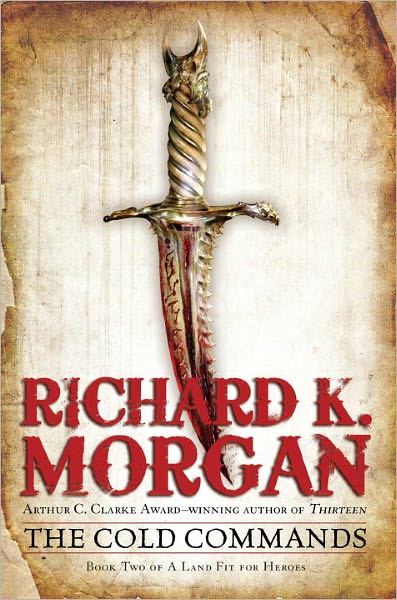
The Cold Commands Richard Morgan-smallWay back in Black Gate 13, the distinguished John C. Hocking contributed a feature review of Richard K. Morgan’s first fantasy novel and it alerted me to the fact that I was missing out on a major new work of sword & sorcery.

Here’s what he said, in part:

Richard K Morgan has made a name for himself with a chain of dark, slickly written science fiction thrillers… one might reasonably expect Morgan to continue in that style… Instead, he has written one of the most unusual, powerful, and daring sword & sorcery novels to see print for decades.

The Steel Remains follows a trio of characters, each of whom played a dramatic part in humanity’s grim battle with the Scaled Folk — reptilian invaders from the sea, defeated several years past…

As the three heroes are slowly drawn back together, a threat older and even more alien than the Scaled Folk moves into the world. Ringil and his friends will meet it with steel.

You can see why I was intrigued. Can that Hocking fellow write a review or what?

I’m a little late to talk about the sequel, The Cold Commands, especially in a column that ostensibly deals exclusively with the latest releases. But I just discovered it, so I’m going to do it anyway (I blame Hocking.)

The Cold Commands was released in in hardcover in 2011. It is subtitled Book Two of A Land For Heroes. You know what that means: now that there are two books, Morgan was forced to come up with a name for his series.

…

Read More Read More

It’s About Time

It’s About Time

WestWe don’t tend to think of time as a literary device, but along with such other abstract concepts as the sublime, time is something that authors often use deliberately to create specific effects. What effects, specifically? Disorientation. Confusion. Dislocation. Even the feeling of something alien.

How is it that something as relatively simple as time can do all these things? The 17th-century philosopher John Locke, in his Essay Concerning Human Understanding, said that humans don’t have a direct perception of time. We don’t actually perceive time at all. What we perceive is the passage of time, or what he calls “duration.”

Want something a little more modern? More physics, less philosophy? Einstein explained it in the form of a joke: When a pretty girl sits on your lap for an hour, it seems like a minute. When you sit on a hot stove for a minute, it seems like an hour. That’s relativity. In other words, your perception of duration is subjective.

And that’s something writers can play with.

…

Read More Read More