Hook ’em and Don’t Let Go
 Selling novel-length fiction is tough. Really tough. Anyone who’s been in it for any length of time can tell you how competitive it is, how quickly the rejections can stack up, how frustrating it can be to get someone to even look at your manuscript. If you’re like me, you’ve tried submitting dozens of query letters in hopes that someone will at least ask for a few pages of the work itself. I mean, that’s fair, right — to at least look at the stuff before you reject it?
Trouble is, agents and editors receive many, many more queries than they can possibly accept. It’s not uncommon to find agents receiving 75 queries or more per day. Can you imagine trying to read partials from all of them? Impossible.
This brings to light the importance of the query letter. It is your knock at the door, your two seconds to say what you want before the door is closed with you still on the outside. So let’s take a closer look at the letter, this introduction of yourself and your work. It usually has three main sections: an opening which contains a hook, a brief description of the work, and your credits. The focus of this article is that first little section, where your hook will lie.
 The holidays are over and according to AccuWeather, approximately 70% of the United States has snow on the ground and for a whole lot of you, this may be just a rare enough occurrence that for the moment, you’re mildly amused. But trust me when I tell you the novelty of throwing it at each other, sliding down it, or for a select group of you, writing your name in it, is going to wear off. And that’s when the cabin fever sets in.
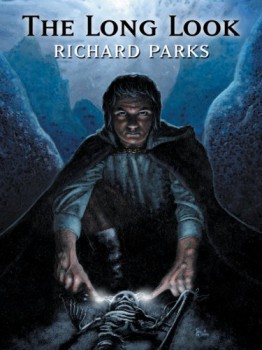 The Long Look

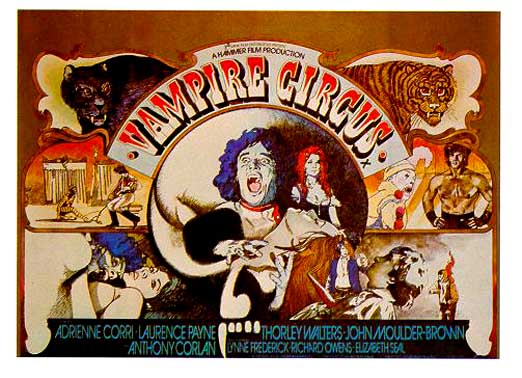 Vampire Circus (1972)