Art of the Genre: Interview with Jack Crane
 You know, sometimes your boss just refuses to let you enjoy your life… It’s no different here at Black Gate L.A. even though our intrepid editor-in-chief John O’Neill is thousands of miles away in Illinois.
I mean, take this month as a perfect example. On any given day the sun is shining, my office partner Ryan Harvey is talking non-stop about the upcoming release of Captain America: The Winter Soldier and Kandi, our secretary, is whispering/weeping to her agent about her lack of a callback, but all in all life is pretty good.
Then wouldn’t you know it, I get a text from the aforementioned Mr. O’Neill to gather up my winter gear and before you can utter the words ‘polar vortex’ I’m on a flight to Pennsylvania for an interview.
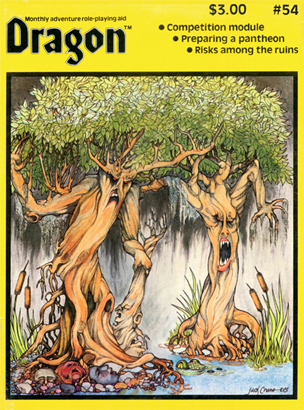
Now granted, it is an interview of a lifetime, breaking bread and talking shop with legendary Dragon Magazine cover artist Jack Crane, but nonetheless couldn’t Dr. Evil himself have picked early autumn to get this copy?!
Anyway, off I went to brave the cold, first to Philadelphia and then on up the Westchester Pike to the fine and frosty town of elven thousand souls, Broomall, PA. If you’ve never been to Broomall, I wouldn’t suggest going when it is -8 degrees, but still it is a fine little piece of Americana.
With my sightseeing limited, I headed to Phil A Mignon, a nice down home pizza and burger joint to meet with Jack before going to his studio. My order, well a ‘filet cheese steak’ of course, and some highly recommended raspberry peppercorn wings. It was darn fine food, and the filet was incredible compared to the standard greasy Philly steaks.