Saved by the Panther: Jonathan Maberry on storytelling, books, and how the Black Panther changed his life, Part Two
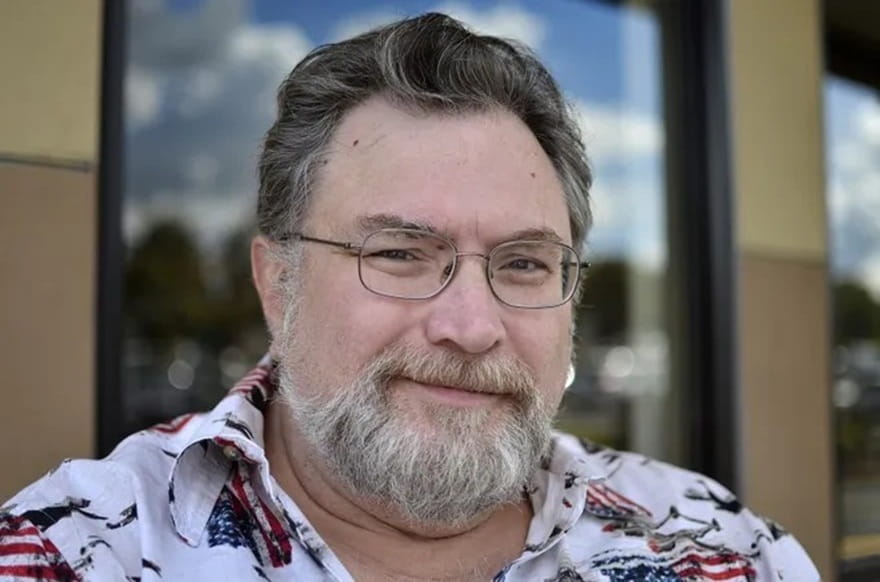
Read Part One of this interview here.
Our wide-ranging interview with the legend Jonathan Maberry continues as the award-winning author discusses how Black Panther not only changed his life, but led to one of the most rewarding opportunities any writer could ask for.
I was chosen to write Black Panther because of my childhood and what happened with that.
I grew up in a really terrible neighborhood in Philadelphia called Kensington. If you look up the worst neighborhoods in Philadelphia, it’s still the number one worst neighborhood of Philadelphia.
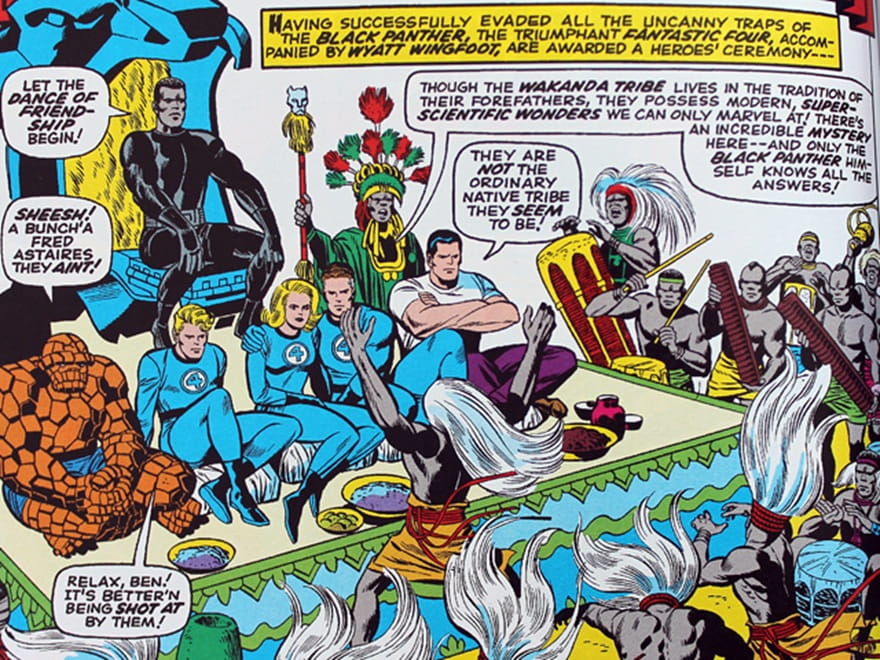
If a black family moved into Kensington they would be firebombed. That’s the kind of neighborhood it was. It was appalling. My father ran the local chapter of the KKK and that was the environment I was born into. It was an early issue of Fantastic Four when they introduced T’Challa the Black Panther that began splitting me away from my father’s viewpoints and made me question all the things that he said Black people were incapable of doing.
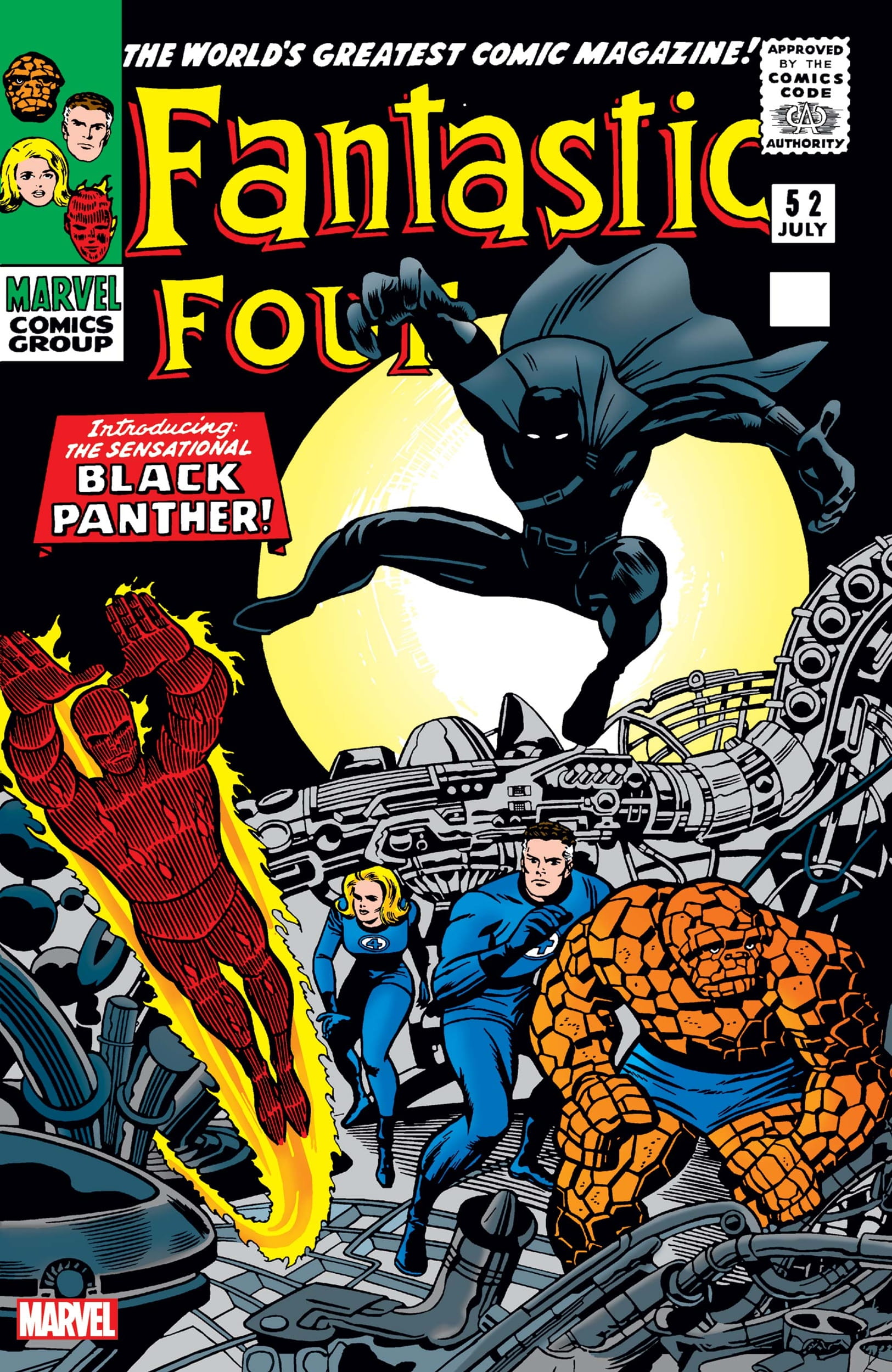
But here were my favorite Marvel people, Lee and Kirby, creating a character who is the exact opposite of that. He’s noble, he’s strong. In the comics he’s the scientist not Shuri, Shuri was added much later. He’s the hero, the king, he’s the scientist, he’s all these people.
When I got to 7th grade it was the first time I ever met someone of color. In Kensington it was all Whitey McWhite, there was no color anywhere. In Middle School, the librarian, she was white but it was in a mixed school.
I brought a copy of Fantastic Four to her and I said “You’ve met my dad. Why does he get mad whenever he sees Black Panther on the cover of the book?” She looks at the comic and says, “Well this particular issue is about apartheid.” I was like “What’s apartheid?”
She goes: “Do you know anything about the Jim Crow laws?” I was like whose “Jim Crow, is he another writer?” She says no. She said, “Do you know who Dr Martin Luther King was?”
Remember, this is only what I knew from growing up, I said: “He was some sort of a bad guy, my father threw a big party when he died.” She said “Sit down!” told me the story of racism, intolerance, and the beauty of inclusion. She really pitched it for me, and moments like that you can either close your eyes again and go back to that skewed worldview, or you can leave your eyes open which is risky, dangerous, and often leads to the breaking of relationships but that’s the real world view and I chose that path.
So I was talking about this on the radio in New York. I was already writing Punisher and Wolverine stuff for Marvel and I was talking about this and Reginald Hudlin who had been writing The Black Panther before me, you know an academy award winning Black film producer, he was looking to step down and he wanted someone to take over but he wanted it to go kind of in a fresh direction. He heard me talk about my childhood and then he went and read some of my comics then went to the President of Marvel and said, “I want Maberry to follow me on the book.”
They’re all like: “He’s white.” He said, “Yeah I know.” The assumption had been after Christopher Priest every writer (in Black Panther) would be Black. I’m not. But he told them my story and got the clip and let them listen to my backstory and they brought me in to do a test thing. I didn’t know they already agreed to hire me as the writer of Black Panther, they didn’t’ tell me that.
What I found out not only were they going to offer me a comic and I picked it up right after Reggie Hudlin’s last run, and even did some Shuri-centric dialogue on his last few issues. Then I was off and running as the actual full-time writer. It was mind-blowing. Oh, and one other thing, Reggie had heard that I’d also been teaching women’s self-defense for 35 years, so he cooked up the idea of having T’Challa getting ambushed by Doom and maybe being permanently injured, so Shuri had to step up.
Now at this point Shuri was basically the Wakanda party girl, the one who was always getting caught in the wrong hot-tub and they wanted to transform her into a fighter and a queen. They thought that since I’d been teaching self-defense I could handle that part of it and also the empowerment part of it. So really all of it was a test drive. Having Shuri step up because T’Challa had been injured, Reggie did it as a gift to me to (put) me on sure footing so when I took over the book it would have a natural flow.
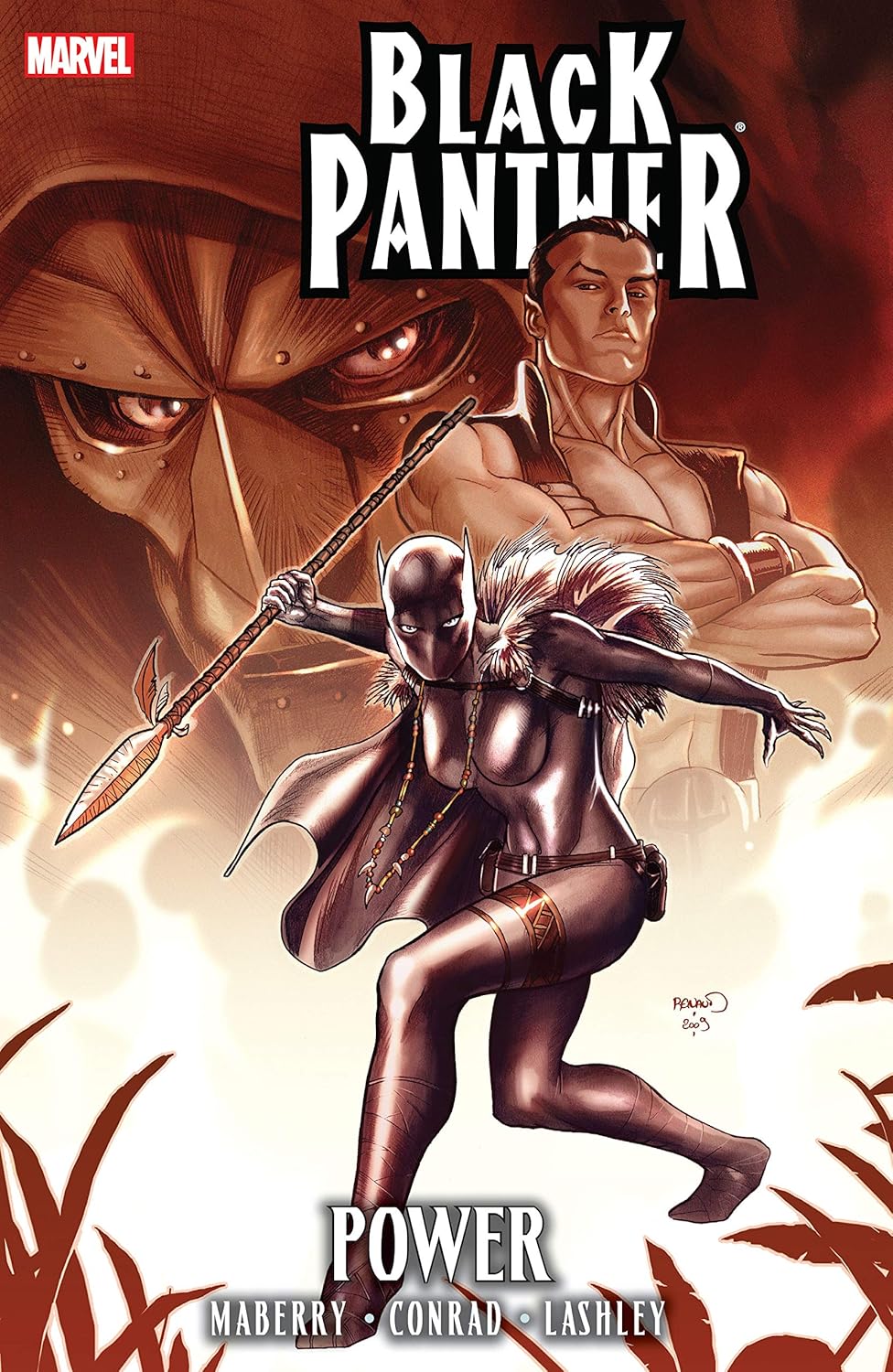
Black Panther: Wakanda Forever is partly based on those comics. I was the first to put Shuri against Namor. The uniform she wore I co-designed with my artist Ken Lashley — a great artist by the way. I created the Midnight Angels, which in the comics was a special ops Dora Milaje team, but in the movie they made it a special armor that made the Dora Milaje stronger and faster.
There’s a character [I created] that Michaela Cole played called Aneka, she was the one with the two laser daggers. I even have the Funko-Pop of her. I didn’t know how much of this was in the movies until they invited my son and I up to the premiere. I got to meet the cast and we all had a laugh and it all started because I was talking about the terrible childhood I had and how the Black Panther saved my ass.
I was going to ask this question later but I might as well ask it now. Because you’ve written and done so much, is having that fun part of what keeps the flame alive?
If I’m not having fun I won’t do the job. I’m fortunate enough now, knock on wood, that I’m offered more work than I can do. So I get to pick and choose.
My favorite of these, however is, when I was ten I snuck into the movies to see the world premiere of Night of the Living Dead. October 2nd 1968, I was ten years old. The movie impacted me so much.
So, because I write horror I’d been on panels with George Romero a million times. I called him up one day and said, “George I would love to do an anthology of stories set around 72 hours in Night of the Living Dead, would you give me permission to do that?” He said, “On three conditions: I want to co-edit it with you, second I want to write a short story for it, and third I want you to write a story that takes one of your characters.” Apparently he’d been reading my books and I had no idea.
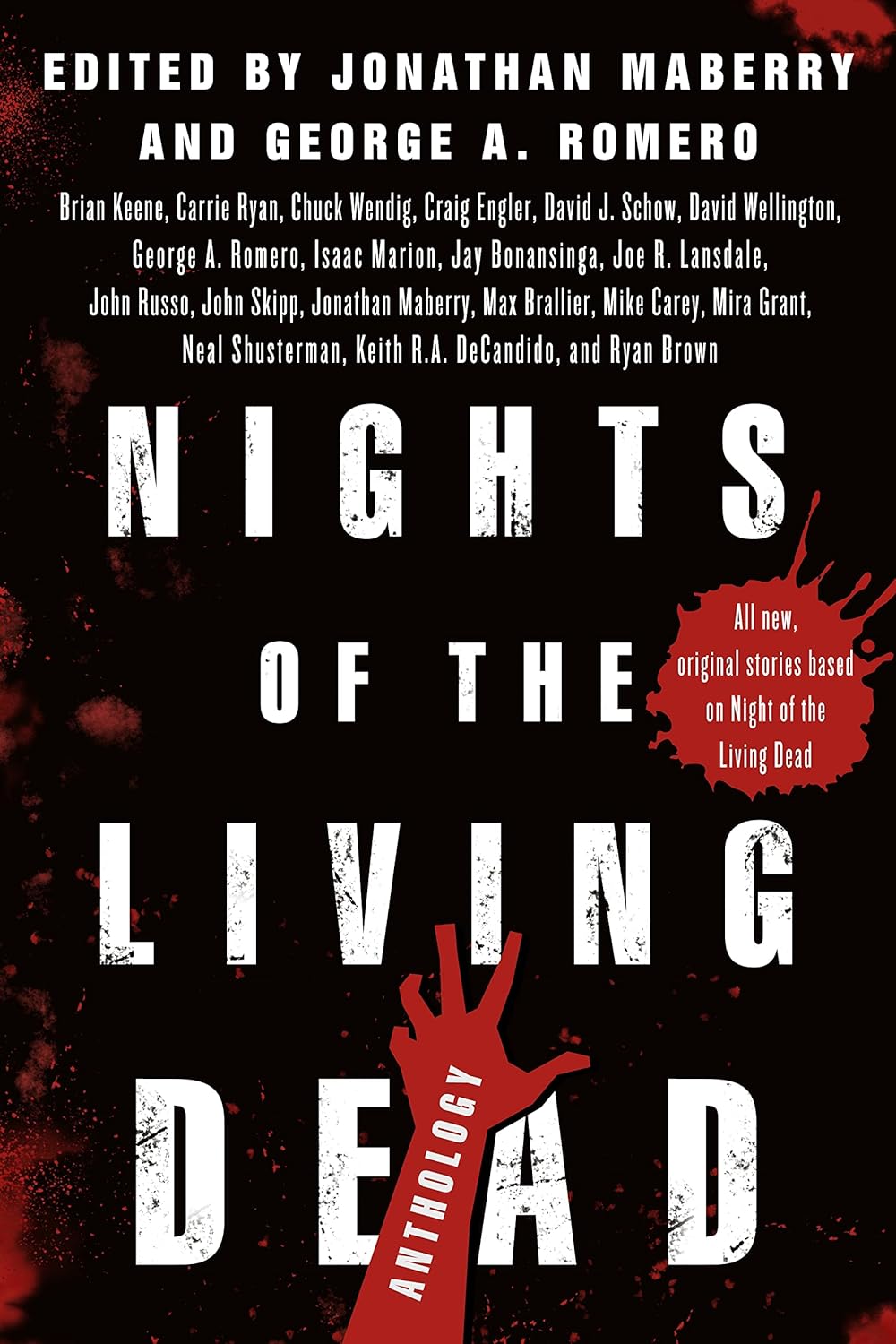
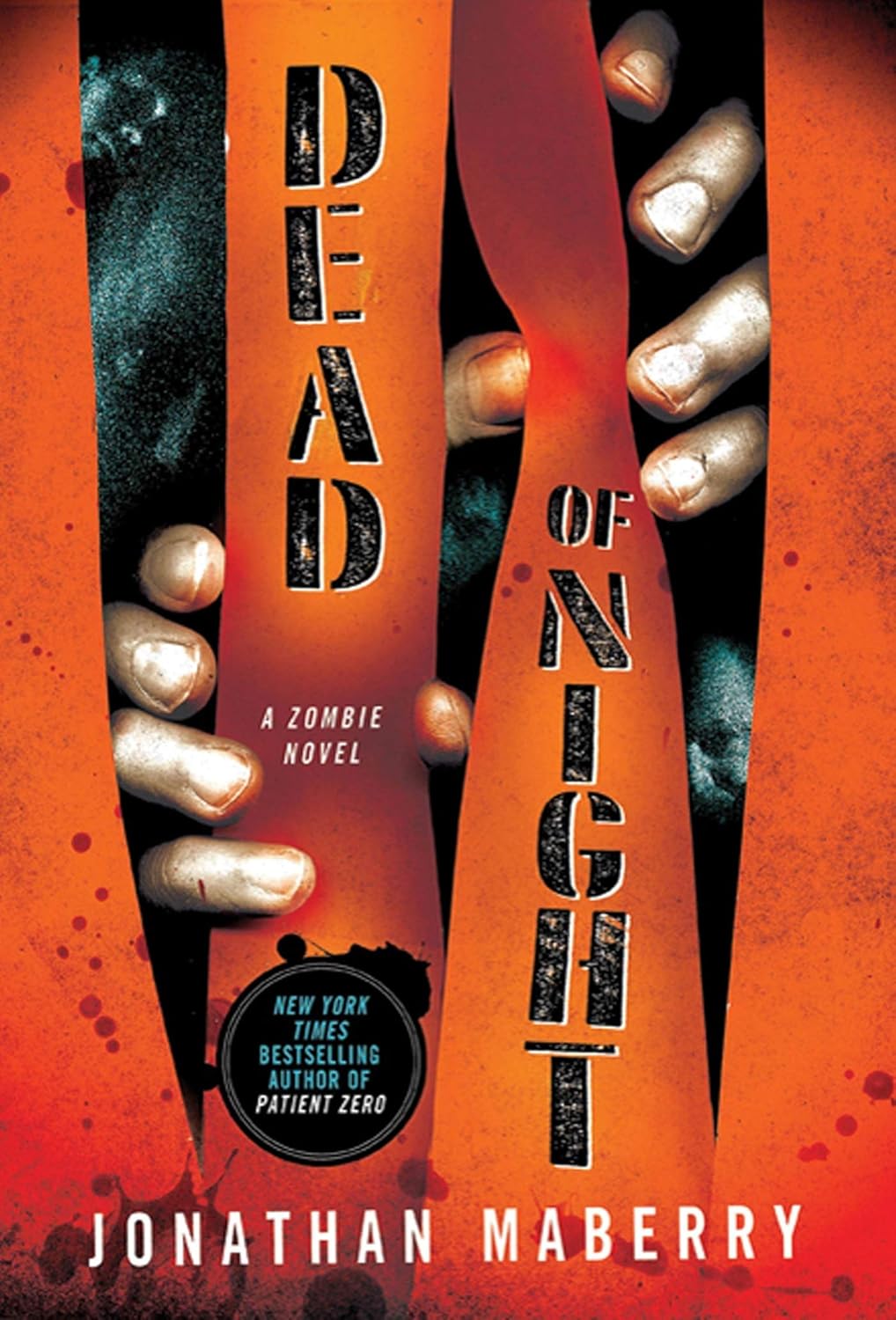
In my Dead of Night series, which is about the Zombie Apocalypse, there is a character named Sam Imura. George said, “I would love for that character to not be dead.” He’s presumed dead at the end of one of the books. “Have him not be dead and bring him all the way to the house in night of the living dead so we can officially connect your writing and my movie.”
We went out and did the anthology, and it was the last thing he completed before he died. As a matter of fact, I was at the very first signing for it, we had 200-300 people, and his wife called me and said he’d just passed. So, we turned the signing into a celebration of George’s life and it was great. I miss him. He was a good guy who became a very good friend.
Speaking of editing, you’re the current editor of Weird Tales. Its such a big name in speculative fiction. What’s it like stepping into that role? How much fun have you had doing that?
I’ve had a lot of fun.
At first when I stepped in, a friend of mine told me it was back and I pitched a story to them, wrote it and sold it. That was a big bucket list for me sell to Weird Tales. But a month later I get a call from the publisher saying, “Our editor is old and he’s ill, he can’t finish editing the magazine, which is our first issue back after several years.” He knew I’d edited a bunch of anthologies so he said, “Would you want to come in and finish editing the magazine?” I said, “Well how much of the magazine is done?” He said, “Well we have your story.” That was it.
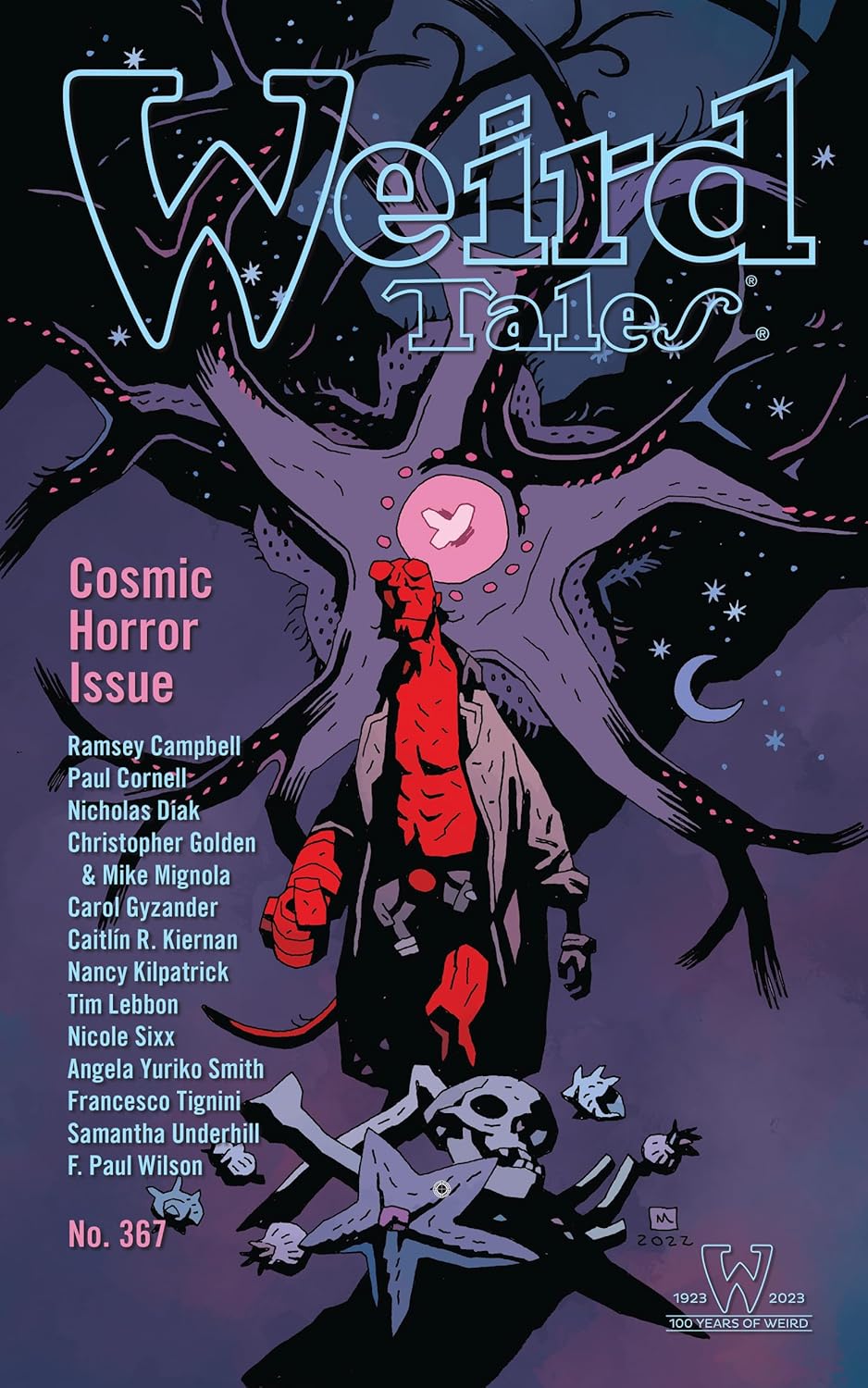
So, I stepped in. First issue I was editorial director and from then on they just made me editor. The other editor did eventually pass, it was sad to see him go. But the magazine came to me and I was able to help keep it alive.
What they me to be the ongoing editor, much as I love Weird Tales. Conan the Wanderer was the first novel I ever bought, and it reprinted stories from Weird Tales. Me and Weird Tales go way back. In fact L. Sprague de Camp, who helped bring Conan back, became a friend and mentor. And weirdly, the agent who gave the Howard manuscripts to Sprague de Camp and that’s how Conan came out of obscurity, is my wife’s grandfather.
We had the challenge of while HP Lovecraft’s cosmic horror stuff is fantastic, he was a racist misogynistic, homophobic asshole and we can’t echo anything about his tone. I said, “I want to make sure we don’t just dip into a pool where all guys are this skin color or this gender.”
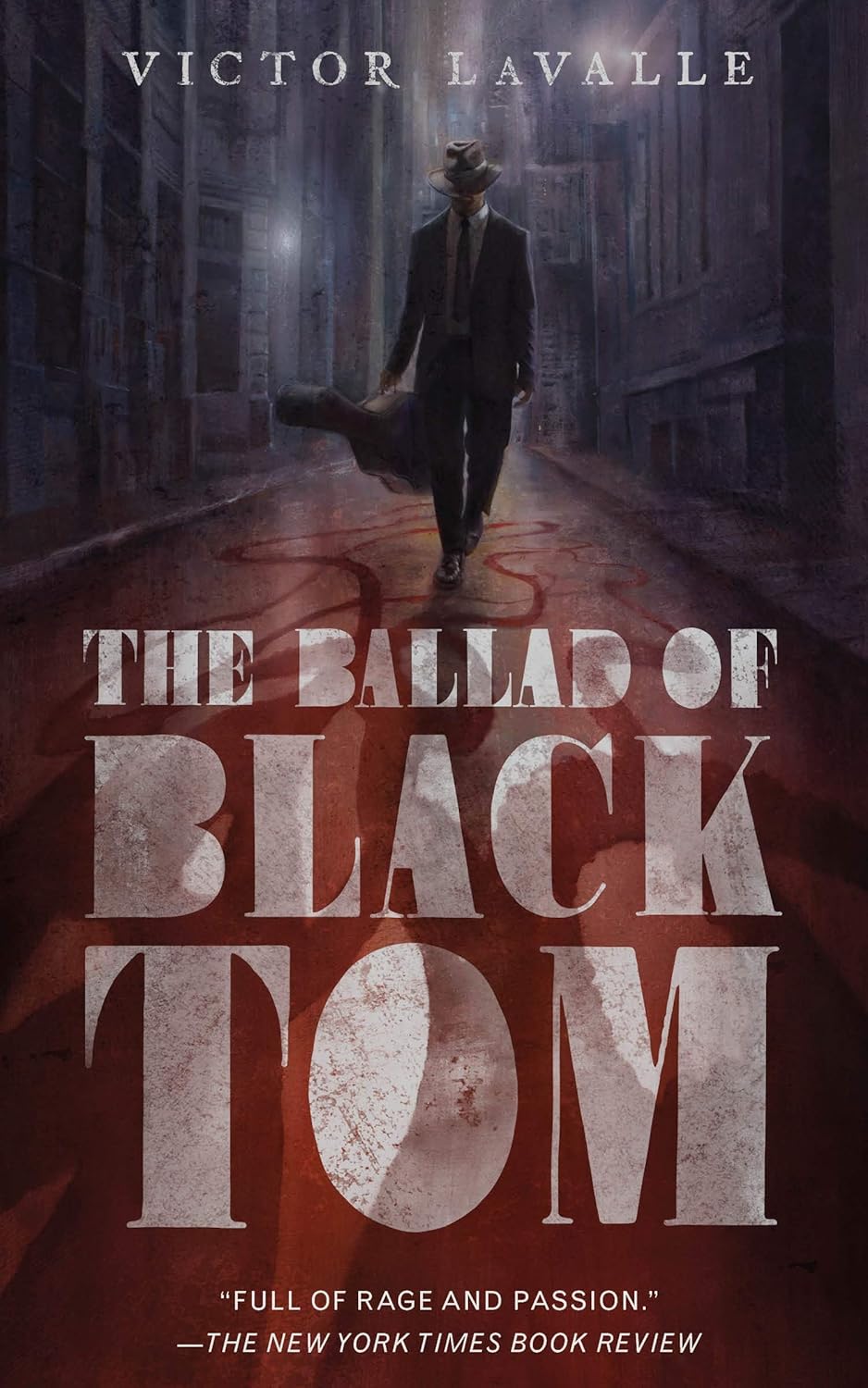
A friend of mine, who is a bookseller [once] said, [Here] is a novella you must read, it’s called The Ballad of Black Tom by Victor LaValle. This is going to leave you bruised and gasping. And it did, I read it in one long day. I really felt like I’d just been mugged in an alley, like Holy shit. That’s how Victor and I became friends, I wrote to him and told him I loved it.
 |
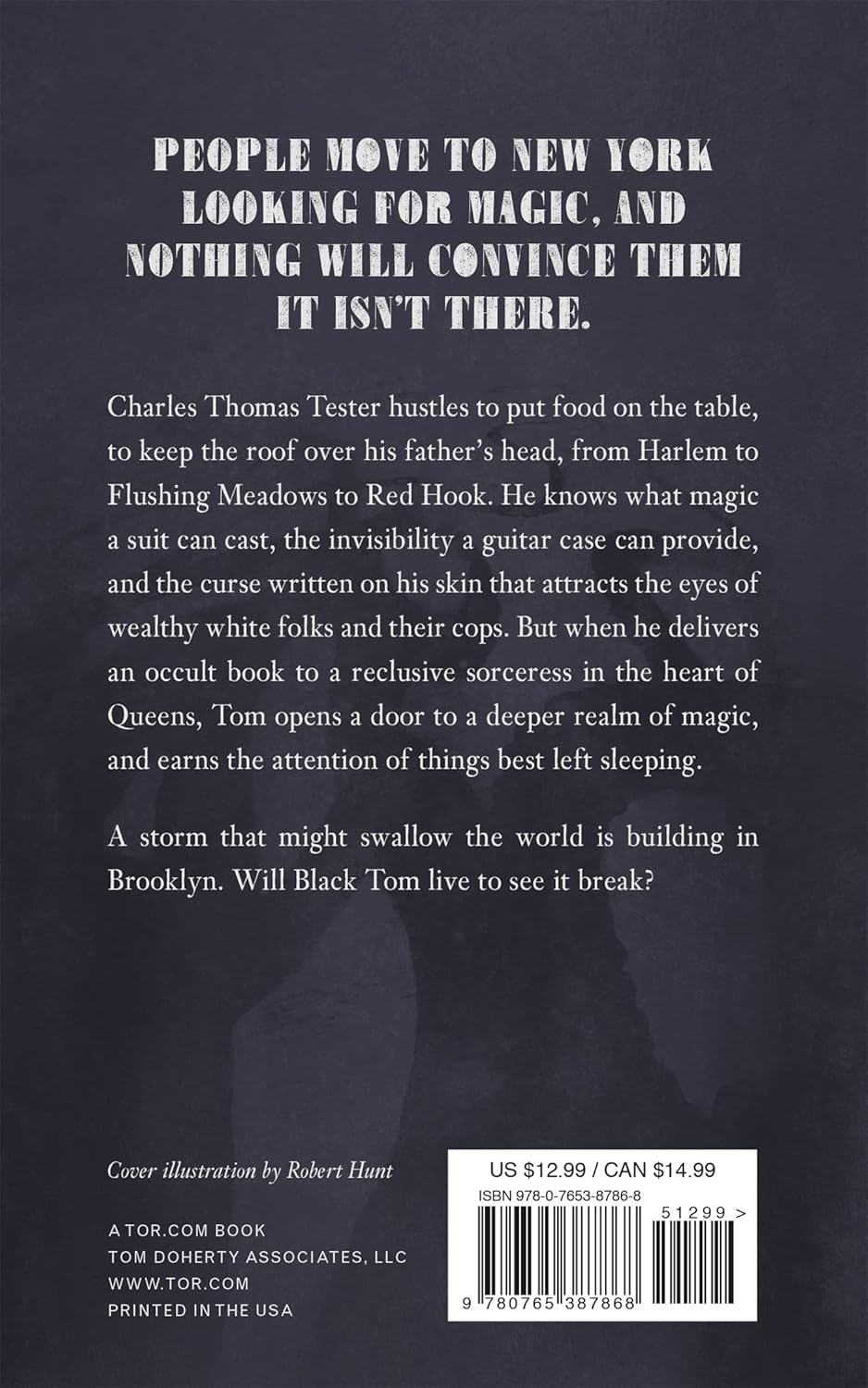 |
The Ballad of Black Tom by Victor LaValle (Tor.com, February 16, 2016). Cover by Robert Hunt
Then when Weird Tales came along he was the first person I contacted. I said, “You know Vic you bruised me pretty badly with The Ballad of Black Tom, how about you come and draw blood for me for Weird Tales?” And he wrote “Up From Slavery,” which was a great, great story, won a Stoker Award and I believe he’s in discussions with filmmakers about a possible film adaptation. And it deserves to be a film.
That’s kind of been my vibe. Inclusion does a lot of things. For one, it resonates with where I am in my life and in my heart. But also we’ve had generations and generations of storytelling mostly from one perspective. Horror has been dominated by white males mostly. It was harder for women to break in. The first woman of color to win a Stoker was Tananarive Due and that was two years ago, only two years ago!
I started reaching out to my friends, the people I know who had different backgrounds because every time you look at someone from a different culture, different gender, different orientation whatever — what makes them afraid, what they think is scary is going to be different. I want all of that, I want every voice talking about that in the magazine. That’s been my self-imposed mission as the editor of the magazine. I’m very happy with what we’re doing, we have a lot of representation in a lot of different ways.
 |
 |
Dead of Night (St. Martin’s Griffin, October 25, 2011). Cover design by Rob Grom
What are some great writing tips that you can share with me and other writers out there who would love to learn from your decades-worth of experience?
There’s a couple things. Only take projects that are fun. Second, and this is important: a lot of writers kind of go on their natural storytelling gifts but the more you study the elements of craft, not just know what they are but actually understand how they can be applied in variation, it allows you to write everything in your head better. If you don’t know them, you can hit things that can stop you because you don’t know the thing that solves the problem.
It’s something Stephen King and I talked about the first time I met him. He is always learning new things. He doesn’t need to. But he wants to because he wants to be better all the time and that’s a great role model right there.
And the third thing is don’t believe in the concept of writer’s block, it’s not a thing. It’s an umbrella term used to describe a bunch of different problems but if you as a writer go and talk to two other writers, the other writers will have solutions.
Just because you don’t know the solution doesn’t mean the block is like a iron wall a thousand feet tall. It just needs ladder or door in that wall and here’s a way to do that. Everything is fixable.
I wanted to ask about the future: what are some projects you have coming up in the future that you are excited about and what gives you hope for the future of writing?
I’ll start with the last part first because we’re going through a political time where books are getting banned left and right, where it’s hard to put diversity in books if you’re not that color or that gender or that religion or whatever when just five years ago that was the selling point of books, having a diverse cast of characters. Now it’s being pushed back on because those books get banned so quickly in a lot of states. We’re going through hard times and the future of writing depends on people writing the best book they can and promoting reading.
Writing is marching still. Audio books have one of the biggest market shares right now because of the oil price impacting print. We’re seeing E-books expand now.
In terms of what’s happening in the short-term future they want books to be shorter. I just turned in a book in a series like that and it’s about 25,000 words shorter. One it saves a bunch of trees and also a lot of money in paper, oil, print, and production.
Serve that need because it will keep the cover price low enough for people to buy it and you want people to read it. It’s not about trying to get rich, it’s about trying to make a living while also sharing your stories with as many people as possible. If that means telling a shorter story by replotting, I’ll just lean into those types of plots. I like a long complex thriller plot but I also like shorter books too. So change with the times and people who change with the times their future is as bright as can be, those doors are open.
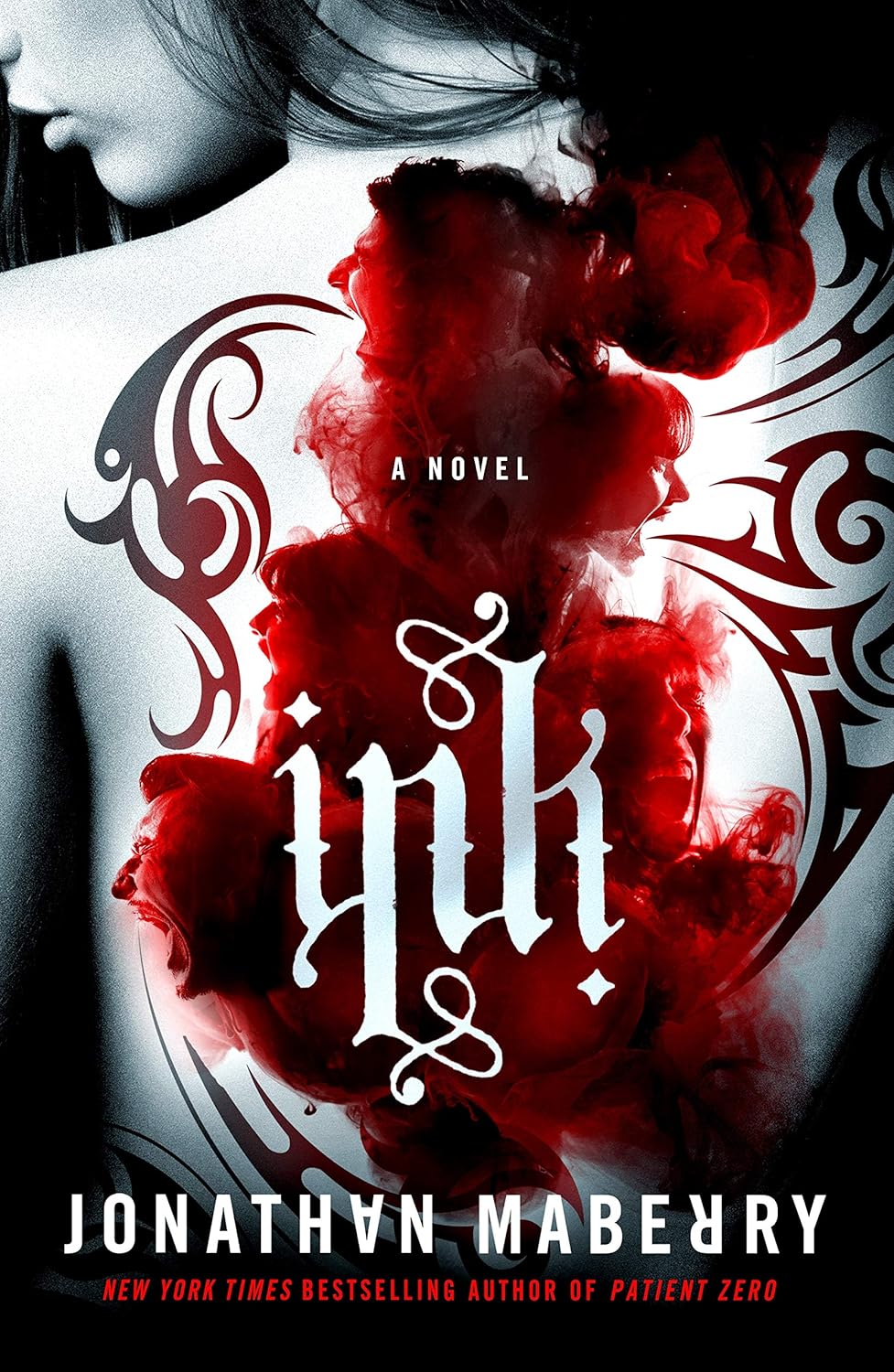
There are times I want to write things that are outside my experience. My novel Ink is a good example of that. There are two elements of that its about a kind of vampire who if you have a tattoo tied to a very important memory and he touches, tattoo and your memory begin to disappear because he feeds on that. So one of the characters has a tattoo of her murdered daughter on her hand and every day she begins forgetting more and more that she ever had a daughter.
 |
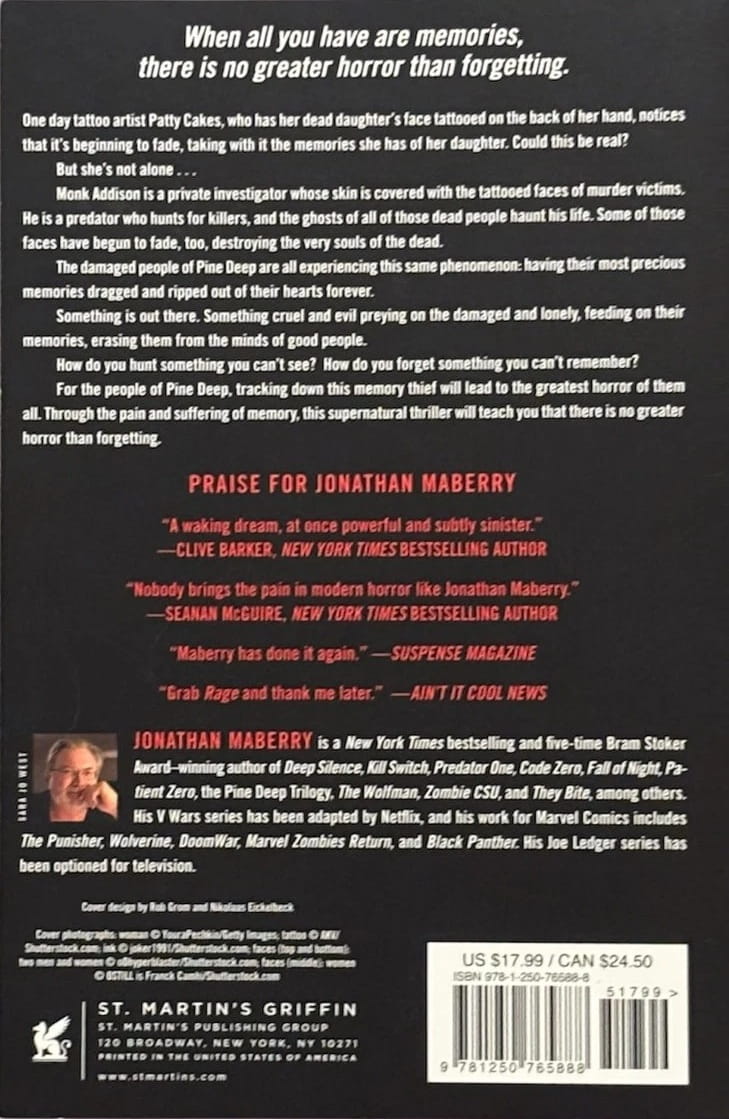 |
Ink (St. Martin’s Griffin, November 17, 2020). Cover design by Rob Grom
The thing is I don’t know anything about tattoos, I never had tattoos, my brother has tattoos but we’re somewhat estranged. But I know there are people for whom tattooing is more than decoration, it’s a statement, even if it’s a statement for them. So, I reached out through social media if I could ask questions of folks, do some interviews, so I could understand.
You know, why’d you get the tattoo, what did it mean at the time, has the meaning changed, what was the family reaction, do you talk about the meaning of it or do you keep it to yourself. I learned stuff I never would have learned about tattoo culture. I listened to their experiences and even folded some of them into the book.
The other part of that book: I had two romantic interests in the book. One was heterosexual which I can write because I‘m a straight guy. The other is a bicurious woman who is in a heterosexual marriage who wants to explore by going on a date with a lesbian. I’m not lesbian, I’m not bicurious I’m not any of the things that define those characters. So again, I reached out, I said I’d like to do some interviews. I thought maybe I’d get three or four. I got 500 people! I think part of it was because I was a straight guy trying to understand. Because in my message I wrote that I didn’t want to do even well-intentioned assumptions, I didn’t want to do cliché. And when you ask those questions and get the answers, listen to them, pay attention to them, because it not only expands your ability to write those characters, it expands your personal growth in understanding human people and human experiences.
The world is not defined by you and what looks like you. The world is defined by itself and it is a very diverse world. Learn more about that and you’ll find so many things to write about. The research has allowed me to read so far beyond my cultural zone in terms of race, religion, and sexual orientation because they are stories I don’t know, I can’t predict the end to them, I can’t predict the details and I want to know. That’s what I do as a writer because its what I do as a reader.
That’s something everyone can do and it’s a wave I’m starting to see happen more and more. The research turn into understanding, not just a collection of data.
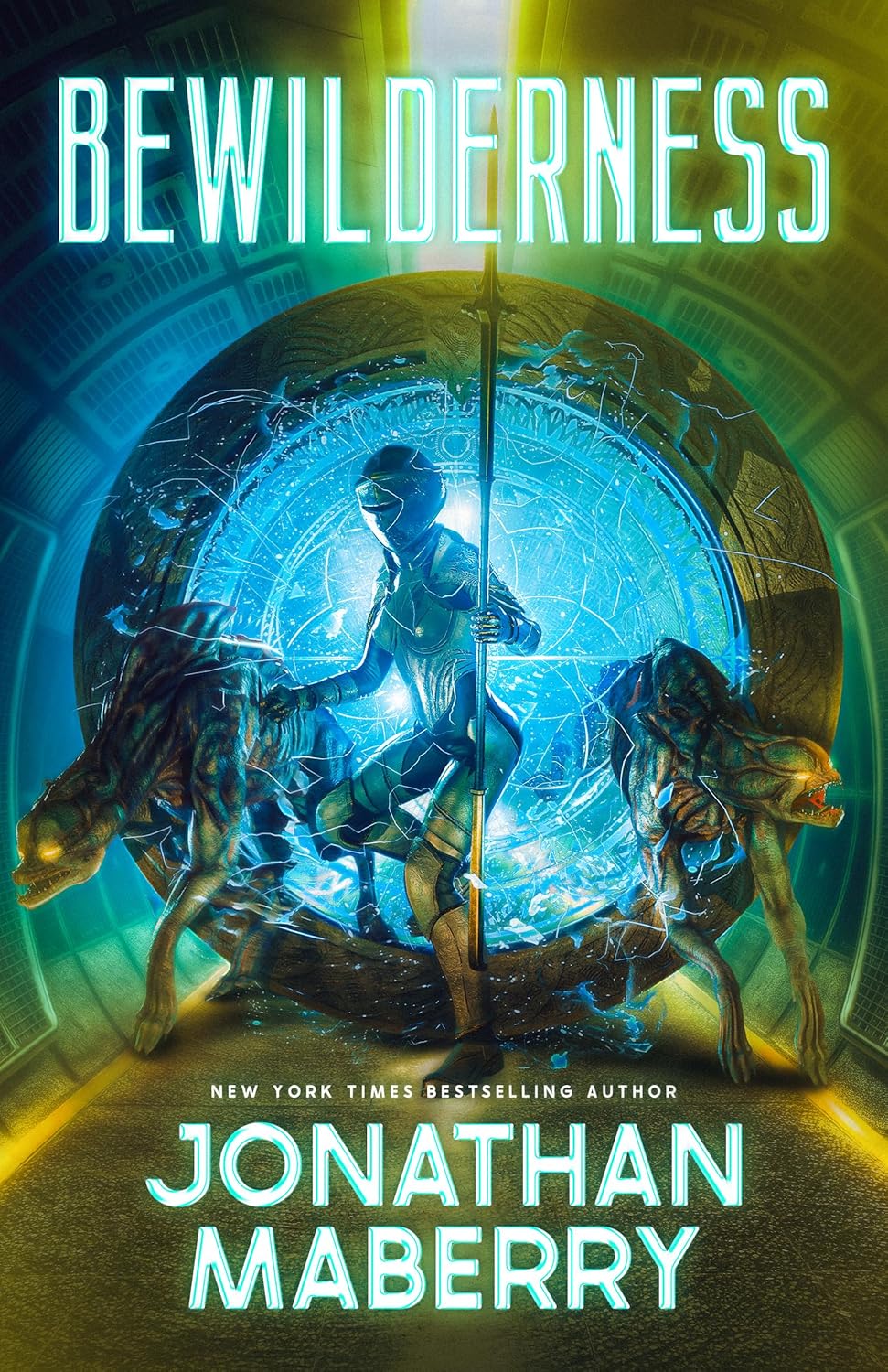
What books do you have coming out before the end of the year?
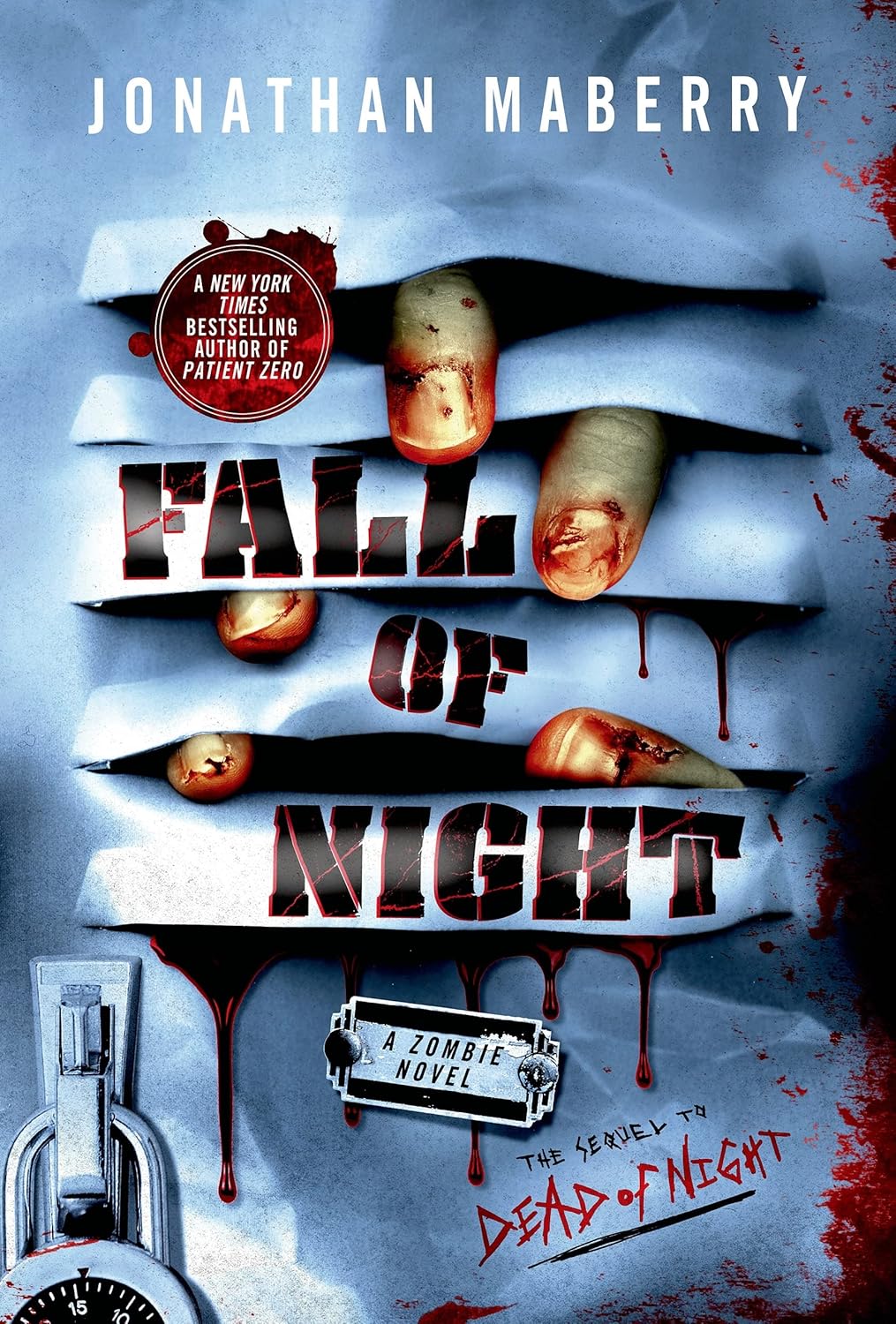
Well, I’ve had two novels out so far which is Red Empire and that series is being directed by the director of John Wick. I may be working on sort of a John Wick role but I can’t talk about that. The Sleepers War book just came out, in August I’ll have Bilderness and then in October I have Ghosts of the Void coming out which will wrap that Necrotek series.
At the moment I’m writing The Jersey Devil, which is about the cryptid. It’s my 57th novel in 20 years. I’m having a lot of fun with it, it will be 100,000 words or less because again that’s what editors feel comfortable with.
I’m writing three comics right now, one of which I can talk about because we’re thinking of pitching it to Keanu Reeves. It’s about an aging samurai who wants to die gloriously in battle but he keeps surviving every battle because he’s just that tough.
Some good writing advice in there.
I actually stood in for Maberry as Toastmaster at Archon a few years ago. He suddenly couldn’t make it to the con, so they asked me to step in. That was really cool, and the next time I was on a panel with him, I thanked him for having to miss the con, because I got a nice dinner out of it! Ha.