Browsed by
Category: Future Treasures

Future Treasures: Relic by Alan Dean Foster
Future Treasures: Relic by Alan Dean Foster

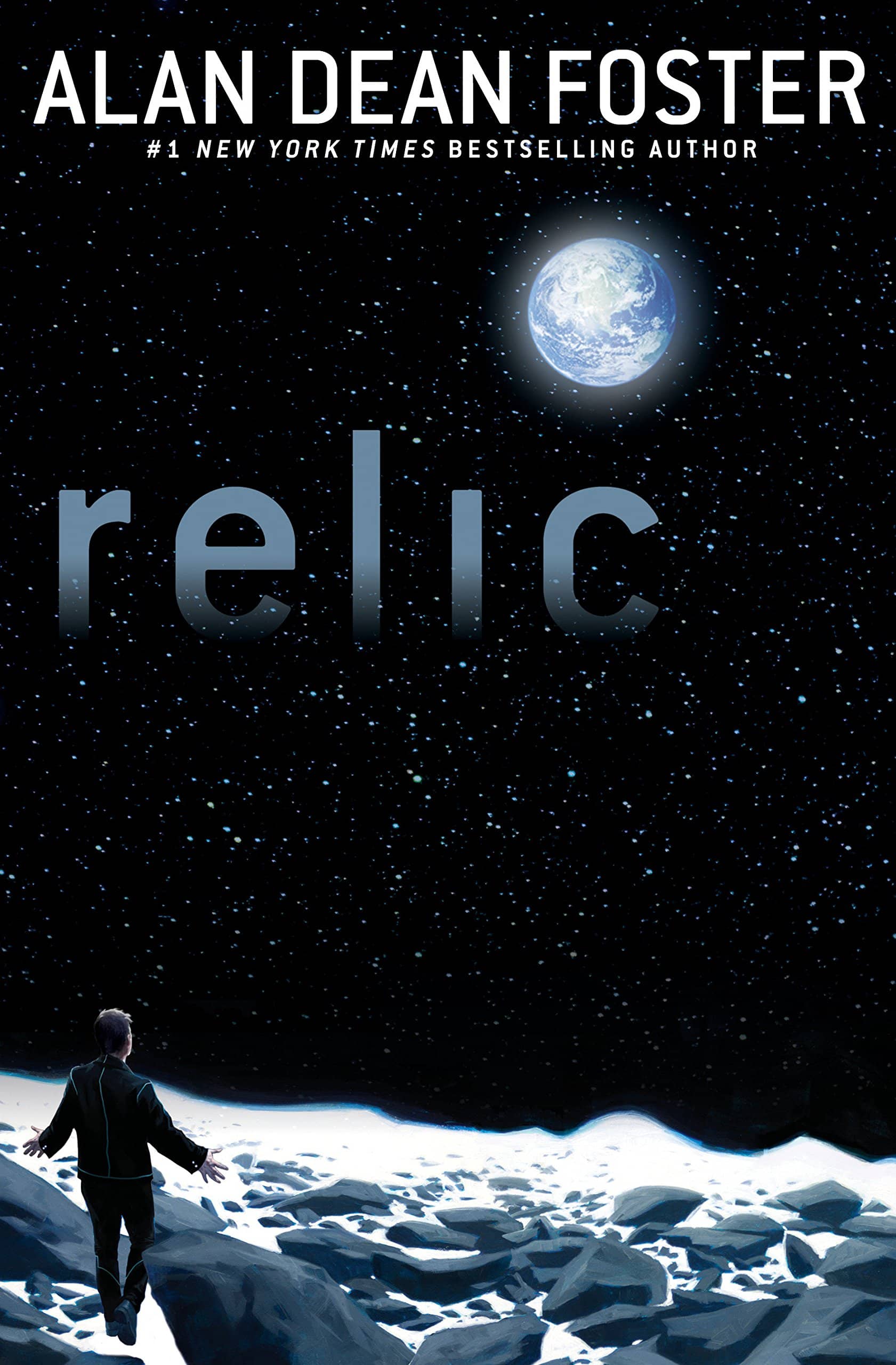
Relic Alan Dean Foster-smallIf it seems like it’s been a while since Alan Dean Foster released a standalone SF book from a mainstream publisher, that’s because it has. Over a decade now, since Pyr published his novel Sagramanda: A Novel of Near-Future India way back in 2006. And the one before that was Interlopers (Ace, 2001).

It’s not like he hasn’t been busy. Foster is in great demand as a media tie-in writer, and his recent books include top-selling titles like Star Wars: The Force Awakens (2015) and Alien: Covenant (2017). But his many fans who remember his fine early novels like Icerigger (1974), For Love of Mother-Not (1983) and the other Pip & Flinx books, and the tales of the Humanx Commonwealth Universe, are impatient to see something new from him.

It looks like we will finally be rewarded. Foster’s latest book Relic has been called “Stunning… A true first contact novel on many different levels” by Library Journal. It arrives in hardcover from Del Rey in two weeks.

The last known human searches the galaxy for companionship in a brilliant standalone novel from the legendary author of the Pip & Flinx series.

Once Homo sapiens reigned supreme, spreading from star system to star system in an empire that encountered no alien life and thus knew no enemy… save itself. As had happened many times before, the basest, most primal human instincts rose up, only this time armed with the advanced scientific knowledge to create a genetically engineered smart virus that quickly wiped out humanity to the last man.

That man is Ruslan, the sole known surviving human being in the universe. Rescued from the charnel house of his home planet by the Myssari — an intelligent alien race — Ruslan spends his days as something of a cross between a research subject and a zoo attraction. Though the Myssari are determined to resurrect the human race, using Ruslan’s genetic material, all he wants for himself and his species is oblivion. But then the Myssari make Ruslan an extraordinary offer: In exchange for his cooperation, they will do everything in their considerable power to find the lost home world of his species — an all-but-mythical place called Earth — and, perhaps, another living human.

Thus begins an epic journey of adventure, danger, heartbreak, and hope, as Ruslan sets out in search of a place that may no longer exist — drawn by the slimmest yet most enduring hope.

Relic will be published by Del Rey on August 14, 2018. It is 320 pages, priced at $27 in hardcover and $13.99 for the digital edition.
Future Treasures: Planetside by Michael Mammay

Future Treasures: Planetside by Michael Mammay

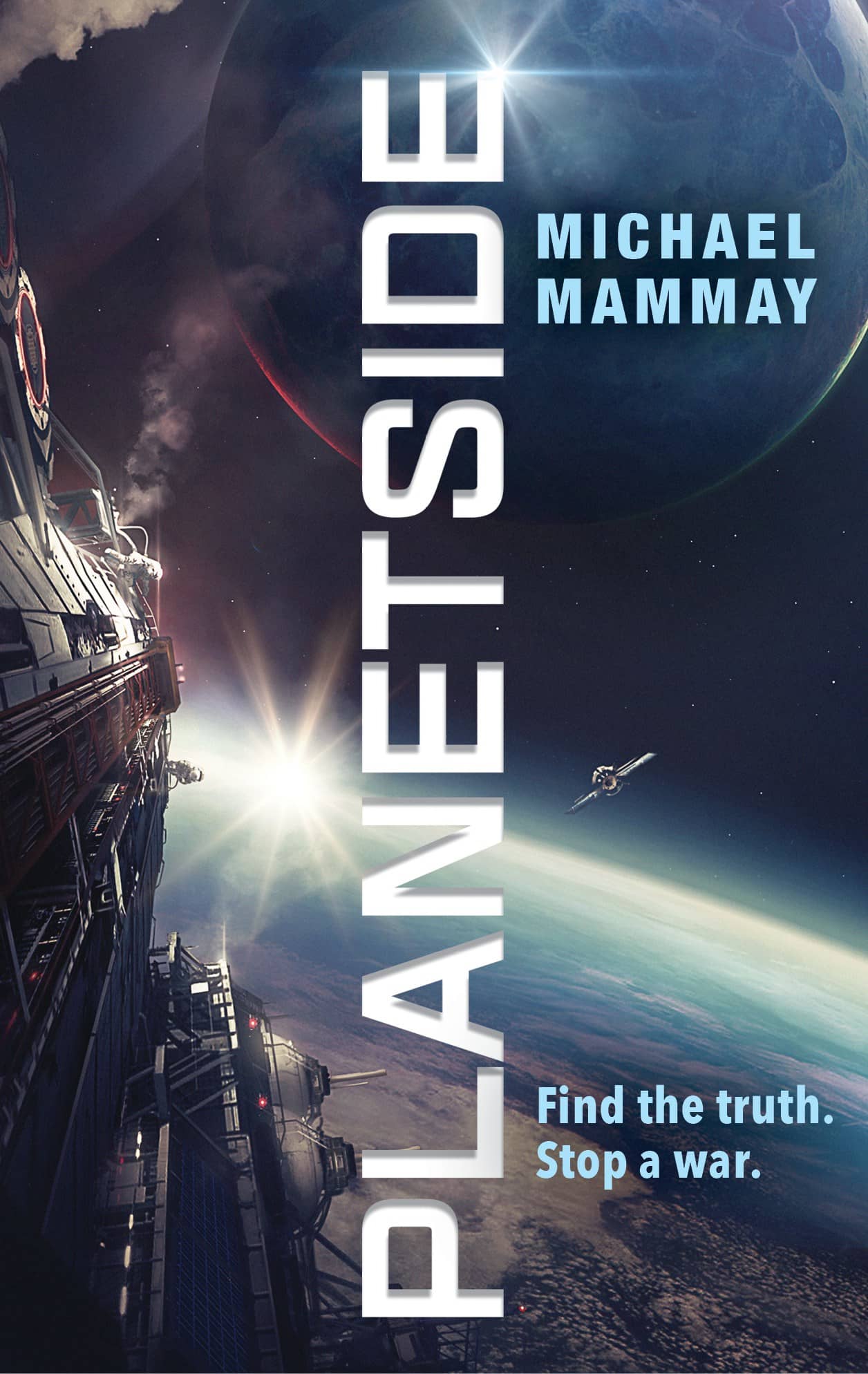
Planetside Michael Mammay-smallIn their list of the most interesting new sci-fi of July, io9 includes Michael Mammay’s debut novel Planetside, summing it up by saying,

A semi-retired war hero takes on a mission at the behest of an old friend, searching for an important officer’s MIA son. But what seems like a simple search-and-rescue gig soon gets a lot more complicated when he arrives on the far side of the galaxy and discovers a strange, ravaged planet teeming with secrets.

Deep space, battle-ravaged planets, mysterious aliens…  I like what I hear. Marko Kloos (the Frontline series) calls it “a smart and fast-paced blend of mystery and boots-in-the-dirt military SF,” and that’s not a combo I come across every day. Here’s the description.

A seasoned military officer uncovers a deadly conspiracy on a distant, war-torn planet…

War heroes aren’t usually called out of semi-retirement and sent to the far reaches of the galaxy for a routine investigation. So when Colonel Carl Butler answers the call from an old and powerful friend, he knows it’s something big — and he’s not being told the whole story. A high councilor’s son has gone MIA out of Cappa Base, the space station orbiting a battle-ravaged planet. The young lieutenant had been wounded and evacuated — but there’s no record of him having ever arrived at hospital command.

The colonel quickly finds Cappa Base to be a labyrinth of dead ends and sabotage: the hospital commander stonewalls him, the Special Ops leader won’t come off the planet, witnesses go missing, radar data disappears, and that’s before he encounters the alien enemy. Butler has no choice but to drop down onto a hostile planet—because someone is using the war zone as a cover. The answers are there — Butler just has to make it back alive…

The book has a stellar, near-perfect 4.8 record at Goodreads (based on 47 ratings), which is not something you see every day, especially for military SF. Check it out.

Planetside will be published by Harper Voyager on July 31, 2018. It is 384 pages, priced at $7.99 in paperback and $6.99 for the digital version. The cover is by Sébastien Hue.

3 New Titles at Once: Rogue Blades Entertainment’s Ambitious New Agenda

3 New Titles at Once: Rogue Blades Entertainment’s Ambitious New Agenda

Crazy Town RBE Crossbows and Crosses

A few days back, Black Gate guru John O’Neill wrote perhaps one of the best articles to appear here during 2018. Then he invited me to comment further in my own post on behalf of Rogue Blades Entertainment’s latest titles. So let’s get to it!

One point I wish to make from the onset — all three of 2018’s open calls for submissions are for first-ofs for RBE. We have always intended to be the publisher of everything heroic action adventure (fiction and nonfiction), and we began with our first love — fantasy. Since we started up our presses with extreme, sword- and sorcery-slinging short story heroics, we often are considered a Sword-and-Sorcery publisher.

I love that, and utterly embrace the genre, but RBE is more than that, so I don’t want anyone confused as to our identity or aim. We publish heroics and deliver intense action adventure. Our byline “Putting the HERO back into HEROICS” isn’t just a cool soundbite — it’s what we do.

Read More Read More

Future Treasures: Annex by Rich Larson

Future Treasures: Annex by Rich Larson

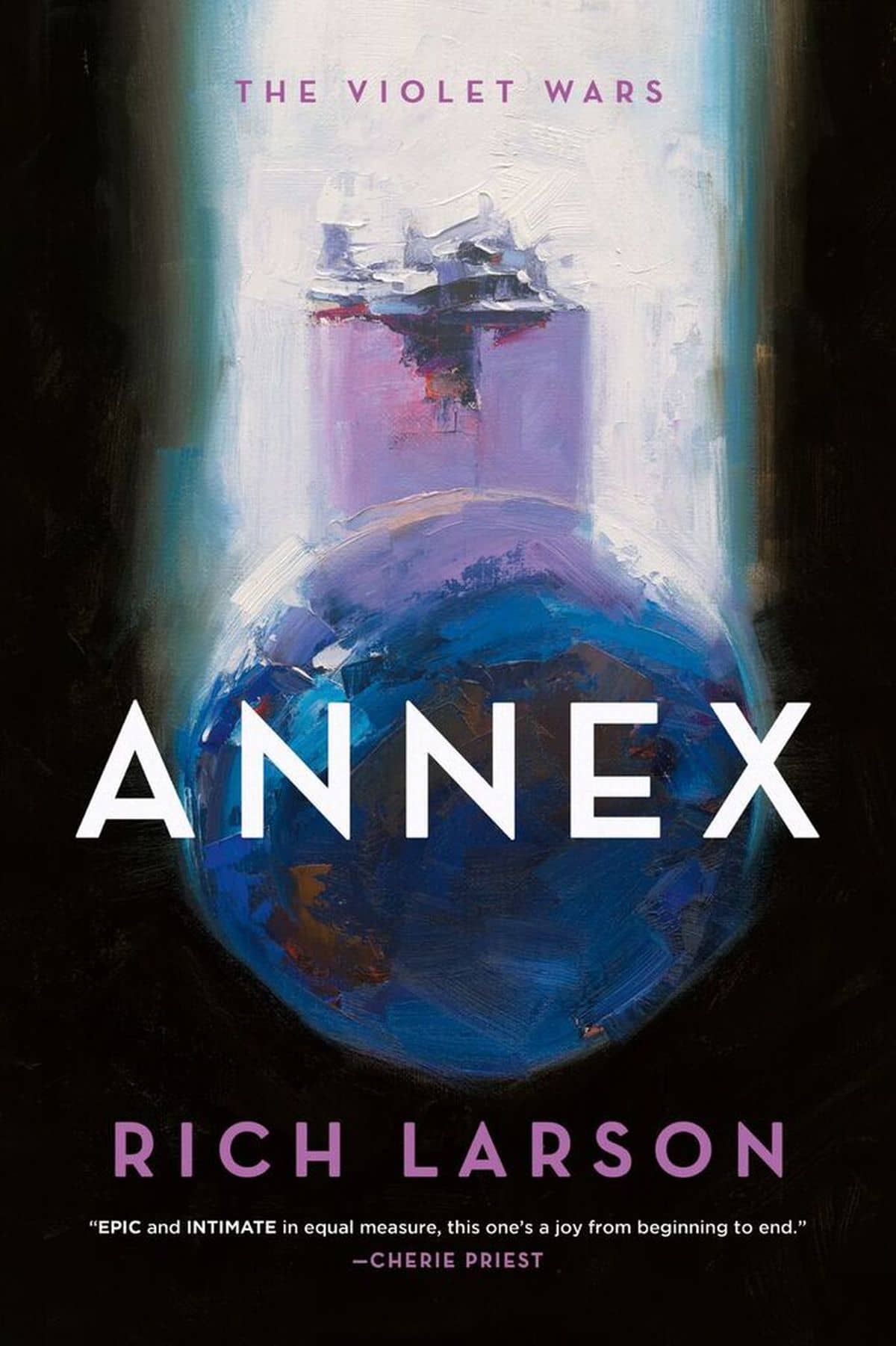
Annex Rich Larson-smallIf you’ve been paying attention at all to short fiction recently you’ve likely come across Ottawa author Rich Larson. He burst onto the scene in late 2012, and over the past six years he’s sold over 100 stories — that’s more than one per month. He’s appeared virtually everywhere, including Interzone, Asimov’s SF, Clarkesworld, Beneath Ceaseless Skies, Daily Science Fiction, Tor.com, Apex, Analog, F&SF, Lightspeed, OMNI, and anthologies like Infinity Wars, Upgraded, The Book of Swords, and Clockwork Phoenix 5.

In 2016 Jonathan Strahan proclaimed “this year seems to belong to Rich Larson and Dominica Phetteplace, both of whom have had fine stories in a range of publications,” and Gardner Dozois called him “one of the best new writers to enter science fiction in more than a decade.” His work has appeared in numerous Year’s Best anthologies, including five different 2018 volumes from Rich Horton, Neil Clarke, Jonathan Strahan, David Afsharirad, and Gardner Dozois. Anticipation for his debut novel Annex has been extremely high, and it arrives this month from Orbit.

In Rich Larson’s astonishing debut Annex, only outsiders can fight off the true aliens.

At first it is a nightmare. When the invaders arrive, the world as they know it is destroyed. Their friends are kidnapped. Their families are changed.

Then it is a dream. With no adults left to run things, Violet and the others who have escaped capture are truly free for the first time. They can do whatever they want to do. They can be whoever they want to be.

But the invaders won’t leave them alone for long…

This thrilling debut by one of the most acclaimed short form writers in science fiction tells the story of two young outsiders who must find a way to fight back against the aliens who have taken over her city.

Rich’s first collection, Tomorrow Factory, will also be released in October from Talos Press. Get more details here.

Annex, the opening book in The Violet Wars, will be published by Orbit Books. It is 368 pages, priced at $15.99 in trade paperback and $4.99 for the digital edition. The cover is by Greg Manchess. Check out the intriguing cover reveal at the Barnes & Noble Sci-Fi & Fantasy Blog.

How Science Fiction Was Saved by Solaris and Jonathan Strahan

How Science Fiction Was Saved by Solaris and Jonathan Strahan

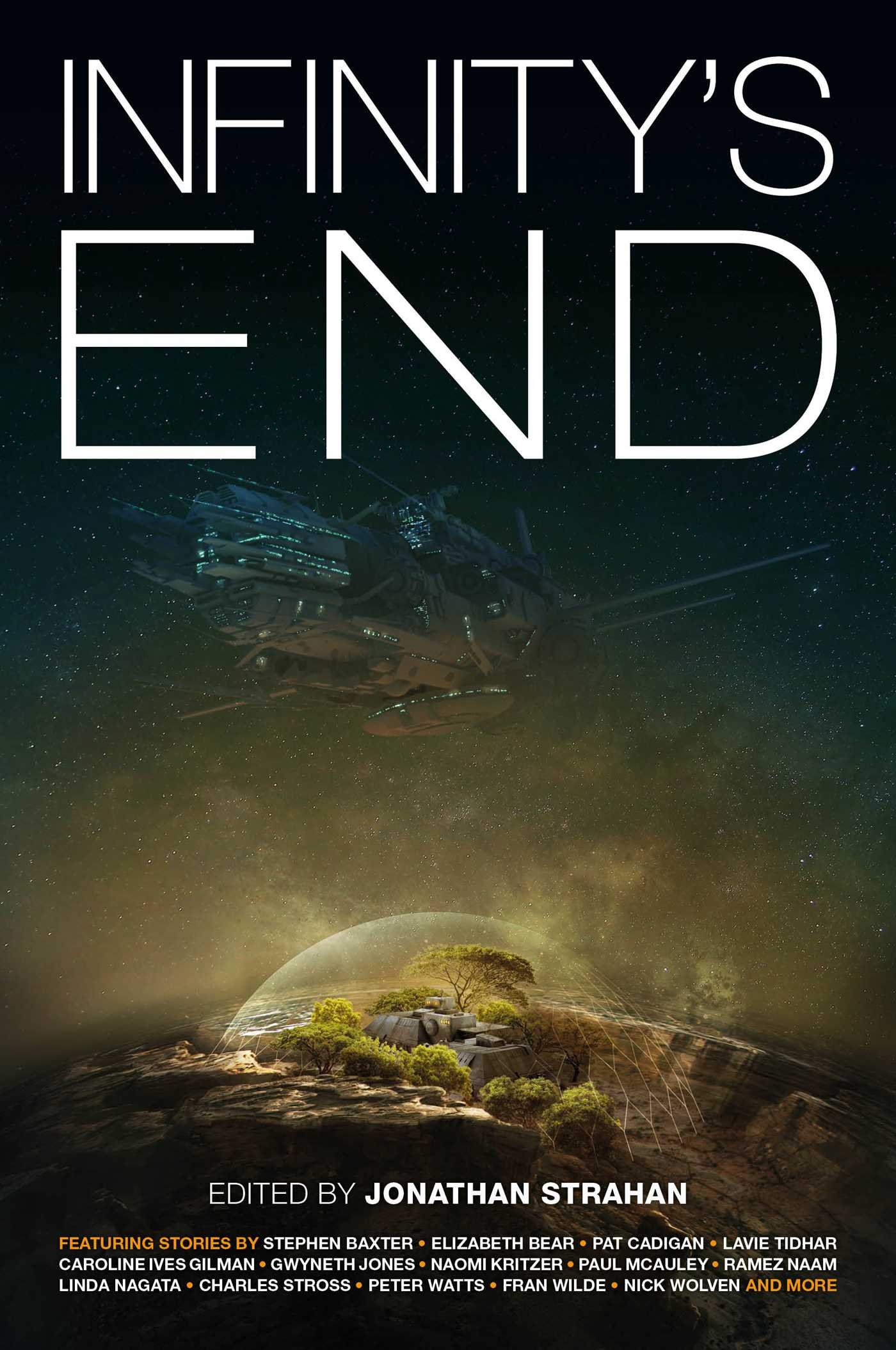
Infinity's End edited by Jonathan Strahan-smallA few years ago Black Gate asked “Is the Original SF and Fantasy Paperback Anthology Series Dead?” Those were dark, dark days, and I don’t like to think of them.

They’re over now. Science fiction was rescued from a barren wasteland of paperback sameness by the one publisher who had a decent shot: Solaris. They did it by taking a chance on a paperback anthology series that has become one of the most acclaimed and celebrated of the past few decades: Jonathan Strahan’s Infinity Project, which comes to a triumphant end this month with Infinity’s End, certain to be one of the most talked-about books of the year.

You see, years ago original anthology series like Damon Knight’s Orbit, Terry Carr’s Universe and Robert Silverberg’s New Dimensions were the very centre of science fiction, providing a prestigious and high-paying market for short fiction. They showcased the top names as well as up-and-coming talent. I could plunk down my three bucks at W.H. Smith in Halifax, Nova Scotia, knowing that the slender paperbacks I excitedly carried home would introduce me to half a dozen new writers.

Those books sold well, but publishers were savvy enough to know that it wasn’t just about the bottom line. When I read stories like Ursula K. Le Guin’s “The Ones Who Walk Away from Omelas” (from New Dimensions 3, 1974), Howard Waldrop’s “The Ugly Chickens” (Universe 10, 1981), or Isaac Asimov’s “The Bicentennial Man” (Stellar 2, 1977), I immediately began haunting book store stacks for books by Le Guin, Waldrop, and Asimov. There’s no reader as observant or loyal as a science fiction fan, and paperback anthologies, cheap and plentiful, were the perfect way to get authors in front of hungry new readers.

The economics of publishing gradually changed over the decades, of course, and those changes eventually wiped out the original paperback series. DAW’s long-running “paperback magazine,” the monthly anthology edited by Martin Greenberg and his associates at Tekno Books, was the last of them, and when Marty passed away in 2011, DAW killed it, too. Old timers like me shook their heads, muttering “No one reads short stories any more.” True or false, that grumpy sentiment became conventional wisdom in American publishing. No one would take a chance on something as provably dead as anthologies. That meant fewer readers finding new writers, and fewer sales for those writers. The field slowly withered without a prestige anthology series, and it looked like it would do so forever.

Until Solaris, and Strahan.

Read More Read More

Experience an Alternate History Space Program with Mary Robinette Kowal’s Lady Astronaut Series

Experience an Alternate History Space Program with Mary Robinette Kowal’s Lady Astronaut Series

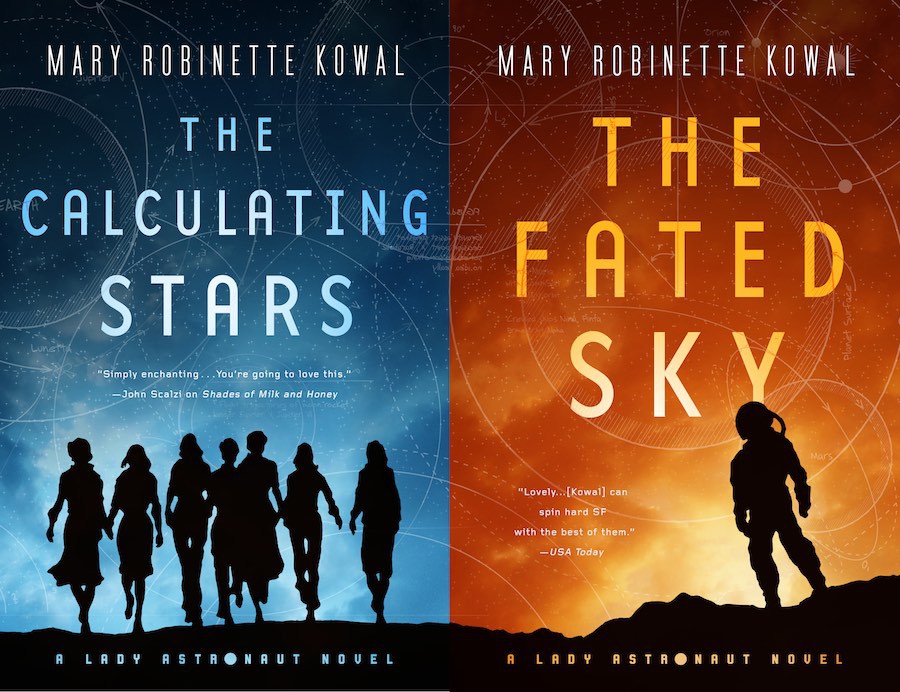
The Calculating Stars and The Fated Sky

Mary Robinette Kowal’s “The Lady Astronaut of Mars” won the Hugo Award for Best Novelette in 2014 (after some shenanigans that caused it to be weirdly disqualified in 2013). All that — not to mention her other accolades, including multiple Nebula nominations for her popular Glamourist Histories fantasy series — helped make it one of the most talked-about SF stories of the last decade. Read the complete text at Tor.com.

“The Lady Astronaut of Mars” is the tale of Elma York, who led the expedition that paved the way to life on Mars, and the impossible decision she faces when she’s given the opportunity to return to space years later. Mary returns to the world of “Lady Astronaut” with her debut science fiction novel The Calculating Stars, available tomorrow from Tor Books. Fast on its heels is the sequel The Fated Sky, shipping in August. Tor.com offered us the following teaser back in September.

The novels will be prequels, greatly expanding upon the world that was first revealed in “Lady Astronaut.” The first novel, The Calculating Stars will present one perspective of the prequel story, followed closely by the second novel The Fated Sky, which will present an opposite perspective — one tightly woven into the first novel. Kowal elaborates: “The first novel begins on March 3, 1952 about five minutes before a meteorite slams into the Chesapeake Bay and wipes out D.C. I’ve been doing historical fantasy and I keep saying that this is historical science fiction, even though I know full well that ‘alternate history’ is already a genre. It’s so much fun to play in.”

Omnivoracious selected The Calculating Stars as one of 15 Highly Anticipated SFF Reads for Summer 2018, and just today the B&N Sci-Fi and Fantasy Blog picked it as one of the Best Science Fiction & Fantasy Books of July

Read More Read More

Can a Trilogy Have Six Books? The Legends of the First Empire by Michael J. Sullivan

Can a Trilogy Have Six Books? The Legends of the First Empire by Michael J. Sullivan

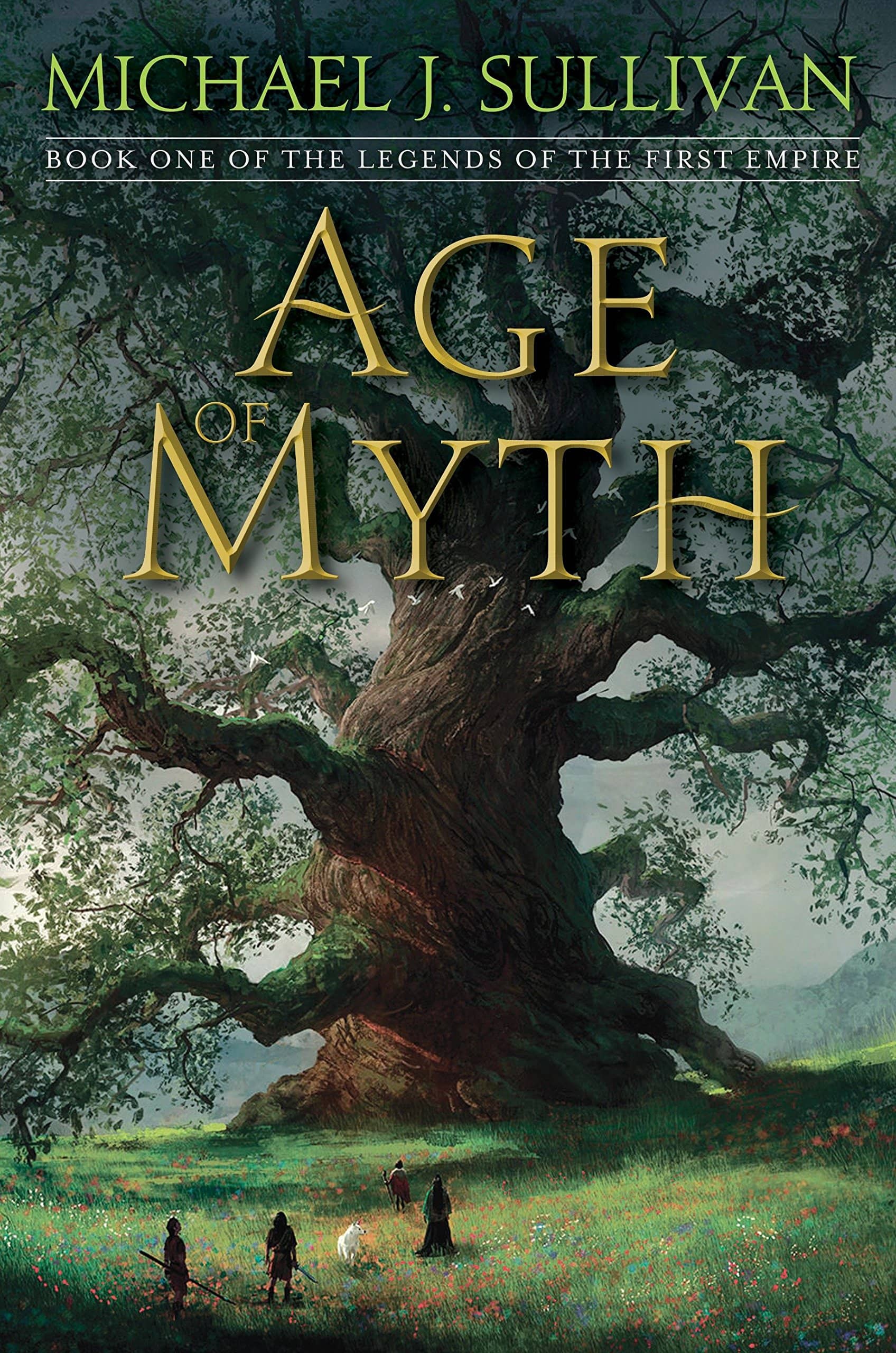
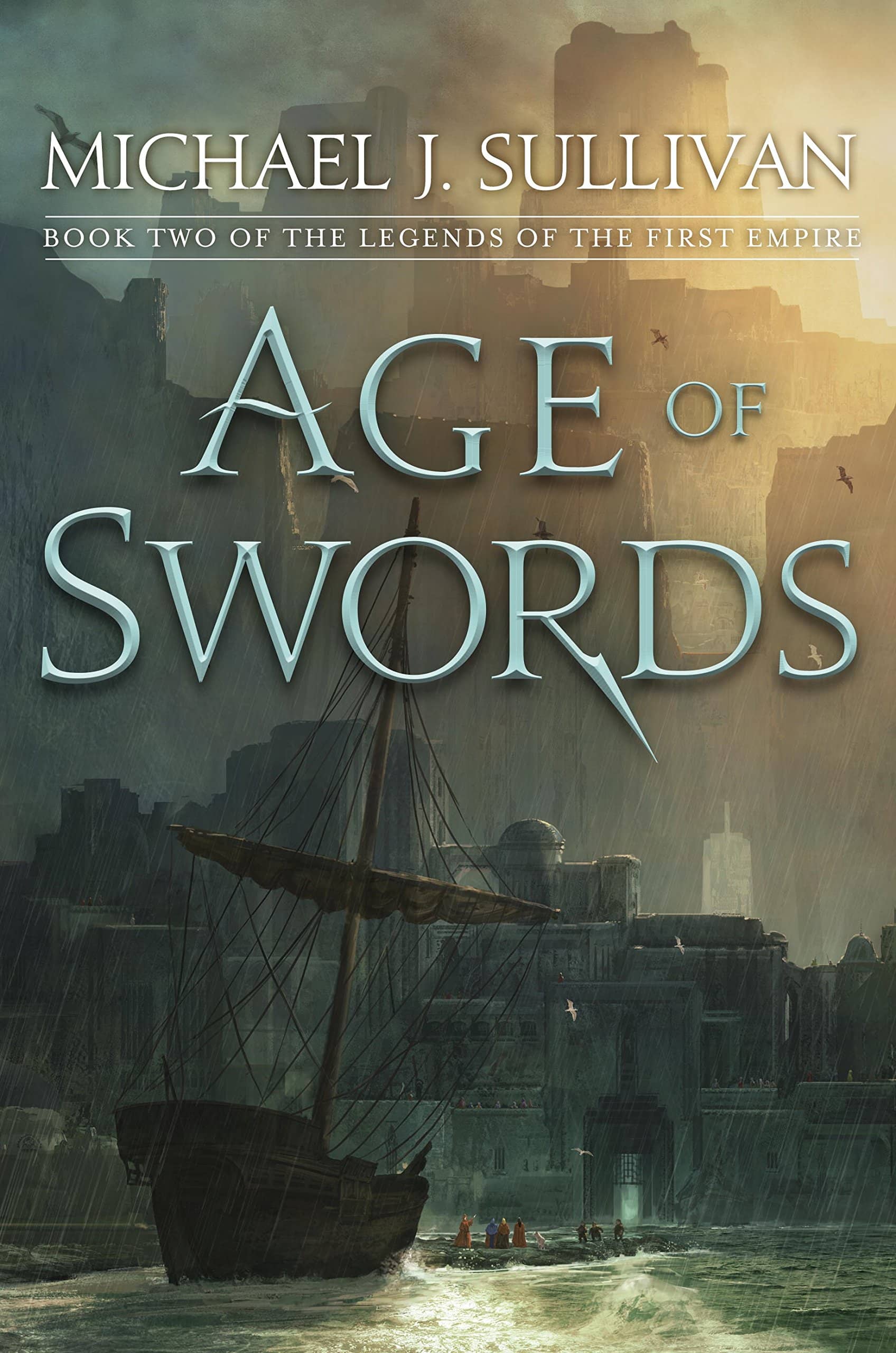
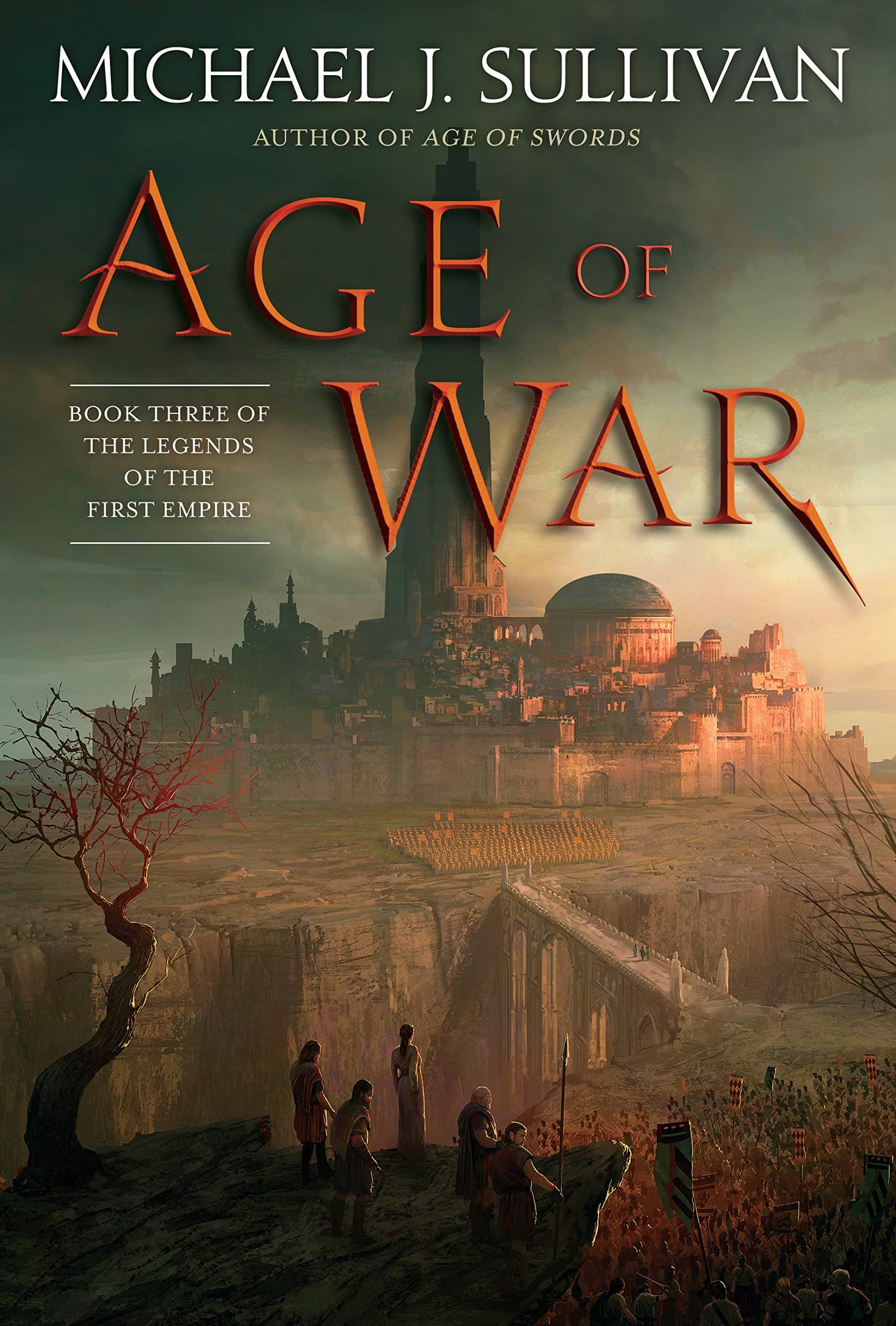
Age of Myth-small Age of Swords-small Age of War-small

Every time an author wraps up a trilogy, we bake a cake at the Black Gate rooftop headquarters.

Of course, this sometimes leads to anxiety. Is the series really wrapped up? Are there going to be more books? It’s not like the publisher slaps a sticker on the book saying Finito!, exactly. What if we bake a cake, and it turns out there’s four more books? Won’t we look stupid.

Ah, the hell with it. It’s cake! We’ll be forgiven. Probably. In that spirit, we were all dressed up to celebrate the arrival of Age of War, the third and (final? maybe?) book in Michael J. Sullivan’s The Legends of the First Empire series, when one of Goth Chick’s interns did some actual research (i.e. spent five minutes on Sullivan’s website). Turns out there’s a whopping six books planned for the series. Who knew?

Fortunately for those of us on staff who love cake (meaning, like, everybody), the first three books in the series will be the only ones published by Del Rey, so Age of War is an ending, of sorts. Good enough for us. Cake for everyone!

Read More Read More

Future Treasures: Empire of Silence by Christopher Ruocchio

Future Treasures: Empire of Silence by Christopher Ruocchio

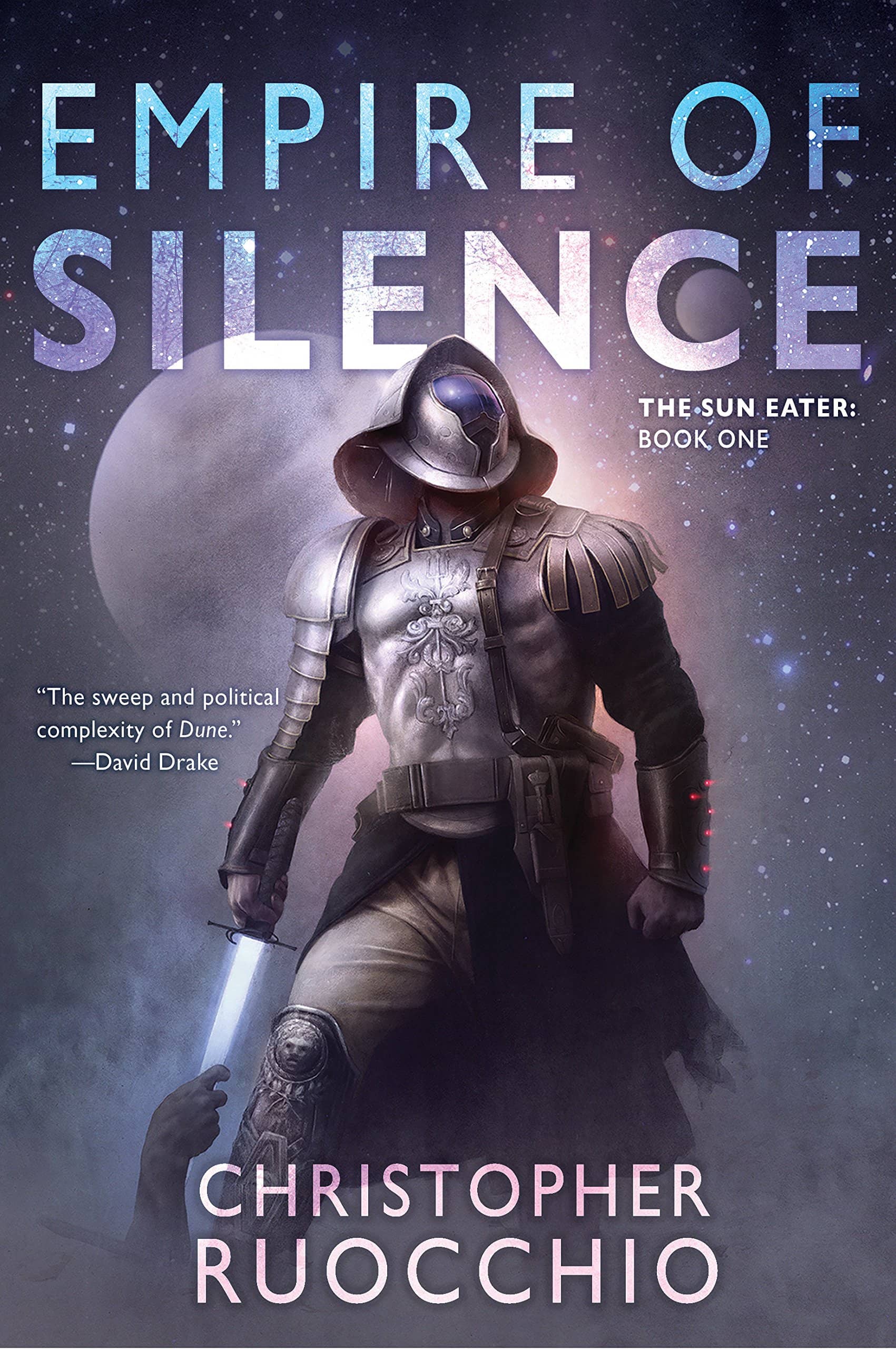
Empire of Silence-smallI’m definitely in the mood for an immersive, baroque space opera, with aliens, mystery, epic space battles, and even space gladiators. Wait, space gladiators?

Well, I’m not inclined to be picky right now so, sure, bring on the space gladiators. They’re a major part of Christopher Ruocchio’s debut novel Empire of Silence, the opening volume of The Sun Eater, which Eric Flint calls “epic-scale space opera in the tradition of Dune.” It arrives in hardcover from DAW next month.

Hadrian Marlowe, a man revered as a hero and despised as a murderer, chronicles his tale in th galaxy-spanning debut of the Sun Eater series, merging the best of space opera and epic fantasy.

It was not his war.

The galaxy remembers him as a hero: the man who burned every last alien Cielcin from the sky. They remember him as a monster: the devil who destroyed a sun, casually annihilating four billion human lives — even the Emperor himself — against Imperial orders.

But Hadrian was not a hero. He was not a monster. He was not even a soldier.

On the wrong planet, at the right time, for the best reasons, Hadrian Marlowe starts down a path that can only end in fire. He flees his father and a future as a torturer only to be left stranded on a strange, backwater world.

Forced to fight as a gladiator and navigate the intrigues of a foreign planetary court, Hadrian must fight a war he did not start, for an Empire he does not love, against an enemy he will never understand.

Christopher Ruocchio is the co-editor (with Tony Daniel) of the new Baen anthology Star Destroyers, and (with Hank Davis) the upcoming Space Pioneers.

Empire of Silence will be published by DAW Books on July 3, 2018. It is 624 pages, priced at $26 in hardcover and $12.99 for the digital edition. The cover is by Sam Weber, who also painted the cover to Medusa Uploaded and Ken Liu’s The Wall of Storms.
The End of an Era: The Year’s Best Science Fiction: Thirty-Fifth Annual Collection, edited by Gardner Dozois

The End of an Era: The Year’s Best Science Fiction: Thirty-Fifth Annual Collection, edited by Gardner Dozois

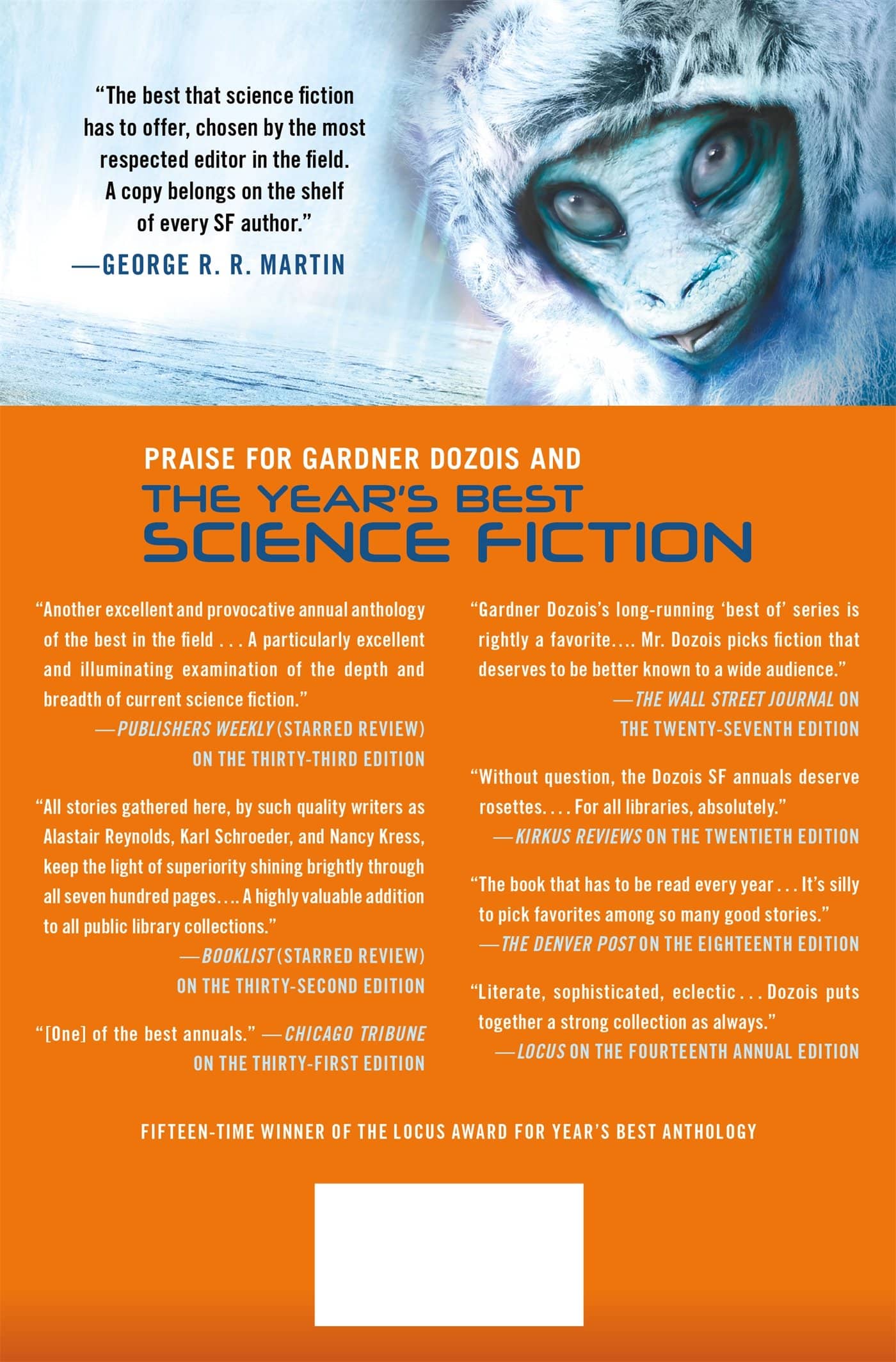
The Year’s Best Science Fiction Thirty-Fifth Annual Collection-small The Year’s Best Science Fiction Thirty-Fifth Annual Collection-back-small

We lost Gardner Dozois last month. It was a terrible blow to the field. I’ve seen plenty of somber discussion among fans about whether or not Gardner was the finest editor science fiction has ever seen, and there’s no doubt in my mind he’s in the running.

Gardner devoted his entire career to science fiction, and his accomplishments were extraordinary. He won the Hugo Award for Best Professional Editor 15 times during his 19-year tenure at Isaac Asimov’s Science Fiction Magazine. Nineteen years is an amazing run, but it’s barely half the 35 years he spent as editor of The Year’s Best Science Fiction, the de facto SF yearbook. I read the sixth volume in 1989 and I’ve looked forward to every one ever since.

The last volume will be published in less than two week, and its publication is bittersweet. It’s not the final book we’ll have from Gardner. His huge fantasy anthology The Book of Magic — with brand new stories by George R.R. Martin, John Crowley, Tim Powers, Scott Lynch, Eleanor Arnason, Garth Nix, Ysabeau Wilce, Liz Williams, Kate Elliott, and many others — is coming in October, and The Very Best of the Best: 35 Years of The Year’s Best Science Fiction is scheduled to be published in February. But the arrival of the final Dozois Year’s Best is very definitely the end of an era.

There will never be another editor like him. Cherish this book while you can.

Read More Read More