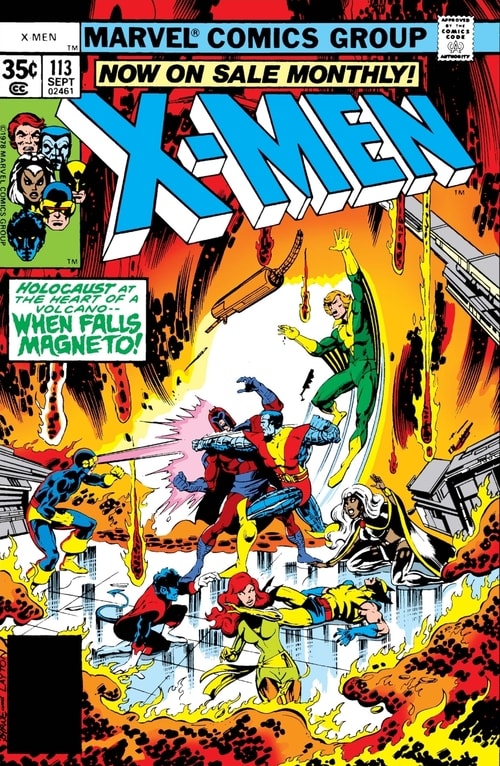
A First Look At The Sword of Cepheus for (cough) Travelers in Sword and Sorcery Realms

Art: Stephanie McAlea
I don’t like complexity in my tabletop-roleplaying games. It’s not just my age, I’m also more interested in the adventure than the stacking the of feats and traits. And, as a GM, frankly, the chaotic exploding synergies of games like Dungeons and Dragons make me feel panicky.
However, I don’t like it when glossing over resource management breaks genre conventions — if torches can’t run out, if food isn’t scarce, then players will turn each dungeon adventure into weaponized archaeology.
Unfortunately, I’m also — on reflection — unkeen on randomized emulations that take away the possibilities and drama created by choice: “Oh, you rolled a ‘1’. Whoops your arrows ran out.” (Some games square this circle a little.)
That’s why I was excited when Omer Golan-Joel announced he was working on a Sword and Sorcery game called (drum roll) Sword of Cepheus: 2D6 Sword and Sorcery Roleplaying.
The Cepheus Engine is the flagship for a movement of indy 2D6 games, all under an Open Gaming License related to a certain classic SF game. 2D6 games are generally old-school emulators, with encumbrances and resource management. However, unlike D20 OSR stuff, they have recursive rules — the clue is in the “2D6” — and skill lists rather than classes, meaning you don’t have lots of bolt-on background abilities and feats, because your skill list is your background and distinctive range of capabilities. Normally, character generation is a mini-game in itself. You navigate a career, with one eye on the possibility of aging badly — chicken versus the Grim Reaper — also generating your own backstory as you go. It’s not so good for big sweeping stuff, but perfect for adventurers having adventures.
 My final film of Fantasia 2020 promised to be weird, and therefore the perfect way to wind down the festival. It was a take on a particular sub-genre of science fiction film: the alien visitor walking among us. The Day The Earth Stood Still, The Man Who Fell to Earth, Starman, E.T., technically I suppose Superman — all stories about a lone extraterrestrial on Earth dealing with humans. It’s a story form that lends itself to reflection on what it means to be human. But just because a form points in a certain direction doesn’t mean every instance of that form will be concerned with grand themes.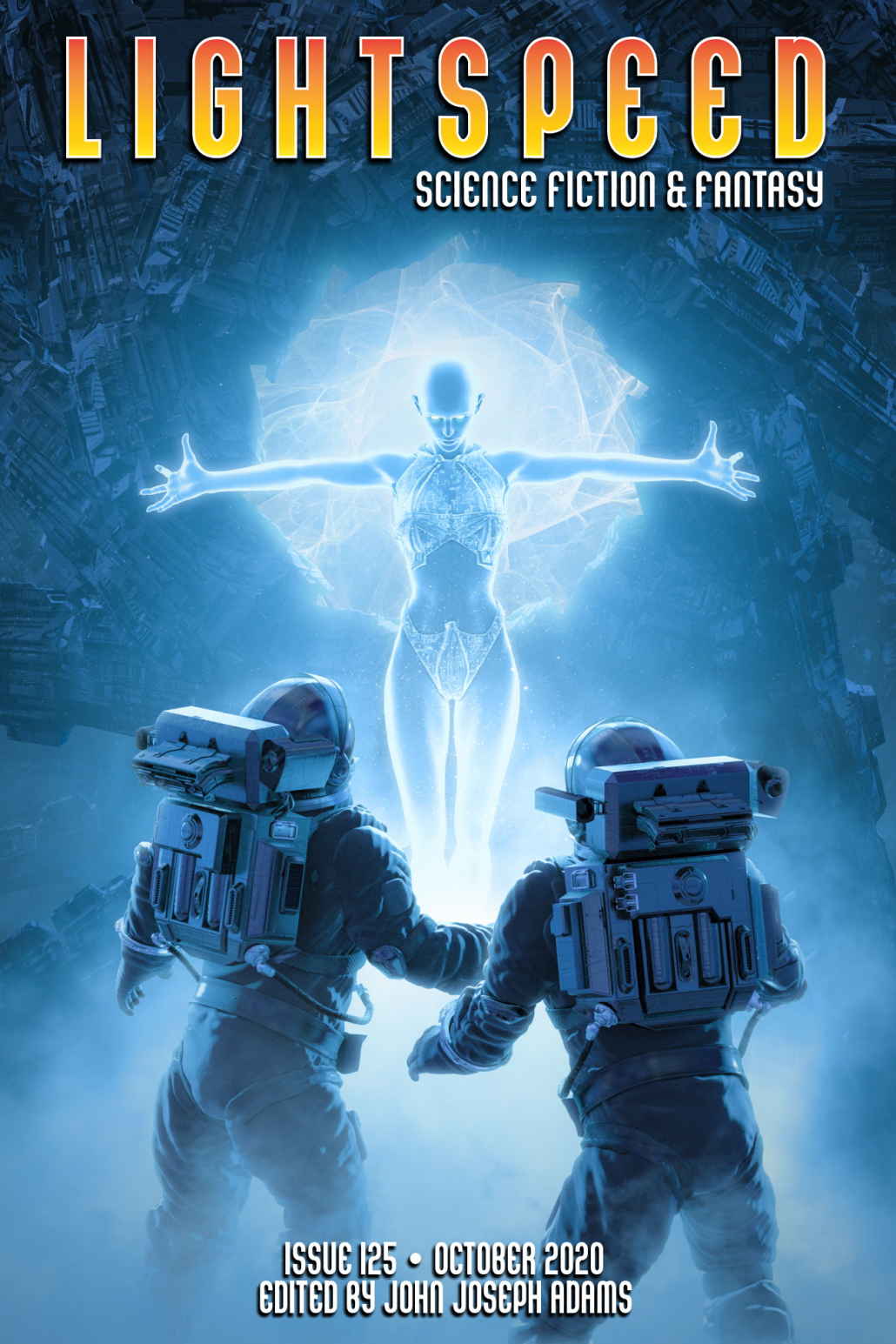
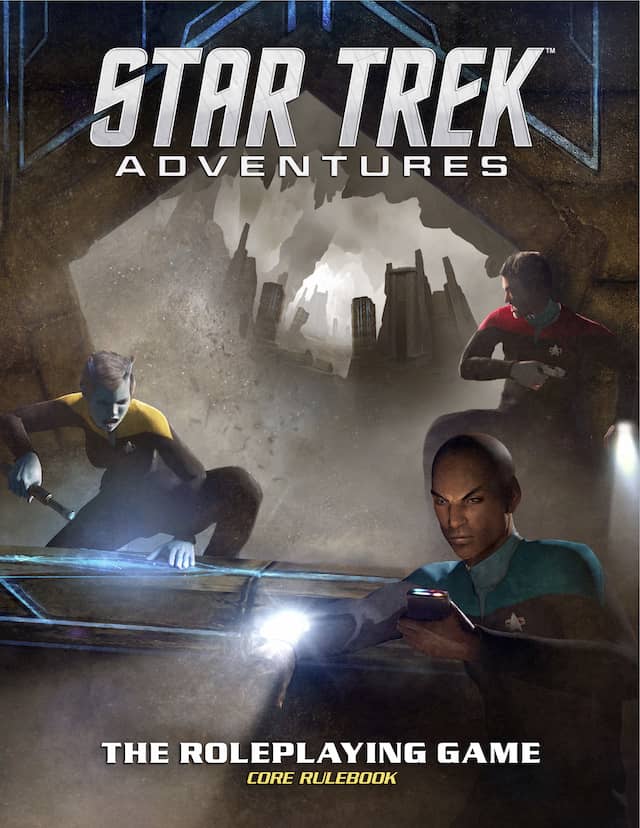
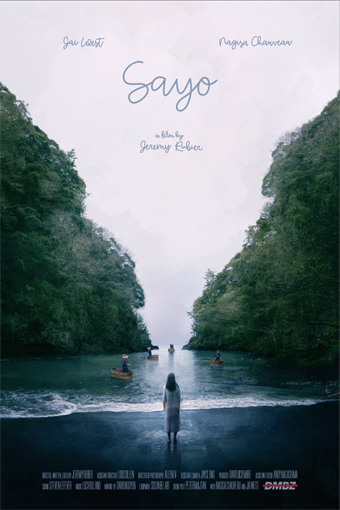 In covering a film festival, one does not always select the films one sees out of a pure love of cinema. Or even love of genre. Scheduling plays a part, and sometimes delivers to you an unexpected delight. Fantasia 2020 had fewer happy accidents of scheduling due to its all-virtual nature, but as the festival’s final day wound down I found myself with just under three hours until all the movies would go offline — meaning I had time for the film I’d wanted to watch, plus an hour or very slightly more. Glancing over the schedule I found a movie I’d considered looking at which was listed at 61 minutes, and decided I should give it a shot.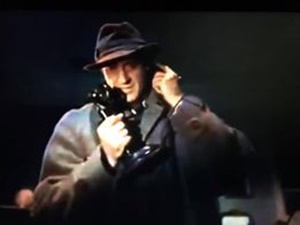
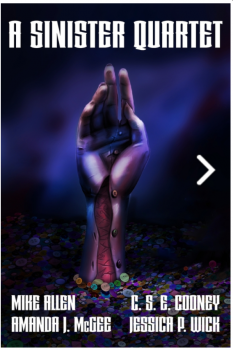 Ah, Horror in the time of Covid! It seems almost superfluous, like a feather boa on an ostrich.
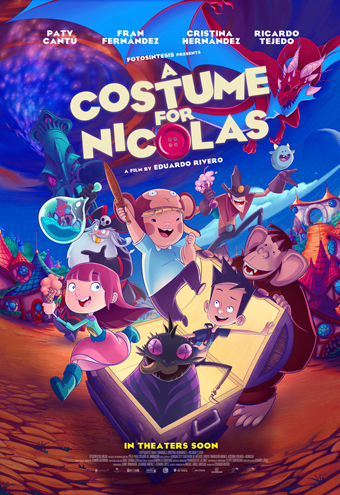 Critic Farah Mendlesohn introduced the term ‘portal fantasy’ in her 2008 book Rhetorics of Fantasy to describe stories in which a protagonist leaves their home and enters a new, larger, magical world. I’ve seen the term used often to refer to a specific subtype of these fantasies, in which a protagonist from conventional reality passes through a portal to a fictional realm and proceeds to quest about and have adventures. The rise of this more specific definition is not entirely surprising, given how common that kind of story is, perhaps especially with younger protagonists. Either sort of portal fantasy can present a character, confronted with a new and strange world, with an opportunity to grow and change. Or, instead, can be about reification of the character’s previous identity — a locking-in of who they are, after the success of a quest that aims to stop a bad change form occurring.