“As Good As it Gets:” B&N Explorations on John Fultz’s Seven Princes
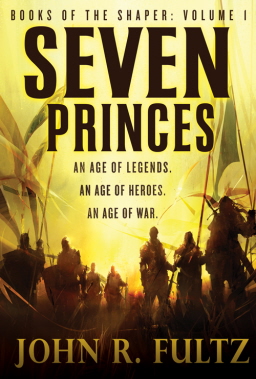 The accolades continue to come in for John Fultz’s debut novel Seven Princes, the first installment in the Books of the Shaper. Here’s Paul Goat Allen from Explorations, Barnes & Noble’s Science Fiction & Fantasy blog:
Set in a sprawling world saturated with dark magic and inhabited by giants, humans, and a vast array of fantastical creatures, the novel begins with the realm on the verge of war. An ancient sorcerer named Elhathym has returned and, after a necromantic bloodbath, has usurped the throne of Yaskatha… the singular brilliance of this novel – the reason it succeeds when so many others come across as formulaic – comes down to Fultz’s ability to tell a story so richly detailed, so emotionally powerful and soulful, that readers will become completely immersed in the narrative.
Fultz’s fluid, lyrical writing style and meticulous attention to detail make for a gloriously immersive read. Literally every single page is filled with some kind of vibrant description… It’s a wondrous read filled with countless jaw-dropping plot twists and I would hate to diminish anyone’s experience by revealing something inadvertently. And even though this is the first book in a trilogy, the conclusion is immensely satisfying and sets the stage for a grand-scale story that could rival the very best fantasy sagas on the shelves today.
The bottom line is this: Fultz’s debut novel is flawless – and timeless – epic fantasy. For fans of epic fantasy, Seven Princes is as good as it gets.
Read the complete piece here.
This is just the latest great coverage for Fultz — we summarized some of the other glowing reviews he’s received just a few weeks ago. You can read more about Seven Princes here, or sample excerpts from the highly acclaimed short stories he’s published in Black Gate, including “Oblivion Is the Sweetest Wine” (BG 12), “Return of the Quill” (BG 13), and “The Vintages of Dream” (BG 15).
Seven Princes is now on sale at better bookstores and virtual outlets around the country, and you can take advantage of our back issue sale to buy issues of Black Gate at a great discount in our online store.


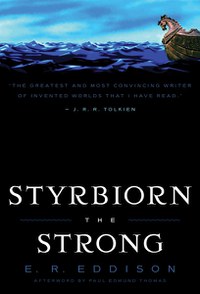 “There is but one way for a man, and that is to remember that none may avoid his fate. This is to a man as the due ballast to the ship, which maketh the vessel indeed loom somewhat deeper, but keepeth it from tossing too lightly upon the uncertain waters.”
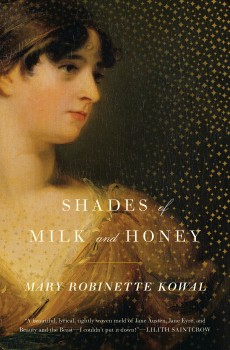 Shades of Milk and Honey
 The first time I saw
 The thing is, I love