Mary Shelley’s Frankenstein and the Power of Myth-Making
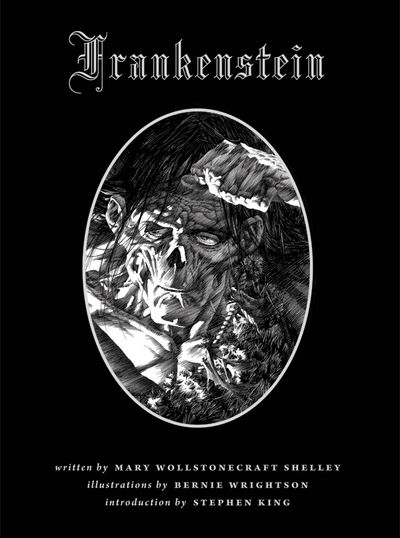 Mary Shelley’s Frankenstein: or, The Modern Prometheus is a remarkable work. The book had its origin as a ghost story concocted during a weekend gathering of the literati on Lake Geneva. It became the modern myth best reflecting the ethical and moral issues that arise when technology consistently outpaces its maker’s ability to reconcile progress with the established strictures of society. It remains a classic cautionary tale that has lost none of its relevance nearly 200 years since its publication. Despite this fact, it is an intensely personal story with strong autobiographical touches.
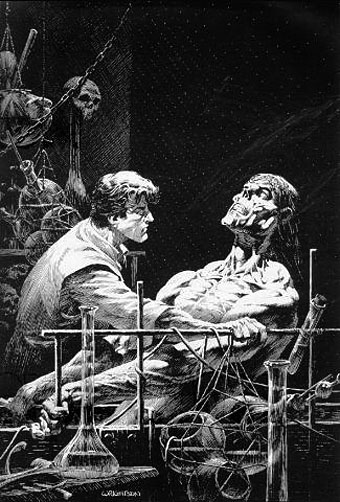 Mary Wollstonecraft Godwin was born in the late eighteenth century to outspoken liberal political theorist William Godwin and pioneering feminist Mary Wollstonecraft. Her mother died of complications giving birth to Mary. She grew up revering her parents’ work and was encouraged by it to ceaselessly question authority in any form. At age 16, Mary began an affair with one of her father’s most ardent followers, the poet Percy Bysshe Shelley who was five years her senior and married with small children.
Percy left his wife and family to travel the continent with Mary and her stepsister, Claire. He enjoyed affairs with both young women. Their unconventional living arrangement engendered much public outrage and ostracism wherever they went. Mary became pregnant with Percy’s child, but the little girl died shortly after birth. Mary’s father, who had criticized the institution of marriage in his writings, inexplicably turned his back on his unwed daughter for her licentious behavior.
 It’s the first of October and that means the countdown has started.
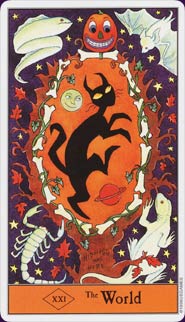
 October has come, my favorite time of the year. I have my special rituals during this season, such as reading classic weird tales (Algernon Blackwood and M. R. James are among my top picks for seasonal fun) and evenings watching Universal and Hammer Horror films.
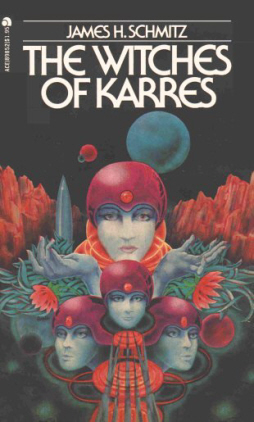 I decided to review The Witches of Karres mostly because I remember seeing some sequels, written by different authors, as James H. Schmitz died in 1981.
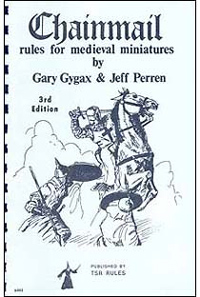 I’m an old TSR module fan, and as such I’ve always been intrigued by how the concept of such media came into existence. For the most part they fall in series, kind of like writers follow Tolkien with the concept of connected books and characters in a trilogy. It makes perfect sense, especially if you’re trying to create an extended campaign with a gaming group that meets on a regular basis. Series modules facilitate that, and recently I had the opportunity to chat with one of the original designers of a TSR foundation adventure path, the L Series ‘Lendore Isles.’
 In one of my first posts here, I mentioned that I was hoping to figure out what it is, exactly, that I like about fantasy fiction; what it is I get from fantasy that I get nowhere else.
 Hallo again, Ye Faithful Paladins of the Black Gate!