Browsed by
Category: Books

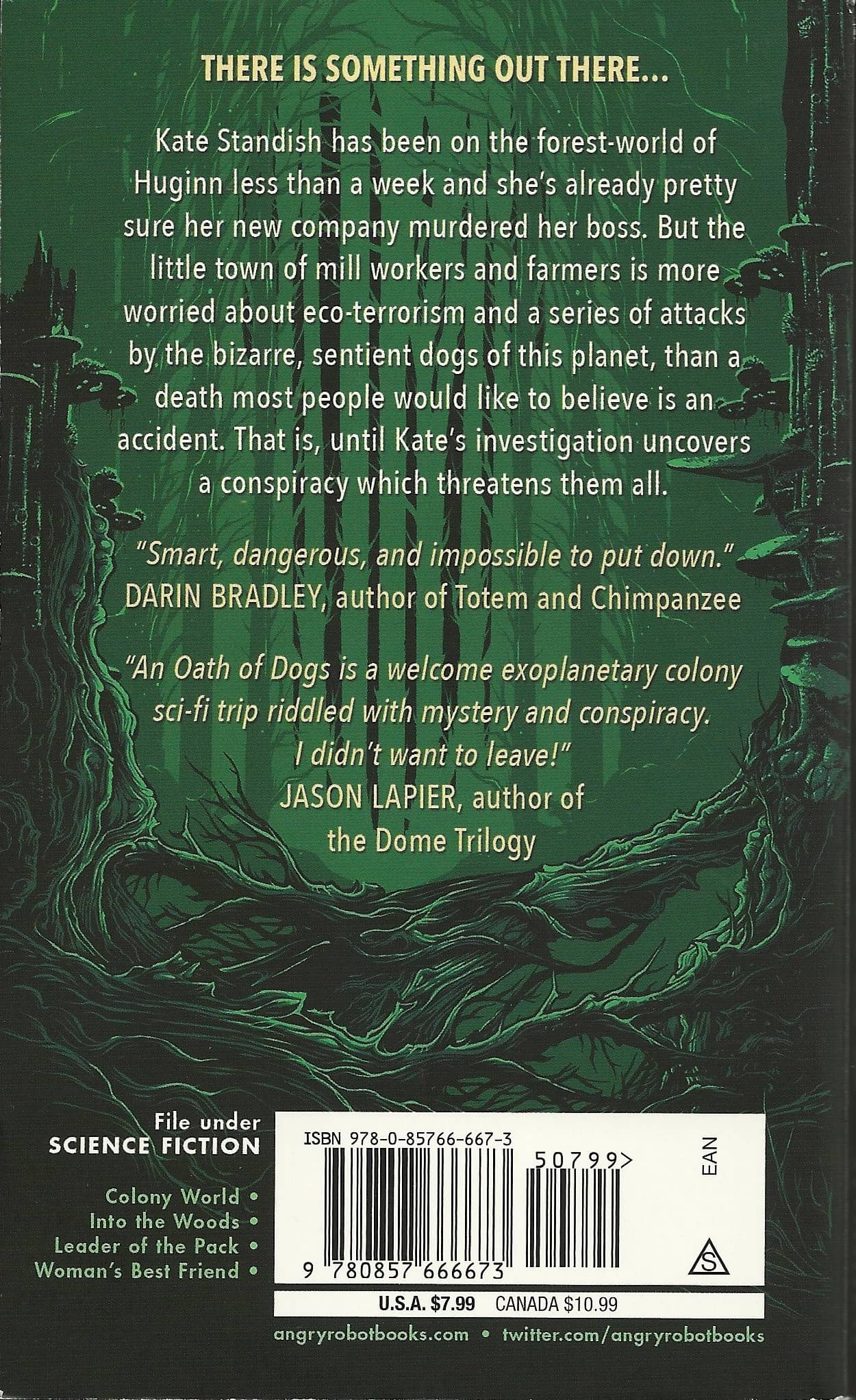
New Treasures: An Oath of Dogs by Wendy N. Wagner

New Treasures: An Oath of Dogs by Wendy N. Wagner

An Oath of Dogs-small An Oath of Dogs-back-small

Wendy N. Wagner is the Managing Editor for Lightspeed and Nightmare magazines, as well as an editor for the fabulous Destroy series of anthologies, including Women Destroy Science Fiction, Women Destroy Fantasy, and Queers Destroy Science Fiction. She’s had short stories in Nightmare and Fantasy Magazine, as well as the anthologies The Way of the Wizard, Armored, and Shattered Shields. She’s also published two Pathfinder novels, Skinwalkers and Starspawn, the latter of which has been described as “Pathfinder Meets Lovecraft.”

Her latest is something very different, an “exoplanetary colony sci-fi trip riddled with mystery and conspiracy” (Jason LaPier). It’s the tale of Kate Stadish, an investigator on an alien world of strange sentient dogs, mill towns… and murder. Ferrett Steinmetz (author of the ‘Mancer series, which we covered here), says “An Oath of Dogs nails the rough-hewn feel of a frontier town, then mixes it up with intergalactic corporate intrigue and alien biology. It’s like Lake Wobegon mashed up with a Michael Crichton thriller.”

An Oath of Dogs was published by Angry Robot on July 4, 2017. It is 430 pages, priced at $7.99 in paperback and $6.99 for the digital edition. The cover is by Joey HiFi. Read Chapter One at Wagner’s website.

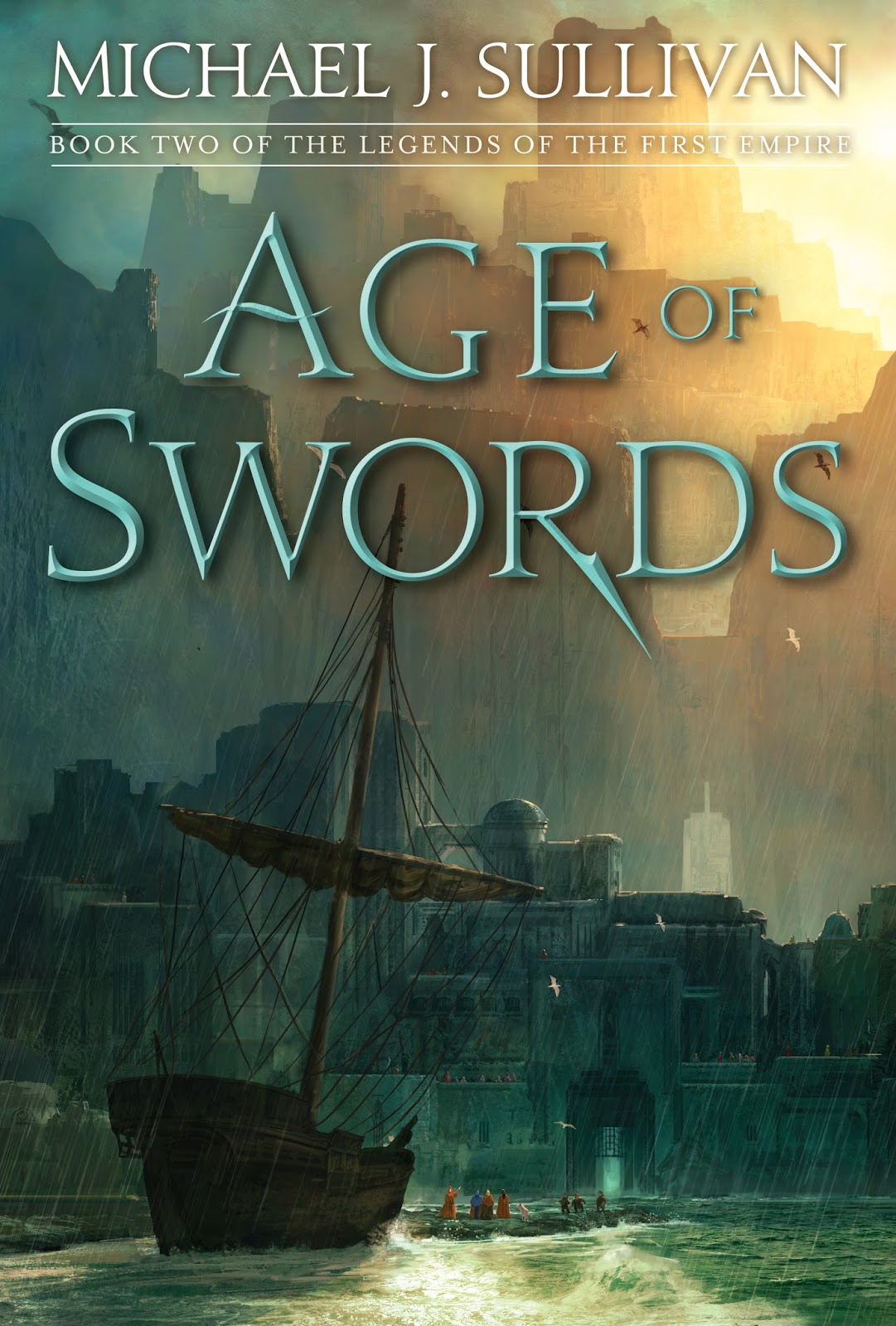
John DeNardo on Your Best Bets for Science Fiction, Fantasy and Horror in July

John DeNardo on Your Best Bets for Science Fiction, Fantasy and Horror in July

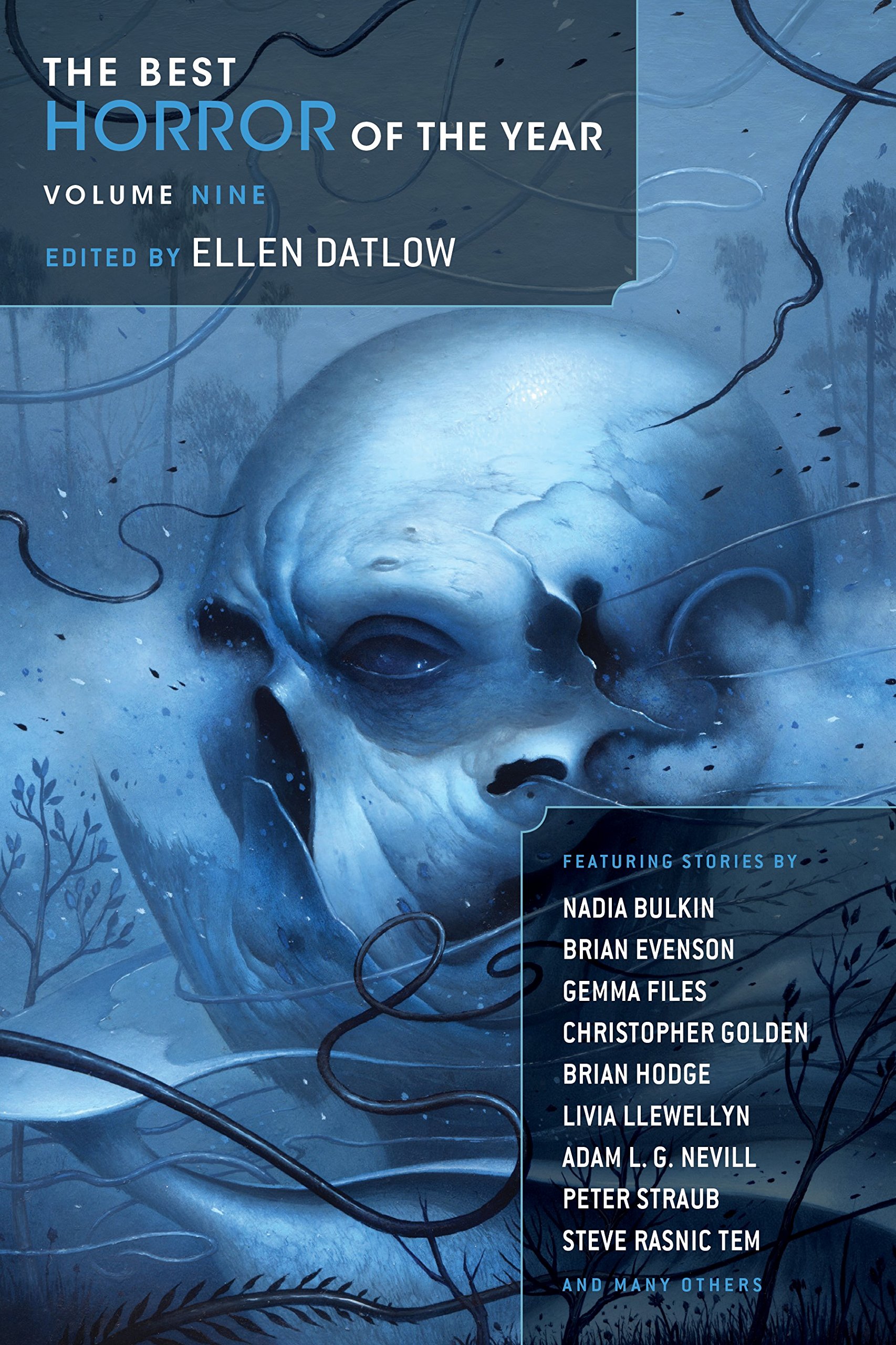
The Art of Starving Sam J Miller-small Age of Swords Michael J. Sullivan-small The Best Horror of the Year Volume Nine-small

As regular readers know, I enjoy John DeNardo’s survey pieces on the best new books every month over at Kirkus Reviews. For July, he’s assembled what could well be the best batch of new releases so far this year. Here’s John.

Summer reading season is in full swing, and if you’d like to join the beach party, there’s plenty of entertainment to be found in the pages of science fiction, fantasy, and horror books. July’s cream of the crop includes stories about a robot hitman, a dark and previously unseen perspective on Peter Pan, a woman with supernatural abilities who goes up against Nazis, aliens in New York, flying shapeshifters, and more short stories than you can shake a stick at.

The list this month includes new books by Nancy Kress, Kay Kenyon, Carrie Vaughn, Martha Wells, Charles Stross, Naomi Kritzer, Christopher Rowe, Margaret St. Clair, William Browning Spencer, Adam Christopher, and many more. Here’s a few of the highlights.

Read More Read More

Mysterion 2

Mysterion 2

MysterionLast year, my wife and I published an anthology entitled Mysterion: Rediscovering the Mysteries of the Christian Faith. We have been working on this project for over a year: reading submissions and selecting the stories, editing for content, copy editing, layout, cover design, printing, and selling. It was, as you can imagine, a lot of work. I wrote about some of the process here at Back Gate: calling for submissions, using math on submissions, and presenting the table of contents.

After all that, we were very happy with the result. We felt that we had achieved our goal of publishing stories that dealt with the Christian faith in an authentic way, stories which don’t fit comfortably into either religious or mainstream markets, which ask hard questions and refuse to settle for easy answers. In other words, stories that explored the mysteries of the faith.

We got a few nice reviews as well, at Fantastic Stories of the Imagination, Cemetery Dance, and Tangent Online.

So now that we’ve had a chance to rest up, would we do it again?

Well, if you read the title of this post, you can probably guess the answer.

Read More Read More

Classic SF from One of the Twentieth Century’s Great Masters: The Best of John W. Campbell

Classic SF from One of the Twentieth Century’s Great Masters: The Best of John W. Campbell

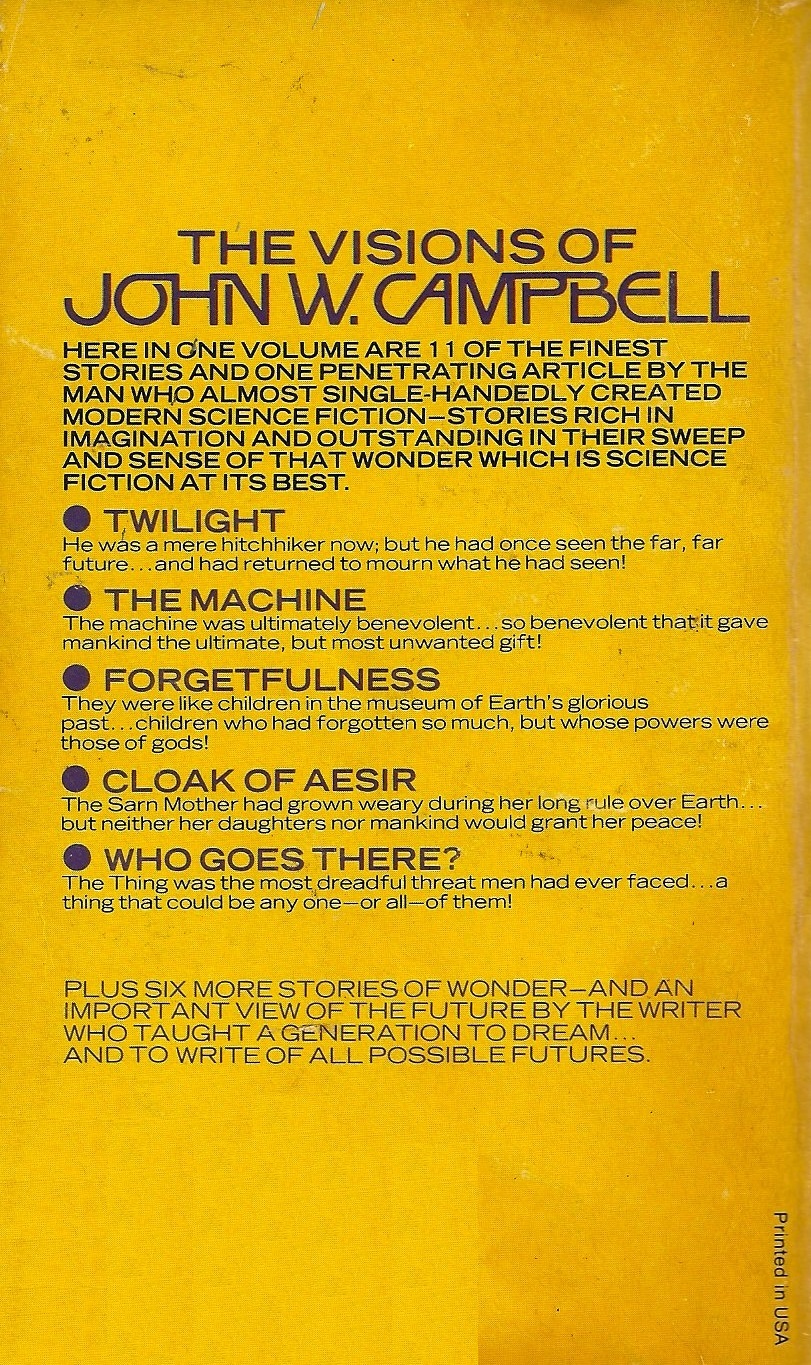
The-Best-of-John-W-Campbell-mid The-Best-of-John-W-Campbell-back-small

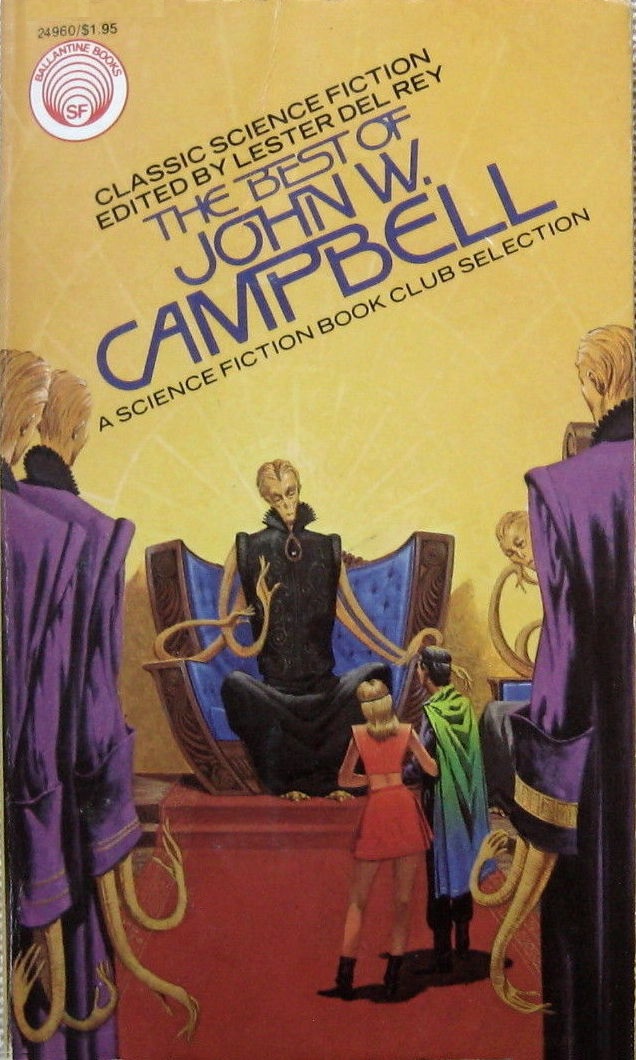
The Best of John W. Campbell (1976) was the seventh installment in Del Rey’s Classic Science Fiction Series. Lester Del Rey (1915–1993) is again the editor; he also provides the introduction. H. R. Van Dongen (1920–2010) did the attractive cover art, and it seems in line with the artistic feel set by Dean Ellis, Darrell Sweet, and The Brothers Hildebrandt on the previous volumes. For those books, unless the author was deceased, the afterword was usually written by the author being celebrated. Since Campbell had passed a few years before this publication, his widow (also now deceased) provided an interesting afterword.

John W. Campbell (1910–1971) was more than just one of the greatest science fiction writers of the twentieth century. Probably more importantly, as editor of Astounding Science Fiction (later renamed Analog) from 1937 until his death, he is generally credited with being the primary shaper of the Golden Age of science fiction. He tutored such giants in the field as A. E. van Vogt, Theodore Sturgeon, and the great Robert A. Heinlein. And everyone from Isaac Asimov to Robert Silverberg credited him with being a major influence on their writing.

As I’ve said before, I’m not generally a big fan of science fiction; I tend to lean more towards horror and fantasy. And thus I know I tend to caricature classic sci-fi as being sometimes tedious and outmoded. But as with some previous writers in Del Rey’s Classic Science Fiction Series, I continue to be pleasantly surprised by some of these Golden Age (and later) science fiction writers. Since we’ve covered this volume once before (back in 2013), this time, rather than simply giving an overview of selected stories, I will primarily focus on some recurring themes and give some overall thoughts.

Read More Read More

If Batman Were a Teenager and Magically Talented: The Maradaine Novels by Marshall Ryan Maresca

If Batman Were a Teenager and Magically Talented: The Maradaine Novels by Marshall Ryan Maresca

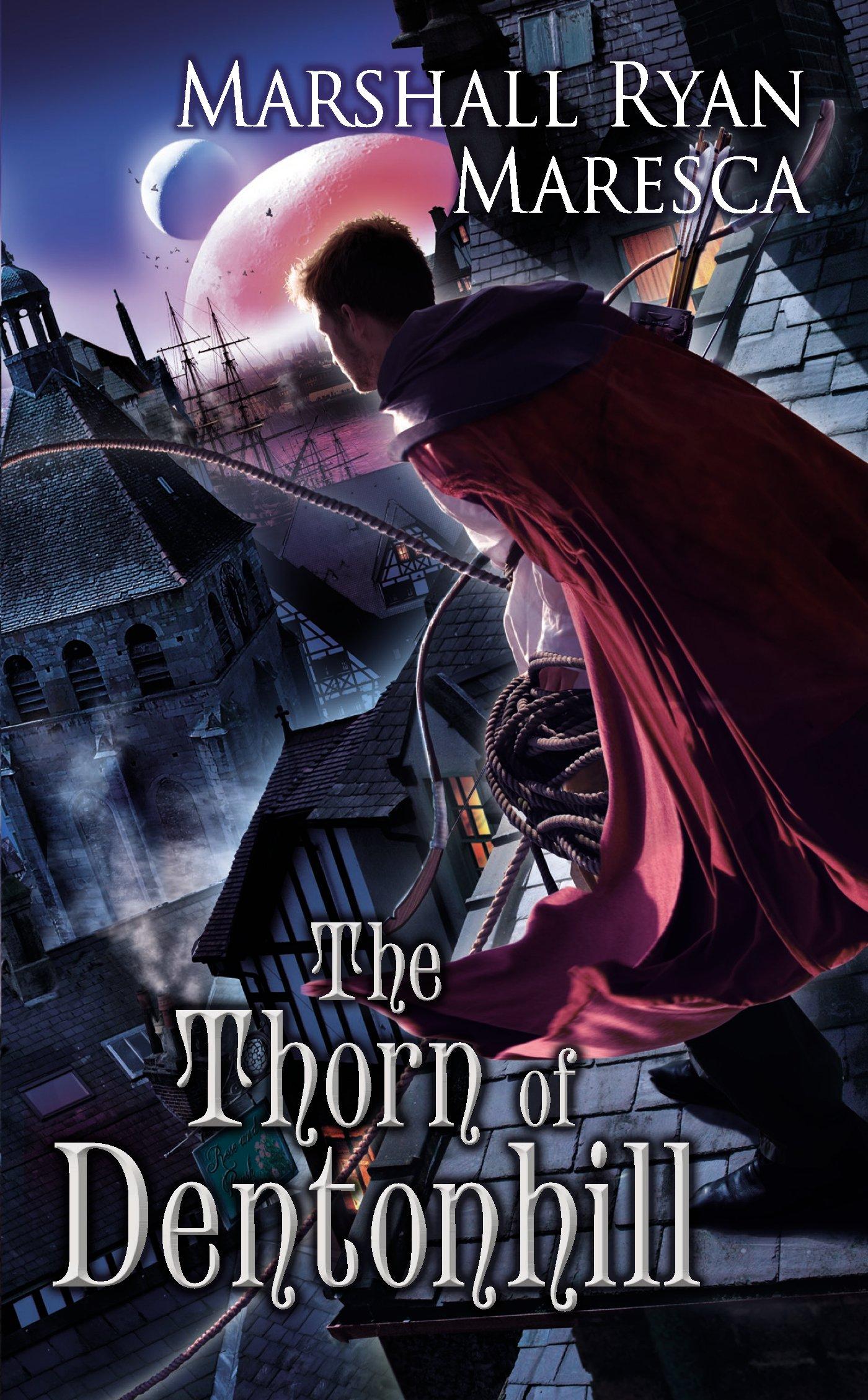
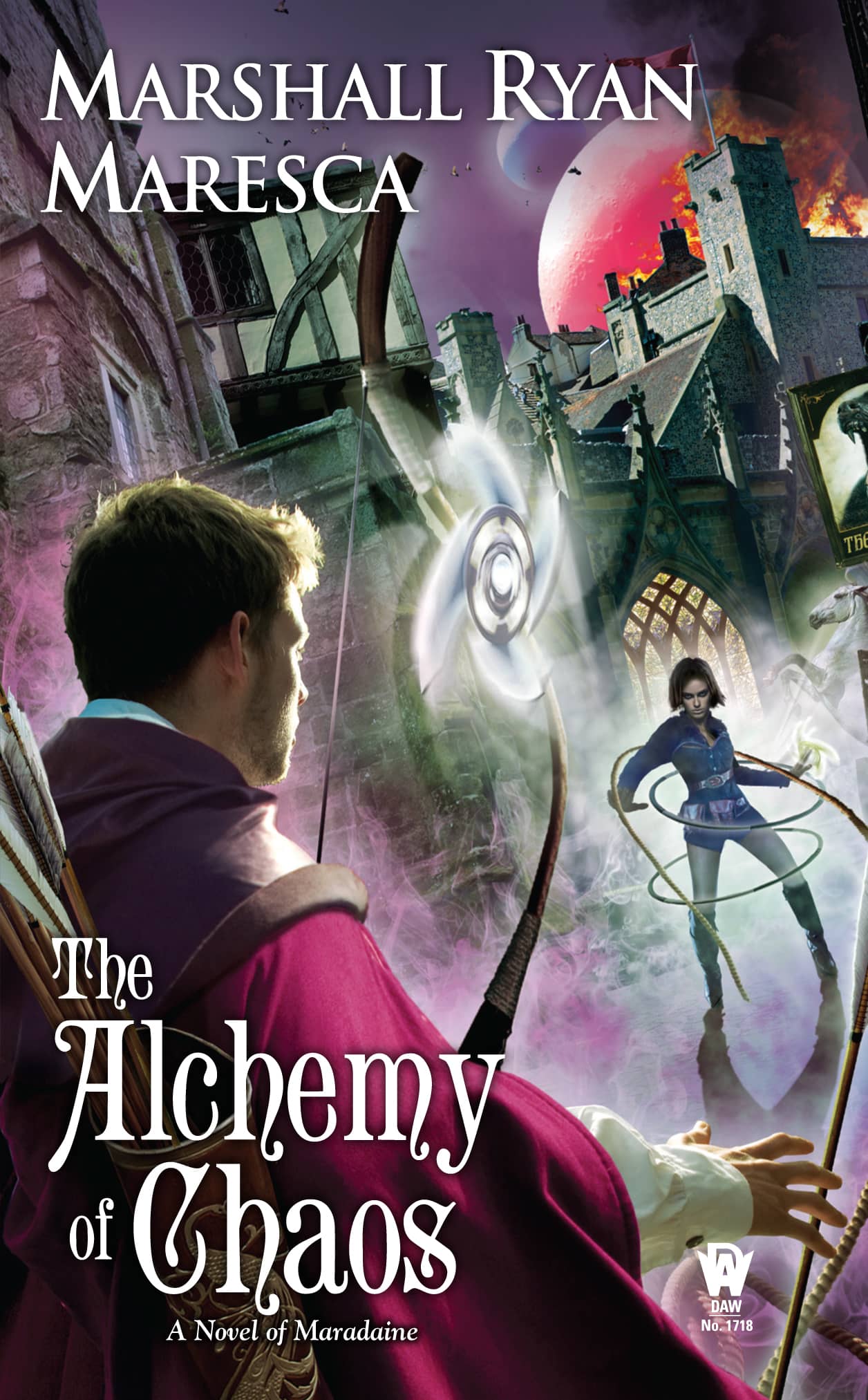
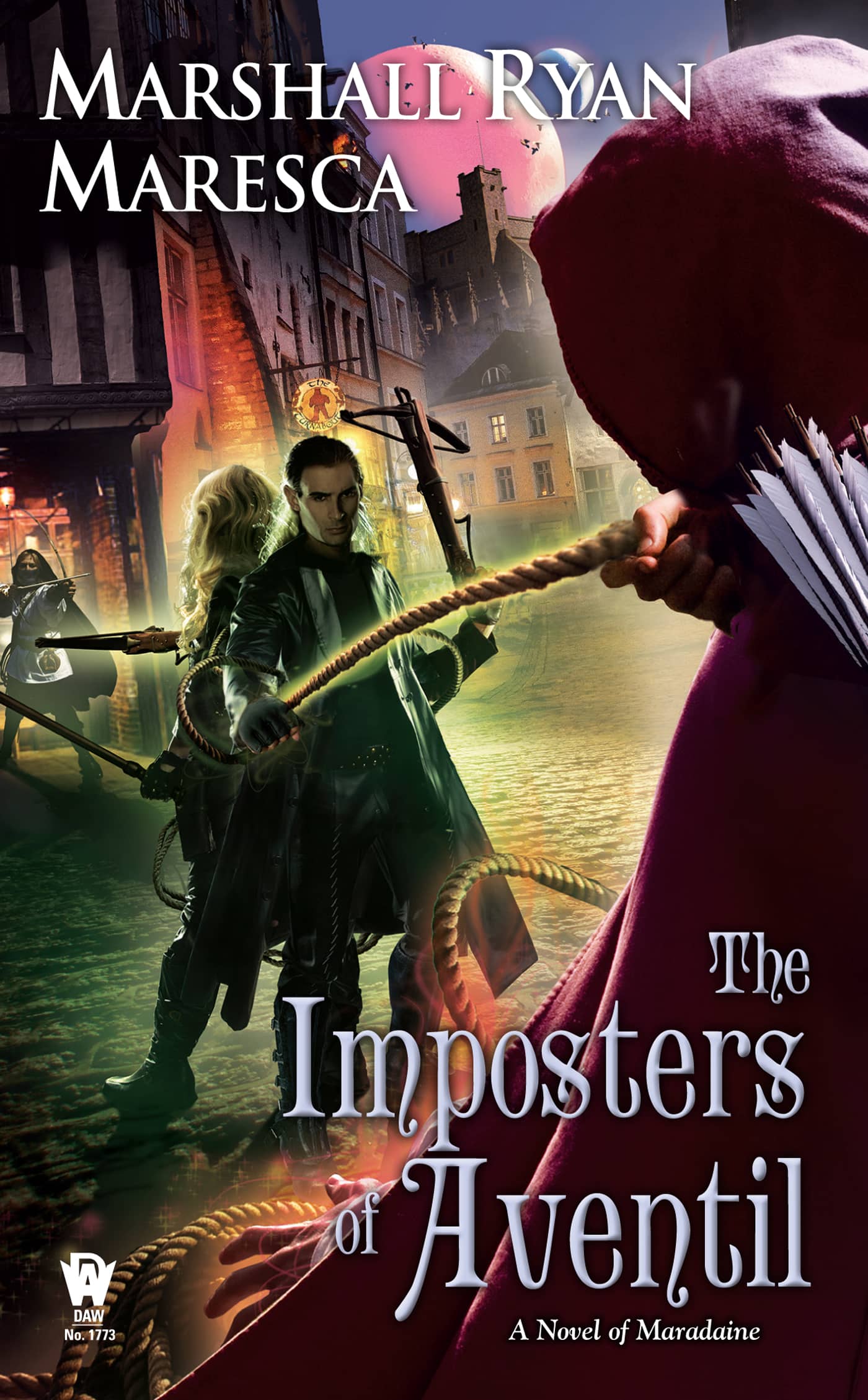
The-Thorn-of-Dentonhill-mid The-Alchemy-of-Chaos-small The Imposters of Aventil-small
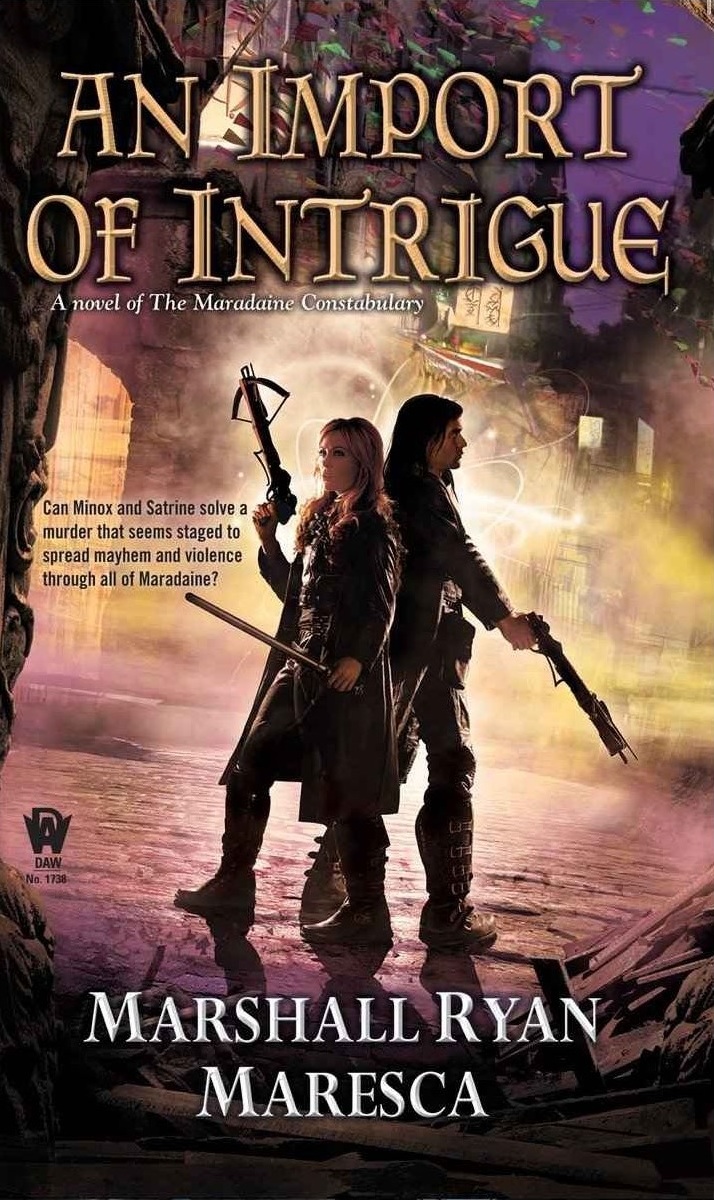
A Murder of Mages-small An Import of Intrigue-small The Holver Alley Crew-small

The Thorn of Dentonhill was Marshall Ryan Maresca’s debut novel. It followed the adventures of Veranix Calbert, diligent college student by day and crime-fighting vigilante by night, in the crime-ridden districts of the port city of Maradaine. It was nominated for the Compton Crook award, but it was the Library Journal‘s pithy review (“Veranix is Batman, if Batman were a teenager and magically talented”) that really piqued my interest.

I featured the sequel, The Alchemy of Chaos, as a Future Treasure in December 2015, and last week I checked online to see if there was news of any new volumes. There are indeed… in the last two years Maresca has produced no less than five novels set in the world of Maradaine, and there’s two more in the pipeline. His Maradaine series has fast become one of the most popular and interesting urban fantasies on the market, and Maresca has responded splendidly to the demands of his fast-growing readership for more. Here’s a quick recap of the series.

Read More Read More

New Treasures: Sisters of Tomorrow: The First Women of Science Fiction, edited by Lisa Yaszek and Patrick B. Sharp

New Treasures: Sisters of Tomorrow: The First Women of Science Fiction, edited by Lisa Yaszek and Patrick B. Sharp

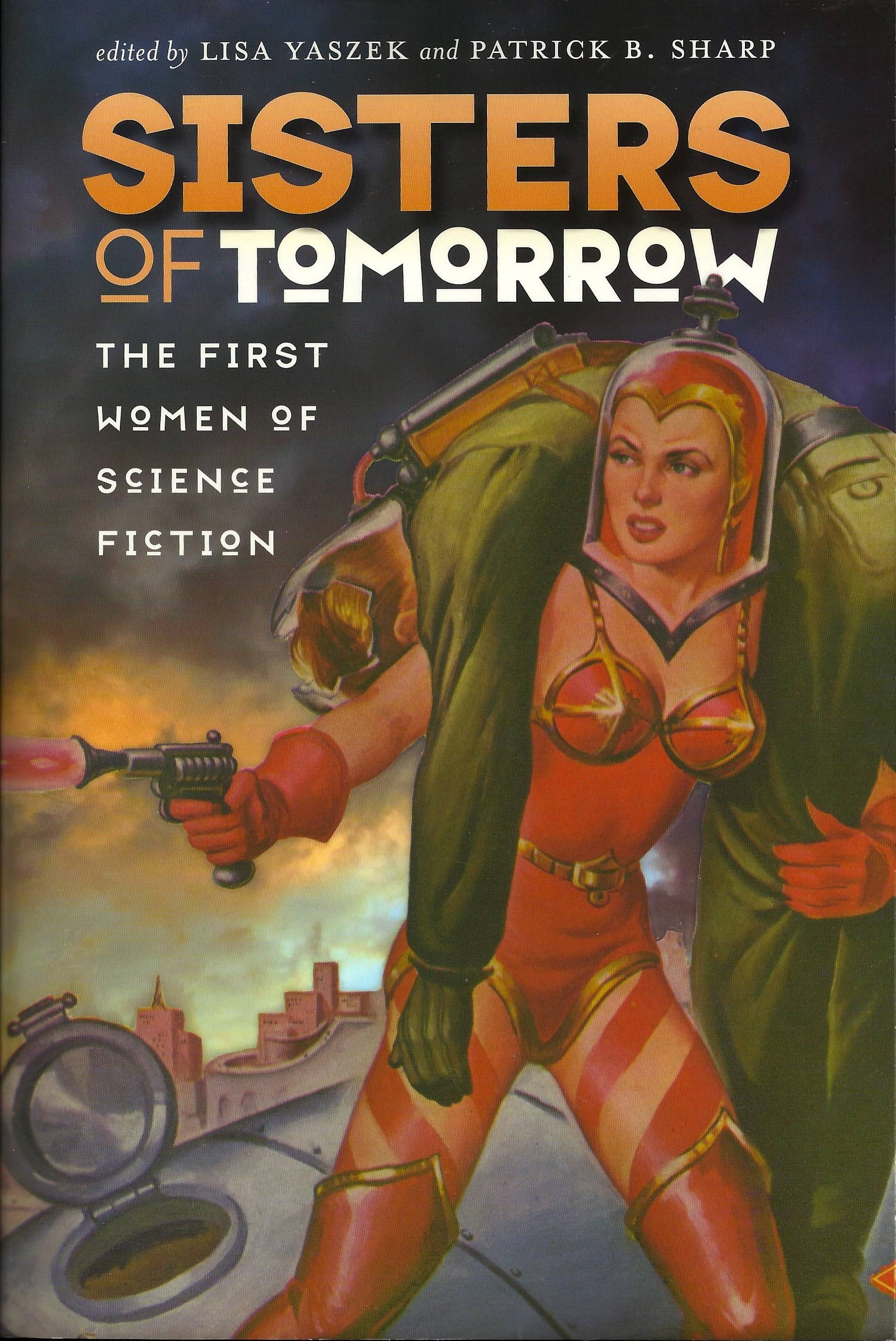
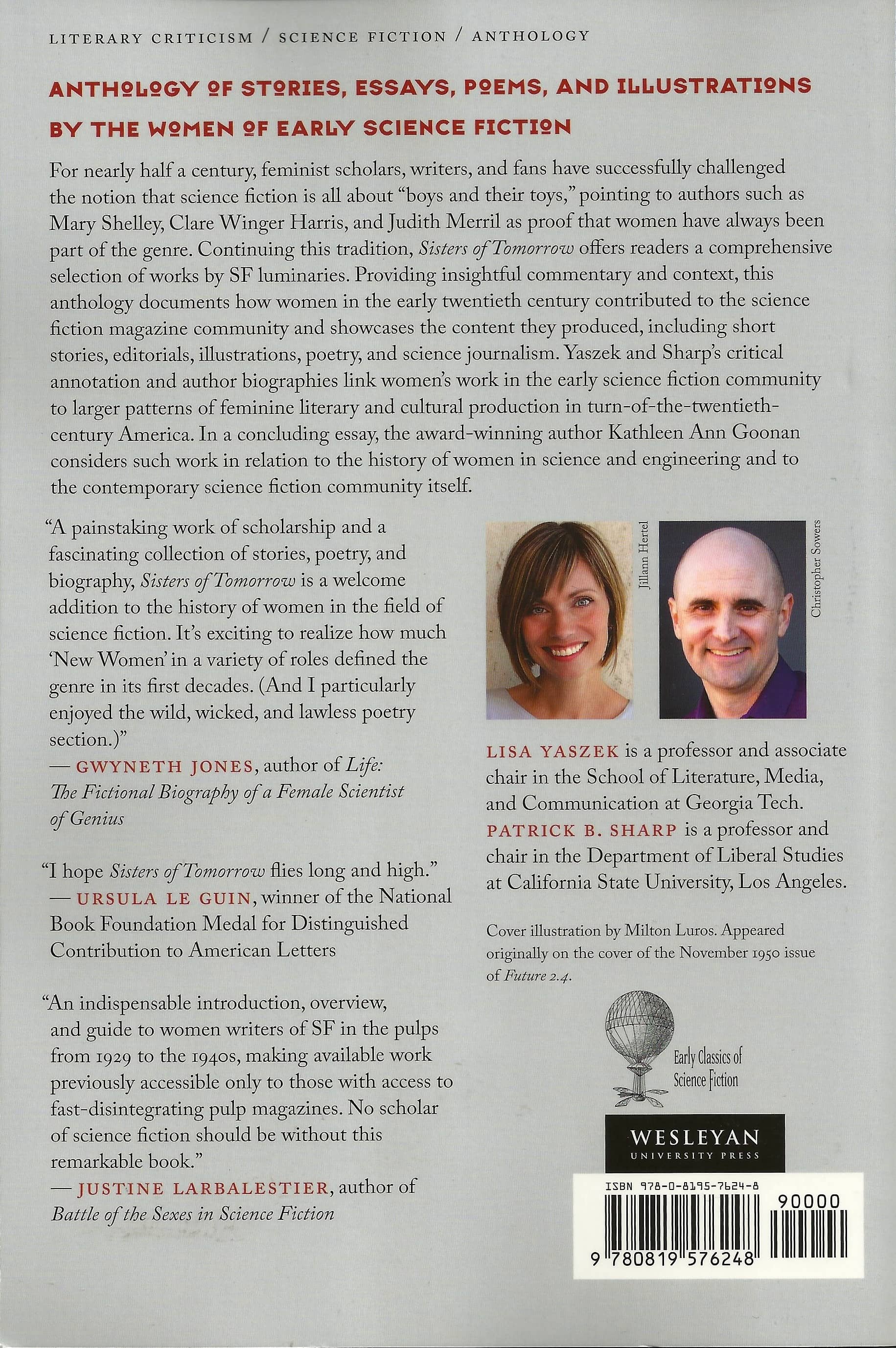
Sisters of Tomorrow-small Sisters of Tomorrow-back-small

While I was at Wiscon in May, I didn’t just attend readings (although it probably seemed like it). I also hung out in the Dealer’s Room, where I bought a whole bunch of vintage paperbacks, most of which remain unpacked on the floor of my library. With luck, I can steal some time this weekend to photograph them for upcoming Vintage Treasures columns.

I haven’t unpacked them because all the time I would normally be spending with them, I’ve been spending instead with a fabulous anthology I bought from Greg Ketter: Sisters of Tomorrow: The First Women of Science Fiction. It’s packaged as a scholarly tome (and is even published by Wesleyan University Press), but don’t be fooled — this is a top-notch collection of pulp-era SF by women, which also doubles as a very compelling argument that “women have always been part of the genre” (to quote the back cover copy.) One of the great things about this volume — in addition to the fabulous (and rarely reprinted) pulp tales by Clare Winger Harris, Leslie F. Stone, C. L. Moore, and others — is that it also includes poetry, articles by women, editorials, and even a gorgeous selection of pulp covers in color.

Read More Read More

Disasterville U.S.A. :The Shockwave Rider by John Brunner

Disasterville U.S.A. :The Shockwave Rider by John Brunner

If there is such a phenomenon as absolute evil, it consists in treating another human being as a thing.

Nick Halflinger in The Shockwave Rider


oie_1023133dHcFYNm5Cyberpunk appeared as a description of a sub-genre in the early eighties. The word first appeared in print in 1983 as the title of a story by Bruce Bethke and it was quickly adopted to cover the works of near-future science fiction by William Gibson, Bruce Sterling, Pat Cadigan, and others. The general connection between books like Gibson’s Neuromancer (1984) and Neal Stephenson’s Snowcrash (1992) was the depiction of high technology mixed into a crumbling, corrupt society.

Cyberpunk as a named thing might date to only 1983 or so, but as a movement in science fiction its roots are deeper. For years prior to the appearance of Neuromancer, usually thought of as the first cyberpunk novel, sci-fi authors had been writing about the dangerous effects — on society and individuals — of computers, communications, cybernetics, and related fields. In the UK, J.G.Ballard, and in the US, Philip K. Dick, laid a lot of the groundwork for the genre in books featuring rebels, man-machine interfaces, often lots of psychoactive drugs, and a general dystopian atmosphere. It’s little wonder that Dick’s 1968 novel, Do Androids Dream of Electric Sheep?, should become the basis for the film Blade Runner, easily one of the first cyberpunk movies.

English author John Brunner (discussed at great length here at Black Gate) started his writing career creating fairly standard space opera. In the mid-sixties he began writing stories in more contemporary settings, such as the 1965 novel, The Squares of the City. In it, a traffic engineer is hired to work in the newly-built capital of a South American nation (echoes of Brasilia). While there he becomes a piece, quite literally, in game of chess being played between two of the country’s power brokers.

This move to contemporary and near-future sci-fi culminated in the appearance of Stand on Zanzibar in 1968. Its portrayal of a wildly over-populated Earth, conveyed in the snapshot style of Dos Passos’ USA Trilogy, won Brunner the Hugo award for best novel. It also marks the start of what’s been called his Catastrophe Quartet.

Read More Read More

B&N Sci-Fi & Fantasy Blog on the Best Science Fiction & Fantasy Books of 2017 So Far

B&N Sci-Fi & Fantasy Blog on the Best Science Fiction & Fantasy Books of 2017 So Far

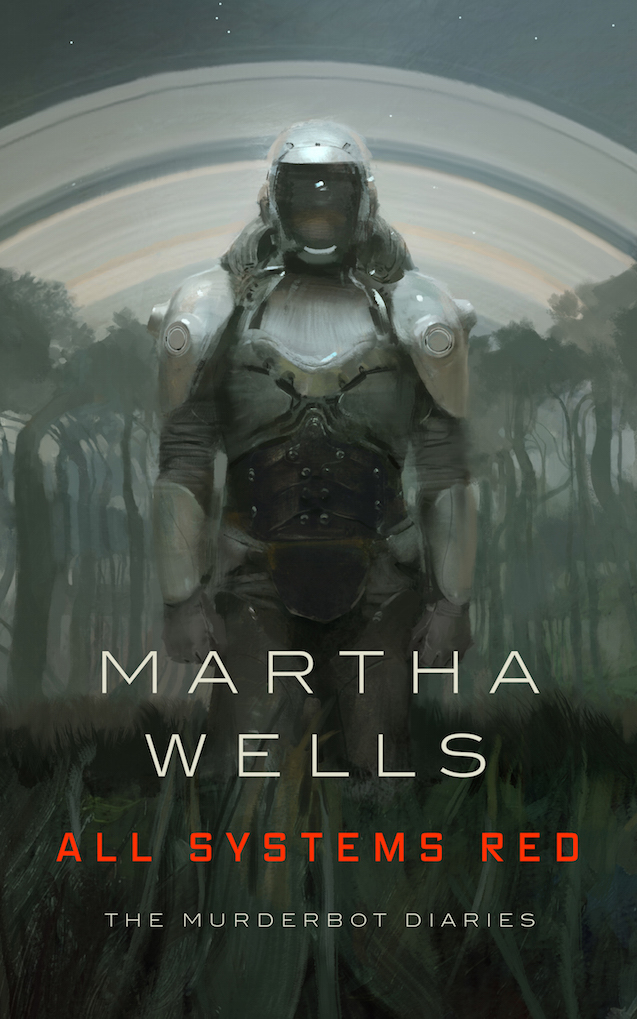
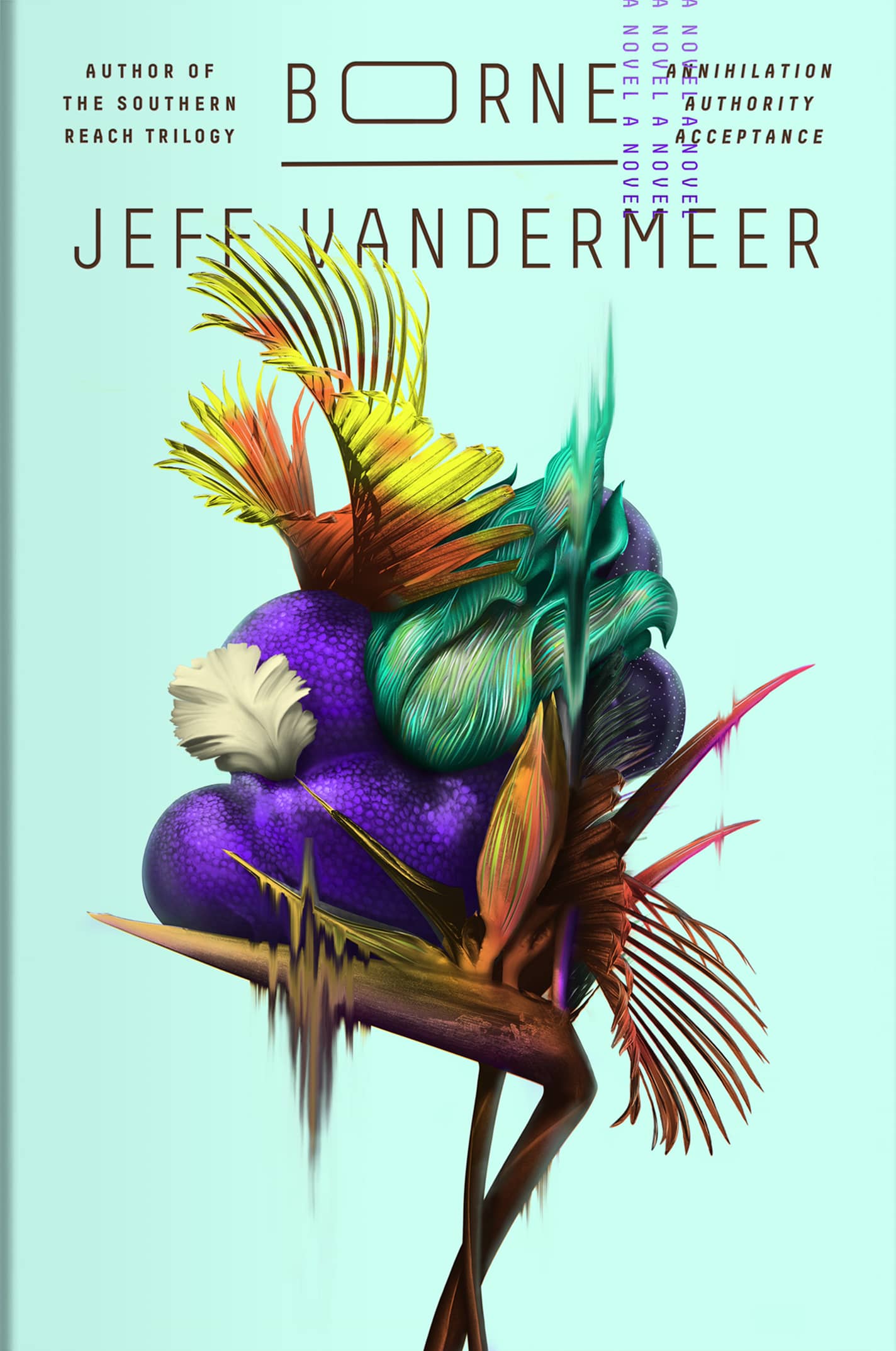
All Systems Red-small The Last Good Man Linda Nagata-small Borne Jeff VanderMeer-small

Over at the Barnes & Noble Sci-Fi & Fantasy Blog, Joel Cunningham has taken on the big job of cataloging the best books of the year so far. His list includes a whopping 25 titles… which may be more books than I’ve read this year. There’s some terrific stuff on his list, so let’s get to it.

All Systems Red: The Murderbot Diaries, by Martha Wells

Veteran fantasist Wells proves her sure hand at sci-fi as she imagines a future dominated by corporations, in which the twin imperatives of bureaucratic adherence to policies and the need to award all contracts to the lowest bidder result in every planetary mission being required to be accompanied by a company-supplied SecUnit, an artificially intelligent android built from cheap parts, and as likely to malfunction as all of the other shoddy equipment the expeditions are counting on to, oh, keep them breathing. The SecUnit narrating the story has hacked its own Governor Module, attaining sentience and free will; it would despise the humans it protects if it didn’t find them so boring, but it nevertheless refers to itself as Murderbot. When its humans are attacked by something outside of the experience provided by its data banks, however, Murderbot must turn its prickly, near-omniscient mind towards not just the survival of its humans, but itself. This slim read is both surprisingly funny and packed with intriguing future worldbuilding — all the more reason to celebrate the three planned sequels that will continue Murderbot’s adventures. Read our review.

All Systems Red was published by Tor.com on May 2, 2017. It is 160 pages, priced at $14.99 in trade paperback and $3.99 for the digital edition. The cover is by Jamie Jones. Read an excerpt at Tor.com.

Read More Read More

What Has Orbit’s Expansion Wrought?

What Has Orbit’s Expansion Wrought?

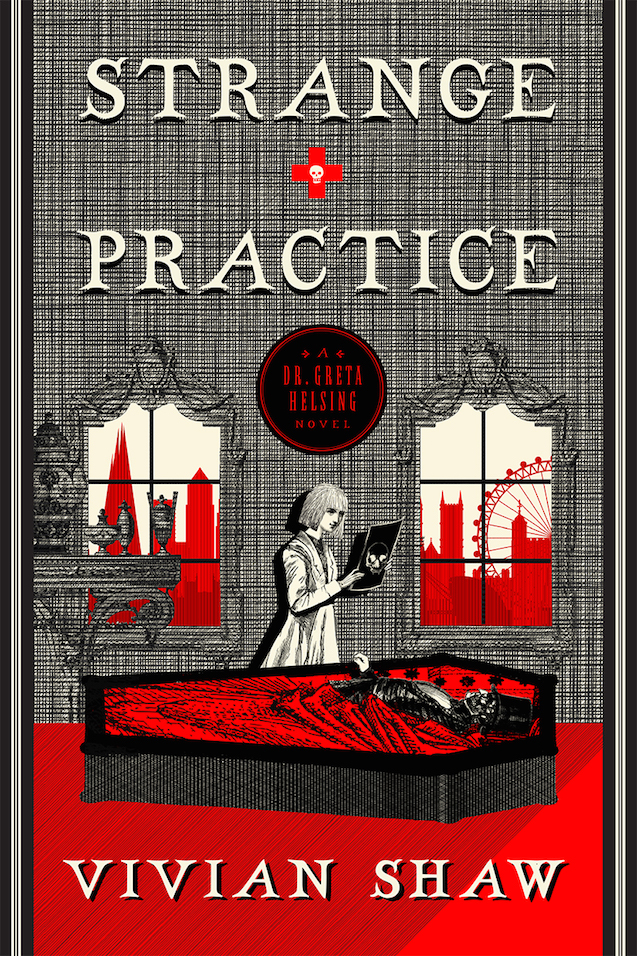
Vivian Shaw Strange Practice-smallI know most readers don’t pay attention to publishers. But I do. And I’ve been watching the astounding success of Orbit, the SF and Fantasy imprint of Hachette Book Group, for the past few years. Their breakout books include Andrzej Sapkowski’s New York Times bestselling Witcher series, James S. A. Corey’s The Expanse, Ann Leckie’s Ancillary Justice, M.R. Carey’s The Girl With All the Gifts, and even Black Gate author John R. Fultz’s Books of the Shaper trilogy.

When Orbit US announced a major expansion two years ago, I was curious what it would bring. Turns out quite a bit… here’s just a sampling of some of their releases over the past 24 months.

Mur Lafferty’s Six Wakes
Greg Bear’s War Dogs trilogy
Ian Tregillis’s Alchemy Wars trilogy
Kim Stanley Robinson’s New York 2140
Alastair Reynolds’s Locus Award-winning Revenger
N.K. Jemisin’s Nebula nominee The Obelisk Gate
Brian McClellan’s new Gods of Blood and Powder series

That’s a darned impressive list. Of course, many of those authors probably would have been published even without the expansion… but you can’t say the same for their newer writers.

Not every publisher that hits it big plows some of their revenue back into developing new writers — Bantam Spectra, for example, once one of the most experimental and risk-friendly imprints, has shrunk their line to essentially a single author: George R.R. Martin. Martin is by far the top-selling fantasy writer in the field, but Bantam isn’t using that huge success to fund the search for their next new author. At least not as far as I can see.

Read More Read More

Self-published Book Review: The Ghost Box by Mike Duran

Self-published Book Review: The Ghost Box by Mike Duran

Ghost_box_coverI’d like to keep the monthly schedule going, so please keep sending me books to review — see the instructions here.

Reagan Moon is a paranormal reporter working for the Blue Crescent, an LA tabloid. He’s good at his job, and one of the things that makes him so good is he doesn’t believe. Oh sure, there are strange things out there: cults and designer drugs and brain hacks, but nothing supernatural. Nothing that can’t be explained. He hasn’t believed in much since his dad died, and his girlfriend’s, Ellie’s, death less than a year ago only made him more of a cynic.

But tabloids don’t pay a whole lot, and if a rich eccentric wants to pay him to talk to a medium, he’s game. The problem is that Klammer wants him to make contact with Ellie, hinting that she wasn’t incinerated in a freak accident but rather harvested for some grotesque purpose. In grand noir tradition, Reagan is soon dodging the police on suspicion of being involved in the death of said medium. Whether holed up with the Mad Spaniard and his daughters, Kanya and Cricket, in their Asylum for strange artifacts, or following a lead to the Spiraplex, a grand building/science experiment centered around a giant statue of Anubis, and built by Klammer’s old business partner and rival, Soren Volden, Reagan is constantly in over his head.

The Ghost Box is the first book in Mike Duran’s Reagan Moon series. I reviewed the second book, Saint Death, last year, but I figured I should go back and cover the first one. Mike Duran started publishing in the Christian market, writing novels such as The Resurrection and The Telling, both of which contained supernatural elements that don’t neatly fit Christian theology, for which he received blow back from many readers of Christian fiction. The Ghost Box is an effort to get outside the narrow restrictions that limit what he can do in Christian publishing. Mike Duran doesn’t hide his Christian worldview, but neither is he pushy about it.

In fact, it’s clear that Reagan Moon is not a believer in pretty much anything. And there’s no conversion experience in this book. Or rather, it’s not a conversion to Christianity so much as a conversion to hope, an acknowledgment that there’s more to this world than the physical, that our spirits do survive after death.

Of course, to get there, Reagan Moon first has to see it with his own eyes. Enter Rival’s Curtain.

Read More Read More