 Great stories never get old.
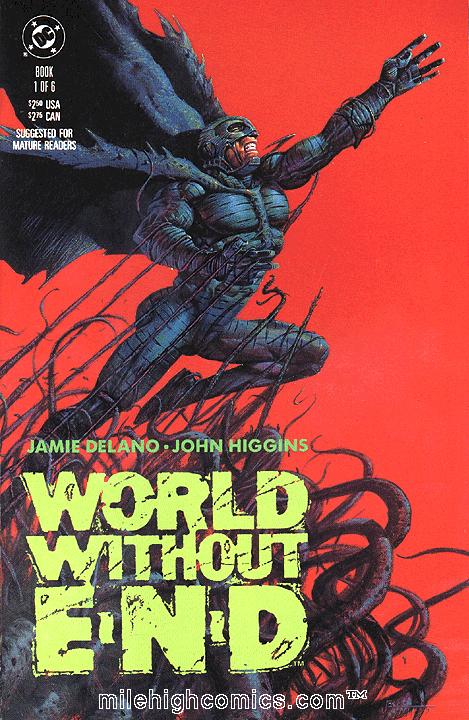
Back in 1990 DC Comics launched WORLD WITHOUT END, a “mature readers” miniseries by Jamie Delano and John Higgins. It was everything comics have the potential to achieve…a psychic thought-bomb of words and pictures that blew my mind to bloody smithereens. Twenty years later it still leaves me in awe.
Delano is a gifted British comics writer who at the time was known best for writing DC’s HELLBLAZER title. Artist Higgins had done a lot of work for England’s 2000 A.D. and worked as colorist on Alan Moore’s landmark WATCHMEN series. When Karen Berger and her assistant editor Tom Peyer put Delano and Higgins together, they were mixing gasoline with fire. Delano and Higgins make these pages glow with volatile brilliance. I’m not being hyperbolic…this book was (and is) THAT good.
The first thing that catches the eye is Higgin’s painted artwork. Every single panel is a fully painted masterpiece, in all six issues. Higgins also painted the spectacular covers himself. Handing a virtuoso painter/storyteller like Higgins to a literary madman like Delano was a stroke of genius. Did I mention already that Karen Berger is a genius? She went on to form the legendary VERTIGO imprint a few short years later.
Delano’s concept was epic, a vast story set millions of years in the future, in a world that literally grew over the old one. A world made not of earth, stone, but of LIVING FLESH. Instead of seven seas, the “chemotion” churns with typhoons of acidic corrosion. The global continent is a colossal organism, dead and rotting at its edges, ripe with gangrene swamps and jagged mountains of bone; yet its center pulses with sunken rivers of lifeblood and hordes of bizarre living beings.
 At the center of this seething world-organism lies BEDLAM: “That proud city, whose taut towers have bountifully reared and nurtured the parasitic multitudes through scuttling millennia of zealous growth.” Bedlam is a grotesquely beautiful mass of bone-carved towers inhabited by a race of male beings called Gess.
Everything female in Bedlam is suppressed and dominated here…but the moon rises over Bedlam, shining with a dangerous glow of femininity upon this hive of masculinity. The rigid structure of this society is being threatened by mutates, abominations led by a mysterious female presence called Rumour. Here’s the back cover copy from issue #1, “The Moon Also Rises,” which says it all:
“IN A FUTURE WORLD GROWN ENTIRELY OUT OF FLESH, THE ULTIMATE MAN AND THE ULTIMATE WOMAN FIGHT THE FINAL BATTLES OF THE SEX WAR–AND PUSH GHASTLY VIOLENCE AND CORRUPT SEXUALITY TO THEIR RIDICULOUS EXTREMES.”
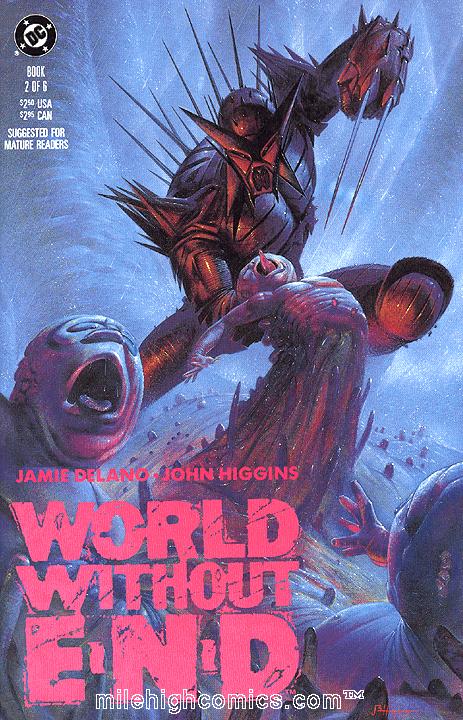
That “Ultimate Man” comes along in issue #2. He is Brother Bones, a “genetic supercommando” sheathed in an ebony metallic armor. He is masculinity personified, a destroyer of flesh, a brutish warlord of unstoppable means. Brother Bones leads armies of the Gess in a war against the female presence that has been “poisoning” Bedlam. When he speaks, his dialogue is a collection of symbols and strangely altered letters that slows the reader down just enough to evoke the character’s towering inhumanity.
…
Read More Read More
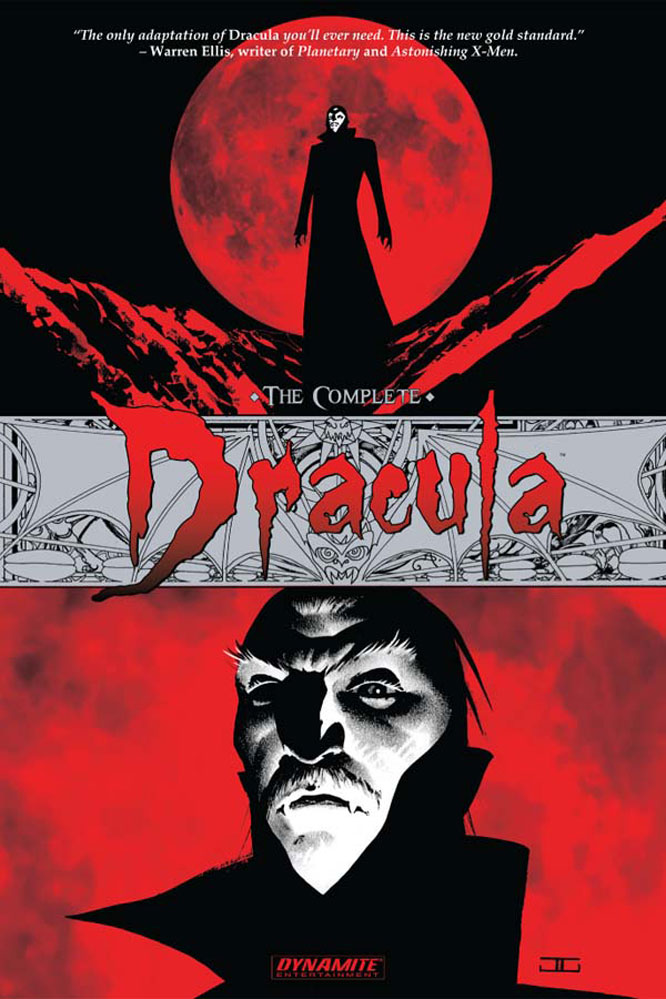 While Bram Stoker’s infamous vampire count has been prevalent in comic books whenever the prevailing bluenoses of each generation have deigned to allow horror books to be printed, there have been surprisingly few attempts to faithfully adapt the classic novel in comic book form.
 All right movie fans, its here! We’ve been telling you about it for months and today is finally the day when
  Fantasy author Shira Lipkin, last seen here as the poster child for our
  Here at the Black Gate offices we’ve sent the entire gaggle of lazy summer interns to the local
 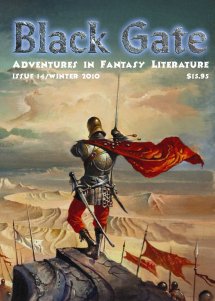 Steve Fahnestalk is a little overwhelemed with his first issue of Black Gate:
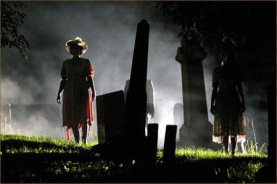 The Dead Matter
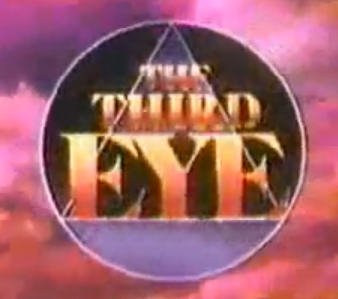 I don’t keep track of what cable network Nickelodeon does these days (I don’t have children), but even with the new logo I can’t imagine that the channel has altered much from the manic “no adults in the room” style that it started to specialize in during the mid-‘80s. That was the point when Double Dare and its profusion of goo heralded a rethinking of the channel’s former “education-and-imports” format it had used since its launch in 1979.
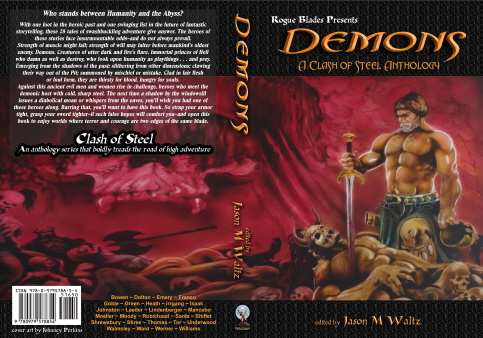 Our review copy of Demons, the new heroic fantasy anthology from Rogue Blades Entertainment and publisher/editor Jason M. Waltz, finally arrived last week.