Browsed by
Category: Books

Vintage Treasures: The Best of John W. Campbell
Vintage Treasures: The Best of John W. Campbell

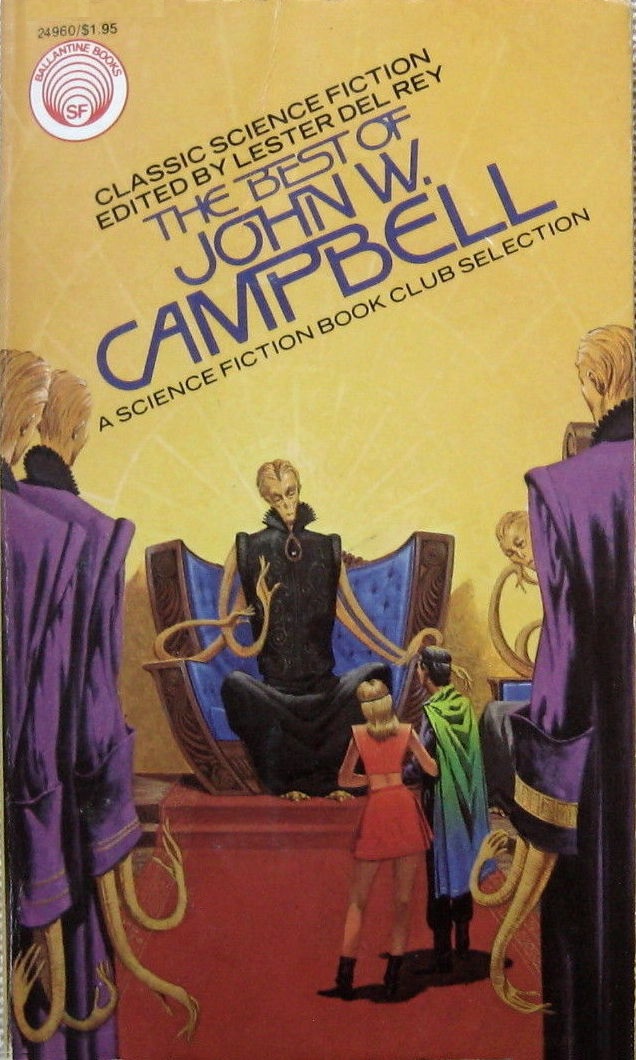
The Best of John W Campbell-smallJohn W. Campbell is one of the most important figures in 20th Century science fiction and fantasy.

If Campbell’s name seems familiar, it’s no accident. He’s come up multiple times in this series so far. In my last article, The Best of Hal Clement, I noted that Clement’s heroes frequently quoted Campbell’s pulp heroes Morey and Wade, and that Clement had been discovered by Campbell in June 1942, when Campbell was editing Astounding Science-Fiction.

In my previous piece, on The Best of Jack Williamson, I also observed that Williamson had “survived the coming of Campbell,” by which I meant that he was one of the few authors talented enough to continue writing SF in the pulps after about 1939, when Campbell had re-made the entire field in his image.

I could go back through all the other articles in this series and see just how often Campbell comes up, but I think you get the point. In the first half of the 20th Century, science fiction existed almost solely in the magazines and Campbell dominated the field so thoroughly that the start of the “Golden Age of Science Fiction” is usually marked by the year he began editing Astounding — the year he discovered writers like Robert Heinlein, A.E. Van Vogt, Isaac Asimov, Theodore Sturgeon, Lester del Rey, and many others.

In his memoir, I, Asimov, Asimov called Campbell “the most powerful force in science fiction ever, and for the first ten years of his editorship he dominated the field completely.”

But we’re not here to talk about Campbell the editor. We’re here to talk about Campbell the writer. And specifically, the eleven short stories he wrote between 1932 and 1939 collected in The Best of John W. Campbell.
…

Read More Read More

Musical Mayhem and The Black Fire Concerto

Musical Mayhem and The Black Fire Concerto

Black Fire HarpMy first post about my novel, The Black Fire Concerto, discussed the monsters. (It’s only fitting, I think, that the first library filing I’ve seen for the book categorized it under “Monsters – fiction.”)

Yet obviously music’s important to the story too and Black Gate overlord John O’Neill has asked me to share my musical inspirations. Once again, I’m grateful to him for allowing me a platform.

If you asked me to hum the concerto that’s central to the book, I couldn’t do it; though I like to think I’d know it if I heard it.

My heroine Olyssa plays a magical pipe that doubles as a rifle that never misses (and if you’re wondering how that works, this excerpt at the Haunted Stars Publishing website will tell you everything you need to know.)

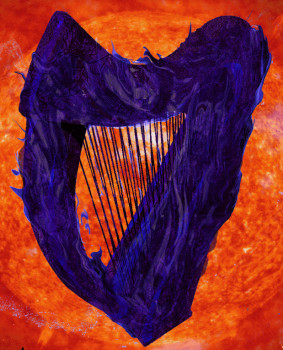
Her sidekick Erzelle plays a harp formed of magical energy that manifests as black fire. I can at least share an illustration my wife Anita and I created to approximate what the harp looks like.

…

Read More Read More

J.K. Rowling Green Lights New Films in Harry Potter Universe

J.K. Rowling Green Lights New Films in Harry Potter Universe

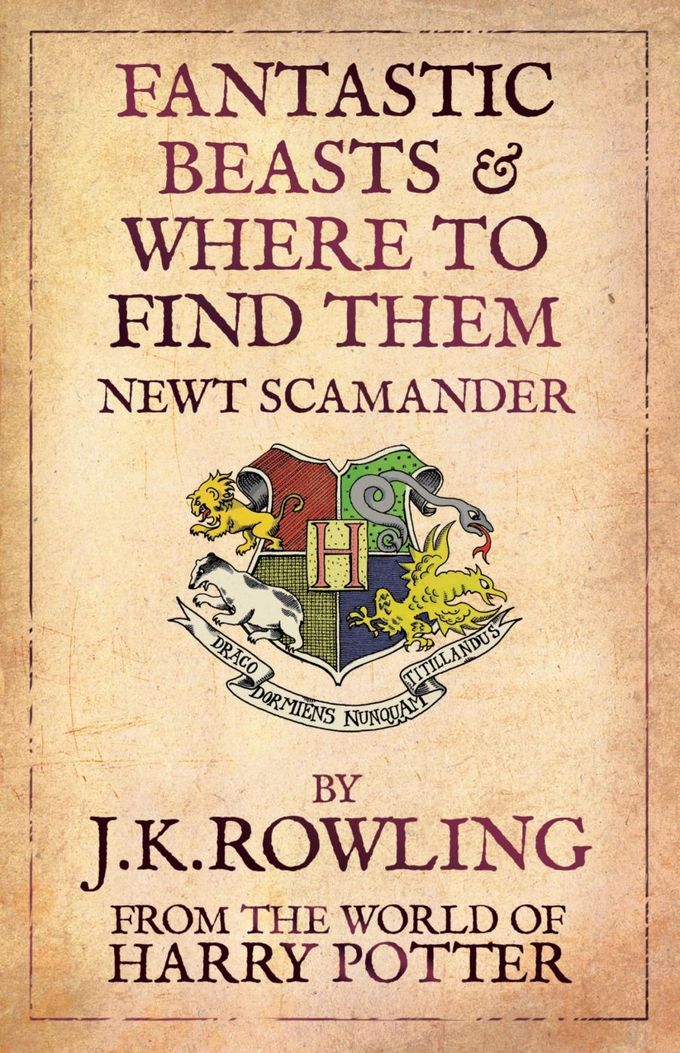
Fantastic Beasts and Where to Find Them-smallWord is bouncing around literary and media circles that the most popular franchise of the 21st Century — indeed, perhaps the most popular book series of all time — will be extended with new films.

Warner Bros. announced Thursday that the Harry Potter media franchise will expand with a series of spin-off films, inspired by Fantastic Beasts and Where to Find Them. Written by (fictional) author Newt Scamander, Fantastic Beasts was the textbook  introduced by Hagrid in his Care of Magical Creatures class in Harry Potter and the Prisoner of Azkaban — and later written and published by Rowling in a slender 42-page edition in 2001, shortly after Prisoner of Azkaban was released.

CEO of Warner Bros. Entertainment  Kevin Tsujihara elaborated in a statement:

Fantastic Beasts and Where to Find Them will be an original story. It is planned as the first picture in a new film series. Set in the wizarding world, the story will feature magical creatures and characters, some of which will be familiar to devoted Harry Potter fans.

I have to be honest and admit that I didn’t even know Rowling had written a real version of Fantastic Beasts and Where to Find Them and I had to look it up to make sure it was real (it is). It’s available in a combo-pack with Quidditch Through the Ages from Scholastic Books.

The movie is unusual in another respect — it will be the first one with a screenplay written by Rowling. The films will focus on the adventures of Newt Scamander and be set long before Harry’s birth. Here’s part of Rowling’s statement:

I already knew a lot about Newt. As hard-core Harry Potter fans will know, I liked him so much that I even married his grandson, Rolf, to one of my favourite characters from the Harry Potter series, Luna Lovegood… Fantastic Beasts and Where to Find Them is neither a prequel nor a sequel to the Harry Potter series, but an extension of the wizarding world… Newt’s story will start in New York, 70 years before Harry’s gets underway.

The release date for the first film has not been announced.

New Treasures: The Grim Company by Luke Scull

New Treasures: The Grim Company by Luke Scull

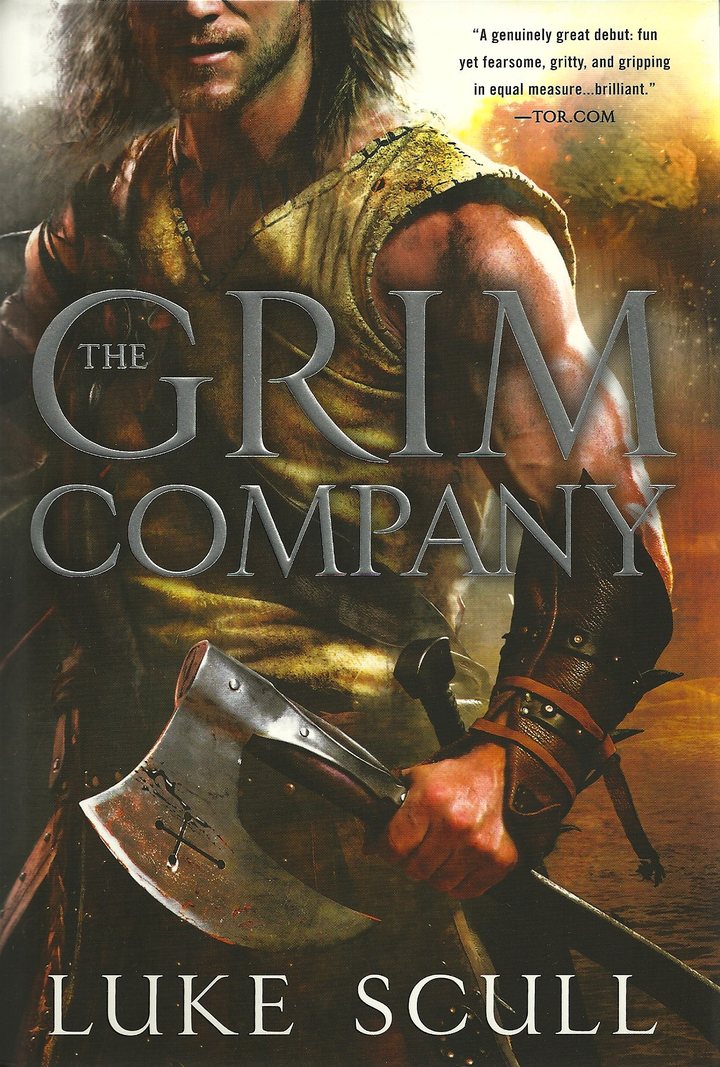
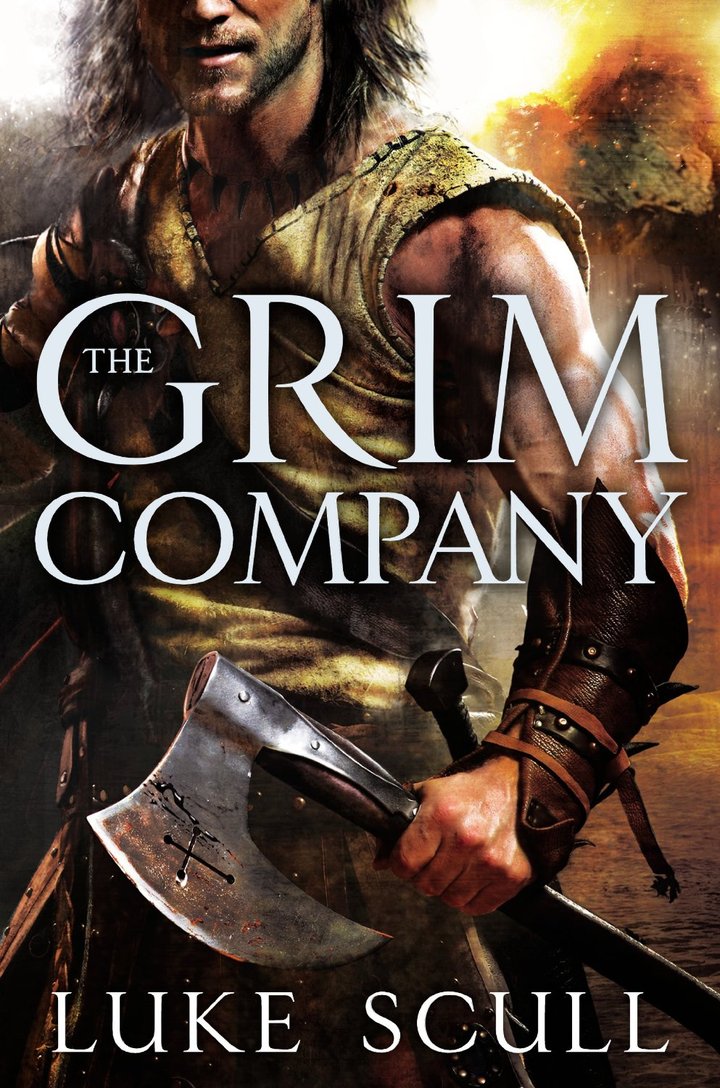
The Grim Company-smallI admit I can be a little lazy when putting together these New Treasures articles. For one thing, my scanner gave up the ghost months ago and I can’t be bothered to walk aallll the way down the hall to use Alice’s. It’s usually easier to search for an image online. I’ll spend 20 minutes searching every nook and cranny of the web, trying to save the six minutes it takes to do a scan. Go figure.

Sometimes, though, the search is fruitless — as was the case with The Grim Company, the first novel from Bioware game designer Luke Scull. There were versions of the cover out there — lots of them. But most appeared to be early versions of the final cover I was holding in my hot little hands, courtesy of the publicity department of Roc Books.  Barnes & Noble, Amazon.com, Goodreads — all of them were showing the same cover. Sure, it’s very similar to the final cover, but there were subtle differences (the actual final cover is here — see if you can spot them all).

Well, I don’t have a whole lot of scruples as an entertainment blogger, but that’s one of them. At Black Gate, we try to show you the real cover. Hurray for us. So I had to troop all the way down to Alice’s office, interrupt her game of solitaire, and take six minutes to scan the cover. It’s shown at right, in all its glory (click for a bigger version). You’re welcome.

The Gods are dead. The Magelord Salazar and his magically enhanced troops, the Augmentors, crush any dissent they find in the minds of the populace. On the other side of the Broken Sea, the White Lady plots the liberation of Dorminia, with her spymistresses, the Pale Women. Demons and abominations plague the Highlands.

The world is desperately in need of heroes. But what they get instead are a ragtag band of old warriors, a crippled Halfmage, two orphans and an oddly capable manservant: the Grim Company.

The Grim Company (the opening volume in a series also titled The Grim Company) was released by Roc Books on September 3. It is 389 pages, priced at $26.95 for the hardcover, and $12.99 for the digital version.

See all of our recent New Treasures here.

“A Sudden Entrance is a Good Way to Break Up Exposition”

“A Sudden Entrance is a Good Way to Break Up Exposition”

Citizen of the Galaxy-smallOr so said Walter Jon Williams as he rushed, late, into the World Con panel I was telling you about last week. And he’s right, breaking up an extended piece of exposition with bits of action (or dialogue) is a great way to handle it. Besides, we’ve already cut the exposition down to the necessary, right? We’re not just putting stuff in to let the reader know how much research we did. I mean, I love swords and I’ve watched them being made, but you’re never going to learn how to make one from one of my books.

We’ve talked about using first person and that might be the easiest way to make exposition interesting for your readers, but plenty of writers – like Jack McDevitt – never use it, so what do they do instead? Whichever narrator you use, make the voice interesting and, perhaps most important, interested. If the information is vital to your character, it’ll be vital to the readers. This is why the stranger-in-a-strange-land trope works: the readers learn at the same time and pace that the character does. We take it all in.

Internal monologue, though, doesn’t work as well as you might think. Whenever my beta readers tell me that things feel a bit flat in a particular part, it’s almost always because I’ve got my characters mulling something over. That’s just about the worst way to show the readers character, and not so hot for other things either. Need the readers to know that slavery exists and that the main character might be in danger of same? Include a scene that shows it; don’t just have the character think about it.

…

Read More Read More

Win One of Five Copies of King of Chaos by Dave Gross

Win One of Five Copies of King of Chaos by Dave Gross

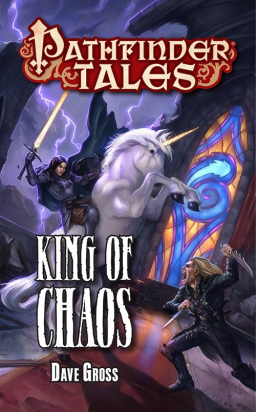
Pathfinder Tales King of Chaos-smallIt’s time to give away some books.

Black Gate has five copies of the brand new Pathfinder Tales book from Dave Gross, author of Prince of Wolves, Master of Devils, and Queen of Thorns, compliments of the great folks at Paizo Publishing. And we want to get them into your hands.

To avoid the usual methods of selecting winners (hand-to-hand combat, best impromptu rendition of Aragon’s speech at the Black Gate of Mordor, etc.), we’ve decided to award the copies to five randomly-selected qualifying entrants. How do you qualify? Easy! Just send us a one-paragraph review of your favorite Pathfinder product, novel, or  short story.

Unfamiliar with Pathfinder? No problem! You can check out the latest right here at Black Gate — including the first chapters of both King of Chaos and Queen of Thorns, Bill Ward’s complete four-part story “The Box,” and the 4-part mini-epic “The Walkers from the Crypt” by Howard Andrew Jones. If you want to try a complete novel, may we suggest Howard’s Plague of Shadows, or Tim Pratt’s Liar’s Blade?

You can read Dave’s introduction to King of Chaos here, and his free stories “Killing Time” and “The Lost Pathfinder” at Paizo.com. In fact, check out the complete collection of free Pathfinder Tales web fiction, with stories from Elaine Cunningham, Richard Ford, Tim Pratt, Ari Marmell, Robin D. Laws, James L. Sutter, Monte Cook, Ed Greenwood, Erik Mona, Richard Lee Byers, and many others.

To enter our contest, just send an e-mail to john@blackgate.com with the title “King of Chaos,” and your one-paragraph entry, before October 1, 2013.

All entries become the property of New Epoch Press. No purchase necessary. Must be 12 or older. Decisions of the judges (capricious as they may be) are final. Terms and conditions subject to change. Sorry, US entrants only. Not valid where prohibited by law. Eat your vegetables.

New Treasures: Wisp of a Thing by Alex Bledsoe

New Treasures: Wisp of a Thing by Alex Bledsoe

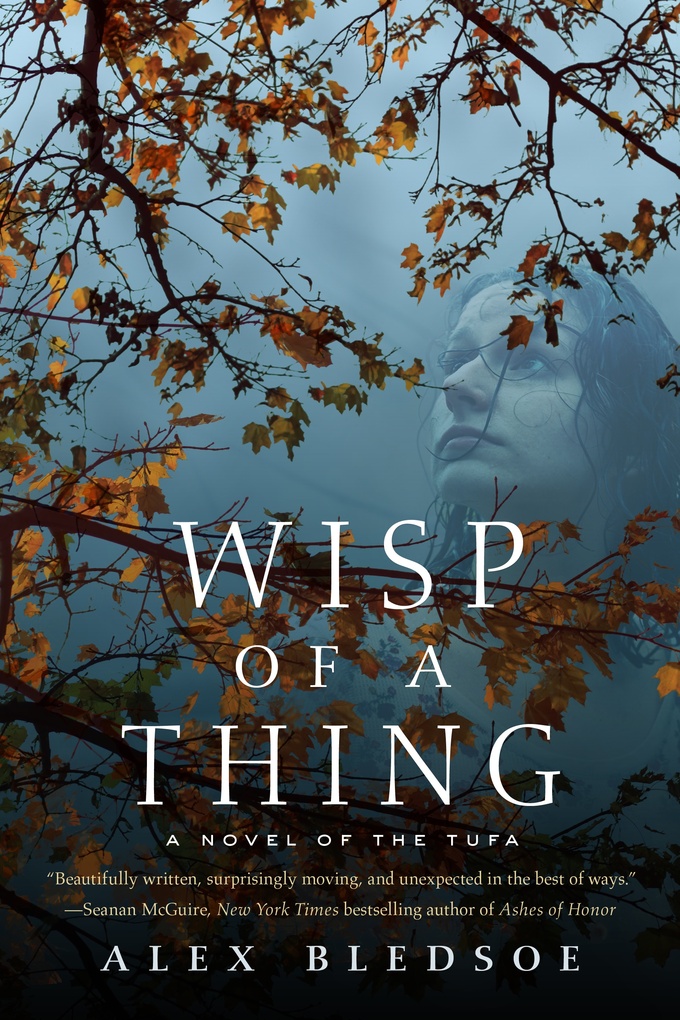
Wisp of a Thing-smallI caught Alex Bledsoe reading from Wisp of a Thing at a small Chicago convention earlier this year, and was immediately riveted. Seriously, if you get the chance, ask Alex to come to your house and read the first chapter. Or just stop him when you run into him at the mall, and impose on him to read a few pages. You won’t regret it (though you may have to buy him lunch).

The first volume in the series, The Hum and the Shiver — which gets my vote for best book title of 2011 — was named one of the Best Fiction Books of 2011 by Kirkus Reviews. The second, Wisp of a Thing, takes us back to the isolated hollows of the Smoky Mountains for another spooky tale of music and very old magic.

Touched by a very public tragedy, musician Rob Quillen comes to Cloud County, Tennessee, in search of a song that might ease his aching heart. All he knows of the mysterious and reclusive Tufa is what he has read on the internet: they are an enigmatic clan of swarthy, black-haired mountain people whose historical roots are lost in myth and controversy. Some people say that when the first white settlers came to the Appalachians centuries ago, they found the Tufa already there. Others hint that Tufa blood brings special gifts.

Rob finds both music and mystery in the mountains. Close-lipped locals guard their secrets, even as Rob gets caught up in a subtle power struggle he can’t begin to comprehend. A vacationing wife goes missing, raising suspicions of foul play, and a strange feral girl runs wild in the woods, howling in the night like a lost spirit.

Change is coming to Cloud County, and only the night wind knows what part Rob will play when the last leaf falls from the Widow’s Tree… and a timeless curse must be broken at last.

Alex’s article on the Appalachian fantasy of Manly Wade Wellman, “How I Discovered Silver John,” appeared at Tor.com back in March. He is the author of the Eddie LaCrosse novels The Sword-Edged Blonde, Dark Jenny, Wake of the Bloody Angel and Burn Me Deadly.

Wisp of a Thing was published by Tor Books on June 18. It is 349 pages, priced at $25.99 in hardcover and $12.99 for the digital version.

Vintage Treasures: The List of 7 by Mark Frost

Vintage Treasures: The List of 7 by Mark Frost

The List of Seven Inside Spread-small

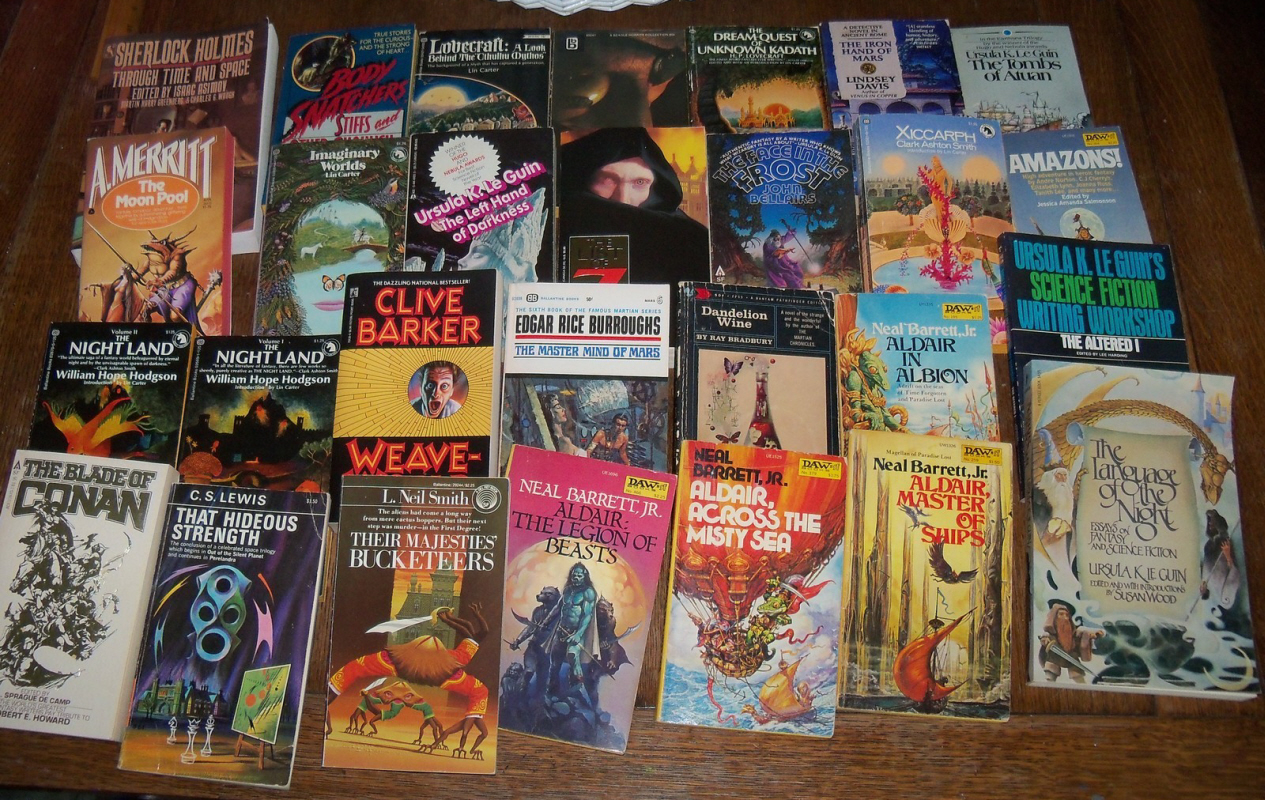
I love buying paperback collections. Like this one, which I  found online last week. Just look at at all those gorgeous vintage paperbacks. Seriously, click on that link and look at them. I’ll wait.

Twenty-eight volumes in terrific shape, for less than twenty bucks. Including four early volumes from Neal Barrett, Jr; three vintage Lovecraft collections (one of them The Dream Quest of Unknown Kadath); both Ballantine volumes of William Hope Hodgson’s The Night Land; one of Lin Carter’s better fantasy collections, Imaginary Worlds; A. Merritt’s The Moon Pool; a smattering of Ursula K. LeGuin, plus C.S. Lewis, Clark Ashton Smith, Ray Bradbury, Edgar Rice Burroughs, John Bellairs, and half a dozen more. There’s even a beautiful copy of Sherlock Holmes Through Time and Space, which I’ve lusted after ever since Violette Malan teased me with the cover in her article on science fiction mysteries last month.

Man, I could just lay these babies down on the floor and roll around in ’em. Except that would probably dog ear the covers.

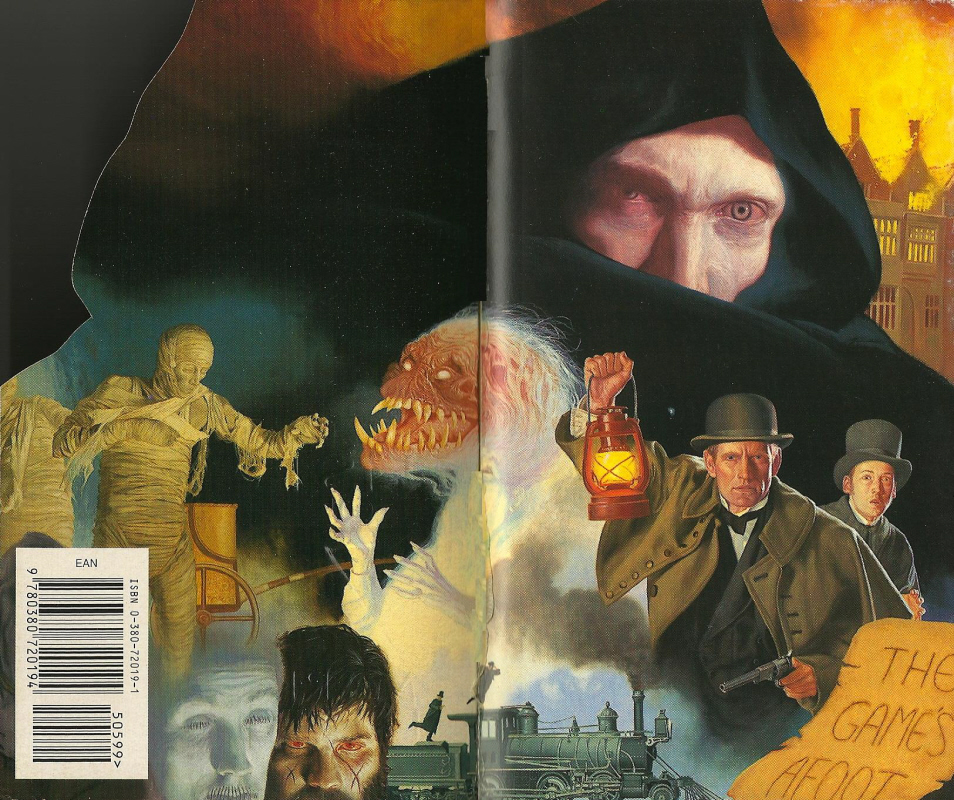
They finally arrived today, carefully packed in tightly wrapped plastic, and I gently unwrapped them and settled in to examine my new treasures. Many clamored for attention, but the one that practically jumped into my hands was The List of 7, by Mark Frost. That’s the inside front cover above, complete with mummies, gruesome spectres, ghosts, a train chase, and — speaking of Sherlock Holmes — the words “The Game’s Afoot” scrawled on parchment (click for a bigger version).

…

Read More Read More

Challenging the Classics: Questioning the Arbitrary Browsing Mechanism

Challenging the Classics: Questioning the Arbitrary Browsing Mechanism

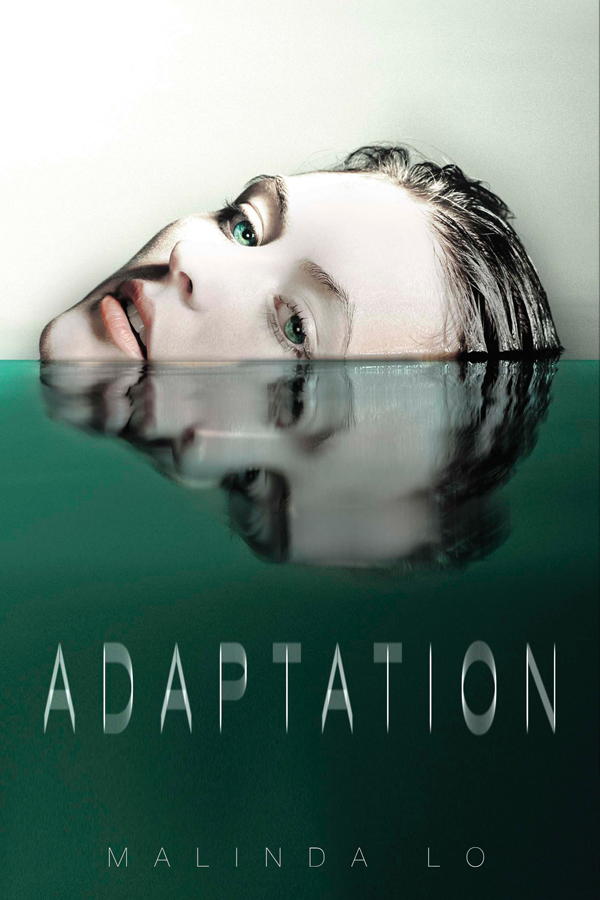
Malinda Lo Adaptation-smallOn what basis, really, do we choose the books we read?

Imagine you’re given a voucher to spend at your favourite bookstore, the value of which is sufficient that, in addition to picking up whichever must-have titles from your favourite authors you’ve been desperate to get your hands on, you’re able to grab some new things, too. The store is well-stocked, you have all day to browse, and a keen desire to spend your voucher all at once, just for the sheer satisfaction of going home with as many books as possible.

So how do you decide what to buy?

Actually, scrap that: there’s a more important question to ask first. Namely: how do you  decide what to contemplate buying? Because regardless of how much free time you have or how broad your tastes, it’s highly unlikely you’ll give equal attention to every book on offer. For whatever reason – or sometimes, given the automatic, reflexive nature of our deeper mental processes, for no real reason at all – in a sea of unknown titles and unfamiliar authors, certain works will nonetheless catch our eye. The font, the cover image, the colour scheme, the title; even the author’s name is sometimes enough to have us reaching for one equally unknown story over another, and if the blurb or first page looks promising, too, then why not give it a try? I’ve certainly bought books that way, and while the resulting purchases can be hit and miss, the act of experimentation is always fun.

But there are different gradations of unfamiliarity. Some books we flirt with over time, never quite sure when we’ll finally take the plunge, but ghosting their spines with our fingertips in the interim – a preemptory possession. Other books are so ubiquitous, their titles and themes infest our consciousness, forcing us – sometimes against our better judgement, but more often in keeping with our desire to exercise it fairly – to see what all the fuss is about. There are books we’ve heard about from trusted sources, titles we’ve seen reviewed by favorite blogs or which our friends have raved over; but also books that have caused a stir, whose reviews have been mixed or strident enough that we want to read them just to see which opinion feels right, or to join in the conversation as it happens.

…

Read More Read More

(Not) Recommending SF&F Classics to the Young Person or Novice

(Not) Recommending SF&F Classics to the Young Person or Novice

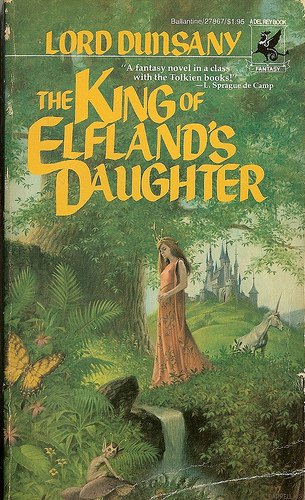
dunsanyWe’ve all done it: “Oh you want to read some Fantasy or SF? Here, how about some Lord Dunsany or E.E. Doc Smith?”

And the books vanish for months, then get returned by the shamefaced borrower: “Couldn’t really get into them. Sorry.”

I’m probably typical. My much-loved genre classics are the equivalent of a warm bath, not a subject for literary criticism.

Until recently, that is.

My son – “Kurtzhau” – is 9, at the tail end of Middle Grade. He loves some of the rip-roaring YA novels that are knocking around – Percy Jackson and Time Riders, for example (the Pulp tradition is un-self-consciously alive and well in YA). However, he craves proper stories with swords and/or soldiers and lasers in them. Powered armor is also good.

And that’s a problem. Nobody seems to be writing the mainstream subgenres for YA.

Helpful mates recommend all sorts of adult novels, but often forget that the dénouement – say – takes place in a brothel staffed by surgically modified aliens and that the antagonists are incestuous twins.

That leaves the classics; either mid-20th century YA such as Andre Norton or earlier “Pulp” yarns which were constrained by pre-WWII decency codes; the stuff I grew up on, the stuff that still crams my shelves…

The stuff of which Kurtzhau inevitably bounces. Here’s why.

…

Read More Read More