Announcing the Winner of the Laurence Manning Giveaway
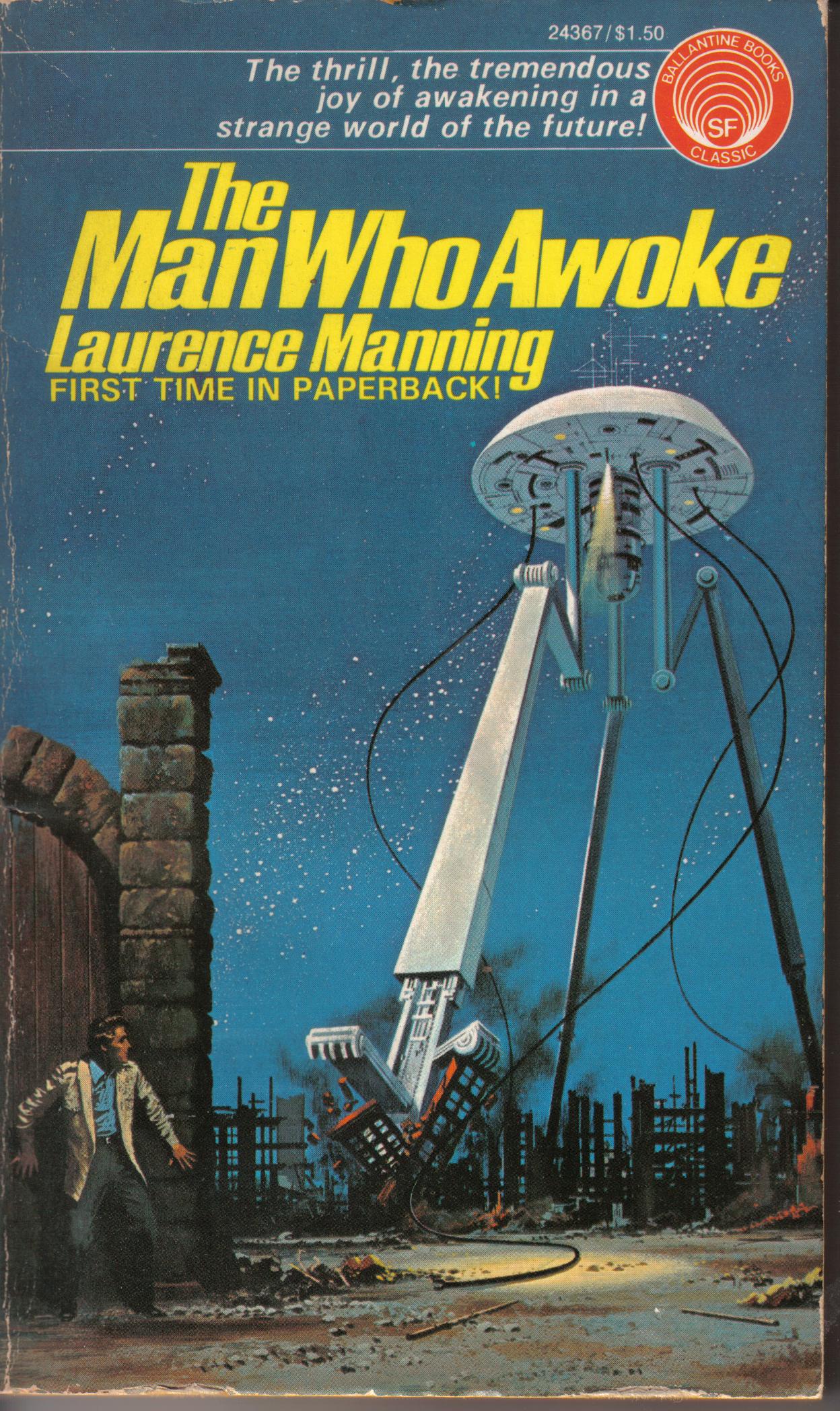 In my recent review of Laurence Manning’s The Man Who Awoke, I ran a giveaway for a copy of the book, in which the winner would be determined by who best answered the question “Why is pulp era science fiction and fantasy still relevant today?”
I had intended to respond to the entries to generate some discussion, as well as posting a reminder. Then Murphy stopped by for an extended visit, and none of those things happened before the deadline.
However, we had two good entries. The first was from Anthony Simeone. Here’s an excerpt from his answer:
In genre fiction above all other forms of literature, writers act as living lenses, through which we can see the world in a different way. That is one of the great blessings of the passage of time and death: we get to see the world afresh with each passing year, and through each new person that walks the Earth. Fiction, the written word, are telepathic messages sent forward in time for us to experience and enjoy. Ultimately, they are voices from the void of the past, without which the years behind us would be tragically silent.
The other entry was from Daniel J. Davis. Here’s some of what he had to say.

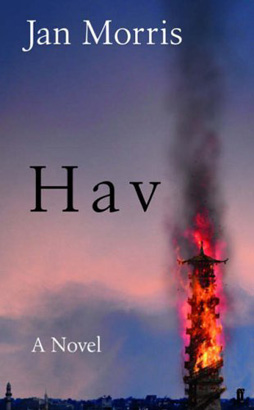 In 1984, writer Jan Morris spent several months in Hav, an idiosyncratic city in the Eastern Mediterranean. She left it just ahead of a violent insurrection and collected her letters describing the city into a book, Last Letters From Hav. Twenty years later, she returned to Hav to document what had changed, in a piece called Hav of the Myrmidons. Both were collected together in one volume, called simply Hav.

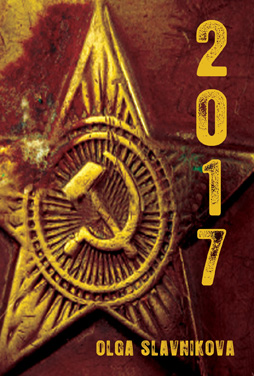 Every so often, I come across a book so idiosyncratic I have to write about it just to work out what it is I’ve read. A book strange and powerful, but whose power is difficult to locate or specify. Sometimes it’s hard even to be sure whether the book can be called ‘good’ in any meaningful way. By writing about it, I can get some thoughts in order, and see where they lead. And as such, I want to take a look here at Olga Slavnikova’s 2017.