The Hugo Ballot: Another View
 People will have heard that the Hugo nominations are out. I think the reactions to each ballot always break in two ways: the process and the content.
Lots of people have views on the process of constructing the ballot and the views are so diverse that I couldn’t do justice with a bunch of links here. If you’re interested in that crowd reaction, John O’Neill covered the tip of the iceberg in his post last week.
I suppose my only two cents is to point out that nobody likes 100% of any ballot and that, because they are based on a nomination process of voters who have different tastes and criteria, this is hardly surprising. On the content, I think there’s plenty on this ballot to make a strong showing at the Hugo Awards Ceremony over Labor Day Weekend.
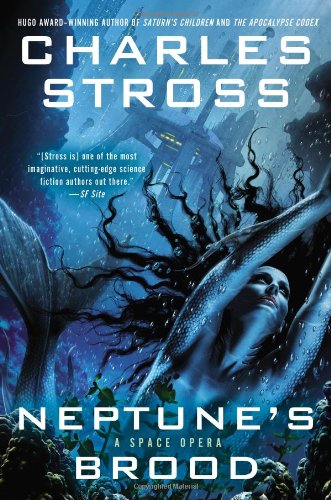
The novels ballot looks interesting. I’ve been told wonderful things about Leckie’s debut novel Ancillary Justice and now I want to read it even more. I love Charles Stross (an honor I share with Nobel in Economics Laureate Klugman), but I have to admit that Neptune’s Brood is neither exciting nor captivating literature so far (although I’m only a third of the way through).
I was discussing Stross with a friend yesterday. He’s got a dizzyingly varied corpus (the Laundry Files novels, “Rogue Farm,” Saturn’s Children and “Lobsters” stake out just a few examples of some of his creative way stations), but my friend and I noted that we sometimes have a harder time with his character work and plotting, much as we might with Perdido Street Station by Mieville. I’ll finish Neptune’s Brood and see what I think.
There are some intriguing entries on the novella ballot, including some Stross, but also Cat Valente and a Brad Torgerson story from Analog. Analog doesn’t seem to get a lot of Hugo attention, and at first, I thought this might be the sign of editorial changes at the magazine.
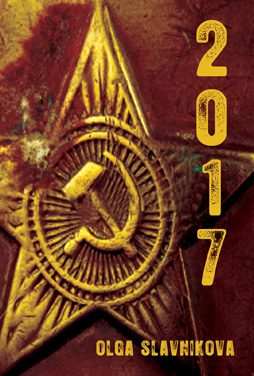 Every so often, I come across a book so idiosyncratic I have to write about it just to work out what it is I’ve read. A book strange and powerful, but whose power is difficult to locate or specify. Sometimes it’s hard even to be sure whether the book can be called ‘good’ in any meaningful way. By writing about it, I can get some thoughts in order, and see where they lead. And as such, I want to take a look here at Olga Slavnikova’s 2017.