C.S.E. Cooney’s The Big Bah-Ha Available October 2010
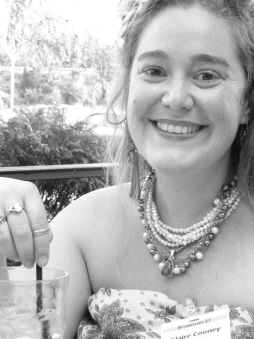 Our own C.S.E. Cooney has sent us some good news about her latest fiction extravagana:
The Big Bah-Ha is a novella by yours truly, coming out at Drollerie Press in October 2010!!! It is a post-apocalyptic katabasis story, complete with kiddie gangs, slingshot battles, strange clowns, Tall Ones, and one very dead (very brave) child protagonist.
No, I didn’t know what a “katabasis story” was either. Thank God for Wikipedia, which tells me “Katabasis is a descent of some type. Katabasis may be a moving downhill, a sinking of winds, a military retreat, or a trip to the underworld.” Oooh, now I get it.
The Big Ba-Ha is a macabre post-apocalyptic fairy tale, a rollicking fantasy of a band of near-feral children who brave a plague-ridden landscape on a desperate quest. To rescue one of their own, they will ally with the monstrous and enigmatic Flabberghast — who arrived only after the world ended and eats the bones of the dead — and penetrate the mystery of Chuckle City, home to ravenous packs of balloon aminals, murderous Gacy boys, and the elusive Gray Harlequin. The Big Ba-Ha — it’s The Goonies meets The Road Warrior, perfectly suited for both ordinary children and gifted adults, and one of the most original fantasies I’ve read in a long time.
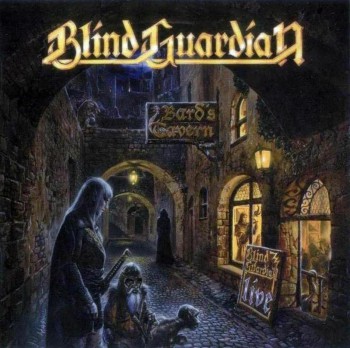 To the gods of the north, I pray
 “For the love of God, not another one!”
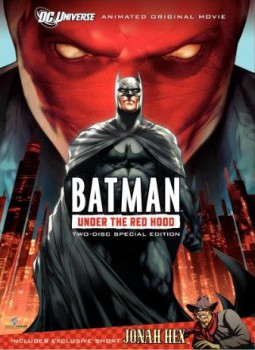 Batman: Under the Red Hood (2010)
 Predicting the weather is an art and a science… yes, really, it’s a science, believe me. I spent four years at Penn State University learning chemistry, calculus, physics, thermodynamics, and fluid dynamics to earn my Meteorology Degree – I should know.