Marvel’s The Monster of Frankenstein, Part One
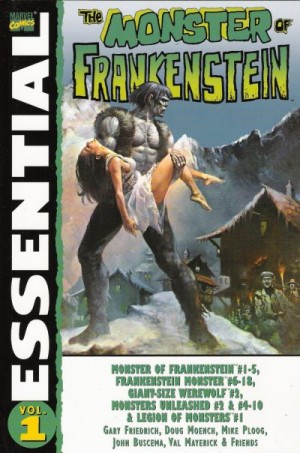 Click on images for larger versions.
Following the success of The Tomb of Dracula in 1972, Marvel Comics launched The Monster of Frankenstein the following year. Gary Friedrich and Mike Ploog kicked the series off with a fairly faithful three-part adaptation of the Mary Shelley novel.
At the outset, Marvel determined to keep the Monster in period. This was an interesting approach considering the modern update Dracula had received. Vampires were an easier sell for the twentieth century as numerous film and television updates had already established contemporary vampire stories whereas the Frankenstein Monster somehow seemed an antiquated concept, despite the character’s ongoing appeal.
It is important to remember that at the time the series debuted, literary critics had not yet embraced Mary Shelley’s work as a classic. Shelley, like Bram Stoker, was looked down upon as low-brow and her work was not afforded serious consideration.
Television syndication of the Universal Frankenstein pictures of the 1930s and 1940s and the character’s transformation into the patriarch on the 1960s sitcom, The Munsters were largely responsible for its longevity. It would be several more years before Shelley’s cautionary tale would gain widespread acceptance as a modern myth whose resonance had not diminished with the dawn of the Industrial Revolution.
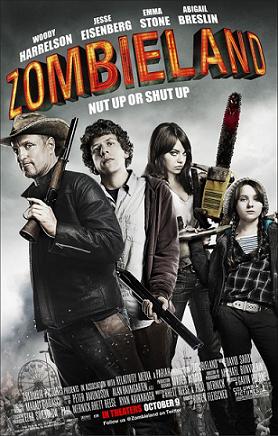 Like most horror fans, I love zombie movies because they’re fun, gory, and suspenseful. I find the survivalist angle intriguing, too (I often find myself wondering if and how I could survive an initial outbreak of the walking dead. Equipped with my copy of The Zombie Survival Guide I’d like to think at least I’d have a fighting chance. But probably not).
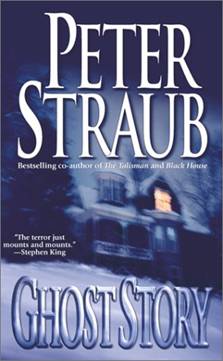 The six-foot grim reaper is out in the front yard pointing eerily at the tombstones poking out of the grass. The fog machines are strategically placed; one in the bushes and one in the coffin leaning against the house. There’s a sound-activated specter that will slide from tree to gutter, moaning and waving its arms at the slightest hint of a visitor. And most important, there’s an eight-foot python curled around the mailbox.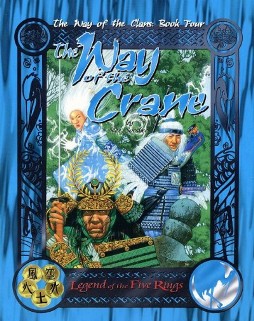

 October films come in two flavors for me: Universal and Hammer. I have affection for almost any Gothic horror films these studios produced during their Golden Ages (1930s and ‘40s for Universal, 1950s and ‘60s for Hammer), even the lesser entries. The studios have such opposite visual approaches to similar material — the black-and-white shadows of Universal, the rococo lurid colors of Hammer — that they create a perfect Yin and Yang for Halloween, a Ghastly Story for Whatever Suits Your October Mood.

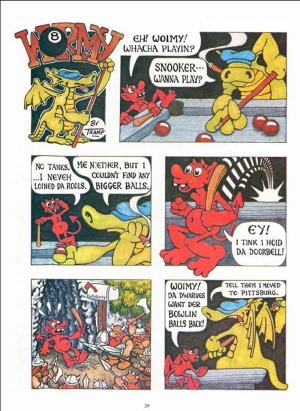 It begins with an imp, some dwarves, a stolen set of bowling balls, and a cigar-smoking dragon in a flat newsboy cap. It gets stranger from there, sprawling through an epic of long-jawed mudsuckers, oddly literate stonedrakes, bad puns, bounty hunters, and some of the most spectacular color comics pages you can imagine.