… Not to mention Matthew David Surridge and C.S.E. Cooney
 Congratulations to James Enge on the inclusion of his latest novel The Wolf Age in the Locus 2010 Recommended Reading List!
This is the second time on the list for James — his first novel, Blood of Ambrose, made the list in 2009.
Both novels feature Morlock the Maker, who appeared in Black Gate 8 in James’ first published story, “Turn Up This Crooked Way.”
Since that first appearance Morlock has been in our pages a half-dozen times. We’re practically his second home — he doesn’t even knock when he drops by anymore.
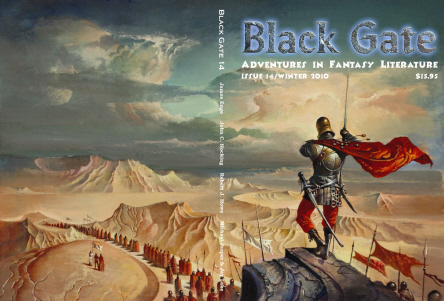
But that’s not the only reason we’re celebrating the Locus list. Also on the list is Matthew David Surridge’s “The Word of Azrael“, from Black Gate 14, which was recently selected for the upcoming Year’s Best Science Fiction & Fantasy, edited by Richard Horton.
And although she was too modest to mention it in her post below, C.S.E. Cooney’s own story “Braiding the Ghosts“, from the anthology Clockwork Phoenix 3, made the list as well.
[While we’re on the topic, C.S.E. made the list last year too, with “Three Fancies from the Infernal Garden“, from Subterranean magazine, Winter ’09. “Braiding the Ghosts” will also be in Rich’s Year’s Best Science Fiction & Fantasy volume, coming this summer.]
Congratulations to all!
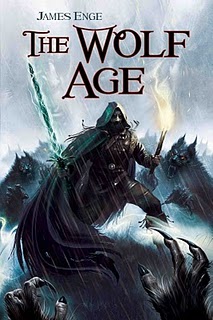 As a growing number of people rightly come to the conclusion that reading James Enge’s The Wolf Age will probably be the most fun they’ll have since the invention of soul-sucking swords and the new Olympian-approved “rubber grip” thunderbolts, Black Gate has been pelting to
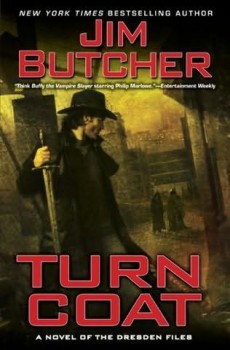 Turn Coat
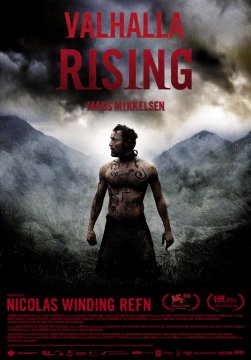 Valhalla Rising (2009)
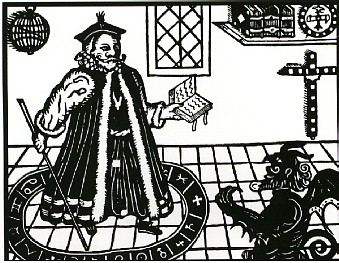 This week I read an advance copy of the second book in Mark Chadbourn’s series of espionage-fantasy-adventure novels, Swords of Albion. The Scar-Crow Men begins with the first performance of Christopher Marlowe’s play Doctor Faustus, and the story of the novel and the story of Faust end up connecting in a number of ways. It got me thinking about Faust, and why the story of Faust has flourished in the centuries since Marlowe wrote, and how many different ideas about wizards there really are.
 When a show with a large fan base – especially a large SF fan base – ends, the fans have some small amount of solace, because there’s usually a rich bounty of “extended universe” materials to keep the fix going for a while. Often the avid fan, deprived of new episodes of the show, can enjoy exploring the novels, comic books, and, yes, even role-playing game supplements which are created through license with the show … but all good things must end.