Apex Magazine 28 Arrives
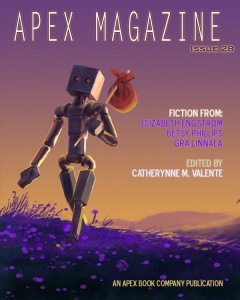 The 28th issue of Apex Magazine is now on sale.
This issue features two new short stories, “Namasté Prime” by Grá Linnaea, and “Frank” by Betsy Phillips, plus a reprint: “Gemphalon” by Elizabeth Engstrom.
Erik Amundsen contributes a poem: “And Cut Down a Moment Later,” and the award for Best Title of the Issue goes to John H. Stevens, for his non-fiction piece “The Improbable, Inevitable Domestication of the Great Old Ones: H.P. Lovecraft’s Iconic Influence on 21st-Century Fantastic Literature and Culture.”
Seriously, that’s one great title.
This issue of Apex Magazine is edited by best-selling writer and short-timer Catherynne M. Valente. Lynne Thomas will be taking the reins for future issues.
Apex Magazine 28 is sold online for $2.99; it’s also available in Kindle, Nook, and a downloadable format through Smashwords.
Apex is published monthly. Previous issues are available through their back issue page. We last profiled Apex with issue 27.
You can subscribe and get 12 issues for just $19.95.
 The new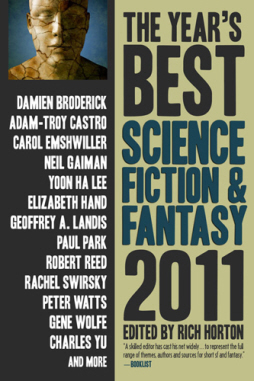
 Part 2 of a 2-part series
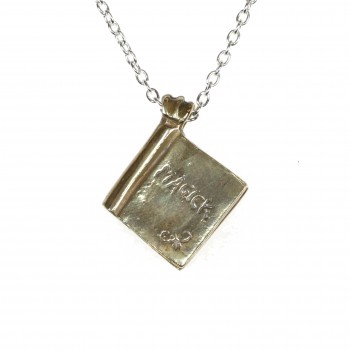
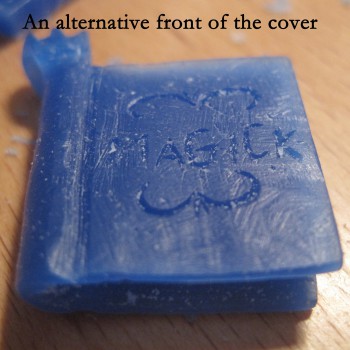 And now, months later, our collaboration is taking shape. I’ve produced three designs, a pendant that I released at the same time that Kat, Incorrigible hit bookstores, a pair of earrings that debuted at the launch party for the second book, A Tangle of Magicks (this will be released as Renegade Magic in the US next year), and a charm bracelet that just went on the market about an hour before I sat down to write this post. One might ask, how big is the market for book tie-in jewelry like this? I have no idea. Ask me in a year or two. What I can talk about, though, is how we started this venture.
 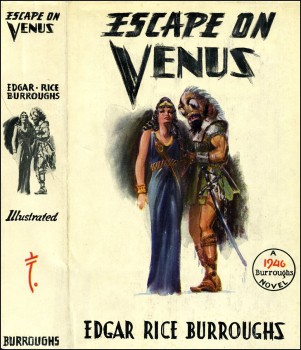 I love Edgar Rice Burroughs. His novels have had an enormous influence on me as a writer and as a pulp fan. But, I must admit, sometimes he wrote … this kind of thing….