Teaching and Fantasy Literature: Beren and Luthien Raided the Fortress of Angband, and No One Will Get This Lousy T-Shirt
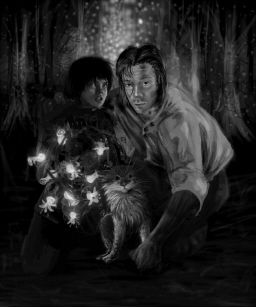
 When we finally reached “The Tale of Beren and Luthien,” my Intro to Myth students forgave me for dragging them through the drier, more mythographic early stretches of The Silmarillion. (“It’s as bad as the begats!” the most biblically literate one in the class said of “The Valaquenta,” and then she had to explain the begats to her classmates.) There was a lot to forgive, including a pop quiz on the names of the Valar.
But then: True love! Shapeshifting! Sauron defeated in sorcerous song battle! Fate, doom, oaths upheld at ultimate cost! “The Tale of Beren and Luthien” is cinematic, iconic, perfect for Hollywood at its best and worst. My disgruntled undergrads adored it.
They’re not the only ones who’ve ever wished it could be a movie.
 Shake Google, and at least one fan film falls out, along with intermittent fan forum discussions of ideal directors, casting, and adaptation decisions. I gather the Tolkien estate is unlikely to authorize films of stories that made their first published appearances after Tolkien’s death. Fair enough. If I were looking back from the afterlife of my imagining and saw my rough drafts, cobbled together by my long-suffering literary executor, adapted by strangers into Hollywood films, I too might… no, actually, I wouldn’t object at all. Now that I think of it, I’d feel immensely honored by the effort, amused by its inevitable shortcomings, and relieved that my family might finally see some benefit from my years of toiling in proverbial obscurity. But hey, that’s just me. If Tolkien’s son thinks the professor would be displeased, he’s in a better position to know than any of the rest of us.
So, no movie.

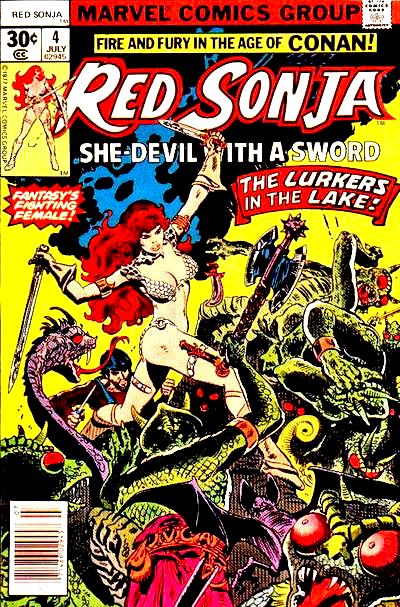
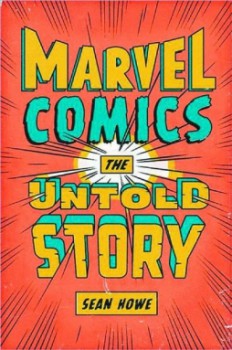 Early on in Sean Howe’s book-length history Marvel Comics: The Untold Story, the reader’s imagination is spurred by a throwaway anecdote: in 1937, New York magazine publisher Martin Goodman and his wife planned to return from a trip to Europe aboard the Hindenburg — on what would turn out to be the final tragic flight of the German dirigible, which ended with a terrifying aerial explosion and fire that led to the deaths of 36 people. Goodman, as it happened, was too late to get tickets and took a plane instead. You can’t help but wonder, though. What if he’d died then, before he’d expanded his magazine line to include comics? Before he’d hired his nephew Stanley to work in the office and do fill-in bits of writing? What if Marvel Comics, the subject of Howe’s book, had been stillborn? What would have been different in the development of comics, of popular culture, of the North American imagination? Maybe everything. Maybe nothing.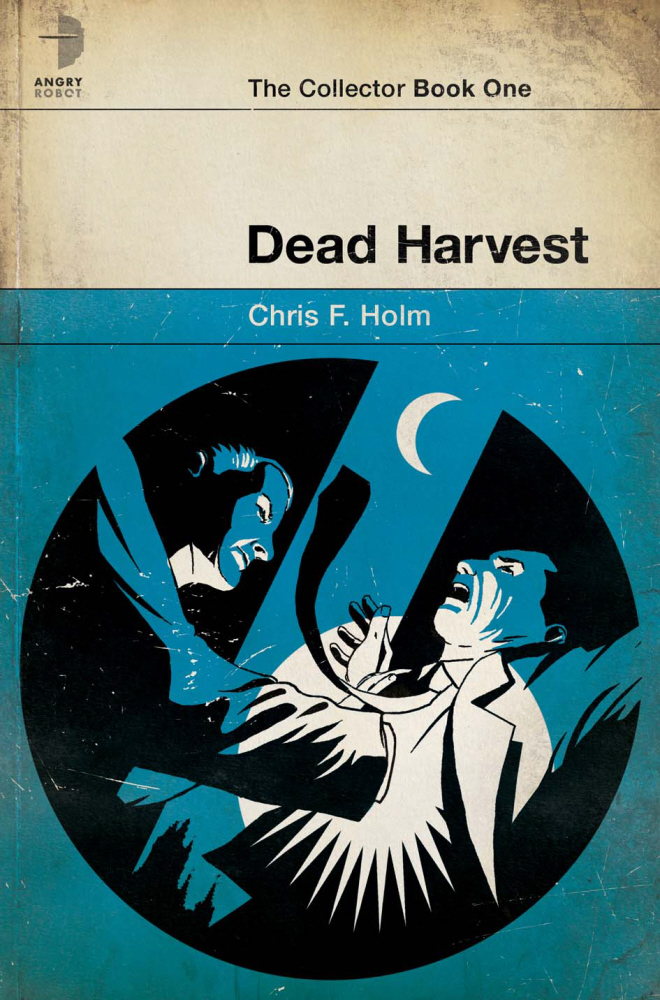
 We’ve had a great fall here at Black Gate: more folks visited us than at any time in our history, and we’ve had steady increases in readership every month since June. We’ve nearly doubled our traffic since this time last year — which would be terrific, if we could just get all you folks to wipe your feet before stepping on the carpet. In any event, thanks for the support, and here’s to an even better 2013.