The Resurrection of Dr. Phibes

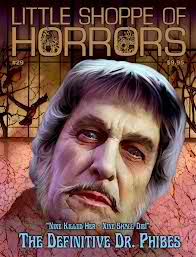 Longtime readers will be well aware of my love for Dr. Phibes, the cult classic character played by Vincent Price in two campy AIP productions forty years ago. “Phibes is special,” is how my old friend, Chris Winland summarized the property a couple decades ago and his understatement couldn’t be more accurate. Equal parts horror, comedy, thriller, and romance, the whole is greater than the sum of its parts.
Part of what made Phibes special is there were only two films, despite several attempts over the years to get a third film as well as a TV series off the ground. A few years ago, the character’s co-creator, William Goldstein, acquired the literary rights to his property from MGM, who control the AIP catalog. At the time, Goldstein had to contend with unlicensed comic book appearances and an attempt by his former writing partner to revive the series with a new film. Having settled legal matters, Goldstein set about reviving the book series.
Forty years ago, Goldstein not only novelized the screenplay he co-authored for the original film, but he also novelized the sequel he helped develop. The movie tie-in novels are a very different beast from the films. Devoid of the eye-popping art deco sets and costumes, the campy scores and the scene-stealing performances by the likes of Vincent Price, Joseph Cotton, Robert Quarry, and Terry-Thomas; the books read like old-fashioned pulp thrillers with an exceptionally keen eye for historical detail.
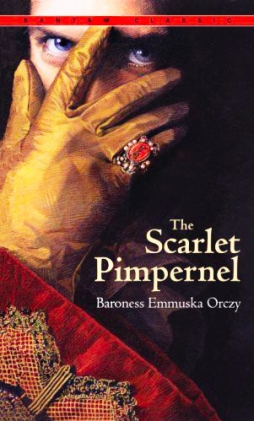 One of the strangest and most distinctive elements of a super-hero is a secret identity. It’s so distinctive we don’t even think about how strange it is. Or, more precisely, how strange the heroic identity is. There’ve been disguises and alter-egos throughout fiction, whether Odysseus showing up at his home incognito before killing his wife’s suitors, or the heroines of Shakespearean comedy dressing up as men and taking male names, or Sherlock Holmes ferreting out clues while masquerading as a humble old book-seller or opium addict. But the super-hero identity, in its classic form, is less a person than an idea: a being known by a code-name, who does not pretend to be a specific person, but instead wears a mask or cloak, and who exists only for one reason — usually to defend against some injustice, to right wrongs, or generally to fight crime. The super-hero identity is not a person or a personality; it’s the idea of a person, the dream of an identity. Much has been written about the symbolic presentation of masculinity the dual identity implies, a weak or nerdy exterior hiding a powerful secret persona. It’s interesting, then, that the idea seems to have been created by a woman.