The Crawling Horrors of Mars: Clark Ashton Smith’s “The Vaults of Yoh-Vombis”
The Crawling Horrors of Mars: Clark Ashton Smith’s “The Vaults of Yoh-Vombis”

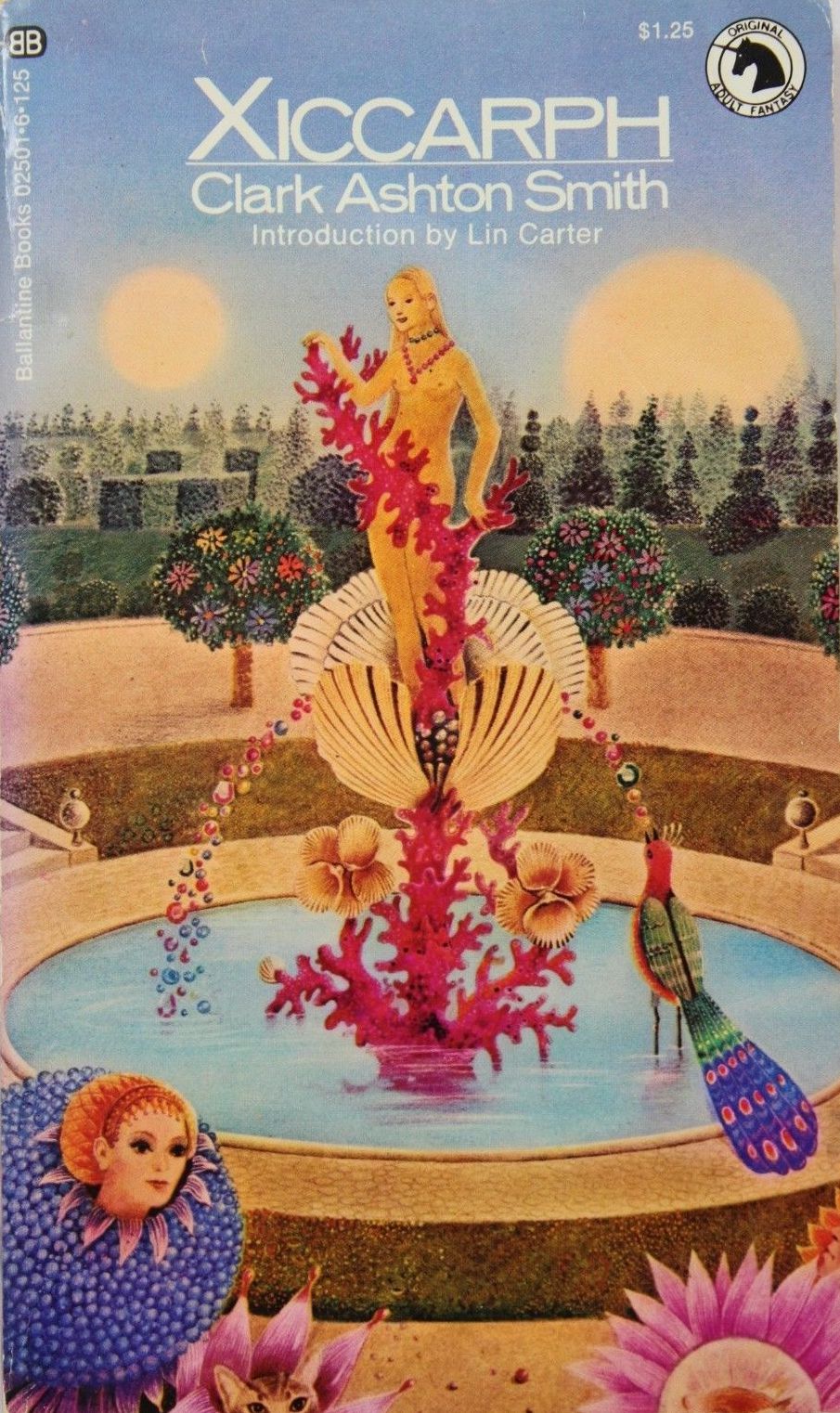
Xiccarph-smallI have a confession to make. I’ve read almost nothing by Clark Ashton Smith.

I know. I suck. CAS was one of the most important fantasy writers of the pulp era. Alongside H.P. Lovecraft and Robert E. Howard, he established Weird Tales as the most important and influential fantasy magazine of the early 20th Century.

It’s not like I haven’t had plenty of folks on the BG staff trying to steer me right. Ryan Harvey’s epic four-part examination of The Fantasy Cycles of Clark Ashton Smith, starting with The Averoigne Chronicles way back in 2007, was a terrific bit of scholarship, and I was proud to publish it. More recently, John R. Fultz offered a detailed study of Smith’s poem “The Hashish Eater,” and Matthew David Surridge joined the discussion with his 2012 article “A Few Words on Clark Ashton Smith.” Just a few examples.

I blame Isaac Asimov for my early ignorance. Asimov strongly disliked Smith’s ornate style, famously relating the tale of the first CAS story he tried to read, in which he encountered the word “veritas,” which Smith used instead of “truth.” Yes, Asimov noted, veritas does mean truth, but he couldn’t fathom why anyone would use it instead of simply using “truth.” He put the story down and never tried Smith again.

Asimov introduced me to most of my early pulp heroes, in books like Before the Golden Age, The Hugo Winners, and The Early Asimov. His prejudice must have stuck with me, since I read almost nothing by Clark Ashton Smith for my first few decades as an SF reader.

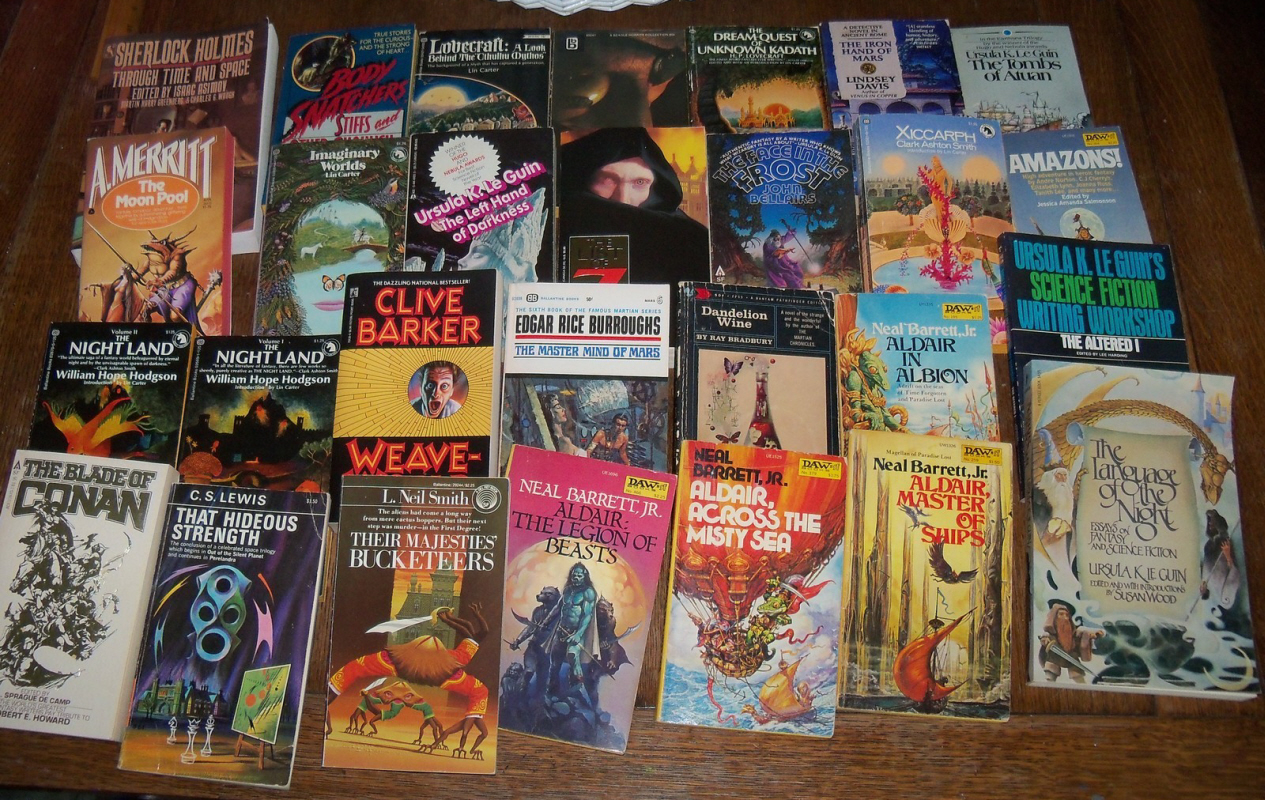
Fortunately, this genre gives you lots of chances. Back in September I purchased a marvelous collection of 28 vintage paperbacks. One of the prizes in the lot was Xiccarph, part of Lin Carter’s highly collectible Ballantine Adult Fantasy library. Before putting it away I decided to dip into it. Here’s what I found on page two of Carter’s intro:

Since Weird Tales quite logically had a right to prefer tales that were weird, Smith conformed. In doing so he invented a minuscule sub-genre all his own.

To see precisely what I mean, turn to the story called “The Vaults of Yoh-Vombis,” which is included in this book.
Read More Read More

Tales of the Wold Newton Universe, Part 3 of 4

Tales of the Wold Newton Universe, Part 3 of 4

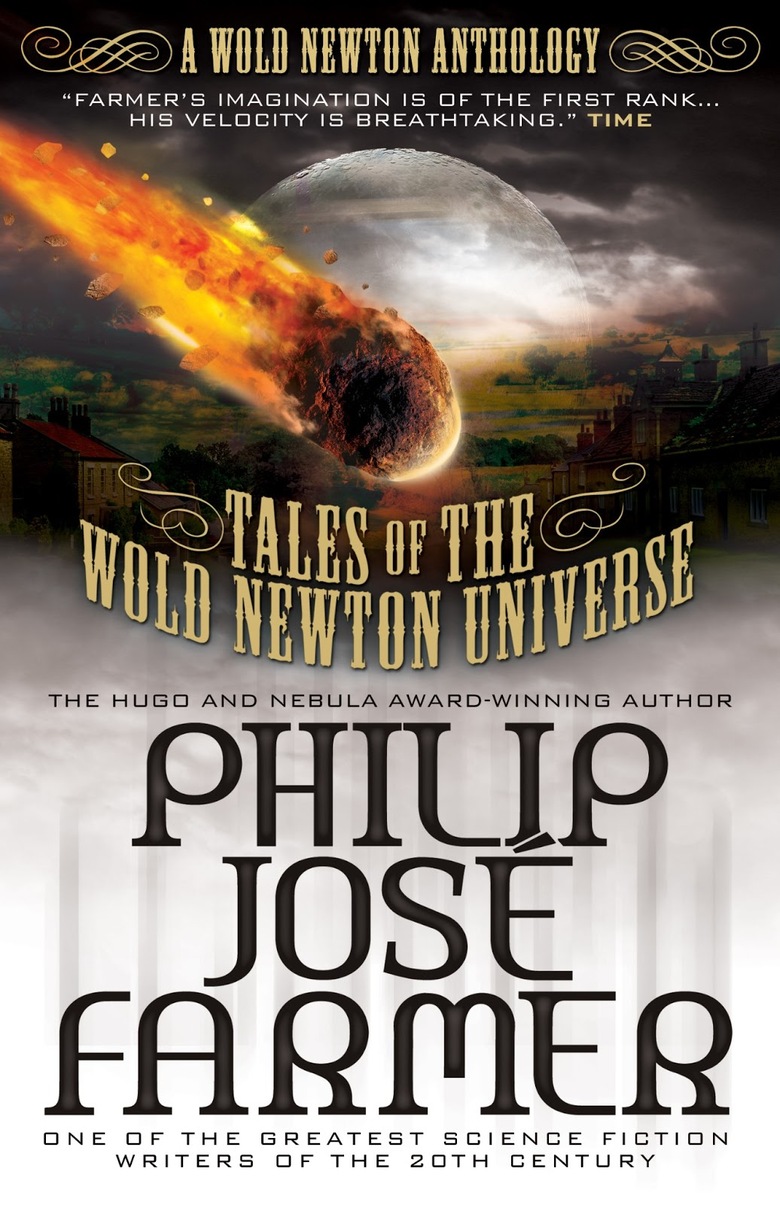
Tales of the Wold Newton Universe-smallLast month marked the release of Tales of the Wold Newton Universe, a new anthology from Titan Books that collects, for the first time ever in one volume, Philip José Farmer’s Wold Newton short fiction, as well as tales set in the mythos by other Farmerian authors.

The Wold Newton Family is a group of heroic and villainous literary figures that science fiction author Philip José Farmer postulated belonged to the same genetic family. Some of these characters are adventurers, some are detectives, some explorers and scientists, some espionage agents, and some are evil geniuses. According to Mr. Farmer, the Wold Newton Family originated when a radioactive meteor landed in Wold Newton, England, in the year 1795. The radiation caused a genetic mutation in those present, which endowed many of their descendants with extremely high intelligence and strength, as well as an exceptional capacity and drive to perform good, or, as the case may be, evil deeds. The Wold Newton Universe is the larger world in which the Wold Newton Family exists and interacts with other characters from popular literature.

To celebrate the release of the new anthology, we’ve asked the contributors to discuss their interest in Philip José Farmer’s work and to tell us something about how their stories in the book specifically fit into the Wold Newton mythos.

For today’s installment, please welcome author and co-editor of Tales of the Wold Newton Universe, Christopher Paul Carey.

Win Scott Eckert,
Co-editor, Tales of the Wold Newton Universe


Read More Read More

New Treasures: The City of Dreaming Books by Walter Moers

New Treasures: The City of Dreaming Books by Walter Moers

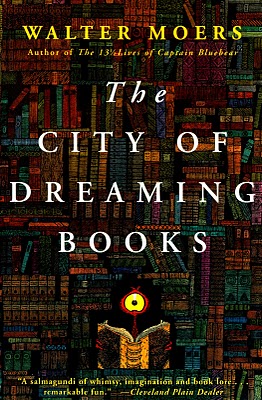
The City of Dreaming BooksWalter Moers got my attention with his first novel in English, The 13½ Lives of Captain Bluebear, which relates adventures of human-sized bear with blue fur on the fictional continent of Zamonia.

Okay, I know how that sounds. But Moers, who’s also a cartoonist and painter, brings cartoon sensibilities to the page with consummate skill, and his whimsical tales of Zamonia have captured hearts and minds around the world. The 13½ Lives was followed by Rumo, A Wild Ride Through the Night, and The Sorcerer’s Apprentice.

The City of Dreaming Books sounds like his most intriguing title yet, featuring a city-sized library filled with secrets, haunted by the mysterious Shadow King…

Optimus Yarnspinner has inherited from his godfather an unpublished manuscript by an unknown writer. He sets off to track down the mysterious author, who disappeared into Bookholm — the so-called “City of Dreaming Books.” Yarnspinner falls under the spell of this book-obsessed metropolis, where an avid reader and budding author can find any number of charming attractions — priceless signed first editions, salivating literary agents, and for-hire critics. But as Yarnspinner pursues the trail of the missing author, the darker side of Bookholm begins to unveil itself — cold-blooded book hunters, fearsome cyclopean booklings, sharp-toothed animotomes, and of course, the Shadow King, whose howls rise from deep beneath the city at night. Will Yarnspinner survive his quest into this world where reading is a genuine adventure?

Like most of his books, this one features a cover by Moers, and numerous black & white illusrations throughout. Moers’ art is as charming as it is unique, equal parts Virgil Finlay and Dr. Seuss.

I found the brand new sequel, The Labyrinth of Dreaming Book, in the Dealer’s room at Windycon last week for the first time. That means it’s time for me to stop dithering and finally read this one.

The City of Dreaming Books was published by Overlook Press in 2008. It is 462 pages, priced at $17.95 in trade paperback at $11.99 for the digital edition. It was translated from the German by John Brownjohn.

Spotlight on Fantasy Webcomics: Off to See the Wizard in Nakesake

Spotlight on Fantasy Webcomics: Off to See the Wizard in Nakesake

Alana Joli Abbott and Megan Lavey-Heaton
Me with Megan Lavey-Heaton at a meet-up/signing for the Kickstarter backers of the print run of Namesake volume 2.

Webcomics and Kickstarter have come into their own at similar times. Kickstarter has been debated by PW and Tor.com and other places as a publisher/major funder of the indie comics industry. (In 2012, Todd Allen at PW suggested in 2012 that, by cash totals, Kickstarter could be considered the #2 comics publisher in America; Steven Padnick at Tor.com rebutted that they’re a funding source but not a publisher at all. Which is more than semantics, but I think neither would argue against how important Kickstarter has become for the comics industry.) What’s exciting about Kickstarter and other crowdfunding sources is that — like digital printing and web publishing in general — it gives a sense of immediacy and connection between readers and creators. Namesake is one of the webcomics that I follow, and I was excited to contribute to their Kickstarter to get my very own print versions of the first two volumes of the comic. And I was even more excited to pick those books up in person last weekend in New York, at a delightful meet-up in which I got to meet writer Megan Lavey-Heaton, Yamino of Sister Claire, and a number of writers and artists in various stages of publication. It was a fantastic cross-section of geekdom, with comments being bandied across the table about such topics as Doctor Who, Spiderman, and even My Little Pony: Friendship is Magic.

So if it is with a rosy demeanor that I write about the excellent webcomic Namesake, I’ll be the first to divulge that I’m personally invested. (And for the rest of the full disclosure, Megan Lavey-Heaton backed my Kickstarter to self-publish the third novel in an otherwise publisher-abandoned trilogy. The admiration goes both ways.)

Read More Read More

Read a Free Pathfinder Tales Story from Howard Andrew Jones

Read a Free Pathfinder Tales Story from Howard Andrew Jones

Pathfinder Tales logoEvery time I call Howard, he’s writing. He’s typing while we’re talking. He denies it, but I can hear the keyboard in the background. I think he wrote his first novel while waiting in line at the DMV. The man is the hardest working writer in the business.

Two weeks ago I called up to ask if he remembered that Edison Marshall Hercules novel he mentioned to me a while back (he did — Earth Giant), and while we were talking he wrote an entire short story. “Bells for the Dead.” If I hadn’t distracted him, it probably would have turned into a novel. The man drives me crazy.

Anyway, the story is now online at Paizo, as part of their free Pathfinder Tales library — which already includes BG Contributing Editor Bill Ward’s story “The Box,” and an earlier tale from Howard, “The Walkers from the Crypt” (which he wrote while waiting for a red light to change).

“Bells For the Dead” features the gunslinging bounty hunter Lisette from Howard’s new novel Stalking the Beast, in a brand new adventure. It will be published in four parts at Paizo.com. Read the first installment here.

Interested in winning a free copy of Stalking the Beast? Enter our contest! Just tell us your favorite sword & sorcery tale in one paragraph or less, and win one of five copies, compliments of Paizo. Full details here.

Howard’s previous Pathfinder book was Plague of Shadows, released in 2011. His most recent novel was The Bones of the Old Ones.

Interested in more Pathfinder goodness? Black Gate can hook you up. Check out the latest right here — including the first chapters of Dave Gross’s novels King of Chaos and Queen of Thorns, and our review of Tim Pratt’s Liar’s Blade.

The Plot Thickens. Or Maybe Stretches.

The Plot Thickens. Or Maybe Stretches.

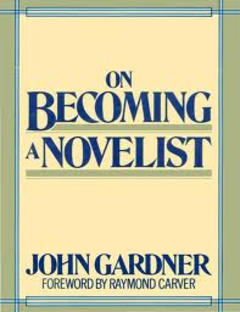
NovelistI had occasion to look into John Gardner’s On Becoming a Novelist for something totally unrelated to the posts I’ve been doing lately on plotting and plot devices. While I was checking through the book for the quote I needed, however, I found a few things he had to say about plot that I thought you might find interesting.

For those of you wondering, this is not the British John Gardner who was tapped to write the 007 pastiches in the 1980’s, but the American one who wrote all that Old English literary criticism, who’s one of the best known teachers of creative writing, with his book The Art of Fiction considered one of the seminal works in the field for students and teachers alike. For those of us in the Fantasy and SF community, however, he’s likely best known as the author of novels like Grendel, and Freddy’s Book, and October Light.

I’m going to share these observations in the order in which they appear, for the most part without regard to context. I won’t apologize for all the male-centric pronouns, I’ll just  point out that the book was published after Gardner’s unexpected death (so no changes could be made in later editions) and that male-centric was the default back then (pre-1982), even for most female writers. Here we go:

The wise writer counts on the characters and plot for his story’s power, not on tricks of withheld information, including withheld information at the end . . .

Read More Read More

Rick Lai and the Secret Histories of Pulp Fiction

Rick Lai and the Secret Histories of Pulp Fiction

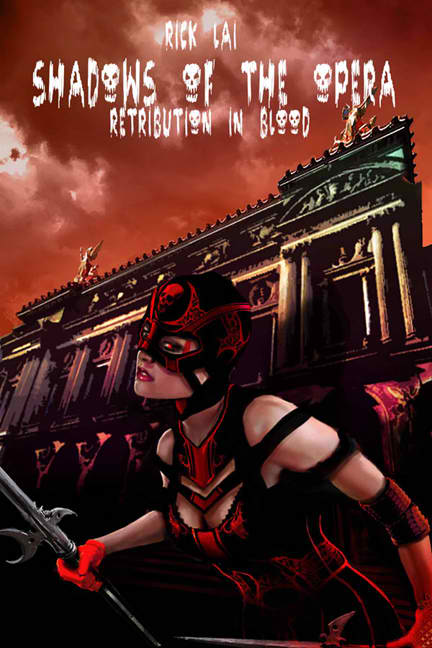
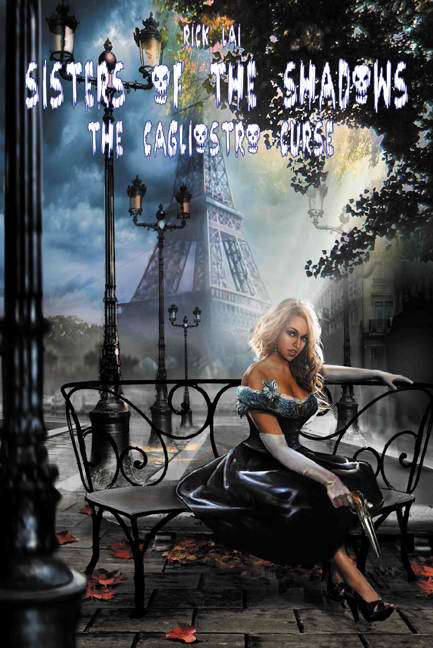
shadows01-01sisters01Pulp historian Rick Lai is perhaps best known for his definitive chronologies of Doc Savage and The Shadow published by Altus Press. The comprehensive nature of these works has inspired more than one reader to wish Lai had dedicated his career to producing similar volumes for all other pulp series. While that particular wish may not be possible to accommodate, he has devoted much of his time and energy for the past quarter century authoring speculative articles on works of imaginative fiction. Some of his literary investigations fall within the Wold Newton framework established by Philip Jose Farmer, while others do not. Much like a dedicated theosophist indifferent to sectarianism, Lai seeks the truth regardless of where the path leads.

Altus Press subsequently published two volumes collecting all of Rick’s articles under the titles Daring Adventurers and Criminal Masterminds. The former features articles concerning the classic pulp hero, The Avenger; as well as more obscure characters created by Talbot Mundy and Robert E. Howard; and multiple articles concerning such well-loved characters as Peter the Brazen, Raffles, Professor Challenger, Arsene Lupin, and Jules de Grandin. The second volume shifts the focus to the villains readers loved to hate such as Fu Manchu and various Yellow Peril clones including Hanoi Shan and Sumuru; Jules Verne’s seminal super criminals, Captain Nemo and Robur the Conqueror; Guy Boothby’s highly obscure Dr. Nikola; Bulldog Drummond’s arch-nemesis, Carl Peterson; and the most famous criminal mastermind of all, Professor Moriarty from the Sherlock Holmes series by Sir Arthur Conan Doyle.

Read More Read More

Goth Chick News – NYT Best Seller Dark Places in Post Production

Goth Chick News – NYT Best Seller Dark Places in Post Production

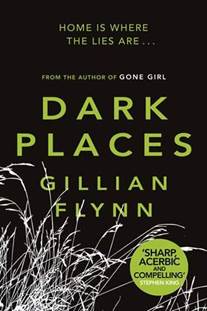
image006This time next year, fellow Chicagoan Gillian Flynn is going to have one heck of a fall season with two of her best-selling novels headed for the big screen.

David Fincher’s high-profile thriller Gone Girl, starring Ben Affleck and Rosamund Pike, releases October 3, 2014 but this week it was announced that Flynn’s earlier cult thriller Dark Places is nearly in the can, with Frenchman Gilles Paquet-Brenner behind the camera and Charlize Theron in front of it.

Dark Places is set to hit theaters September 1, 2014.

Dark Places was published in 2009 and at the time was listed on the New York Times Best Seller List for hardcover fiction for two consecutive weeks. The book was also shortlisted for the Crime Writers’ Association Ian Fleming Steel Dagger Award and won the Dark Scribe Magazine Black Quill Award for Dark Genre Novel of the Year.

Flynn’s more recent novel, Gone Girl, spent eight weeks at No. 1 on the hardcover fiction best-seller list of The New York Times, and has sold more than two million copies in print and digital formats.

In addition to Oscar-winner actress Charlize Theron, Dark Places will also star Nicholas Hoult (Warm Bodies), Chloë Grace Moretz (Carrie), Corey Stoll (House of Cards) and Emmy Award nominated actresses Christina Hendricks (Mad Men) and Drea de Matteo (Sons of Anarchy).

The plot sees the seven year-old Libby Day witness the murder of her family, seemingly the work of a Satanic cult, and testify against her own brother (Stoll) as the murderer.

Read More Read More

Magic: Let’s Ditch Clarke’s 3rd Law!

Magic: Let’s Ditch Clarke’s 3rd Law!

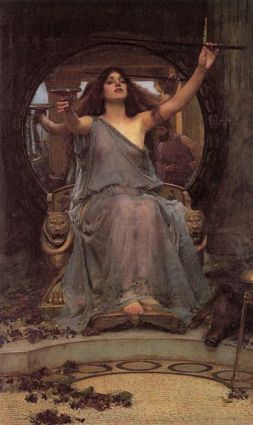
357px-Circe_Offering_the_Cup_to_Odysseus
“Any sufficiently advanced technology is indistinguishable from magic.” No it’s not.

People love to cite Clarke’s 3rd Law: “Any sufficiently advanced technology is indistinguishable from magic.”

No it’s not.

Grand old man that he was (and it’s true that his Pompeii-like as-he-left it home is fascinating if you can bribe your way in), we should put this law to bed.

Read More Read More

The Series Series: Tales from Rugosa Coven by, Um, Me

The Series Series: Tales from Rugosa Coven by, Um, Me

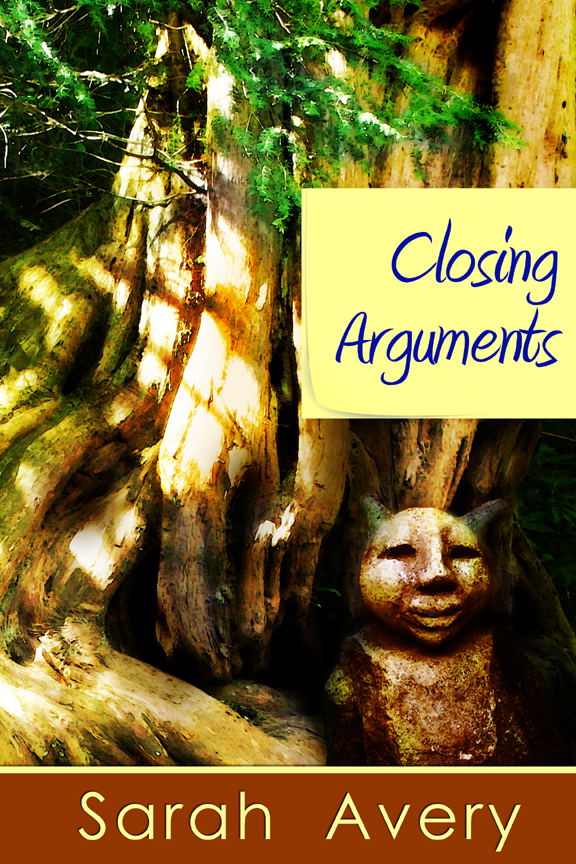
While we wait for my current publisher to send me the new cover art, here’s my last publisher’s art for a novella in the Rugosa Coven Series.

A tight deadline for turning around my galley proofs meant I had to choose: either skip my regular blogging gig here, or blog about the only book I’ve had time to look at for the past two weeks: my own. I can’t very well review a book I wrote–not just because of the temptation to brag about it, but also because the nitpicky galley proof process is forcing me to second-guess every word of it, at a point in the production process in which only a few of those words can be changed. Should you buy my book? If anyone had asked me last night while I was doing battle for the last time with a paragraph that has been driving me crazy for the past seven years, I honestly don’t know what I’d have said. John O’Neill assures me that Black Gate‘s readers will be interested in my own experience writing a fantasy series and preparing it for publication, so here goes.

Once upon a time, there was a call for short story submissions from a horror magazine. The editors were looking for very short works of psychological horror on the theme of “the life interrupted.” I tend to write long, and I’d never written horror before (and since the story that came to me grew up to be a comedy, I still haven’t), so I thought I’d challenge myself by trying to write something for the call. I wanted to start with a character whose life, pre-interruption, was already unusual. My protagonist arrived in my head by way of this personal ad on the fictitious dating website PaganSingles.com:

Divorced Wiccan female, 32, seeks realistic rebound guy. Petite and trim brunette. Enjoys the ocean, 19th century novels, long Sunday mornings with the New York Times. Atlantis cranks need not apply.

What would be the most horrifying interruption possible in the life of a skeptical post-modern Neo-Pagan who prides herself on not being a New Ager? Discovering that the New Agers were right about something, anything, and why not Atlantis?

Read More Read More