Retrofitting, And When It Doesn’t Work
 I don’t know if I’ve mentioned it before, but I’m married to a builder. Over the years I’ve observed (judging by the level of bitching) that it’s easier to start from scratch than it is to retrofit. Still, there’s a way to do it well, and a way to screw it up.
I think that’s true of writing as well. I’ve already talked about sequels, and how genre writers in particular have to be careful to remember the details of the worlds they’ve created previously. However, when an author who’s twenty years into a series gets the colour of someone’s eyes wrong, or forgets that they’ve once said their protagonist was an only child, you have to figure that’s an honest mistake, and cut the writer some slack.
But what about conscious, deliberate changes? I’m not talking about reboots, or spin offs. They have their own problems. And I’m not talking about the changes that naturally occur when you’re adapting one media to another. No, I’m talking about sequels where the writer/creator seems to think that no one will remember what’s already been established. You know, where the writer/creator says “Oh yeah, I know I said she was an only child, but now I need her to have a brother, so she does.”
Yes, I’m talking to you, George Lucas.

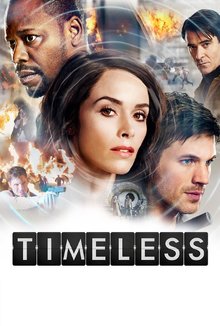 It’s not often that we in the Fantasy and SF community get two time-travel related productions – the movie Arrival, and the TV series Timeless – at once. Even better, we’re being served two different theories of time, and time travel. (There might be some spoilers for those of you who haven’t seen either film or TV show, so watch out.)