Browsed by
Category: Books

Birthday Reviews: Robert Silverberg’s “When We Went to See the End of the World”
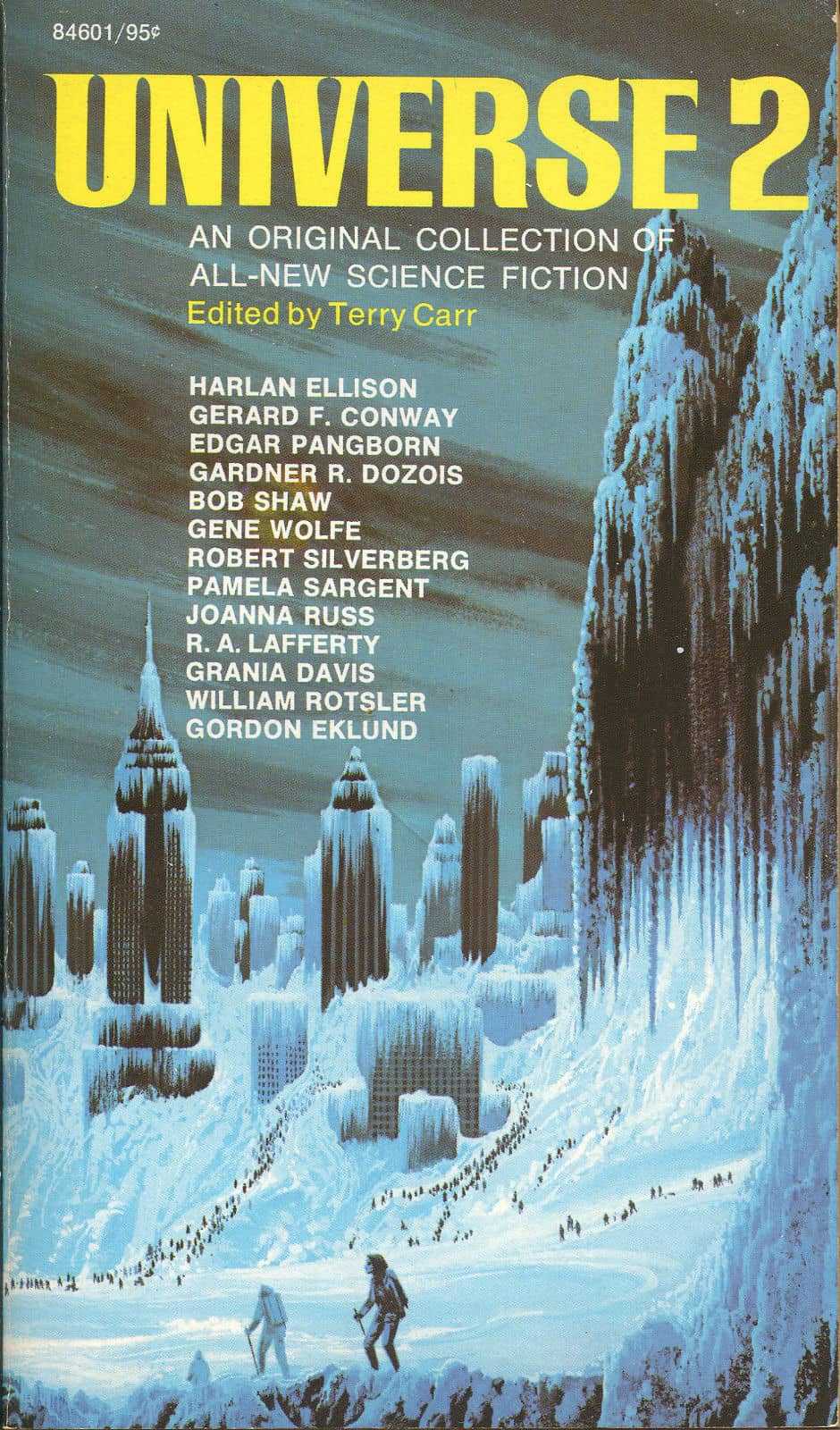
Birthday Reviews: Robert Silverberg’s “When We Went to See the End of the World”

 Cover by Dean Ellis
Cover by Dean Ellis

Robert Silverberg was born on January 15, 1935. In 1956, he won a Hugo for being the Most Promising New Author, nearly two decades before the John W. Campbell, Jr. Award debuted. He has subsequently won two Hugo Awards for Best Novella and one for Best Novelette. Silverberg has also received two Nebula Awards for Best Short Story, two more for Best Novella, and one for Best Novel.

He has won or been nominated for numerous other awards. Silverberg was a Guest of Honor at Heicon ‘70, the 28th Worldcon, held in Heidelberg, Germany. He was inducted into the Science Fiction Hall of Fame in 1999 and named an SFWA Grand Master in 2004. Other lifetime achievement awards include the Big Heart Award, the Forry Award, the Prix Utopia, the Skylark Award, the Milford Award.

“When We Went to See the End of the World” was published in Universe 2 in 1972 by Terry Carr. The story was nominated for both the Hugo and Nebula Award. Carr reprinted it the following year in The Best Science Fiction of the Year #2, and Isaac Asimov included it in Nebula Award Stories Eight. Lester del Rey also included it in his Best Science Fiction Stories of the Year, Second Annual Collection. It has since been included in several collections and anthologies and has been translated into Italian, Dutch, German, French, and Russian.

“When We Went to See the End of the World” is set at a cocktail party which in many ways seems very much of the early seventies when the story was written. Casual sex and marijuana are routine, but the main focus of the story is Nick and Jane telling the rest of the attendees about their recent excursion to see the end of the world.

Such excursions are new, only recently having come down from a price where only millionaires could afford to go, so Nick and Jane gained social status by being the first in their neighborhood to see the end of the world, and Nick sees the opportunity to have an affair with a neighbor’s wife.

Their status, and Nick’s chances for an affair, appear to be ended when a couple of latecomers to the party indicate that they have also taken the journey to the end of the world, although the world they saw was extremely different from what Nick and Jane had experienced. Before either couple can accuse each other of lying about their experiences, another couple announces that they completed the journey and saw someone else when they were there.

The story is a reasonably light-hearted look at a common idea in science fiction and presents a reasonable explanation for the multiple experiences the party-goers who visited the end of the world had. At the same time, since all of the activity takes place in the confines of the cocktail party, it is quite possible to read “When We Went to See the End of the World” is a story about people trying to one up each other, rather than relating their actual experiences.
Read More Read More

Vintage Treasures: Dark Imaginings: A Collection of Gothic Fantasy edited by Robert H. Boyer and Kenneth J. Zahorski

Vintage Treasures: Dark Imaginings: A Collection of Gothic Fantasy edited by Robert H. Boyer and Kenneth J. Zahorski

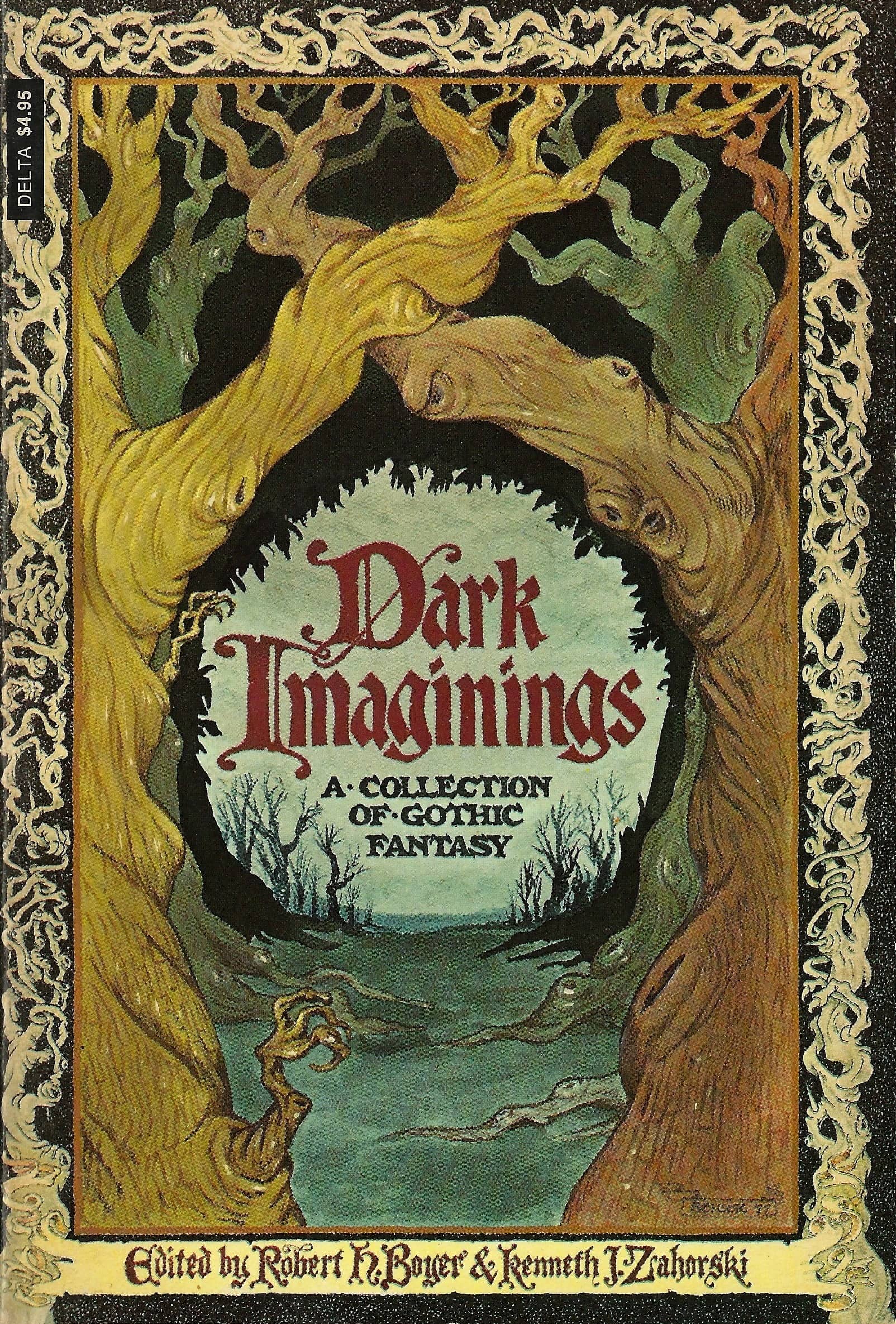
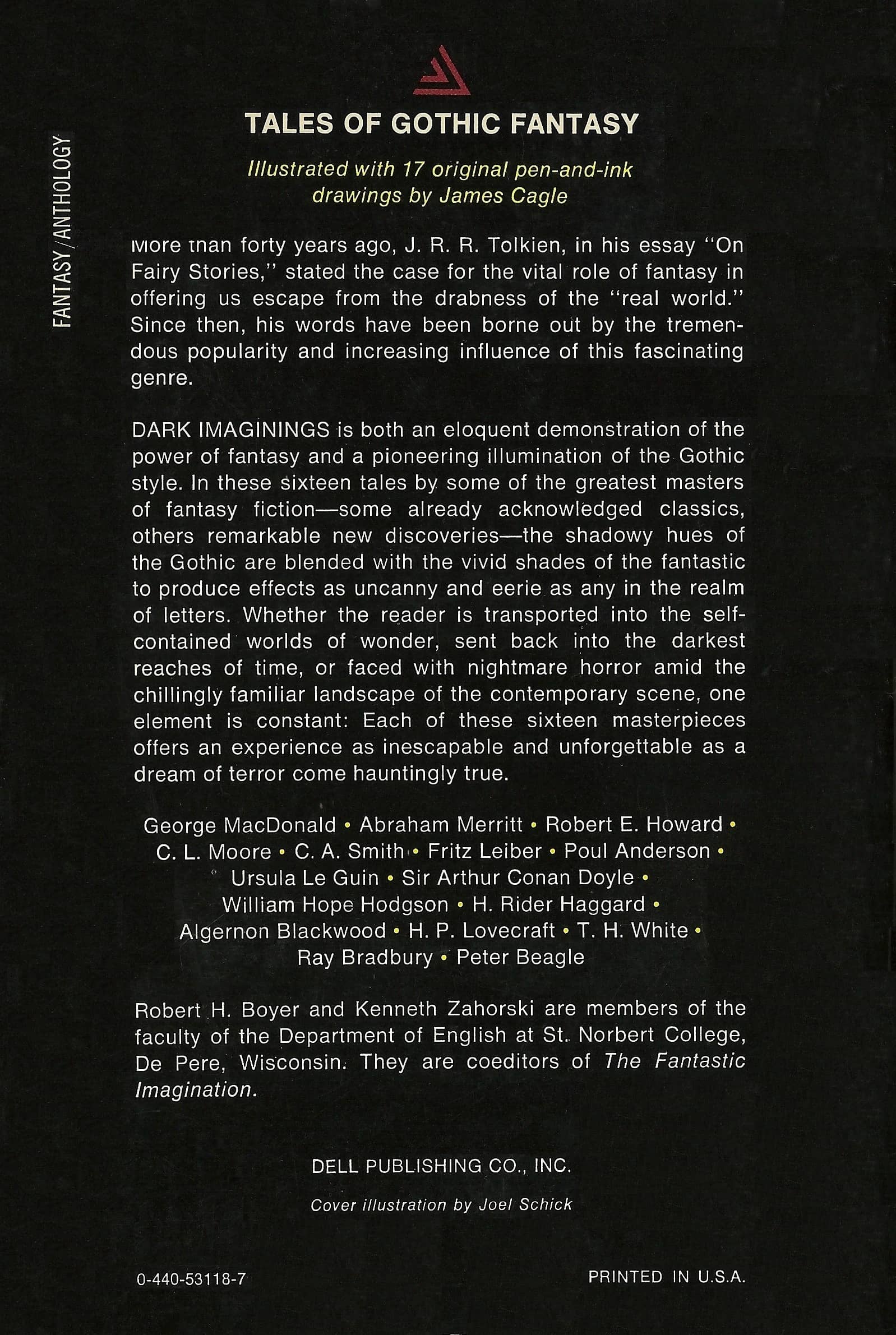
Dark Imaginings 1978-small Dark Imaginings 1978-back-small


Dark Imaginings
, edited by Robert H. Boyer and Kenneth J. Zahorski (Delta, July 1978). Cover by Joel Schick

Dark Imaginings is the first dark fantasy anthology I can remember lusting after in a bookstore. It was published in 1978, when I was 14 years old, at the lordly price of $4.95 — pretty steep in an era when a typical paperback was a buck fifty, even for a big oversized trade paperback.

In those days I would make weekly sojourns to downtown Ottawa every Saturday afternoon to hunt through the used bookstores on Bank Street for science fiction paperbacks, and I would gaze at it longingly on the bookshelf at WHSmith, or take it down and thumb through it. Joel Schick’s beautiful cover, featuring a canopy of dead, grasping trees in a twisted wood, spoke to me of dark tales whispered by strangers on Halloween. Man, I wanted this book.

And who wouldn’t? Dark Imaginings is packed with classic tales of gothic fantasy, including a Kull tale by Robert E. Howard, a Northwest Smith novelette by C. L. Moore, an Averoigne story by Clark Ashton Smith, a Fafhrd and the Gray Mouser tale by Fritz Leiber, a Cthulhu Mythos story by H. P. Lovecraft, a novel excerpt from Poul Anderson, and ten more stories. Each is illustrated with a sparse b&w pencil sketch by James Cagle. It’s a fine volume to curl up by the window with on a blustery winter evening, as I learned when I finally bought a copy, over a decade later.

Read More Read More

Future Treasures: The Beauty by Aliya Whiteley

Future Treasures: The Beauty by Aliya Whiteley

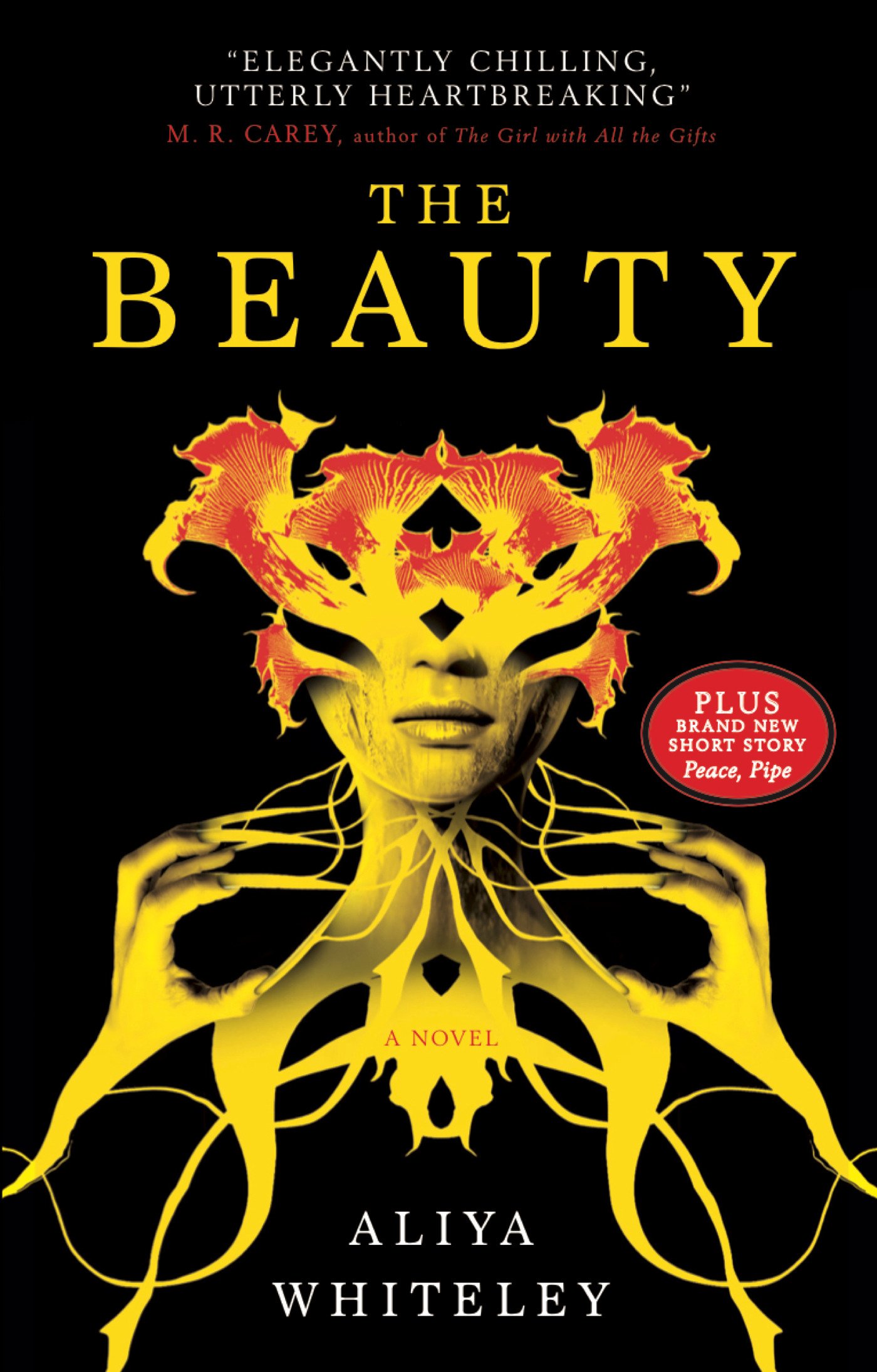
The Beauty Aliya Whiteley-smallI don’t know about you lot, but I like my dystopian horror filled with cosmic weirdness, strange fungi, and terrifying tales told around post-apocalyptic campfires.

Okay, that’s fairly specific. I blame the pre-release copy for Aliya Whiteley’s novella The Beauty, which has admittedly sparked my imagination. The Beauty was originally published in the UK in 2014 by Unsung Stories, where it was promptly nominated for the Shirley Jackson and Saboteur awards, and chosen by Adam Nevill as one of his favorite horror tales. He calls it “A story of cosmic fecundity and fungal weirdness that I couldn’t put down.” Kirkus Reviews labeled it “gut-wrenching… renders a world that exists somewhere between post-apocalyptic and fable-esque… unforgettably grotesque.” It arrives in trade paperback next week from Titan Books.

Somewhere away from the cities and towns, in the Valley of the Rocks, a society of men and boys gather around the fire each night to listen to their history recounted by Nate, the storyteller. Requested most often by the group is the tale of the death of all women.

They are the last generation.

One evening, Nate brings back new secrets from the woods; peculiar mushrooms are growing from the ground where the women’s bodies lie buried. These are the first signs of a strange and insidious presence unlike anything ever known before…

Discover the Beauty.

The Beauty will be published by Titan Books on January 16, 2018. It is 288 pages, priced at $12.95 in trade paperback and $7.99 for the digital version.

See all our coverage of the best in upcoming fantasy, SF and horror here.

The Top Five Books I Read in 2017

The Top Five Books I Read in 2017

Ghost-Talkers-Mary-Robinette-Kowal-smaller Red Country Joe Abercrombie-small Revenger-Alastair-Reynolds-smaller

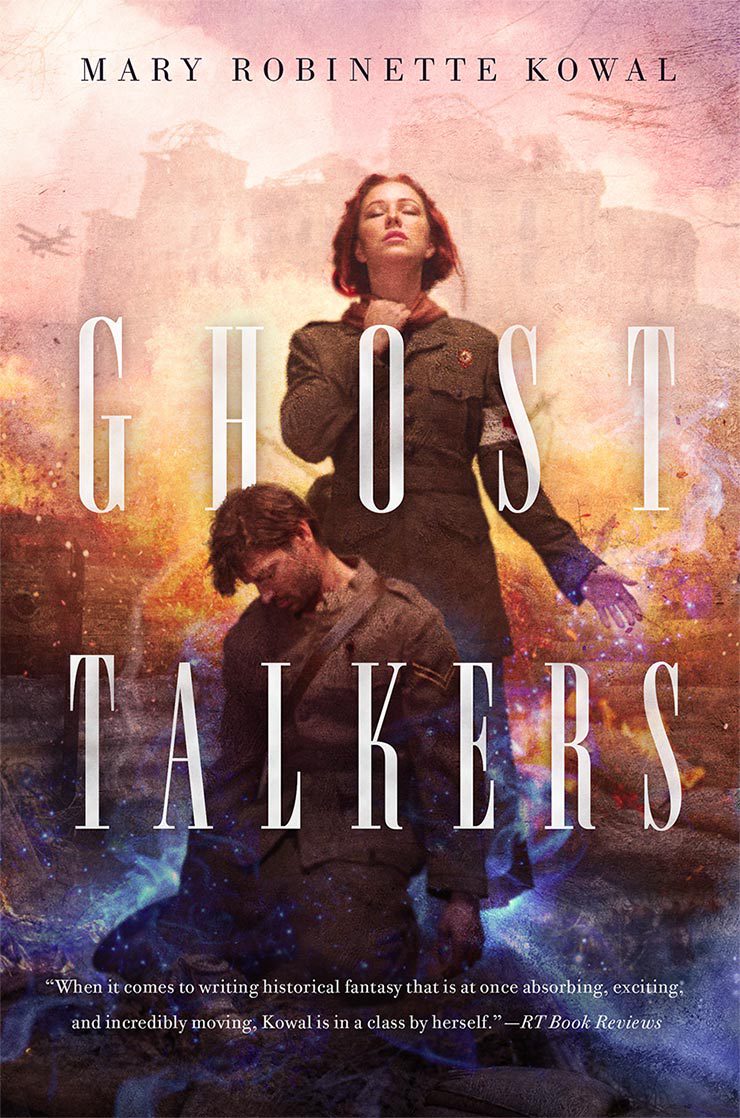
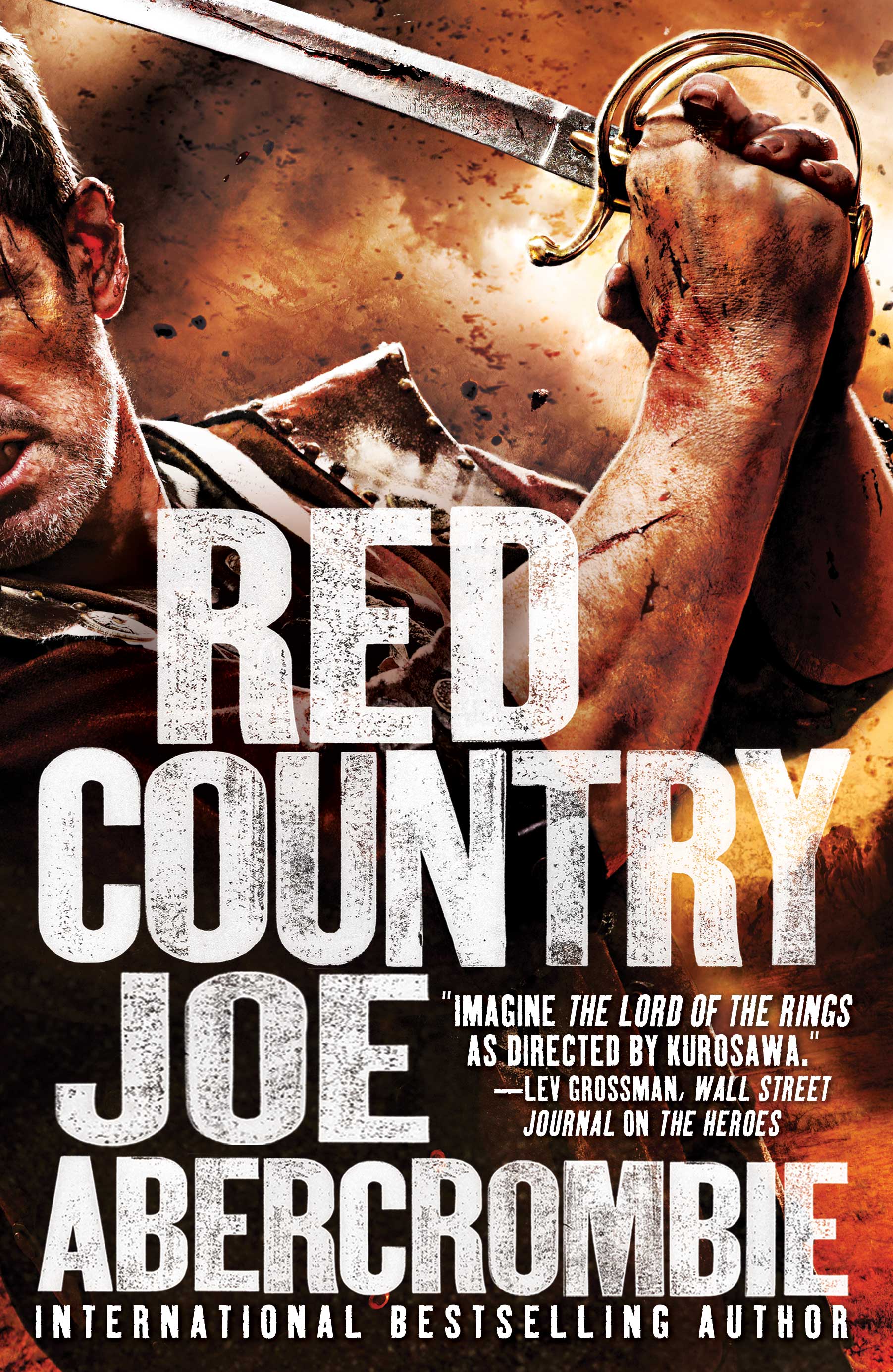
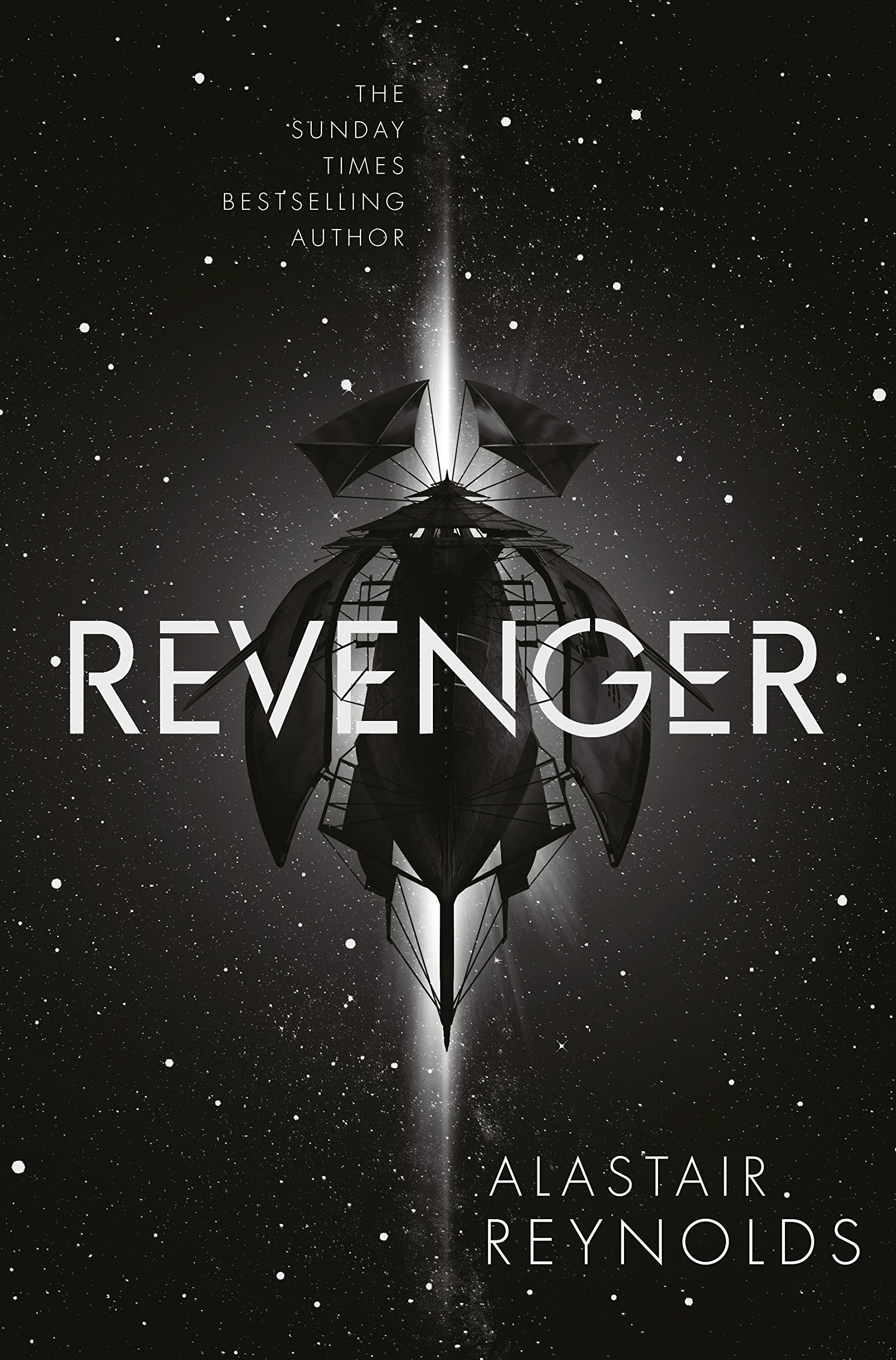
Another year has passed, dear readers, which means that I’m mandated to assess the books I read in 2017 and declare my favorites. Of course, this mandate is self-imposed, and the difficulty of figuring out which books to pick this year is also self-inflicted. I’ve learned how to put down a book after 50 pages if I don’t enjoy it and move on, which means that the books I finished this year are all ones that I enjoyed on some level. I know, woe is me. But cut me some slack, because instead of a cop-out top ten list like last time, this year I forced myself to cut down my selections and present you with a Top Five. Note that these aren’t necessarily all books released in 2017; I just happened to read them in the last year.

Last year, I made an offhand comment that if I was forced under pain of death to absolutely pick a #1 title for 2016, I’d have chosen An Inheritance of Ashes by Leah Bobet. I’ve decided that for each of these annual posts (presuming I’m still around here in a year’s time) I’m going to nominate one book as my top pick for the year, and then list the rest in alphabetical order. Any ranking beyond #1 is going to be arbitrary anyway, since each of these novels is amazing in different ways.

Read More Read More

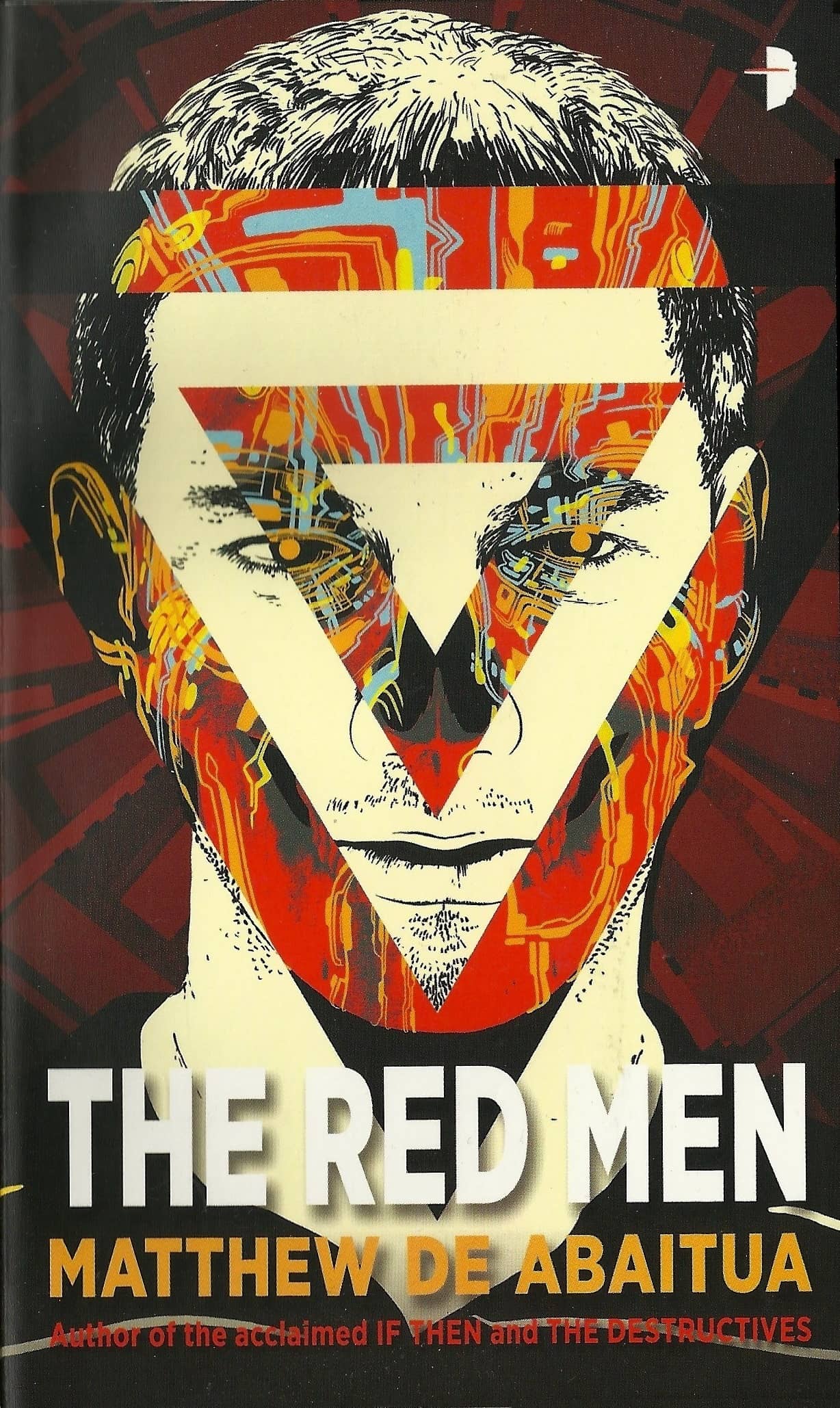
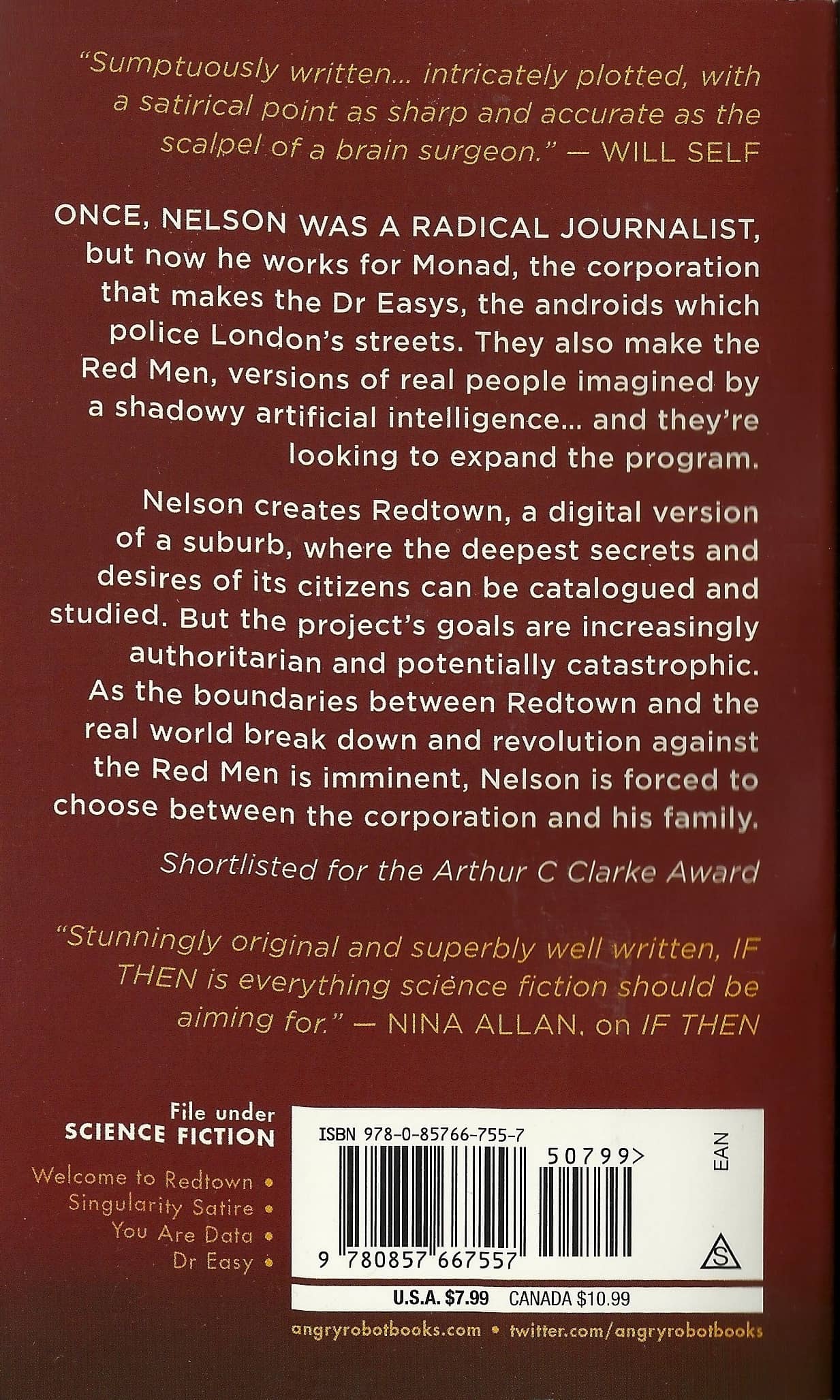
New Treasures: The Red Men by Matthew de Abaitua

New Treasures: The Red Men by Matthew de Abaitua

The Red Men Matthew de Abaitua-small The Red Men Matthew de Abaitua-back-small

The Red Men, Matthew de Abaitua’s debut novel, was originally published in trade paperback in 2009 by British fantasy small press Snowbooks. This is the first US edition. It follows de Abaitua’s two previous novels with Angry Robot, IF THEN and The Destructives.

In his acknowledgements de Abaitua says the theory of time as a solid state that he explores in the book “was put to me in an Italian restaurant in Northampton by Alan Moore.” The Red Men was shortlisted for the Arthur C. Clarke award, and filmmakers Shynola adapted the first chapter into a gripping short called Dr. Easy, which you can watch here. The book was widely praised when it first appeared; Will Self said “De Abaitua operates on the smiling face of the present to reveal the grimacing skull of the future.” And Golden Apples of the West said “With The Red Men, De Abaitua joins the ranks of Philip K Dick, J G Ballard, Rudy Rucker and Lavie Tidhar, writers who see and understand what’s happening to reality before the rest of us do.”

The Red Men was published by Angry Robot on November 7, 2017. It is 368 pages, priced at $7.99 in paperback and $6.99 for the digital version. The cover is by Raid71.

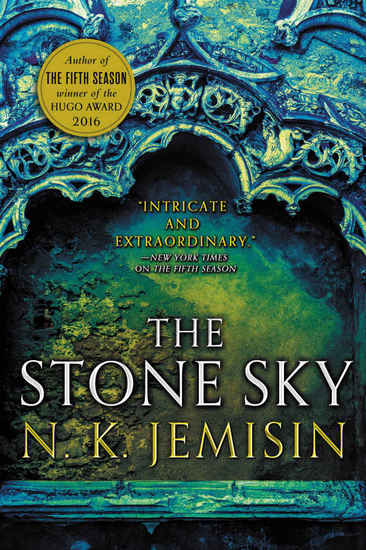
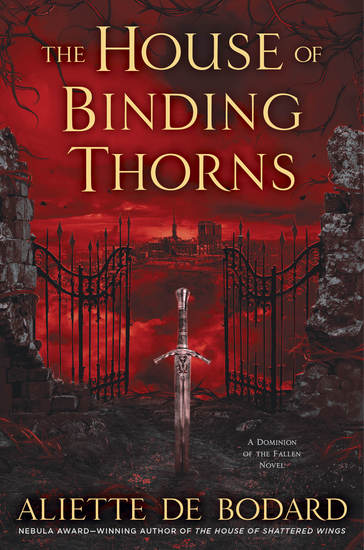
John DeNardo on the Definitive List of 2017’s Best Science Fiction and Fantasy

John DeNardo on the Definitive List of 2017’s Best Science Fiction and Fantasy

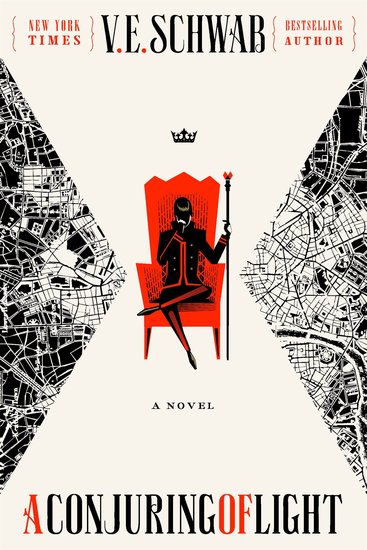
The-Stone-Sky-N.K.-Jemisin-smaller The-House-of-Binding-Thorns-smaller A Conjuring of Light-small

As he does every year, John DeNardo breaks down the Best of the Year lists to find the most widely acclaimed science fiction, fantasy, and horror books of the last 12 months. Why does he do it?

I love looking at book-related “Best of the Year” lists because it’s fun to see what made the cut and how lists differ from one another. Even better: lists stoke my desire to read and point me towards books I may have otherwise skipped over. However, an abundance of “Best of” lists begs the question: which books truly deserve that label? Which books are the absolute best?

Intent to find some concrete answer to those admittedly subjective questions, I began an intense session of OCD-fueled list aggregation and spreadsheet manipulation to find which science fiction and fantasy books garnered the most mentions. The result is a very unscientific ­— but nonetheless worthwhile — “Best of the Best” list of the science fiction and fantasy books that debuted in 2017.

For those (like me) who want to read the books that everyone is talking about, and get a jump on the 2018 awards season, John’s meta-list is invaluable. Let’s see what’s on it.

Read More Read More

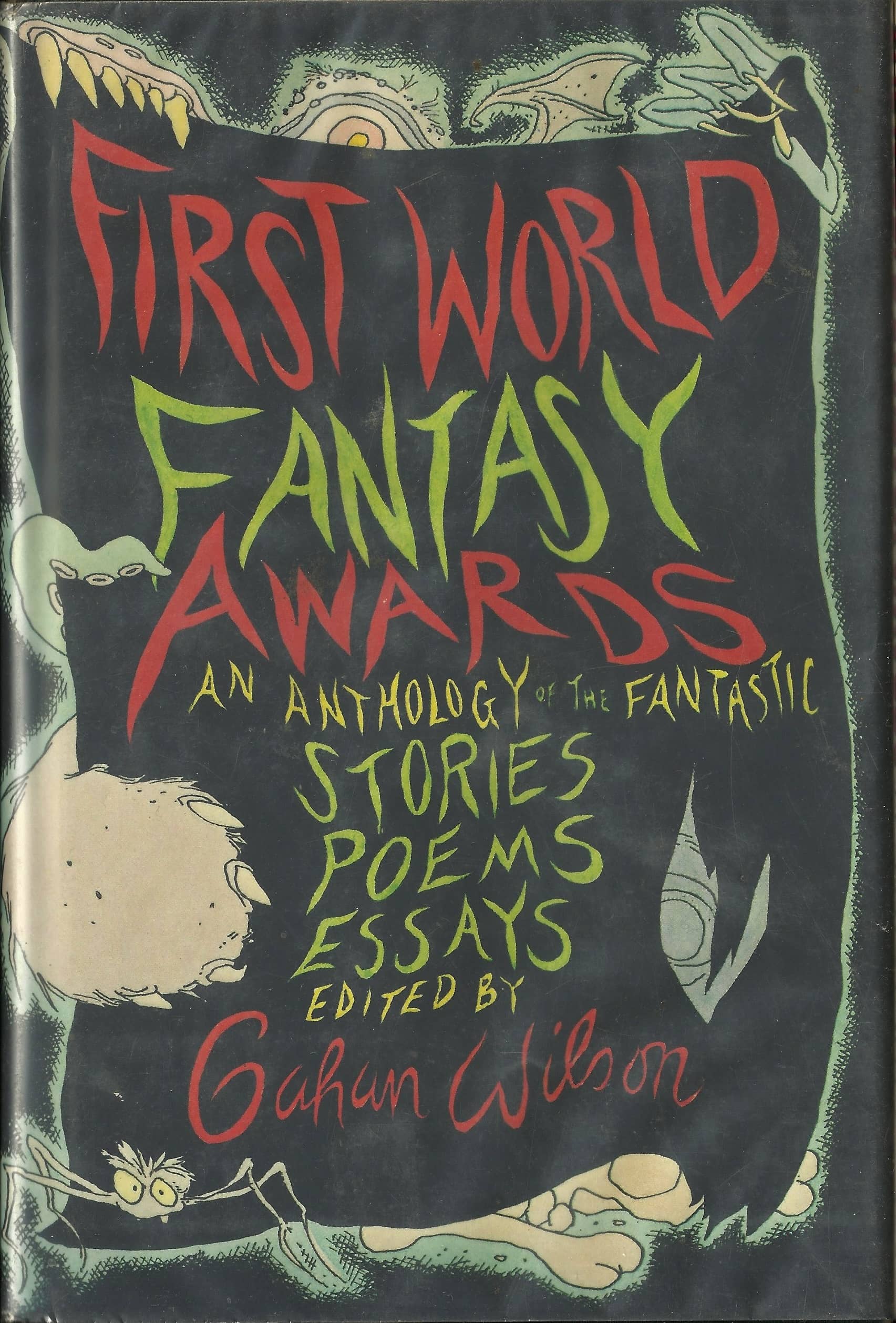
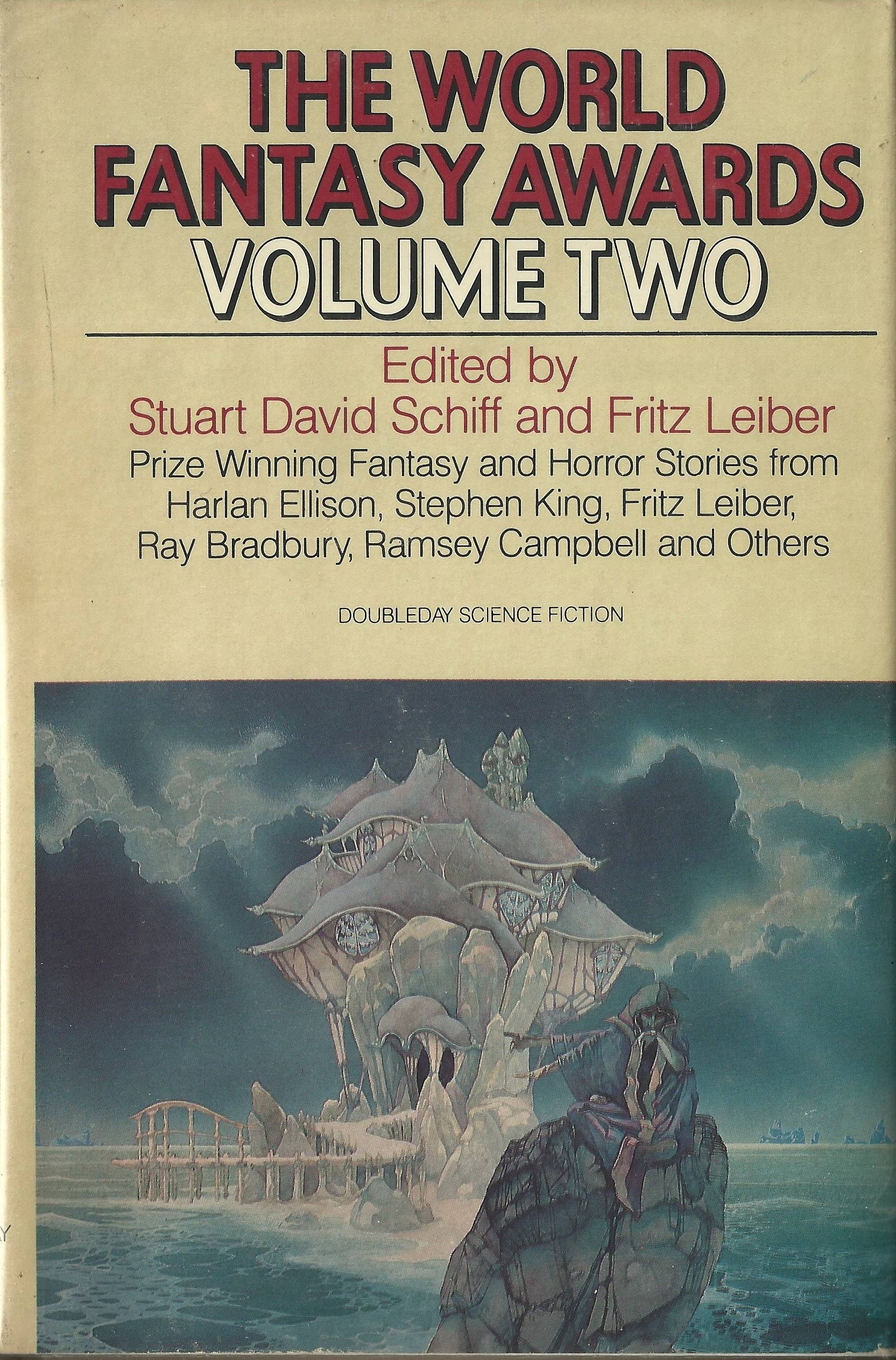
Vintage Treasures: The World Fantasy Awards, Volume One and Two

Vintage Treasures: The World Fantasy Awards, Volume One and Two

First World Fantasy Awards-small The World Fantasy Awards Volume Two-small

The World Fantasy Convention is my favorite convention by a pretty fair margin, and the highlight of the con every year is the presentation of the World Fantasy Awards. They were first given out at the very first World Fantasy Convention in Providence, Rhode Island in 1975, and they’ve been awarded every year since. The list of recipients is like a Who’s Who of the major authors in the genre, and the award has come to be the most significant honor in American fantasy, alongside the Nebula and Hugo Awards (both more generally given to works of science fiction).

The Nebula Award winners are collected annually in the Nebula Awards Showcase, which has been continuously published for 51 years (we covered the latest volume, edited by Julie E. Czerneda, here), and the Hugo Winners were famously collected in some of the most popular SF anthologies of all time, Isaac Asimov’s The Hugo Winners, which ran to multiple volumes (we looked at that series here). But even most SF collectors are unaware that there are two volumes collecting World Fantasy Award winners, originally published in hardcover by Doubleday in 1977 and 1980.

Read More Read More

Birthday Reviews: George Alec Effinger’s “Albert Schweitzer & the Treasures of Atlantis”

Birthday Reviews: George Alec Effinger’s “Albert Schweitzer & the Treasures of Atlantis”

Alternate Warriors-small Alternate Warriors-back-small

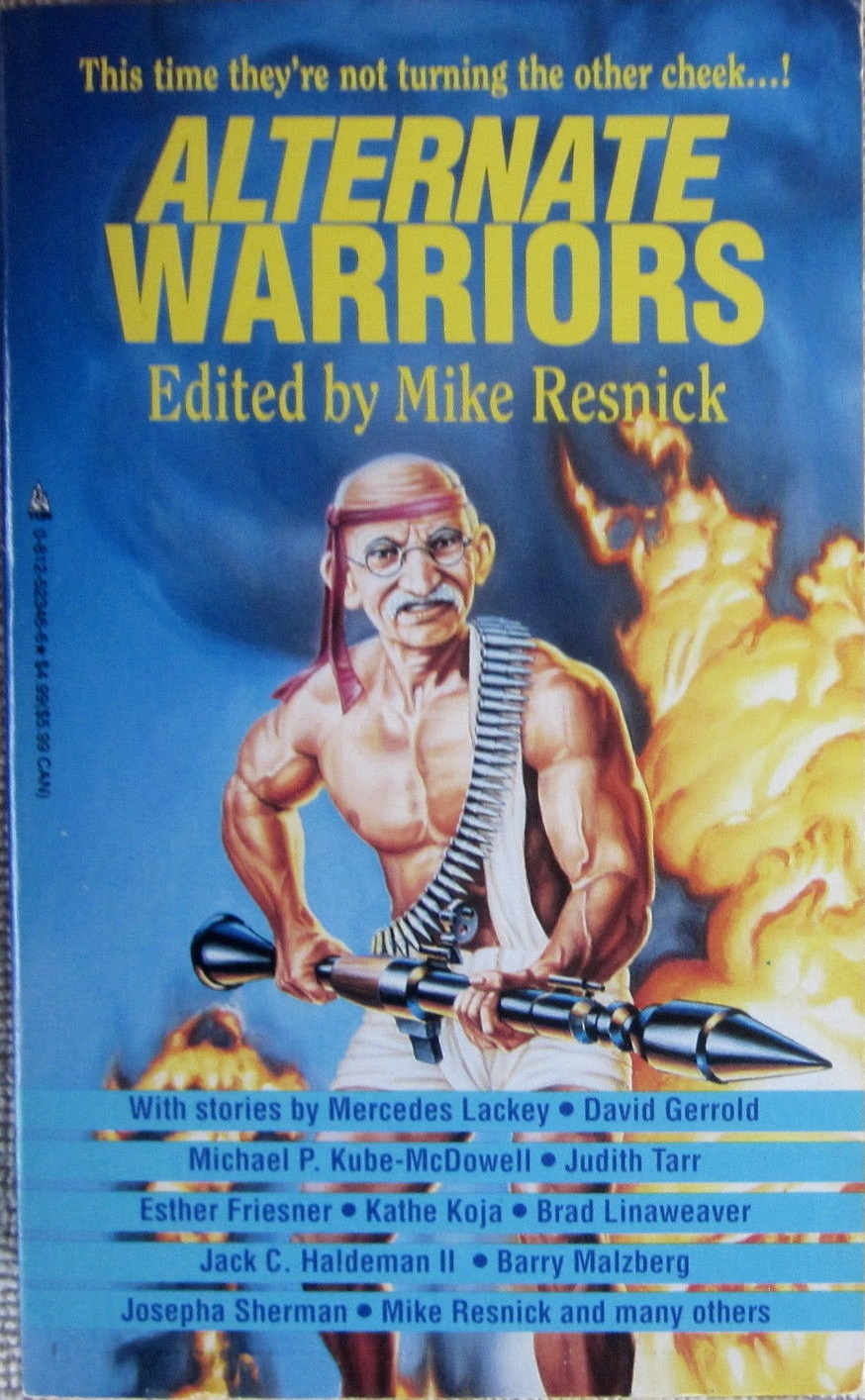
Cover by Barclay Shaw

Most days in 2018, I’ll be selecting an author whose birthday is celebrated on that date and reviewing a speculative fiction story written by that author.

George Alec Effinger was born on January 10, 1947 and died on April 27, 2002. He was married three times, the second time to artist Beverly Effinger and the third time to science fiction author Barbara Hambly. He was a John W. Campbell, Jr. finalist in the award’s inaugural year and the Southern Fandom Confederation presented him with the Phoenix Award in 1974. His story “Schrödinger’s Kitten” received the Hugo, Nebula, and Sturgeon Award in 1989. Effinger wrote the popular Budayeen series, comprised of several short stories and the novels When Gravity Fails, A Fire in the Sun, and The Exile Kiss. He also wrote pastiches of several types of pulp adventure stories featuring his character Maureen Birnbaum, Barbarian Swordsperson.

His short story “Albert Schweitzer and the Treasures of Atlantis” was written for Mike Resnick’s alternate history anthology Alternate Warriors, in which each story takes an unlikely historical figure and turns them into a fighter. The story has never been reprinted.

Read More Read More

Future Treasures: 95 Sci-Fi & Fantasy Books to Read in 2018

Future Treasures: 95 Sci-Fi & Fantasy Books to Read in 2018

Myke Cole THE ARMORED SAINT-small The Robots of Gotham-small Outpost W. Michael Gear-small

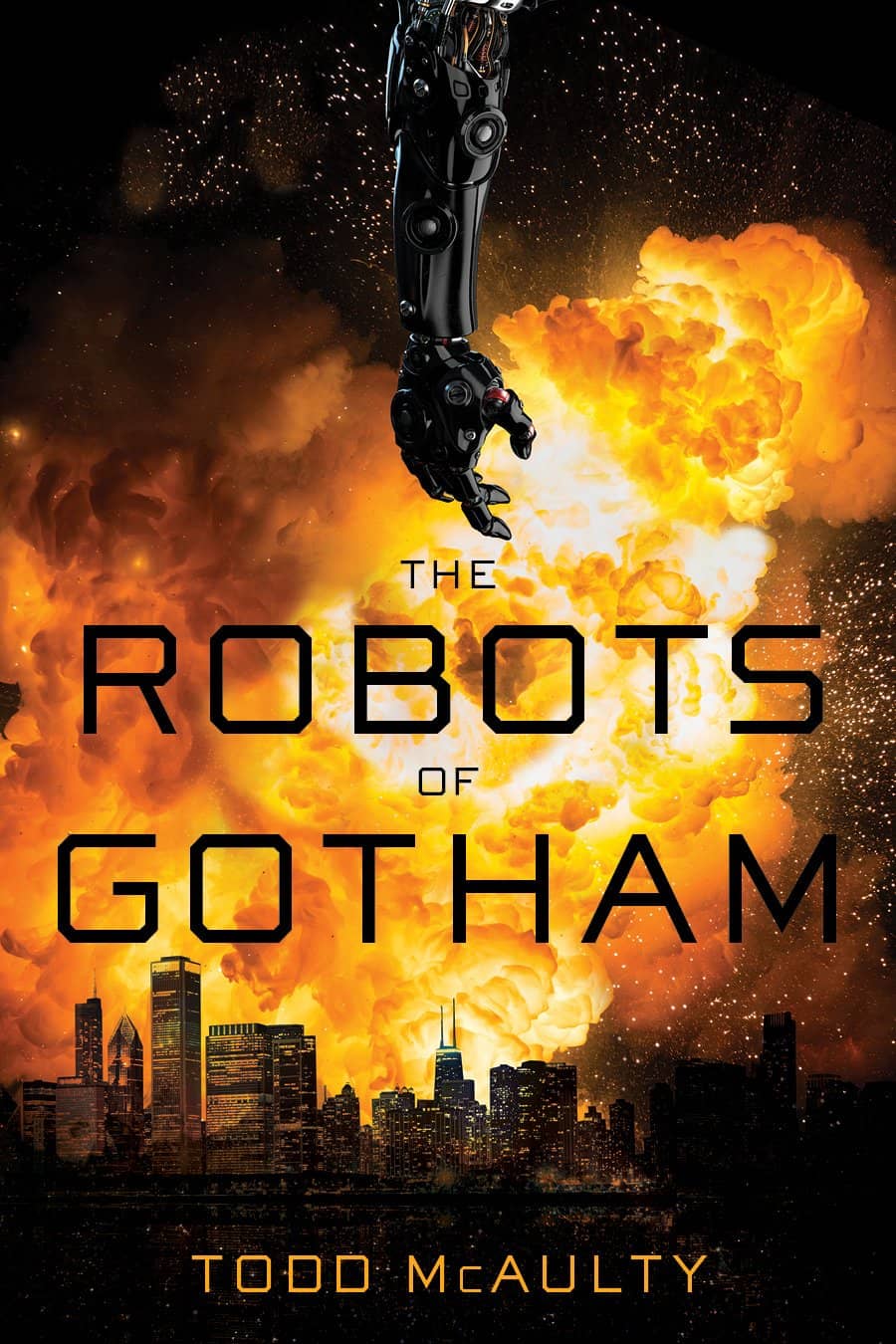
Hand in hand with the new year comes brand new schedules from the major genre publishers like Tor, DAW, Ace, Angry Robot, Solaris, Houghton Mifflin Harcourt, and many others. The Barnes & Noble Sci-Fi and Fantasy Blog has compiled a magnificent list of 95 Books Sci-Fi & Fantasy Editors Can’t Wait for You to Read in 2018, and I was surprised and delighted to see Black Gate authors well represented, including Myke Coke, Todd McAulty, and Patrice Sarath.

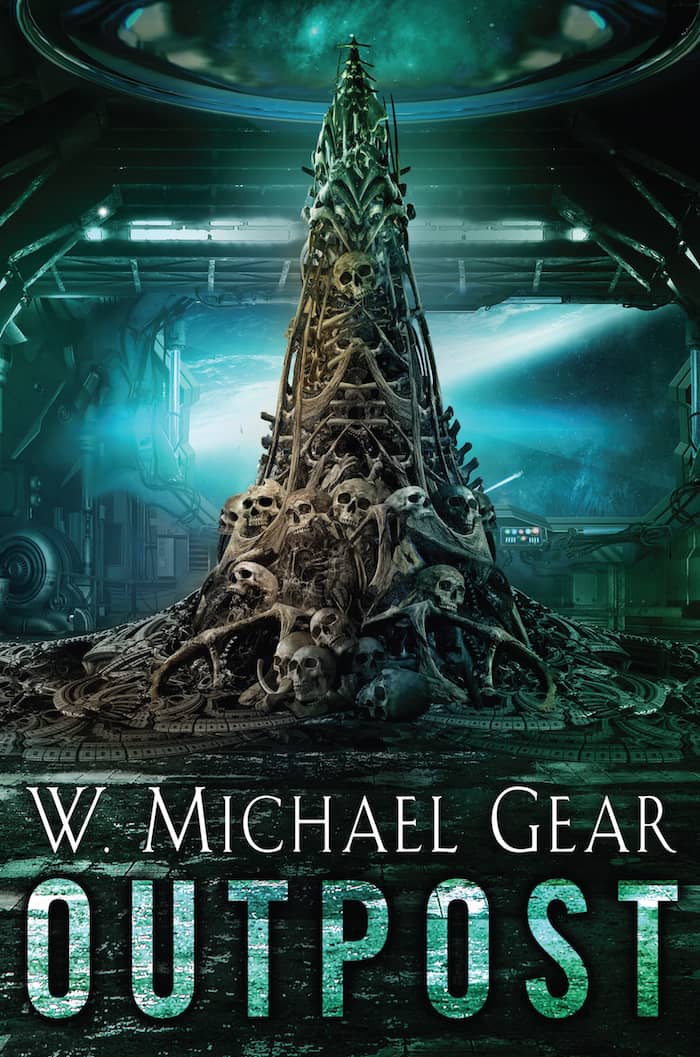
There’s also plenty of other enticing titles, including books by W. Michael Gear, Tim Powers, Yoon Ha Lee, Seanan McGuire, Jim Butcher, S.K.Dunstall, Peter McLean, David Weber, Kristen Britain, Sylvain Neuvel, Carrie Vaughn, Dale Bailey, Molly Tanzer, Rich Larson, Kameron Hurley, Nancy Springer, Peter Watts, Ian McDonald, Dan Abnett, and many others. Here’s a few of the hightlights.

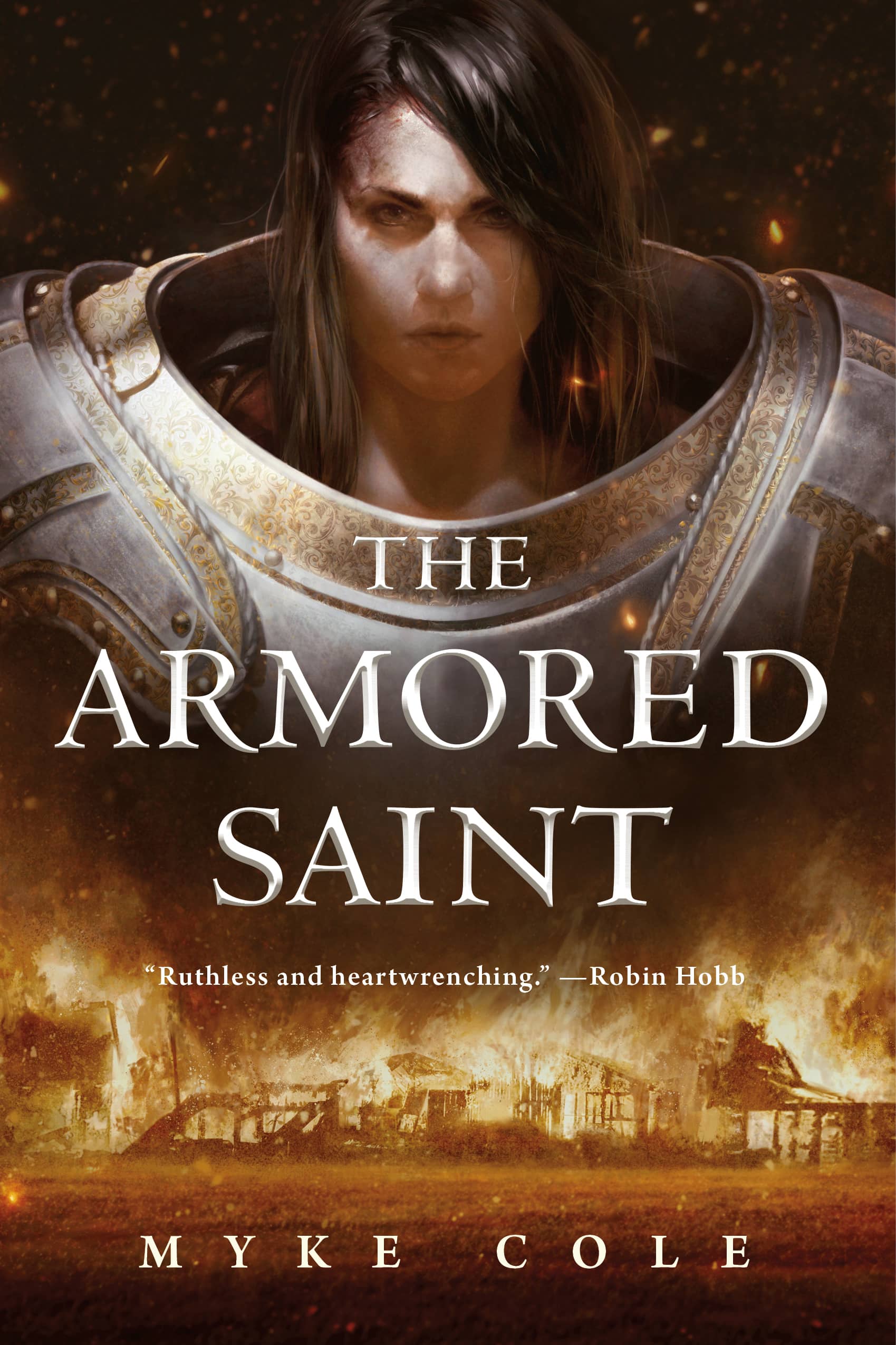
The Armored Saint, by Myke Cole (Tor.com, 208 pages, $17.99 in hardcover, February 20)

This is a fabulous tale of bravery versus doubt, of magic versus religion and of humanity versus its demons (both real and metaphorical). A truly action-packed fantasy, with a heroine you can’t help but adore, and Myke Cole’s long-overdue foray into hardcover fiction. Book one in a series of three, and one not to be missed! — Lee Harris

Read More Read More

The High House by James Stoddard

The High House by James Stoddard

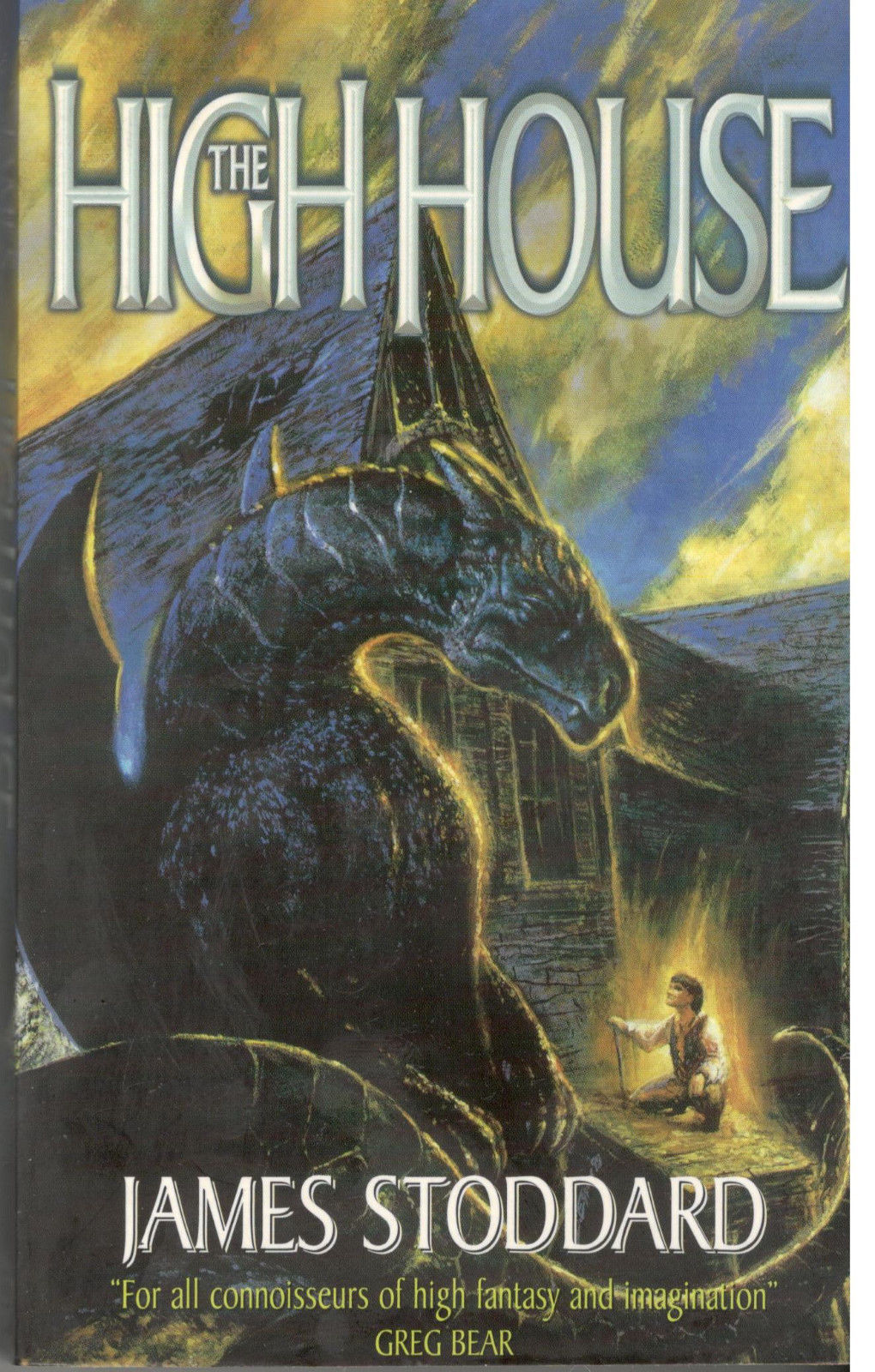
51nkGCbEv1LI need to find some new superlatives for the books I read. Too often I fall back on “terrific” or “awesome” or just plain “great.” Those are all stalwart words, but after I’ve described two or three books with them, it just seems lazy to describe the next two or three with the same exact words. I do it to make clear I liked a particular book and that I think it’s worth Black Gate readers’ attention, but it’s really lazy of me to just keep using the same superlatives again and again. That said, James Stoddard’s The High House (1998) is exceptional, superb, and top-notch.

The High House of Evenmere is

a truly beautiful pile of building, all masonry, oak, and deep golden brick, a unique blend of styles — Elizabethan and Jacobean fused with Baroque — an irregular jumble balancing the heavy spired tower and main living quarters on the western side with the long span flowing to the graceful L of the servants’ block to the east. Innumerable windows, parapets, and protrusions clustered like happy children, showing in their diversity the mark of countless renovations. Upon the balustrades and turrets stood carved lions, knights, gnomes, and pinecones; iron crows faced outward at the four corners. The Elizabethan entrance, the centerpiece of the manor, was framed by gargantuan gate piers and pavilions, combining Baroque outlines with Jacobean ornamentation.

The building “is the mechanism that propels the universe, (. . .) If the Towers’ clocks are not wound their portion of Creation will fall to Entropy.”

Lord Ashton Anderson is responsible for protecting the High House. The foremost enemy of the house is the Society of Anarchists, led in the field by the Bobby, a man dressed in the uniform of a police constable and with a face from which the features sometimes vanish, leaving him looking like a “faceless doll.”

The story, though, is not Lord Anderson’s, but his son Carter’s. When Carter is nearly killed and the Bobby steals the Master Keys, Lord Anderson sends his son away for safety. Carter doesn’t return for fourteen years, during which time his father vanished while on expedition in the land of the Tigers of Naleewuath.

Read More Read More