Kij Johnson was born on January 20, 1955. Johnson won the Nebula in three consecutive years for her short stories “Spar,” “Ponies,” and the novella “The Man Who Bridged the Mist.” “The Man Who Bridged the Mist” also received the World Fantasy Award, Hugo Award, and Asimov’s Reader Poll. Johnson also won a World Fantasy Award for the novella The Dream-Quest of Vellitt Boe and the Theodore Sturgeon Award for “Fox Magic.” She served on the Sturgeon Award jury from 1997 through 2012 and on the World Fantasy jury in 2014.
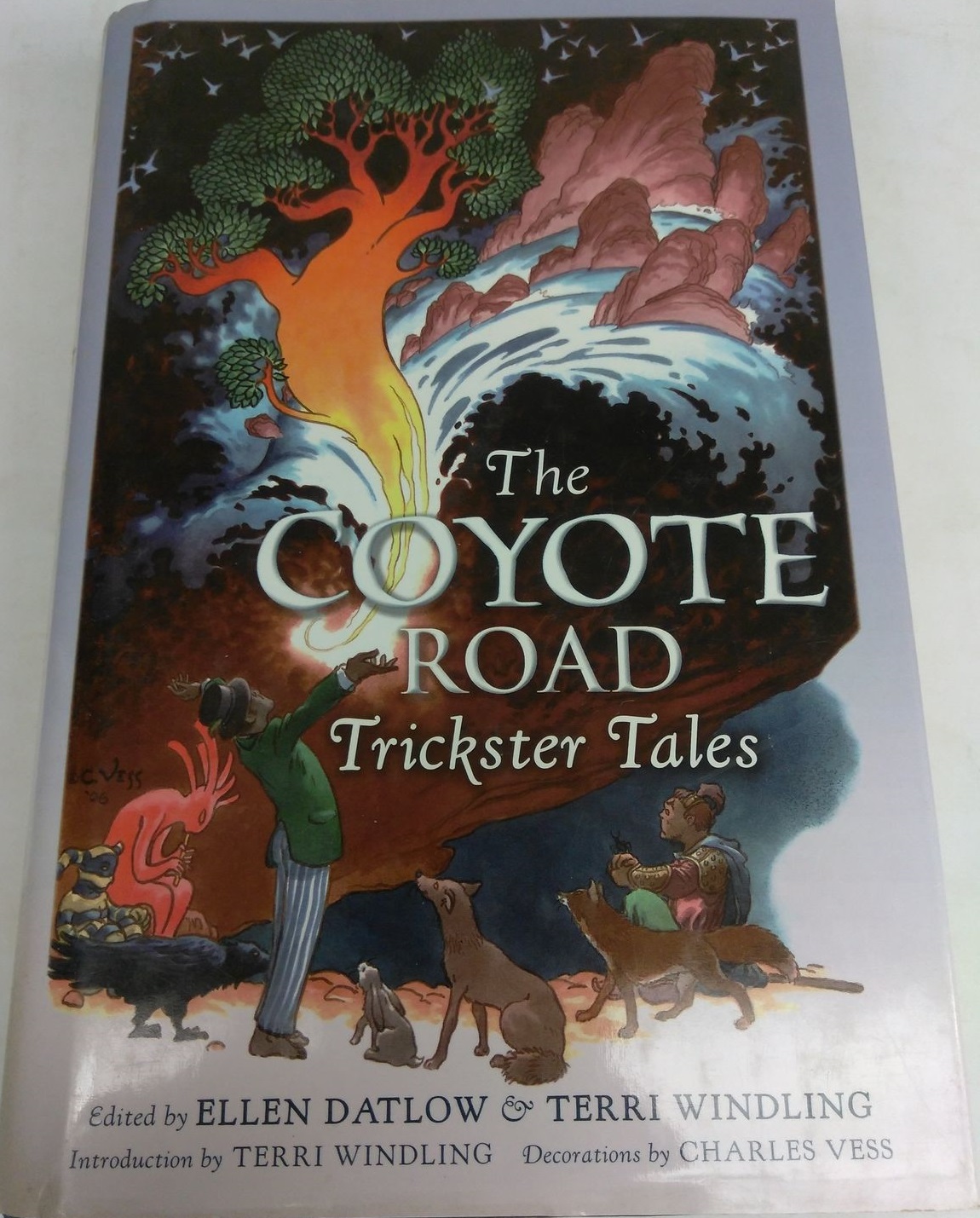
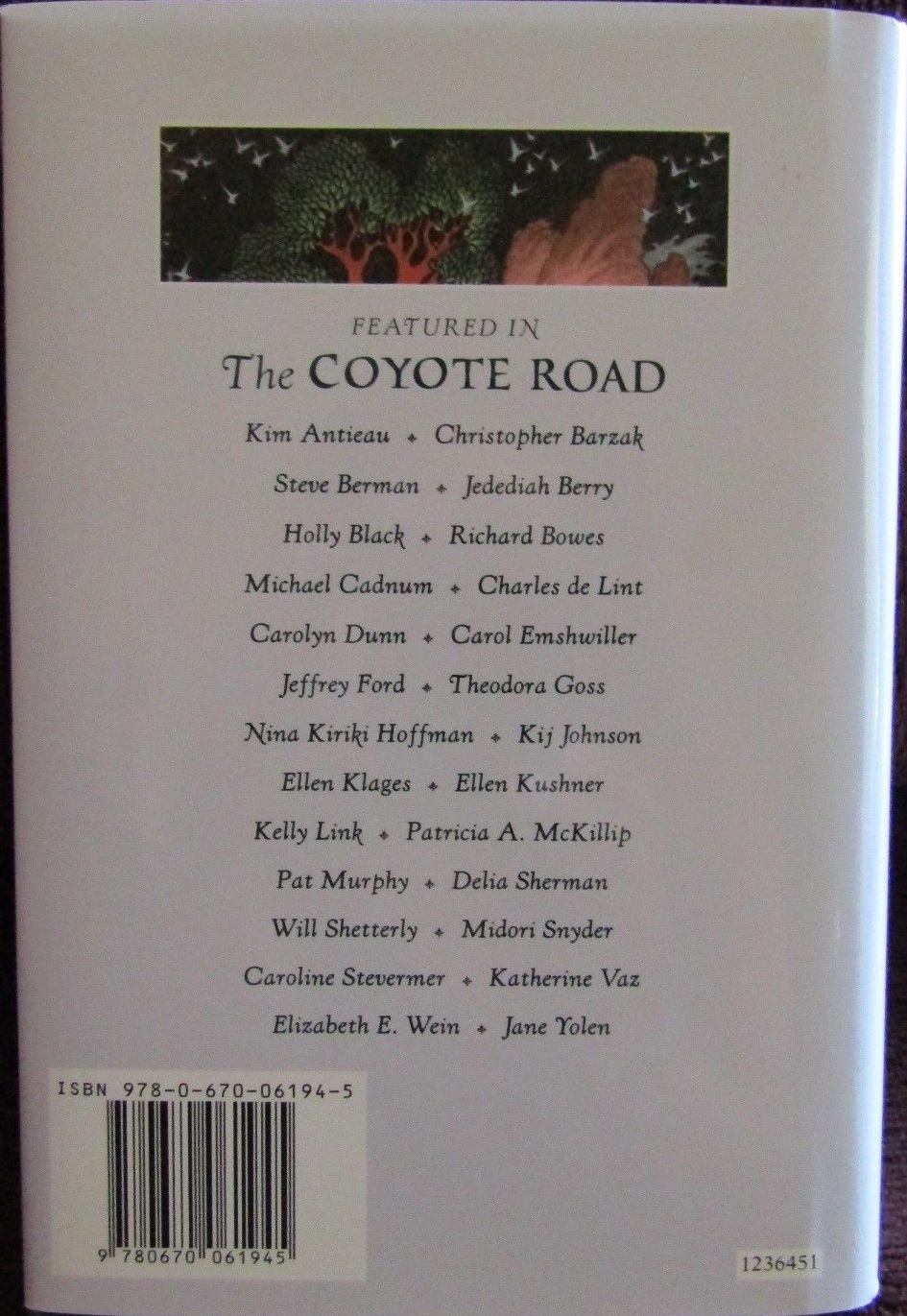
“The Evolution of Trickster Stories Among the Dogs of North Park After the Change” was original published in the anthology Coyote Road: Trickster Tales, edited by Ellen Datlow and Terri Windling. It was picked up for Year’s Best Fantasy and Horror, edited by Datlow, Kelly Link, and Gavin J. Grant. The story was nominated for the Sturgeon, World Fantasy, and Nebula Award. Johnson included it in her collection At the Mouth of the River of Bees. The story has been translated into German.
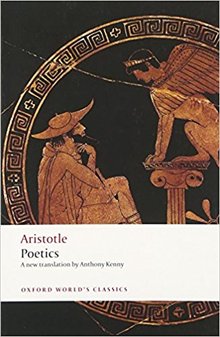
There was a time when genre in fiction writing wasn’t quite the crowded mishmash of categories and sub-categories, and sub-sub-categories that we’re faced with now, which in any case double in number with the use of the prefix “YA.” There are so many that sometimes it gets difficult to decide which one you’re writing – or reading for that matter.
But there does seem to be a traditional genre that really doesn’t exist anymore: the tragedy. We’ve got most of the others, comedy, satire, the epic, we even have pastoral in the form of the popular song. It’s tragedy that we’re missing.
And I don’t think tragedy has disappeared because it’s really a dramatic genre. We not only still have drama in the traditional sense, but we also have modern versions of same in films and TV. Playwriting is really just an ancient form of scriptwriting.
Allen Steele was born on January 19, 1958. He was a finalist for the 1990 John W. Campbell, Jr. Award for Best New Author. Steele’s first two Hugo Awards were for his novellas “The Death of Captain Future” and “Where Angels Fear to Tread” in 1996 and 1998. His third Hugo was for Best Novelette and broke with the five-word titles, for “The Emperor of Mars” in 2011.
He also received the Phoenix Award in 2002 from the Southern Fandom Confederation and the Robert A. Heinlein Award from the Heinlein Society in 2013. Many of Steele’s early works focused on the expansion of mankind into near earth space, with his more recent works exploring the planet Coyote.
“Day of the Bookworm” was published in the anthology Little Green Men—Attack!, edited by Bryan Thomas Schmidt and Robin Wayne Bailey and published by Baen Books in March, 2017.
When an alien spaceship lands in front of the main branch of the Boston library (as well as New York’s and London’s) in Allen Steele’s “Day of the Bookworm,” the military has a predictable response, cordoning off the blocks around the building and evacuating the library while waiting for any activity which would allow a military response. They are not prepared, however, for what actually happens, which is the appearance of two librarians, Molly Cooper and Levon Kahn, who were engaged in an illicit tryst and unaware of the evacuation notice.
The result was that they were able to work with the aliens who had entered the building to build up a sort of détente and understanding between the two races. Steele posits a similar situation to Galaxy Quest, which he notes within the story itself. His response is different from that of the film as his librarians work with the aliens, who resemble large slugs, to ensure that they have a better understanding of humanity, while not threatening them, despite the military power arrayed outside the library. Steele’s librarians’ solution is clever, but they must explain it to a reasonably sympathetic army colonel and an officious White House aide.
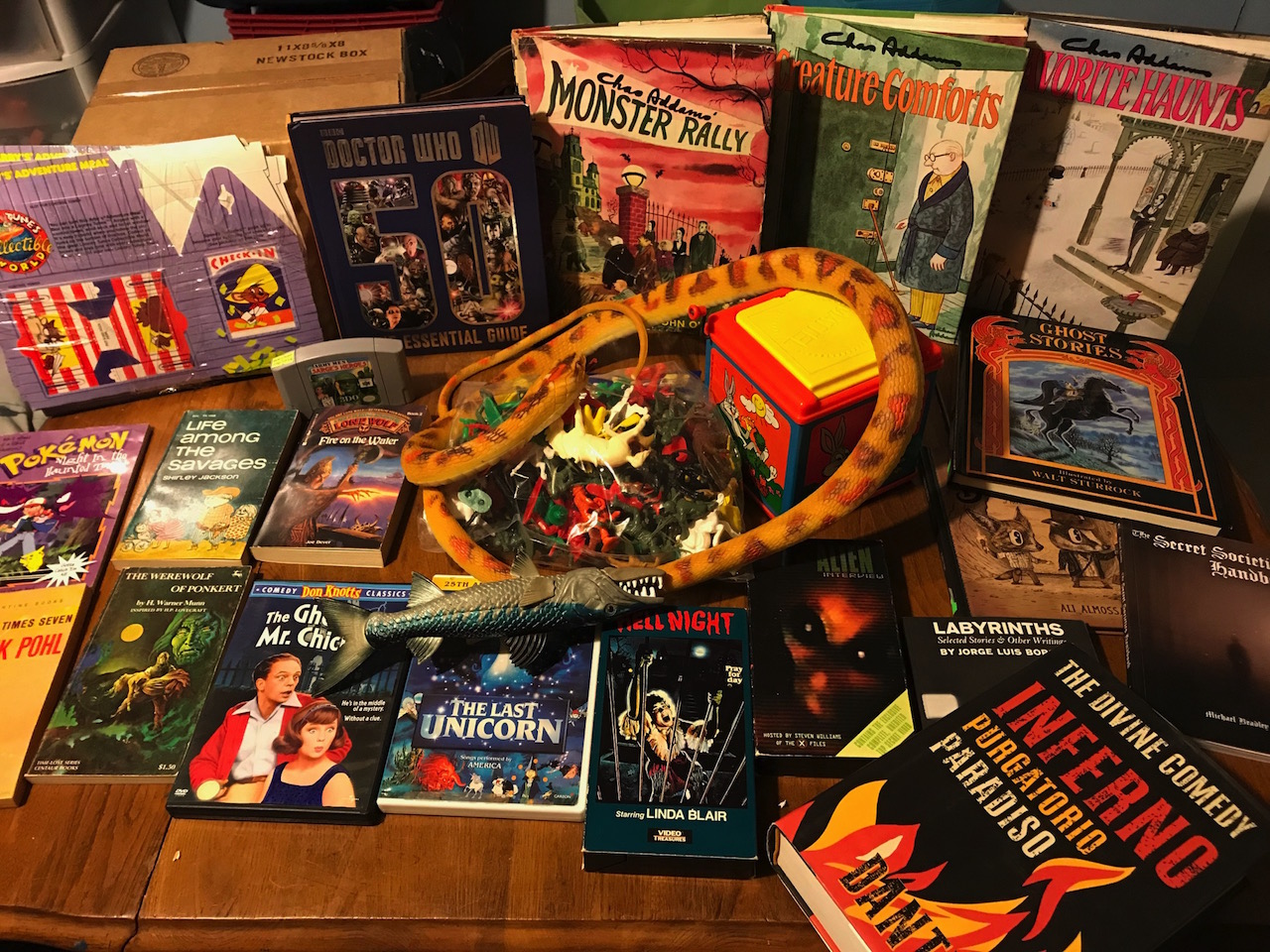
On Wednesday, January 17, 2018, after I clocked out from work, I decided to do a 5 for 5: Hit all five of Med City’s thrift stores (at least that I know of) — 2 Goodwills, 2 Salvation Armys, and a Savers. I also dropped in at Nerdin’ Out, a store that specializes in collectible comic books and action figures.
It was a challenge, as I had just sprained my ankle that morning, and the walks down the aisles started to feel longer and longer as the day wore on. By the time the sun was setting, I had adopted the limping, shambling gait of the recently undead. But the increasingly incredible finds that I kept stumbling upon at one store after the other released enough adrenalin to keep me going — all the way until I got home, pulled off my snow boot, and found my ankle swollen to double its size.
Here (sharing only the finds that would be of particular interest to readers of this site) is my haul. Not all pickin’ days are this fruitful, I assure you. If they always turned out like today, hell, this is all I’d ever do.
From schlocky VHS horror flicks and classic sci-fi paperbacks to giant rubber snakes and other rare collectibles, today’s pick turned up treasures from across the entire spectrum of what I hunt for.
Pamela Dean was born on January 18, 1953. Dean has published the Secret Country trilogy as well as three stand-alone novels. In the 1980s, she was involved in the Liavekseries of shared world anthologies, contributing stories to each of the five volumes as well as the title poem for the fourth volume. She has been nominated for the Mythopoeic Award twice, for her novels Tam Lin and The Dubious Hills.
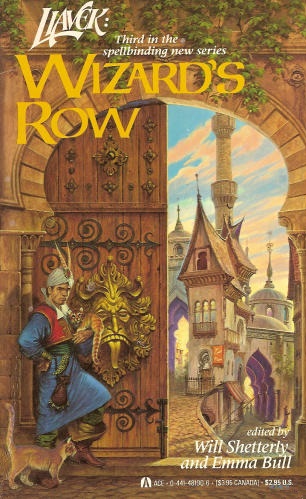
Her story “Paint the Meadows with Delight” appeared in Will Shetterly and Emma Bull’s anthology Liavek: Wizard’s Row in 1987, and was reprinted in 2015 in Patricia Wrede and Pamela Dean’s Points of Departure: Liavek Stories.
Although set in a shared universe, Pamela Dean’s “Paint the Meadows with Delight” stands on its own. The Benedictis are a large Acrivain family living in exile in the city of Liavek. While the father attends political meetings, the rest of the family lives in wait for the day they can return to their native country. One of the daughters, Jehane, is convinced the Acrivain god Acrilat has turned his back on the family because they have left their native land. The result is that the family is in turmoil and one of the sons, Deleon, has disappeared.
Jehane is determined to restore her family to their lost happiness and seeks out one of Liavek’s wizards to help. Jehane’s plan isn’t particular well thought out, in either her goals or her mission. She seeks both to have Acrilat leave her family alone and also to have the family able to return to an Acrivain that is politically welcoming to them. These goals, along with her search for her missing brother, take her on a miniature quest through Liavek, visiting Granny Carry, the Magician, and, at the Magician’s insistence, the House of Responsible Life, and Silvertop, another magician.
In the end, the success of her quest, or even who helped her achieve it, is questionable. The most that can be said is that Jehane may have been able to reconnect on some level with her younger sister, Nerissa, who she also learned has been quite active in ways that Jehane had not even suspected.
While the story can be read and enjoyed on its own merits, its place in the shared-world universe gives it quite a bit of background depth and its structure as a quest around Liavek allows Dean to touch on the characters and concepts created by the other authors.
Since the Arab Spring, there has been an upsurge in dystopian fiction coming out of the Middle East. The dashed hopes of that widespread popular uprising have found their expression in pessimistic novels such as Otared, (reviewed in an earlier post) and several other notable works of fiction.
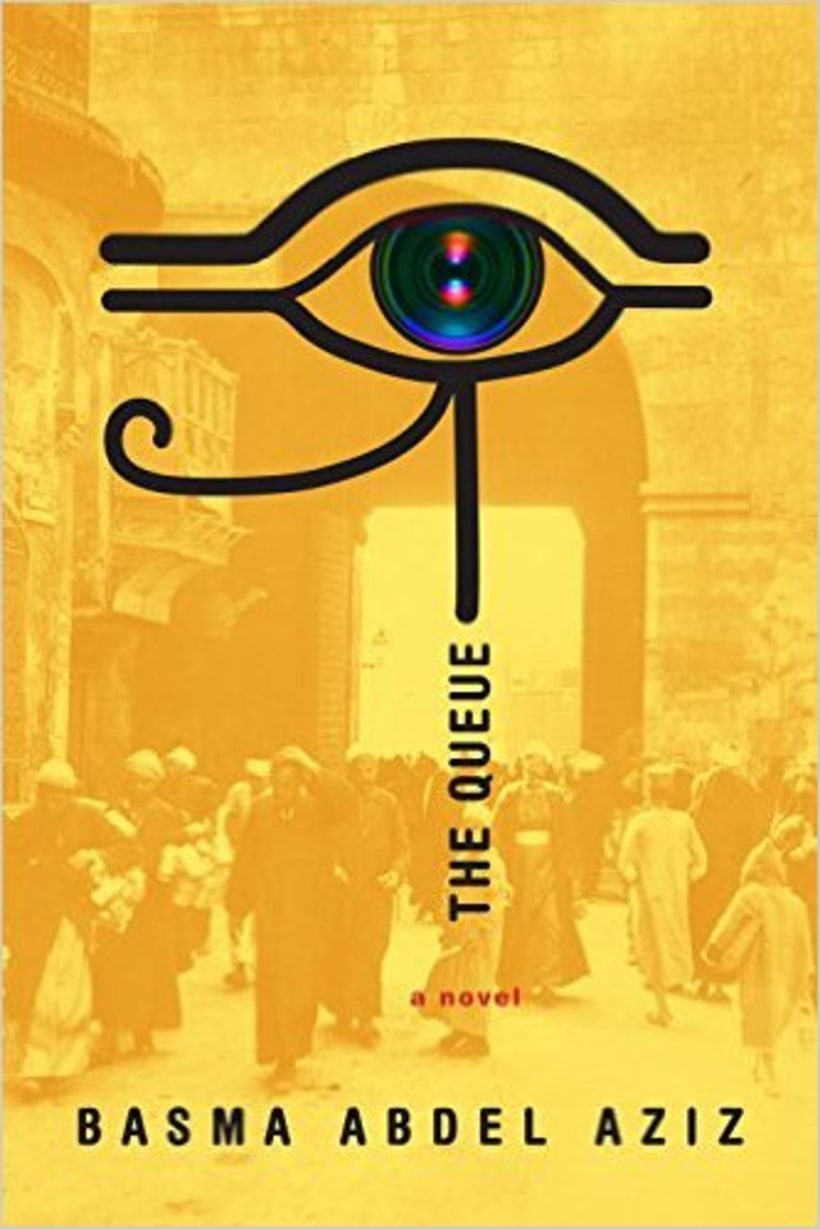
One of the most lauded in the West is The Queue by Basma Abdel Aziz, an Egyptian writer and social activist.
In The Queue, we are transported to a strange near future where the civilian government has been taken over by a faceless entity called the Gate. The Gate issues a series of edicts that become ever more baffling and hard to obey. Companies are forced to changed what they produce, individuals need to get signed forms for even the most mundane matters, and little by little the Gate forces its way into every aspect of the city’s life.
The people rebel, in what the Gate refers to as the Disgraceful Events, which are suppressed with predictable police brutality. One of the casualties is a young man named Yehya, who is shot by a police officer. Yehya needs a form signed in order to have the bullet removed, but the Gate closes right after the Disgraceful Events.
As Yehya languishes, the Gate issues a continuous torrent of edicts, prompting more and more citizens to line up in front of the Gate hoping to get their forms filled out. The line soon stretches for miles, developing its own economy and culture. Street preachers rail against the citizens for their lack of faith in the Gate, shopkeepers try to make a living selling tea and snacks to the other people in line, and salesmen give away free mobile phones that are bugged.
John Bellairs was born on January 17, 1938 and died on March 8, 1991. He is best known for his novel The Face in the Frost. Most of his focus was on young adult fiction, including the Anthony Monday series, the Cubby Lewis Barnavelt series, and the Johnny Dixon series. After Bellairs’ death, Brad Strickland wrote novels in the Barnavelt and Dixon series.
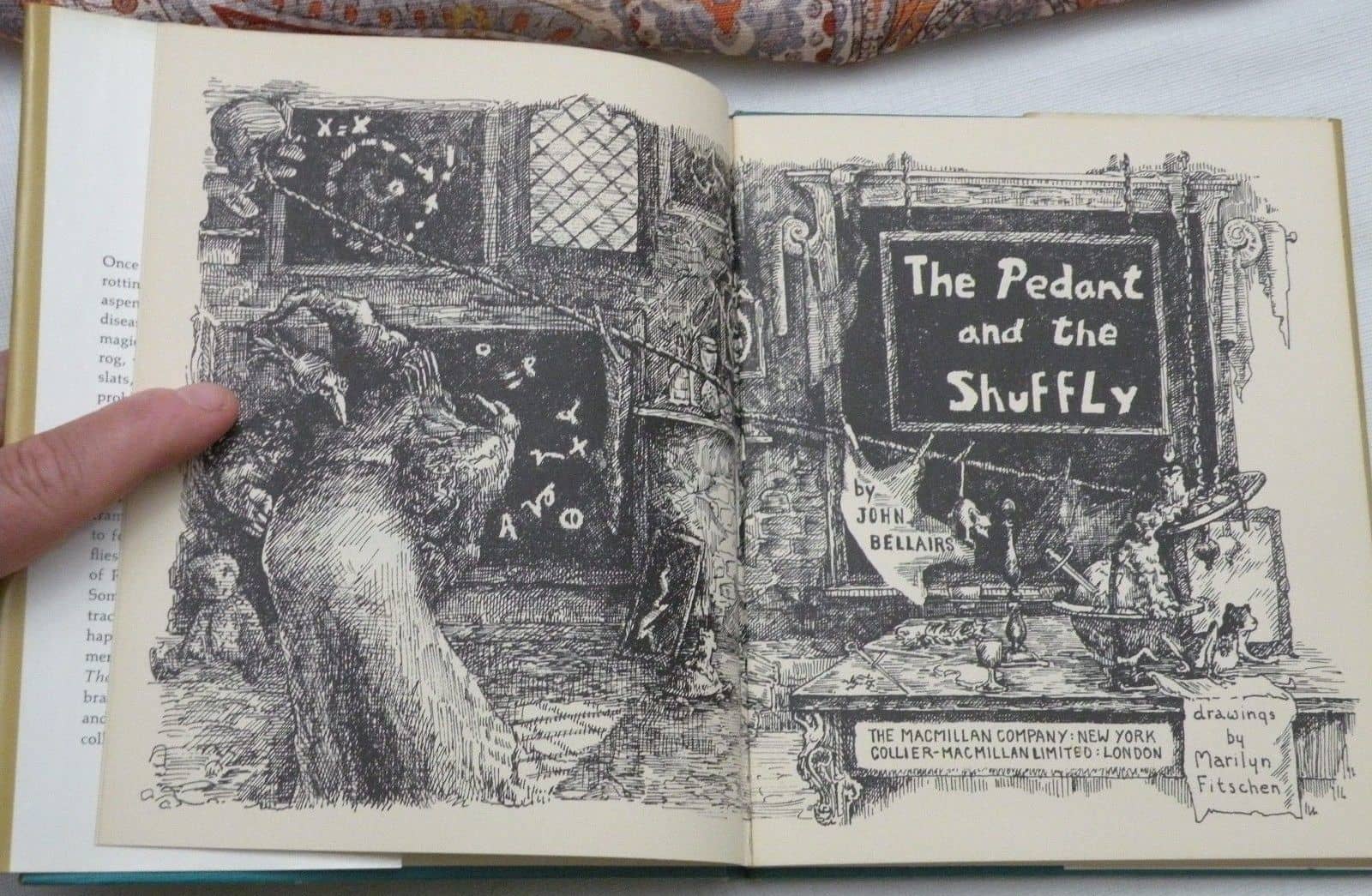
Occasionally Bellairs turned his attention to short fiction. His short story “The Pedant and the Shuffly” was originally published as a stand-along book in February 1968 with illustrations by Marylyn Fitschen. Mythopoeic Press reprinted it in 2001 and it was included in the NESFA Press Bellairs omnibus Magic Mirrors in 2009. Both reprintings included Fitschen’s illustrations.
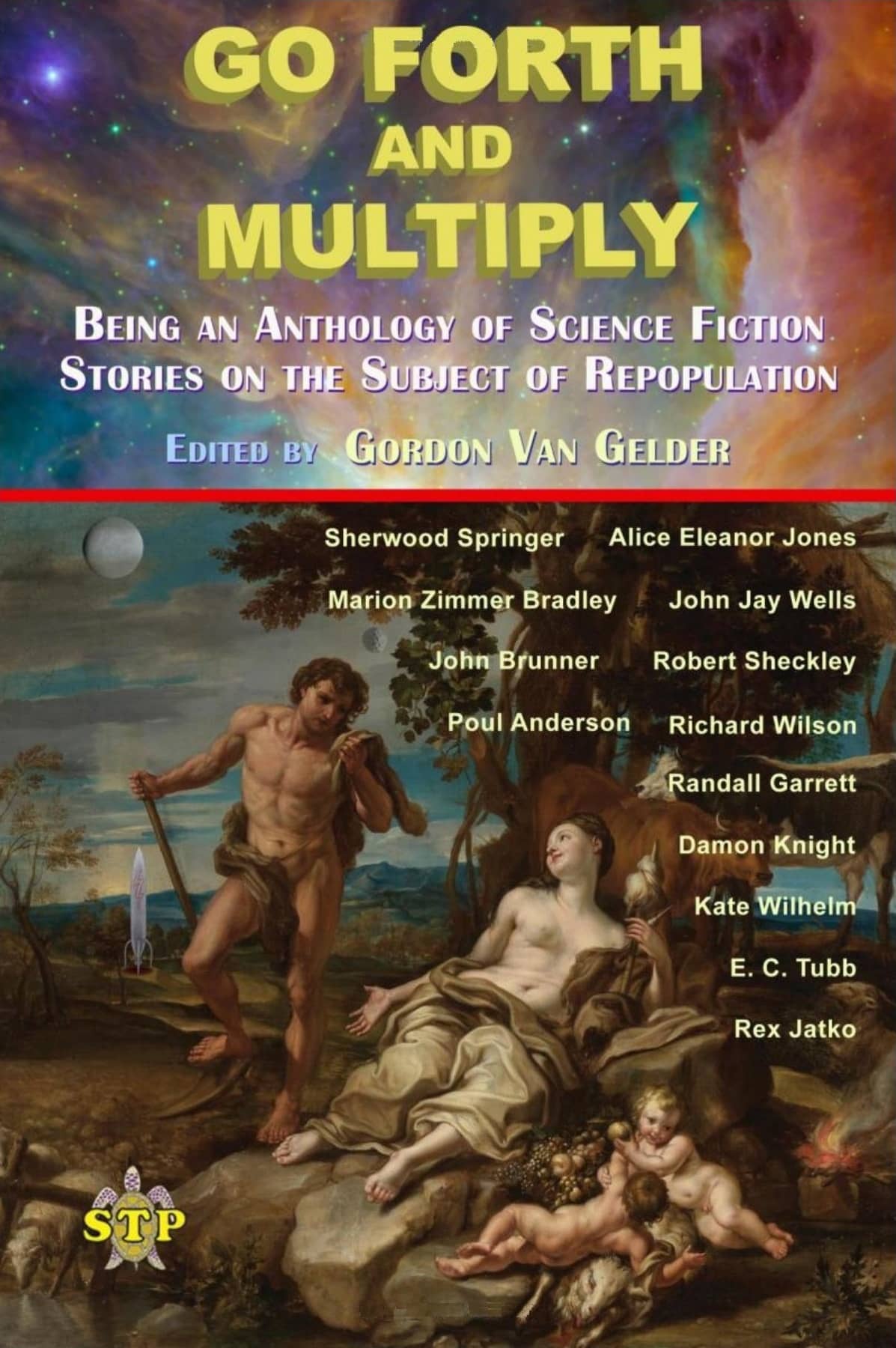
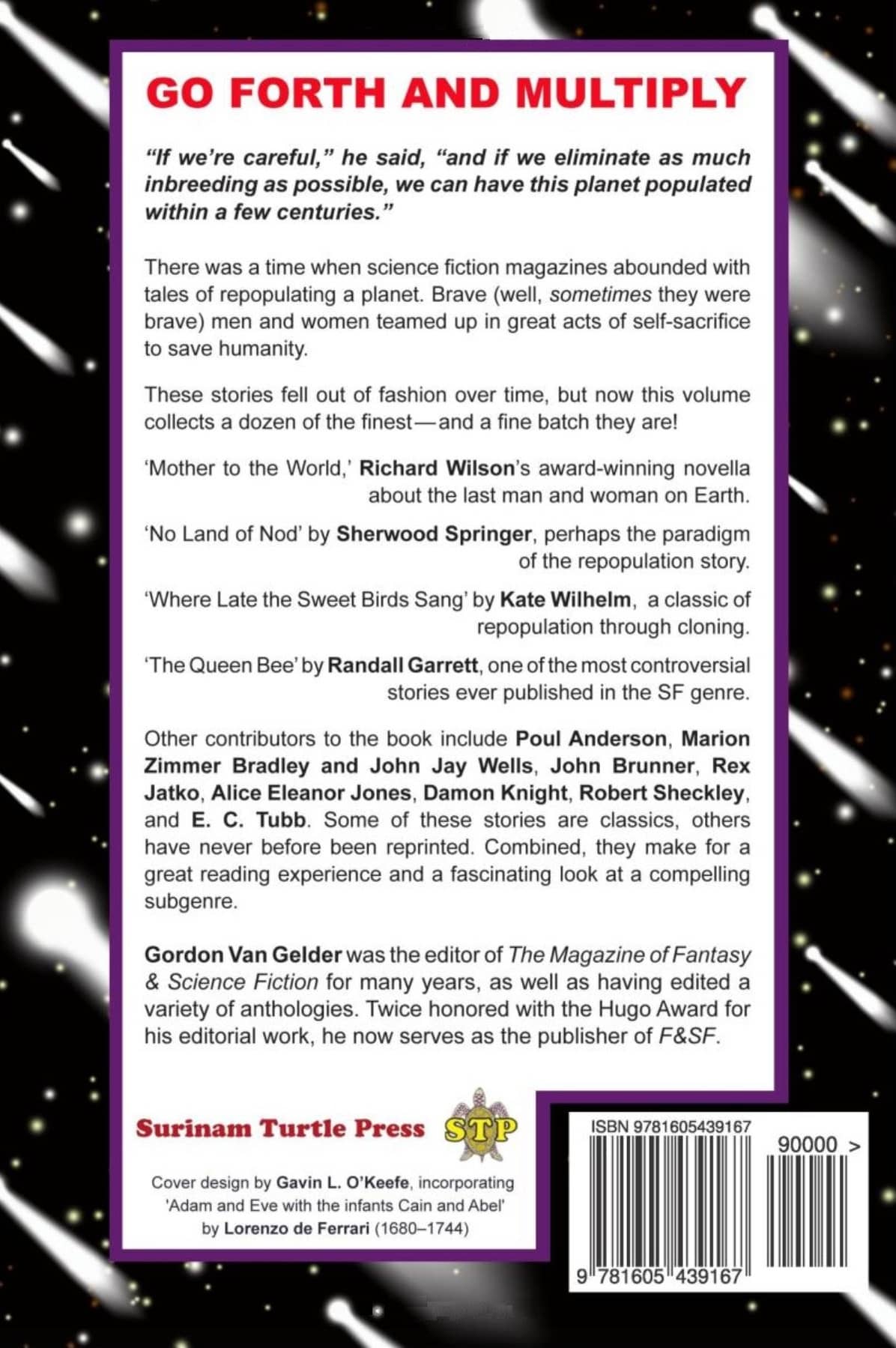
Here’s a fun thing, especially for fans of classic SF such as myself. An anthology celebrating a popular theme in science fiction magazines of the 50s and 60s: repopulating a planet.
It’s the kind of story that fell out of fashion by the early 70s, when overpopulation and pollution became hot-button topics, gradually eclipsing colonial and expansionist themes in SF. As a result many of the stories in Go Forth and Multiply have never been reprinted since they originally appeared in magazines like Astounding and New Worlds in the 1950s, including Randall Garrett’s “The Queen Bee,” Rex Jatko’s “On the Care and Breeding of Pigs,” and E. C. Tubb’s “Prime Essential.”
F&SF publisher (and editor emeritus) Gordon Van Gelder has gathered a terrific collection of what Tangent Onlinecalls “twelve great classic science fiction stories,” including Kate Wilhelm’s acclaimed novella “Where Late the Sweet Birds Sang,” Richard Wilson’s Nebula Award-winning “Mother to the World,” and stories by John Brunner, Poul Anderson, Robert Sheckley, Damon Knight, and many others.
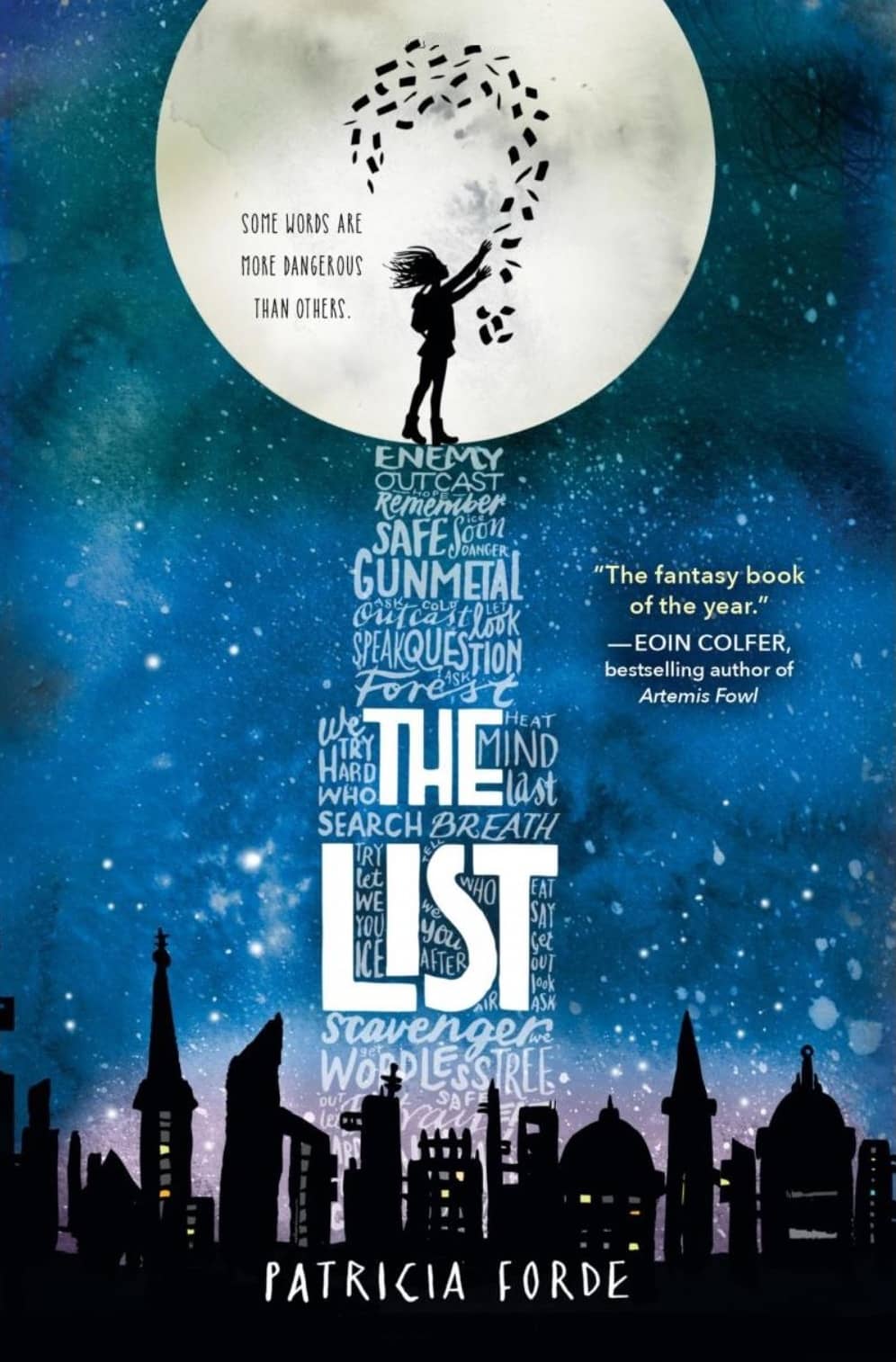
“Extinction is the saddest word,” Letta’s mentor tells her on his deathbed. “You don’t understand. In the old days, before the Melting, no one would listen. No one. The politicians just talked and talked. They used words to keep the people in ignorance.”
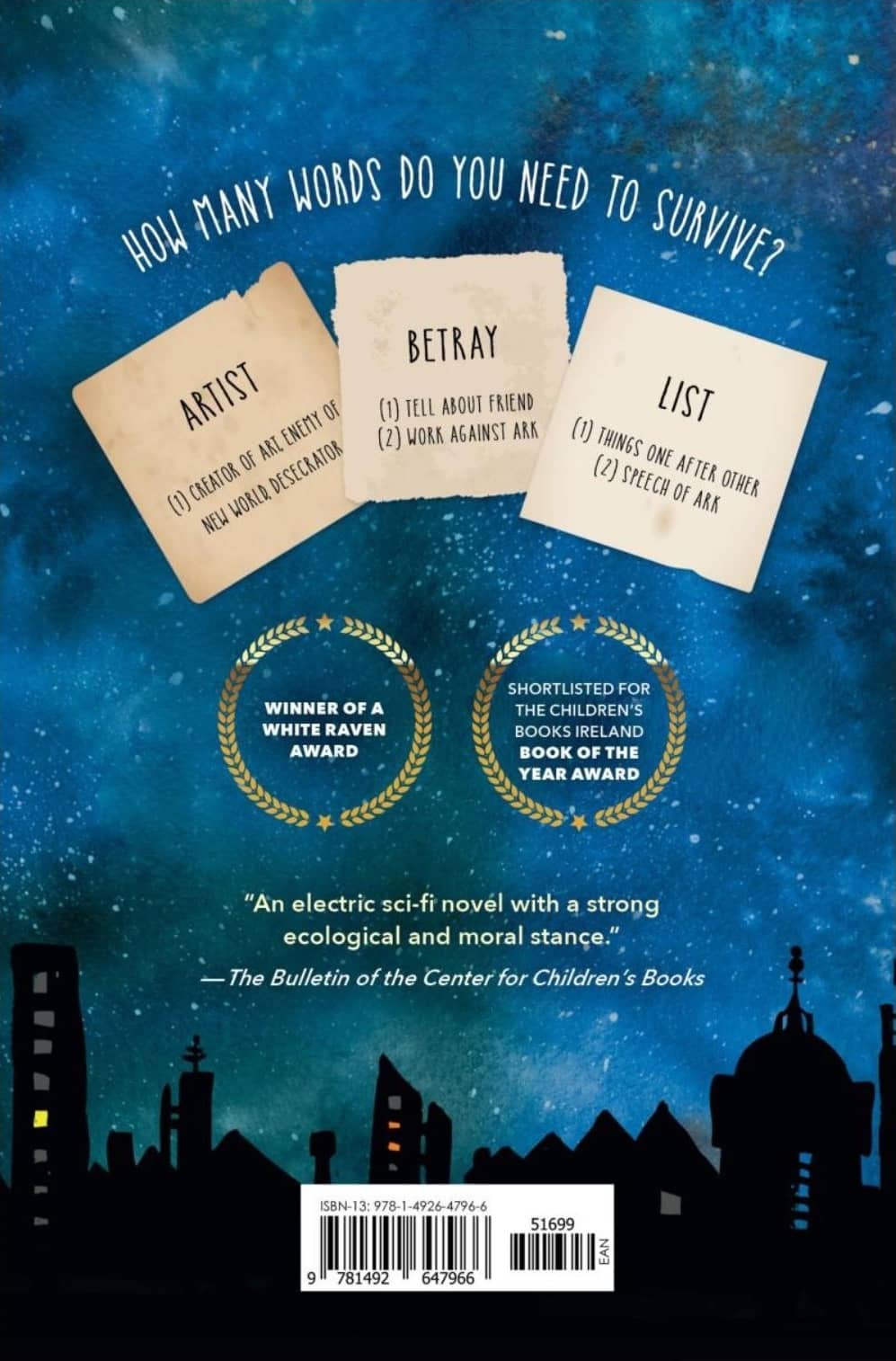
A dystopian novel, Patricia Forde’s The List takes place in our world after the polar ice caps have disappeared and sea levels have risen. Letta, our seventeen-year-old heroine, is only an apprentice when she abruptly inherits her master’s position as Wordsmith. Now a member of the elite, she’s one of the few people in the town of Ark who’s allowed to use the full scope of language. Everyone else must speak “List,” 500 words that leader John Noa has approved. (Yes. Letta lives in Noa’s Ark.)
The List doesn’t include words like “hope,” “love,” or “dream.” Noa considers these words too dangerous, since they encourage people to think about the future. Most articles are gone, as well as “Hello,” “Thank you,” and “Please.” People are only allowed to use specialized vocabulary if it’s necessary for them to do their jobs. Art and music of all kinds likewise have been forbidden.
As Wordsmith, Letta prepares basic Lists for Ark schoolchildren and specialized Lists for apprentices. She also thinks it’s part of her job to preserve non-List words so that humans can recover language at some future time, when our ancestors have proven they can handle it responsibly. What she doesn’t know is that Noa destroys her note cards, believing humans must be stripped of language completely.
The nominees for the 2018 Philip K. Dick Award, given each year for distinguished science fiction originally published in paperback in the United States, have been announced. They are (links will take you to our previous coverage):
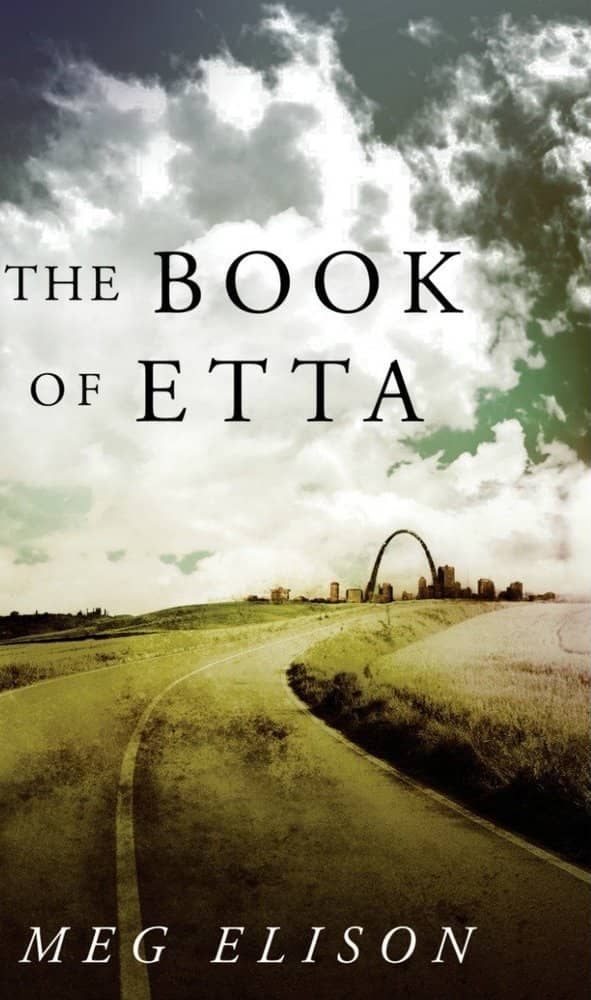
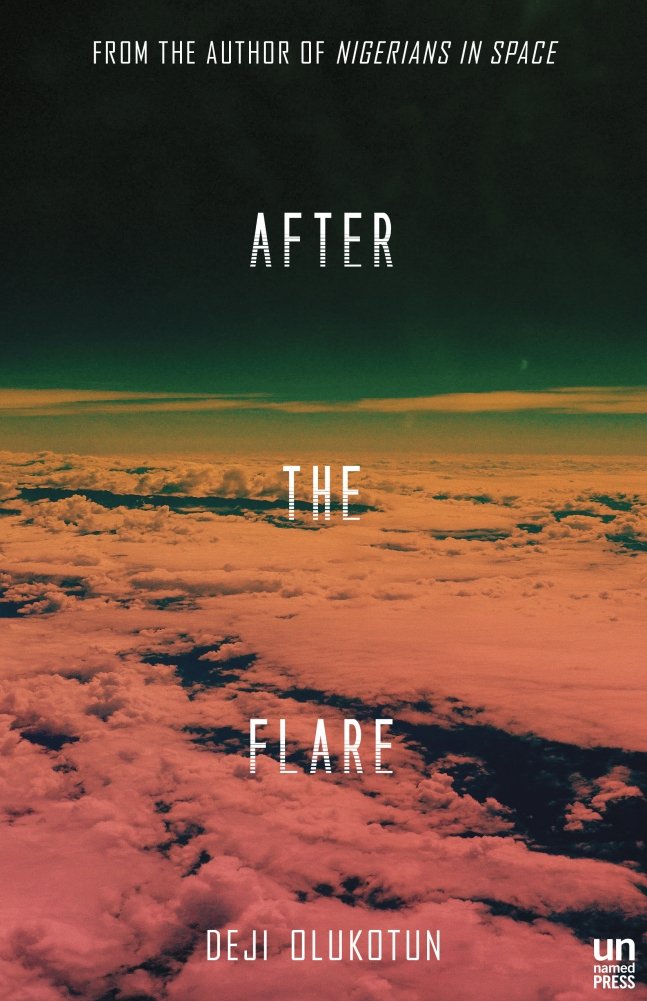
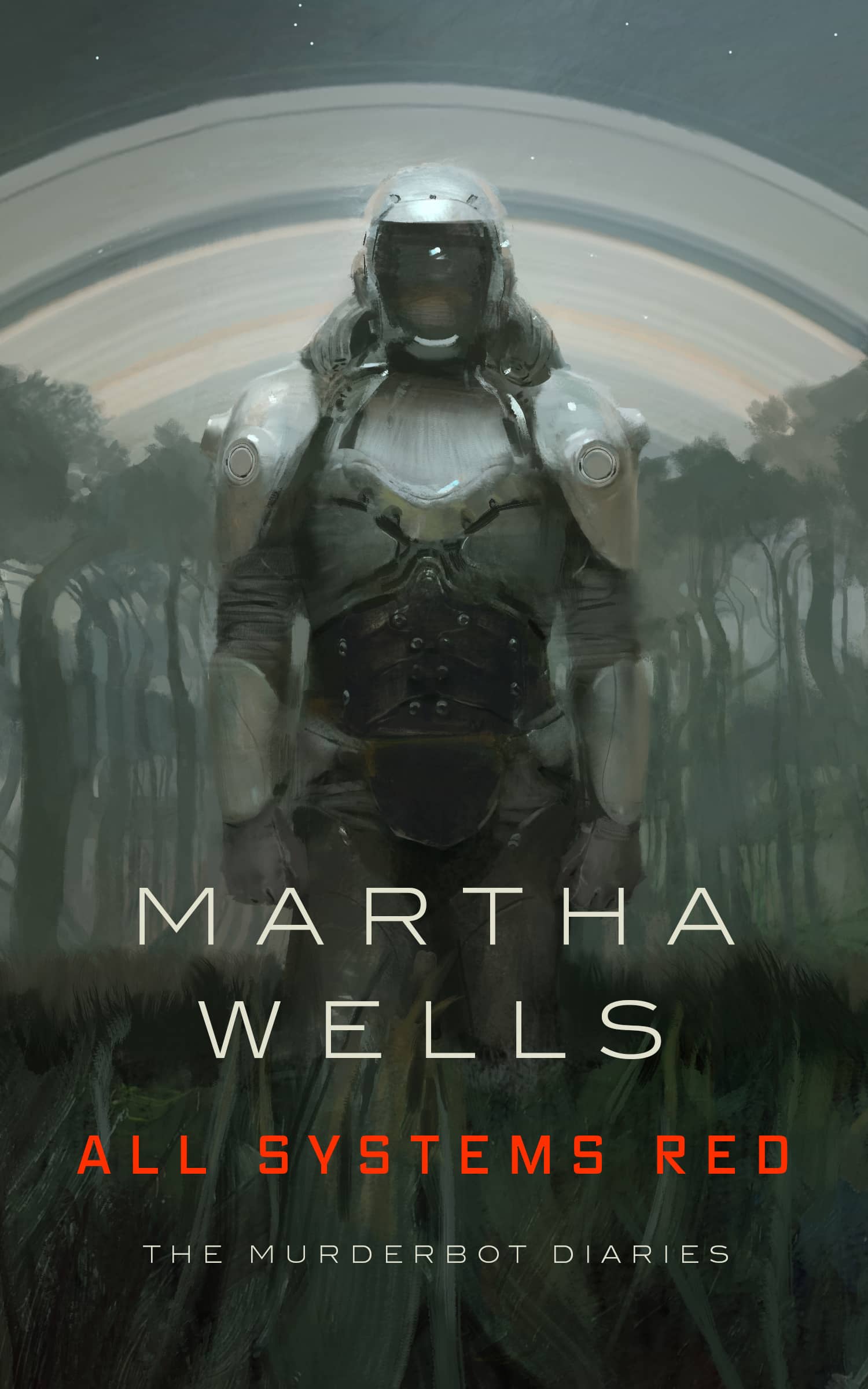
The Book of Etta by Meg Elison (47North) Six Wakes by Mur Lafferty (Orbit) After the Flare by Deji Bryce Olukotun (The Unnamed Press) The Wrong Stars by Tim Pratt (Angry Robot) Revenger by Alastair Reynolds (Orbit) Bannerless by Carrie Vaughn (Mariner/Houghton Mifflin Harcourt) All Systems Red by Martha Wells (Tor.com)
This is a terrific ballot, with something for every reader. Over at the Barnes & Noble Sci-Fi & Fantasy Blog, Joel Cunningham sums things up nicely.
 There was a time when genre in fiction writing wasn’t quite the crowded mishmash of categories and sub-categories, and sub-sub-categories that we’re faced with now, which in any case double in number with the use of the prefix “YA.” There are so many that sometimes it gets difficult to decide which one you’re writing – or reading for that matter.