As I wrote last time, this excursion through the bookshelves of my younger days was inspired by the recent death of Ursula K. Le Guin. I haven’t read much Le Guin outside the Earthsea books; most of her work hasn’t appealed to me. But the Earthsea books, especially the initial trilogy — A Wizard of Earthsea (1968), The Tombs of Atuan (1970), and The Farthest Shore (1972) — did and, I was glad to find out, still do.
In my article, “Why I’m Here: Part Two,” I described the Elric books as being like samizdat passed around between my friends and me. With so few books actually out there, we fellow fantasy fans read anything we could find, and in turn got it all into everyone else’s hands and read everything they passed along to us. After The Lord of the Rings, I’m sure there were no books as read, and read as often, as Le Guin’s three slender volumes.
There are several whys. The easiest is they are way cool, at least the first and the third. The second is more of a Gothic, and lacks the dragon-battling and dark magic of the others, like this:
While Storm Seed is the final volume in the iconic Sacred Band series to appear in a brand-new, Author’s Cut edition, it isn’t the last book in the series. The story takes place after the Sacred Band has been disbanded, after the events in Beyond Wizardwall and The City at the Edge of Time. Storm Seed follows on the heels of Tempus Unbound, and precedes the epic story of The Sacred Band.
Once again Team Morris delivers another outstanding novel in their classic “Chronicles of the Sacred Band,” as I always refer to them. Crisp prose, engaging characters, and a well-crafted plot carry this one right to the very end. This is Heroic Fantasy on a grand and epic scale, inspired by ancient mythology merged with a “lost” history of the world. All the tropes of the genre are here: wizards, witches, magic, ghosts, gods, dragons, and so much more. But these ingredients are used with a weight of reality to them, and in a manner I can only describe as “uniquely Morris.” Storm Seed is a story about love and loyalty, family and comradeship. And for all the elements of the fantastic, this novel is grounded in the veracity of its characters, and in the human drama and dynamics of their relationships. Almost everyone has a quest of their own to undertake, and the story unfolds at a brisk pace as the various events take one twist and turn after another until all the characters and plot-lines come together.
It seems like a reunion as so many characters from previous novels return to share the stage. Team Morris does a splendid job of giving the members of their cast equal time; almost everyone has a storyline of their own. Tempus the Black and Niko, his right-side companion, are here. Also present and accounted for: the goddess Jihan, the powerful Froth Daughter; Randal the allergy-prone wizard; Roxane the witch you really don’t want to get involved with; Cime the wizard slayer who is a real force to be reckoned with; Kama, Tempus’ daughter and warrior. The Sacred Banders Strat, Crit, and Gayle are also here, as well as Enlil the Storm God, Abarsis the Slaughter Priest, and even Strat’s Ghost Horse.
We’re big fans of M. John Harrison here at Black Gate. Howard Andrew Jones, Fletcher Vredenburgh, Matthew David Surridge and others have all written enthusiastically about his early work.
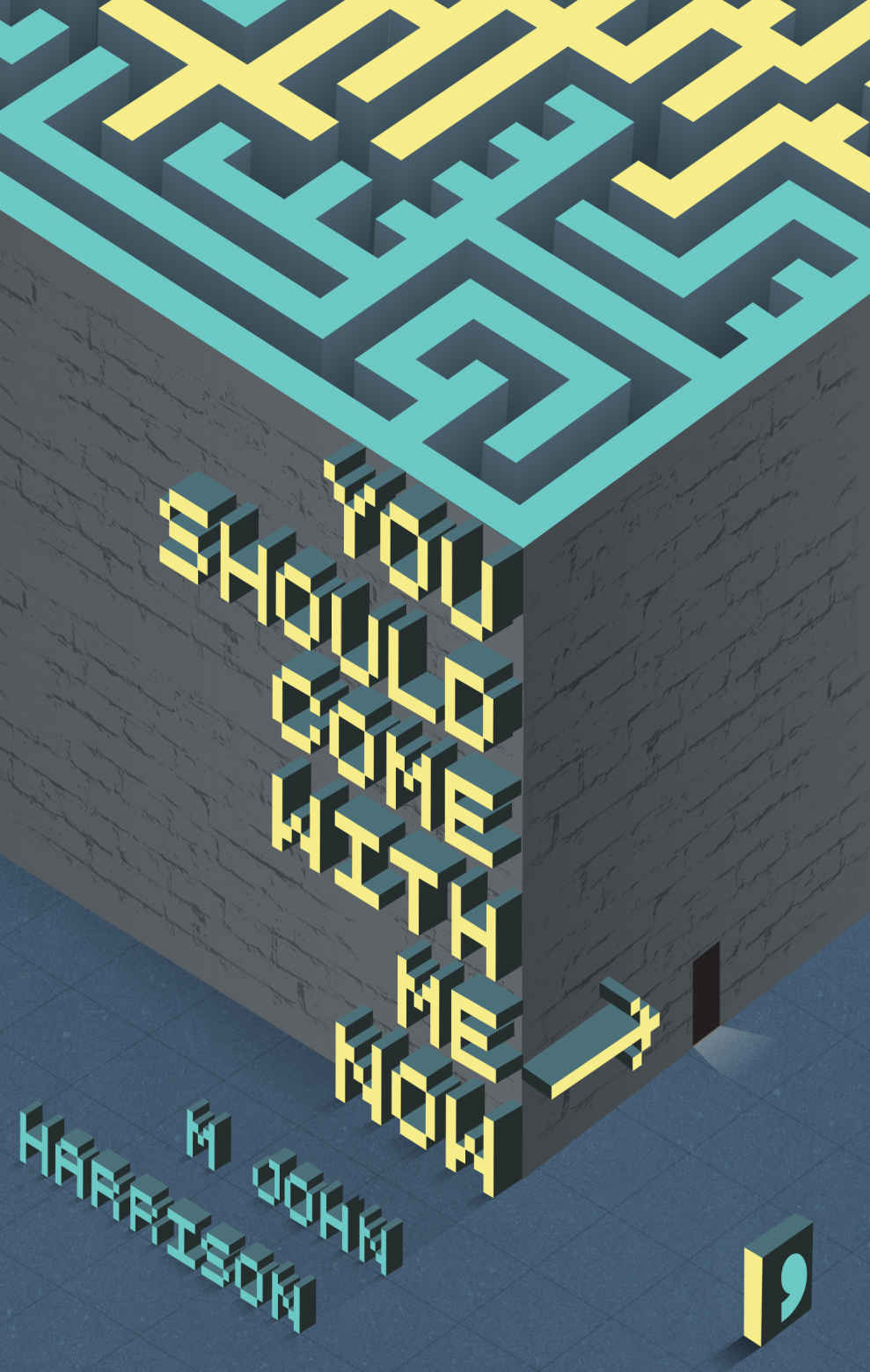
Unfortunately the bulk of it, including The Centauri Device (1974) and his individual Viriconium novels, is not an easy find, especially if you haven’t been collecting paperbacks for decades. I’m frequently asked by frustrated readers how to start with M. John Harrison, so I’ve very pleased to see a brand new collection scheduled for next month. You Should Come With Me Now arrives in trade paperback on March 1st.
M. John Harrison is a cartographer of the liminal. His work sits at the boundaries between genres – horror and science fiction, fantasy and travel writing – just as his characters occupy the no man’s land between the spatial and the spiritual. Here, in his first collection of short fiction for over 15 years, we see the master of the New Wave present unsettling visions of contemporary urban Britain, as well as supernatural parodies of the wider, political landscape. From gelatinous aliens taking over the world’s financial capitals, to the middle-aged man escaping the pressures of fatherhood by going missing in his own house… these are weird stories for weird times.
Our previous coverage of M. John Harrison includes:
You Should Come With Me Now will be published by Comma Press on March 1, 2018. It is 272 pages, priced at $14.95 in trade paperback and $9.99 for the digital edition. Get complete details at the Comma Press website.
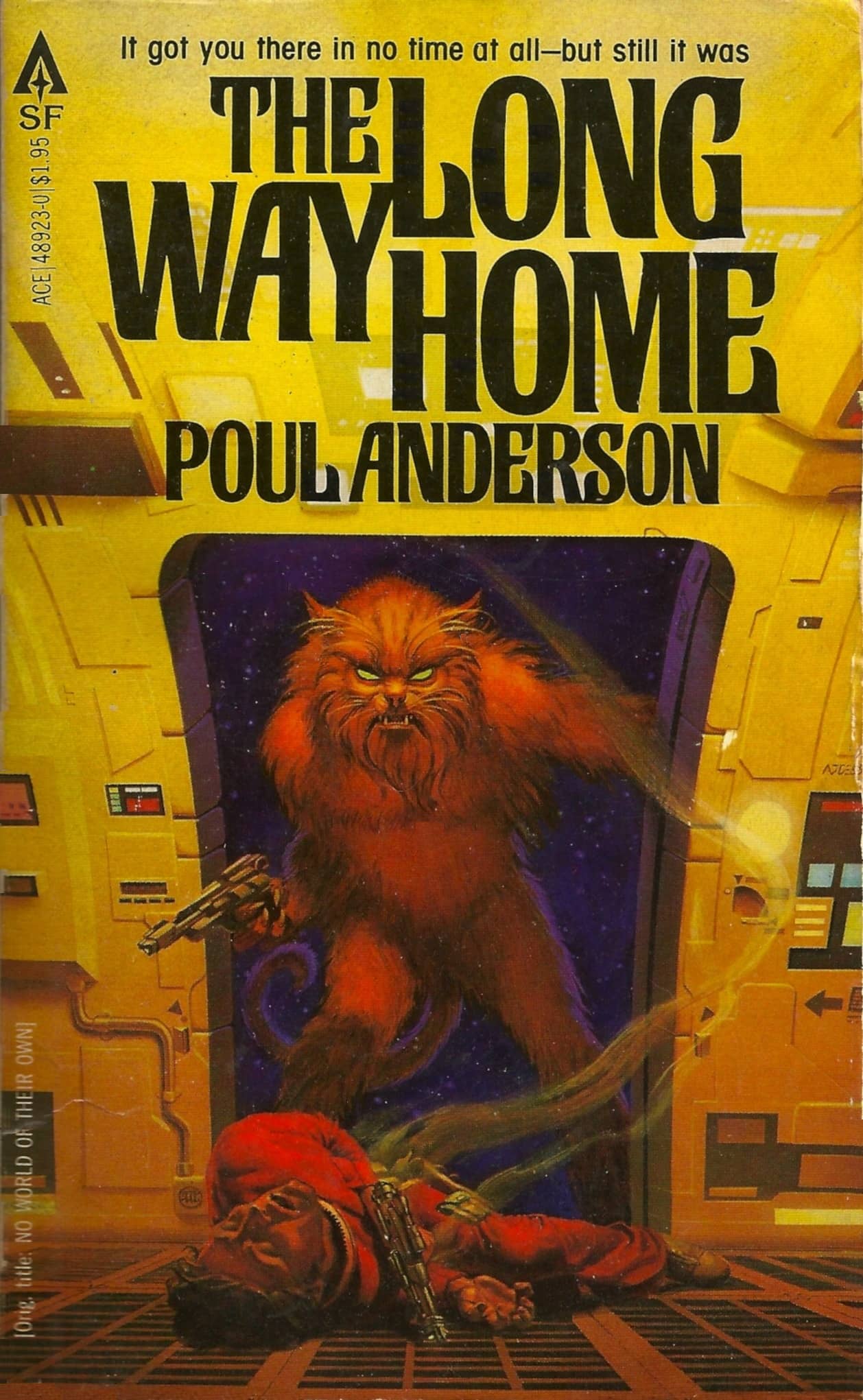
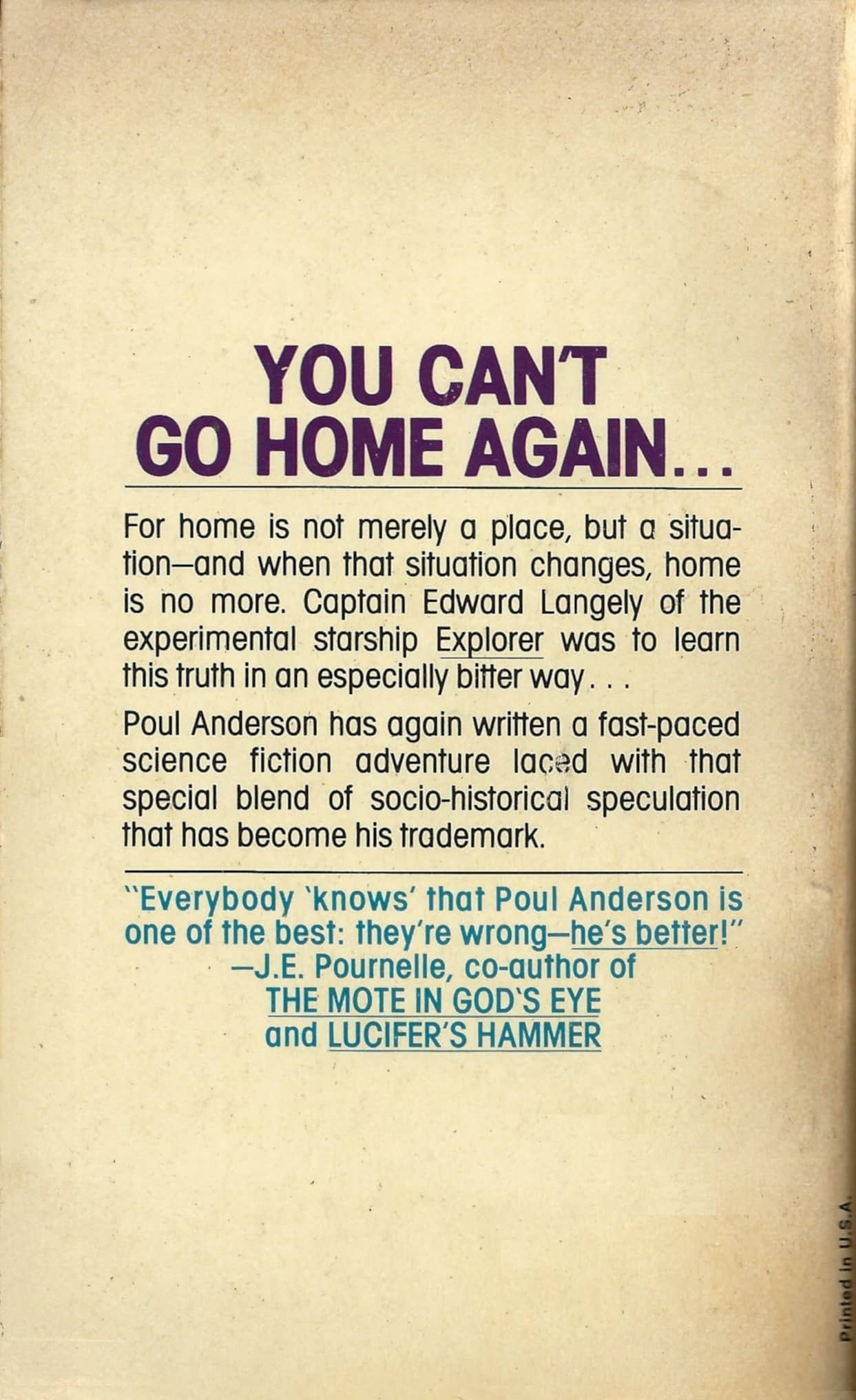
Vintage Treasures: The Long Way Home by Poul Anderson
When Jim Baen left Ace to found Baen Books in 1983, he implemented a publishing strategy that served him well for decades: buying up the back catalog of popular authors and re-issuing them in visually similar covers that could be identified at a glance on crowded bookstore shelves. It was a strategy he learned while working under Tom Doherty at Ace Books from 1977-1980 (and refined under Doherty at Tor Book from 1980 – 1983).
While at Ace, Baen’s genius was to marry popular authors that had substantial back catalogs — like Andre Norton, Gordon R. Dickson, and Keith Laumer — with brilliant new cover artists. For me the exemplar of this strategy was Poul Anderson’s late 70s Ace editions, given new life by the striking world of a rising new artist named Michael Whelan.
When Richard Powers single-handedly remade science fiction art in the late 60s, it wasn’t long before bookshelves were overrun with abstract art. SF paperbacks, once criticized for pulp-era sameness and tired spaceship motifs, now suffered from a very different but no less stifling form of sameness. Plenty of writers were victims of the “Powers revolution” in SF art in the 1960s, but I think Poul Anderson was more victimized than most. His colorful tales of science fiction adventure on far planets were sold to the public under abstract covers that told them nothing about what they were getting.
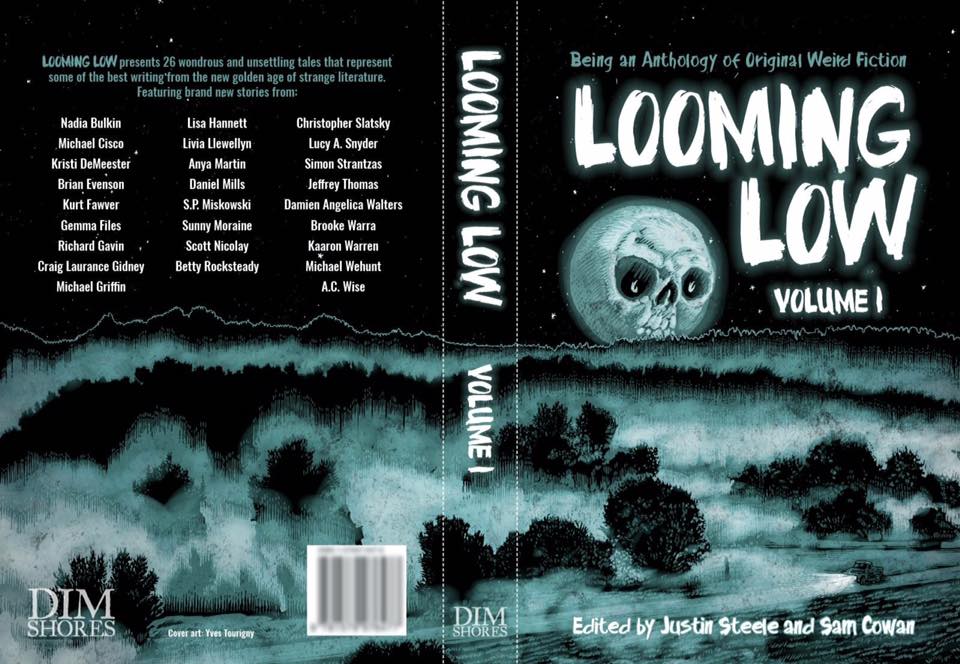
Looming Low is my favorite kind of anthology. Highly acclaimed (Ginger Nuts of Horrorcalls it “Truly a wonderful gathering of the freshest voices in weird fiction,” and This Is Horrorsays” There is a palpable sense of unsettling dread woven throughout… [it] boasts almost every type of weird one can imagine”) and packed with both big names — including Michael Cisco, Brian Evenson, Gemma Files, Sunny Moraine, Scott Nicolay, Lucy Snyder, Simon Strantzas, Damien Angelica Walters, Michael Wehunt, and A.C. Wise — and fast-rising stars.
In a case like Looming Low, a hearty collection of over 300 pages, I’m just as eager to read the new authors as my old favorites. This is the kind of book that can introduce you to half a dozen new writers whose careers you could follow for decades.
The big 2017 Year in Review issue of Locus magazine arrived this week, and the second paragraph of the annual summary confirmed something that’s been whispered in fannish circles for a few months: that parent company Penguin Group has “quietly retired” the Roc Books imprint, folding it in with its existing Ace line. Only four books with the Roc logo were published last year, and none is on the schedule for this year. It’s the end of an era in many ways.
Roc Books was founded by John Silbersack in 1990. Over the last 27 years it has published hundreds of science fiction and fantasy titles by Isaac Asimov, Ursula K. Le Guin, Guy Gavriel Kay, Peter S. Beagle, Arthur C. Clarke, Nancy A. Collins, Terry Pratchett, Andre Norton, and hundreds of others. It had a well-deserved reputation for taking chances on new authors, and many of those gambles pay off handsomely, like Jim Butcher, Anne Bishop, Carol Berg, Rob Thurman, and many more. Roc proved to be a warm home for many Black Gate authors, including E.E. Knight, Devon Monk, and others.
There were many reasons to be a Roc fan over the decades. For me, they were simple. The editorial team had a profound and enduring appreciation for adventure fantasy, especially during the lean years when the market turned towards YA dystopias, paranormal romance, and other trendy niches. They loved a great series, and gave many quality series the time they needed to truly find an audience. The whole line had a distinct look, so much so that for 27 years you could tell a Roc Book at a glance.
The editors, authors, artists and packagers at Roc Books gave us countless hours of reading pleasure over the past quarter century. Penguin has decided to quietly retire the imprint, but there’s no reason we have to let them go without a worthy send-off. If you’ve got a favorite Roc title or two, I invite you to help us say farewell by giving them a shout-out in the comments.
Peadar O’Guilin has been one of our most prolific and popular contributors. He published his first story with us, “The Mourning Trees,” in Black Gate 5 (Spring 2003), and followed it with “Where Beauty Lies in Wait” (BG 11), “The Evil Eater” (BG 13), and “The Dowry,” which appeared as part of our Black Gate Online Fiction catalog.
His fourth novel The Call (2016) was an international sensation; here’s Howard Andrew Jones from his 2016 interview with Peadar:
What I discovered was a novel absolutely deserving of the hype it has received — a dystopian YA story about a fractured society, with heroic teenaged protagonists who are realistic AND don’t whine. There are moments of chilling otherworldly horror owing to the frequent presence of the fae folk, the force behind the terrible situation facing these Irish children. And there’s excellent pacing and characterization, and growth…
After keeping the world on tether hooks for the past two years, Peadar has finally revealed a sequel, The Invasion. It arrives in hardcover from David Fickling Books on March 27. Here’s the description.
Jack Dann was born on February 15, 1945. His novels include The Man Who Melted, The Memory Cathedral, and The Silent, among many others. Dann has edited several anthologies, often in conjunction with Gardner Dozois, Janeen Webb, or George Zebrowski. He edited the Jewish science fiction anthology Wandering Stars in 1974 and followed it up with More Wandering Stars.
Dann won the Nebula Award for Best Novella for his 1995 story “Da Vinci Rising” and has won the World Fantasy Award for Best Anthology twice, for Dreaming Down Under, edited with Janeen Webb, and Dreaming in the Dark. His anthology Ghosts by Gaslight, edited with Nick Gevers, won the Shirley Jackson Award and the Aurealis Award. He also won the Aurealis Award for his short story “Niagara Falling,” written with Webb, and his novel The Memory Cathedral. “Niagara Falling” also earned him his first Ditmar Award, which was followed up with anthology awards for Dreaming Down Under, Dreaming Again, and Dreaming in the Dark and a short fiction award for “The Diamond Pit.” In 2004, he received the Peter McNamara Award for a professional working in the Australian SF field.
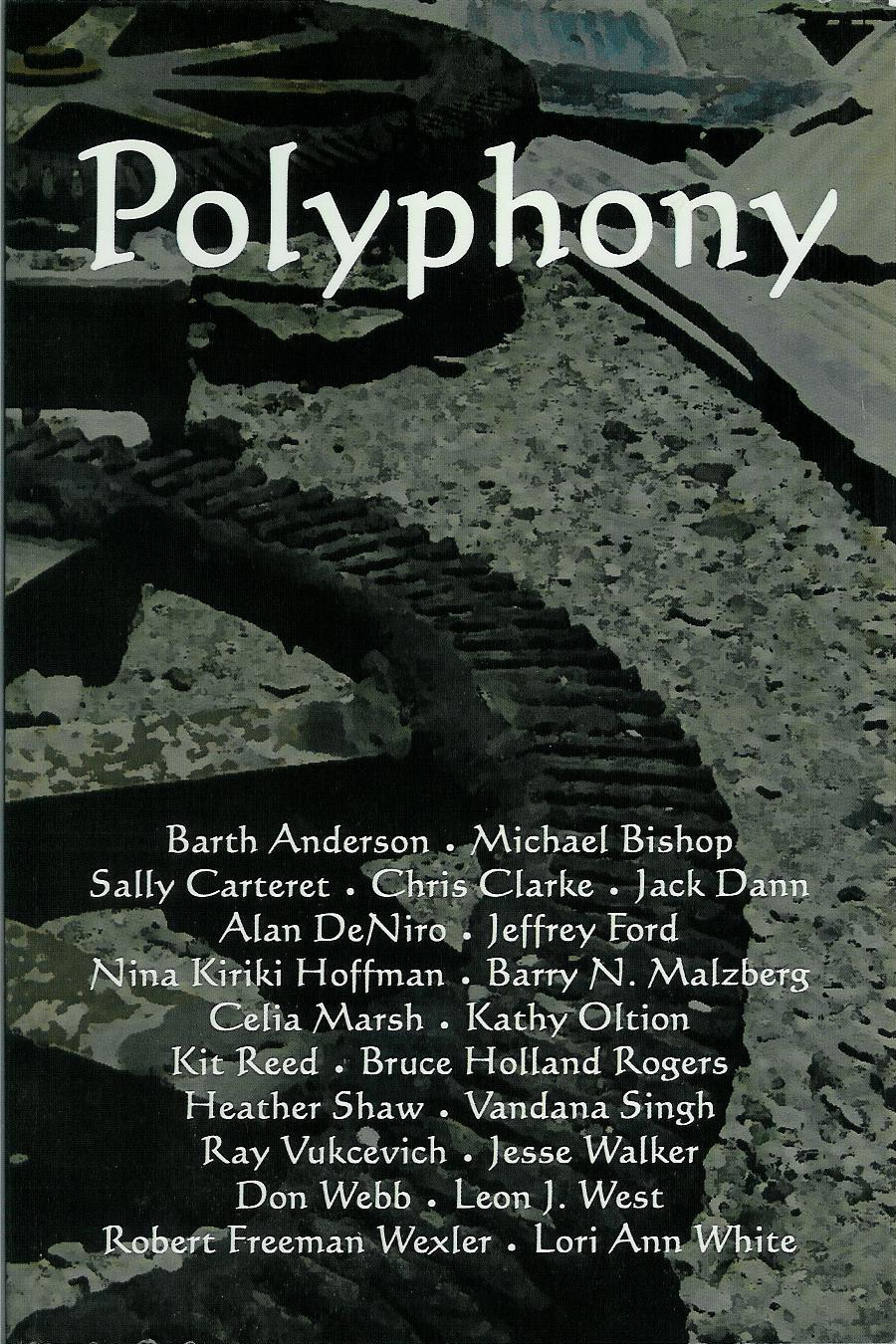
“Rings Around the Moon” was originally published in Polyphony 3, edited by Deborah Layne and Jay Lake. It was later reprinted in Dann’s collection Promised Land: Stories of Another America. “Rings Around the Moon” is part of Dann’s “The Rebel” cycle, which includes several stories as well as the 2004 novel The Rebel: An Imagined Life of James Dean. The story was nominated for the Darrell Award for best Mid-South science fiction, fantasy, or horror.
Mostly told from the viewpoint of a young Elvis Presley, “Rings Around the Moon” opens in Memphis on the evening of September 30, 1955, around the time his career was starting to take off. Unfortunately for Elvis, his burgeoning touring career, and the rumors of his sexual escapades, are putting a strain on his relationship with Lizzie, his girlfriend. As the two are trying to figure out what their relationship is, Gladys Presley informs them that the actor Elvis is always talking about, James Dean, has been injured in a car accident.
Elvis decides he needs to visit Dean and asks Lizzie to go with him. The set up allows Dann to explore the blessings and curses of fame through a fictitious meeting between two of the most legendary individuals of the burgeoning 1950s youth culture. James Dean lying in his hospital bed recovering, and the young Elvis having his first taste of stardom listening to what Dean has to say.
I’ve always loved vintage travelogues. The world was bigger a hundred years ago, its cultures more distinct and isolated. Travel was hard and sometimes dangerous. Accounts of old journeys bring me back to a time when people could go to places like Africa and not be able to text home.
But there’s always been a problem with the genre. The vast majority of the books available in English are from the Western perspective, especially the Anglo perspective. So The Lost Oases, written by Egyptian Ahmed Hassanein Bey and published in 1925, came as a welcome change. It’s an Arab account of discovering two remote oases in the far southwest of Egypt, hundreds of miles from the nearest habitation.
Ahmed Hassanein Bey was a wealthy Egyptian of Bedouin stock who was educated at Oxford, so he is good at explaining his own culture to the Western reader and yet remains enough of an outsider that we can enjoy watching his learning curve as he visits his country cousins.
He was already an experienced desert traveler when he set out on this mission, and we’re carried through a detailed description of his preparations and planning. When all is ready, he goes to his father for a moving scene where the old man blesses him and the baggage for a safe journey.
After skirting the coastline, the caravan heads south along the Egyptian/Libyan border. At this point in history, Egypt was administered by the British Empire and Libya by Italy. The main group along the border, then and now, is called the Senussi. I mainly knew of them from their attempt to invade Egypt during the First World War at the urging of the Germans and Ottomans.
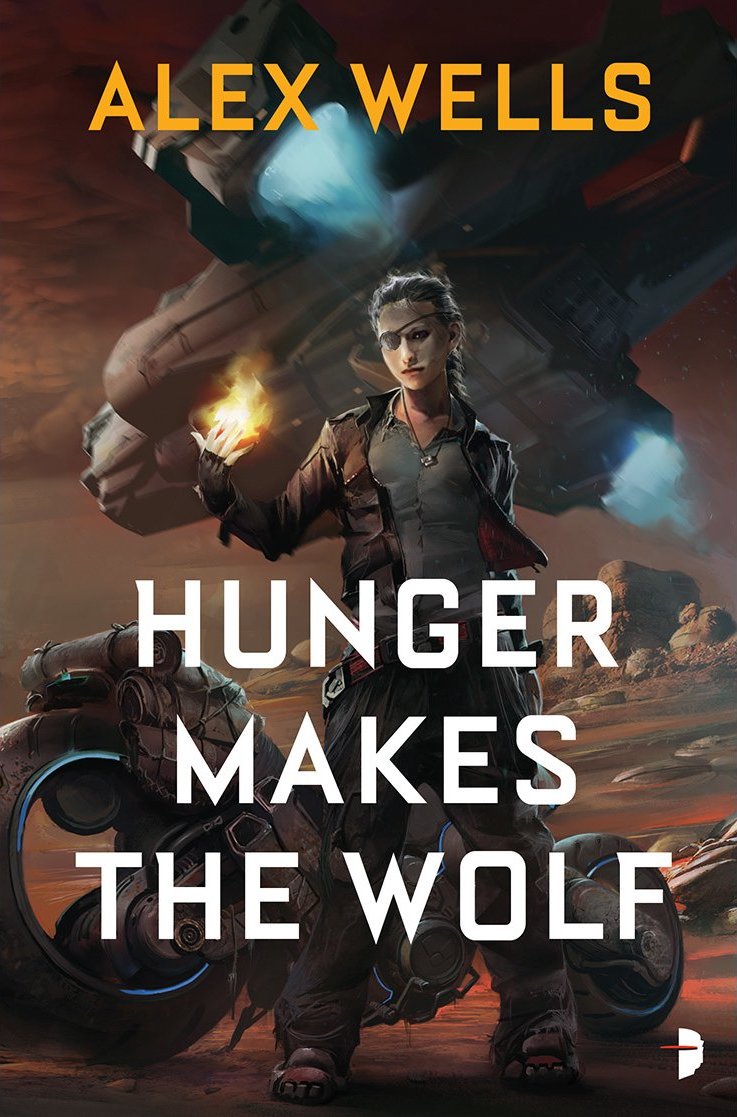
As Rachael Acks, Alex Acks published some two dozen stories in places like Lightspeed, Shimmer, and Mothership Zeta. For novels he uses the name Alex Wells; his first, Hunger Makes the Wolf, was released last March by Angry Robot, and it got praised by a whole lot of people I respect. E Catherine Tobler said “It has a wonderful weird west vibe and some of the phrasing is simply delicious… Alex crafts a host of fascinating characters here – the Weathermen, the Bone Collector – and I reckon you’re going to love their adventures.” And at Tor.com, Liz Bourke said “It’s a science fiction Western thriller, and it is great, and I’m really, intensely, eagerly looking forward to the sequel.”
Well I have good news for Liz: the sequel has arrived. Blood Binds the Pack was released last week, it sounds as engaging as the first, and I ordered a copy as soon as it was available. Here’s the description.
War is coming to Hob Ravani’s world. The company that holds it in monopoly, TransRift Inc, has at last found what they’re looking for — the source of the power that enables their Weathermen to rip holes in space and time, allowing the interstellar travel all of human society now takes for granted. And they will mine every last grain of it from Tanegawa’s World no matter the cost.
Since Hob Ravani used her witchy powers to pull a massive train job and destroy TransRift Inc’s control on this part of the planet, the Ghost Wolves aren’t just outlaws, they’re the resistance. Mag’s miner collective grows restless as TransRift pushes them ever harder to strip the world of its strange, blue mineral. Now Shige Rollins has returned with a new charge — Mr Yellow, the most advanced model of Weatherman, infused with the recovered mineral samples and made into something stranger, stronger, and deadlier than before. And Mr Yellow is very, very hungry.
Blood Binds the Pack was published by Angry Robot on February 6, 2018. It is 496 pages, priced at $8.99 in paperback and $6.99 for the digital edition. The cover is by Ignacio Lazcano. Read the first two chapters here.
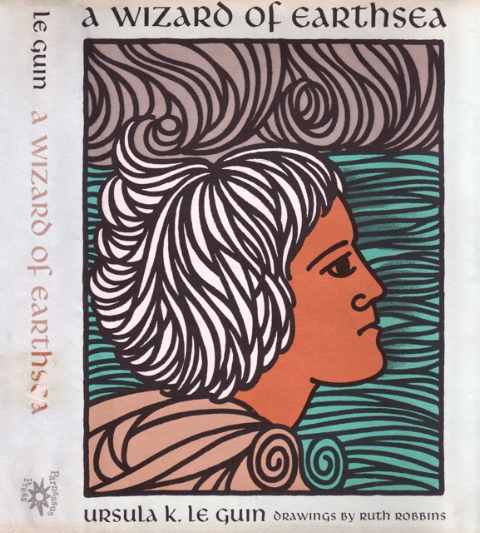 As I wrote last time, this excursion through the bookshelves of my younger days was inspired by the recent death of Ursula K. Le Guin. I haven’t read much Le Guin outside the Earthsea books; most of her work hasn’t appealed to me. But the Earthsea books, especially the initial trilogy — A Wizard of Earthsea (1968), The Tombs of Atuan (1970), and The Farthest Shore (1972) — did and, I was glad to find out, still do.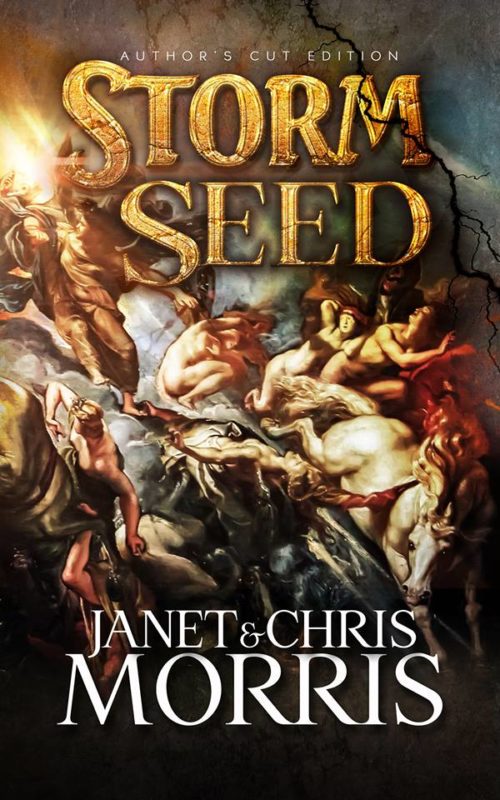



 I’ve always loved vintage travelogues. The world was bigger a hundred years ago, its cultures more distinct and isolated. Travel was hard and sometimes dangerous. Accounts of old journeys bring me back to a time when people could go to places like Africa and not be able to text home.