Browsed by
Category: Books

Barry Malzberg on the Pocket Best of…. Volumes

Barry Malzberg on the Pocket Best of…. Volumes

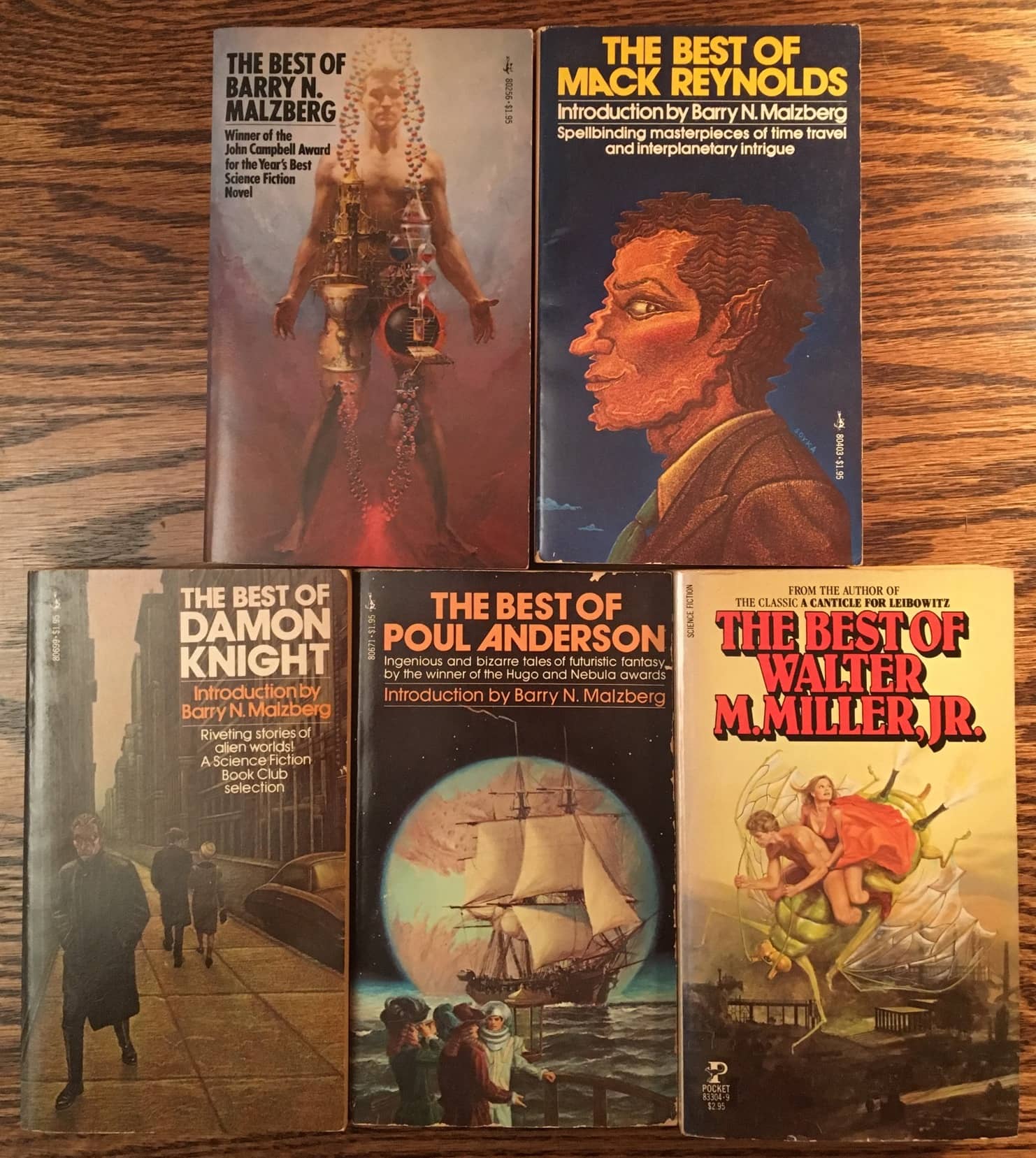
Barry MalzbergOn Friday I wrote here about the Best of collections from Pocket Books published in the late 70s, which featured Robert Silverberg, Poul Anderson, Walter M. Miller, and many others. Most had introductions by Barry Malzberg, the respected editor who’d helmed Amazing and Fantastic (and future editor of the SFWA Bulletin), and I wondered aloud if the books had been edited (or ghost-edited) by Malzberg.

Reader Alvaro Zinos-Amaro, author of Traveler of Worlds: Conversations with Robert Silverberg, leaped into action. “I asked Barry if he did the editing & teaser texts, per your speculation,” he told me. “Here’s his answer, which he said was fine to share.” Based on the comments on that post, I thought you lot might be as interested as I was, so here’s Barry’s reply.

The eight Best of collections were conceived by Robt. Gleason, the sf editor at the time [my novel] Beyond Apollo was acquired for sublicense from Random House and he remained there from 1972-1976. Those collections were acquired by him; he was fired in 1974 (went over to Playboy Press) and succeeded by his young assistant (b. 1952) Adele Leone Hull.

It was her idea to commission me for the eight Introductions (at $75 apiece!) and she wrote the cover copy; I had nothing to do with the collections beyond the Introductions. Hull was the sf editor at Pocket Books until 1978, went over very briefly to Pyramid and when Pyramid in 1979 was fully absorbed (under the Jove imprint) into Harcourt she became an agent.

That’s the first confirmation I have that there were eight volumes in the series with a Malzberg intro (I count at least 10 overall), so I’m doubly grateful to Alvaro for passing that along. Our previous coverage of Barry includes my thoughts on his collections Astounding Science Fiction in the 1950s and Bug-Eyed Monsters (both co-edited by Bill Pronzini), and his novel Underlay.
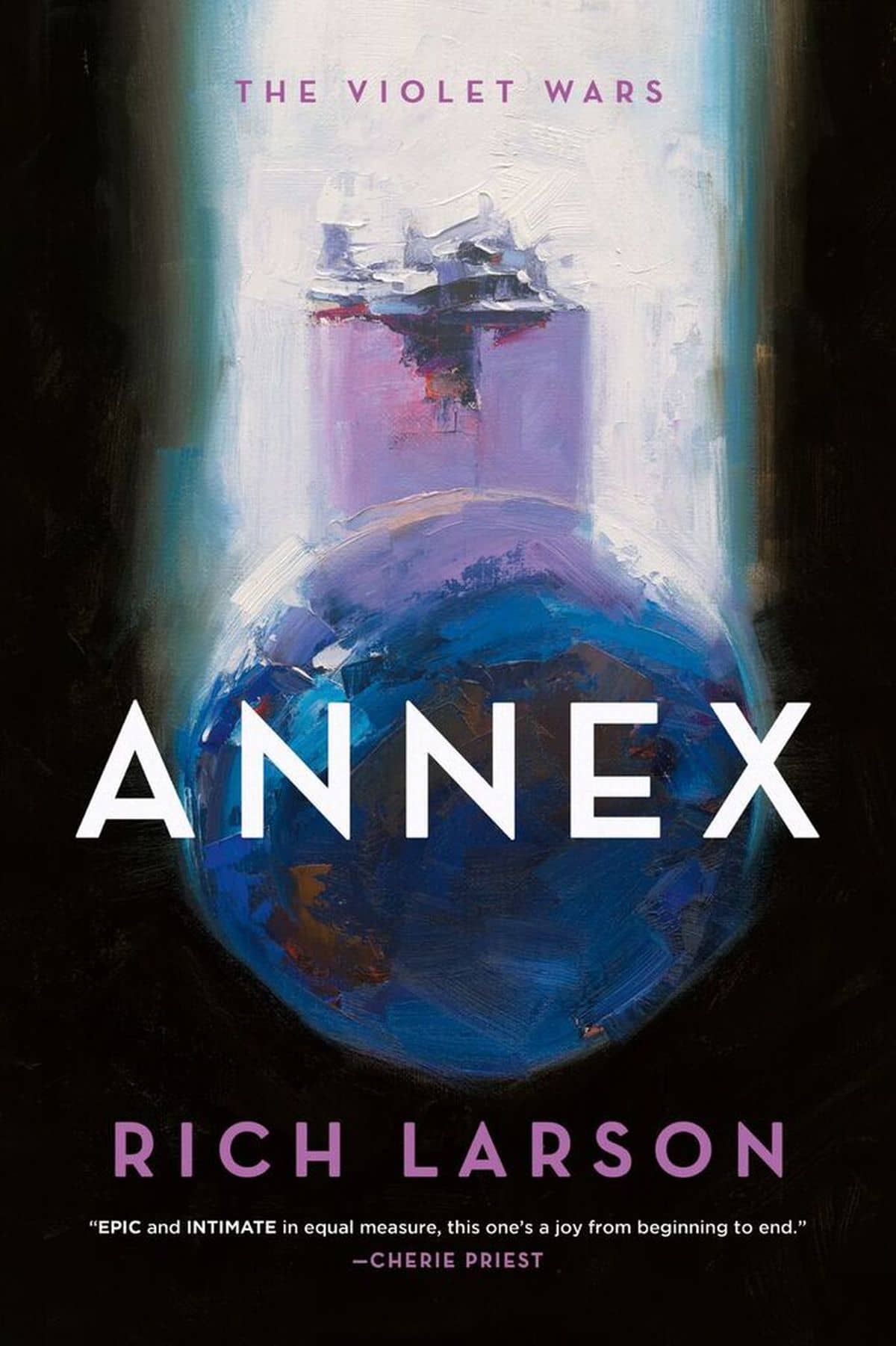

Future Treasures: Annex by Rich Larson

Future Treasures: Annex by Rich Larson

Annex Rich Larson-smallIf you’ve been paying attention at all to short fiction recently you’ve likely come across Ottawa author Rich Larson. He burst onto the scene in late 2012, and over the past six years he’s sold over 100 stories — that’s more than one per month. He’s appeared virtually everywhere, including Interzone, Asimov’s SF, Clarkesworld, Beneath Ceaseless Skies, Daily Science Fiction, Tor.com, Apex, Analog, F&SF, Lightspeed, OMNI, and anthologies like Infinity Wars, Upgraded, The Book of Swords, and Clockwork Phoenix 5.

In 2016 Jonathan Strahan proclaimed “this year seems to belong to Rich Larson and Dominica Phetteplace, both of whom have had fine stories in a range of publications,” and Gardner Dozois called him “one of the best new writers to enter science fiction in more than a decade.” His work has appeared in numerous Year’s Best anthologies, including five different 2018 volumes from Rich Horton, Neil Clarke, Jonathan Strahan, David Afsharirad, and Gardner Dozois. Anticipation for his debut novel Annex has been extremely high, and it arrives this month from Orbit.

In Rich Larson’s astonishing debut Annex, only outsiders can fight off the true aliens.

At first it is a nightmare. When the invaders arrive, the world as they know it is destroyed. Their friends are kidnapped. Their families are changed.

Then it is a dream. With no adults left to run things, Violet and the others who have escaped capture are truly free for the first time. They can do whatever they want to do. They can be whoever they want to be.

But the invaders won’t leave them alone for long…

This thrilling debut by one of the most acclaimed short form writers in science fiction tells the story of two young outsiders who must find a way to fight back against the aliens who have taken over her city.

Rich’s first collection, Tomorrow Factory, will also be released in October from Talos Press. Get more details here.

Annex, the opening book in The Violet Wars, will be published by Orbit Books. It is 368 pages, priced at $15.99 in trade paperback and $4.99 for the digital edition. The cover is by Greg Manchess. Check out the intriguing cover reveal at the Barnes & Noble Sci-Fi & Fantasy Blog.

Birthday Reviews: Edo van Belkom’s “The October Crisis”

Birthday Reviews: Edo van Belkom’s “The October Crisis”

Cover by Barclay Shaw

Edo van Belkom was born on July 14, 1962.

Van Belkom won the Bram Stoker Award for his short story “Rat Food,” co-written with David Nickle. He has won the Aurora Award three times, for the short story “Hockey’s Night in Canada,” for editing Be VERY Afraid!, and for his novel Wolf Pack. He has written erotica under the pseudonym Evan Hollander and has written at least two Deathlands novels using the James Axler house name.

In the 1990s Mike Resnick published several alternate history anthologies, including Alternate Tyrants, which took various world leaders and put them in a situation which allowed them to exercise their dictatorial desires. Edo van Belkom’s submission was “The October Crisis,” a Canadian alternate history which has never been reprinted.

“The October Crisis” of the title of Edo van Belkom’s alternate history was a period that lasted for most of October in 1970 when members of the Front de libération du Québec took hostages in Quebec in an attempt to forward their separatist movement. While Canadian Prime Minister Pierre Trudeau implemented the War Measures Act, permitting himself a wide range of powers, the measures expired in November in our own timeline. In the world of van Belkom’s story, Trudeau continued to use the powers to suppress any dissent, political or journalistic.

The story follows our own timeline pretty closely until Trudeau decides to use the acts powers against the kidnappers directly, and also orders the secretive murder of the released kidnapping victim in order to drum up further support for his policies. At this point in the story, van Belkom switches point of view to have the leader of the opposition, Robert Stanfield, describing Trudeau’s excessive actions to Richard Nixon to attempt to get the US to intervene in the growing tyranny in Canada. Van Belkom introduces some ambiguity at this point, leaving the question open as to whether Nixon will respond to Stanfield’s pleas to help, or give into his own tyrannical tendencies to model his own manner of leading the US after the policies instituted by Trudeau.

Read More Read More

The Pocket Best

The Pocket Best

The Pocket Best Science Fiction-small

We’ve spent a lot of time here at Black Gate celebrating Del Rey’s Classics of Science Fiction line from 1974-88 (The Best of Eric Frank Russell, The Best of Fritz Leiber, etc.); nearly two dozen paperback originals reprinting early short stores by C.L. Moore, Leigh Brackett, Edmond Hamilton, Henry Kuttner, John W. Campbell, Philip K. Dick, Fredric Brown, Murray Leinster, Robert Bloch, Jack Williamson, and many others. The series was the equivalent of a Masters-level course in science fiction and, taken as a whole, formed an essential library of 20th Century SF. The entire series, including all the reprints, is cataloged at IMDB. None of the volumes have been reprinted since 1988, and there are no digital versions, but the series was popular enough that copies are easy to find and not particularly expensive. (See below for a handsome set I bought last month for $40).

Lester del Dey wasn’t the only publisher to see the value of a line of Best of collections, of course. Donald Wollheim more or less pioneered the idea with The Book of  A.E. van Vogt (DAW Books No. 4, 1972) and The Book of Brian Aldiss (No. 29, 1972), and followed with nine more from Frank Herbert, Philip K. Dick, Gordon R. Dickson, Philip Jose Farmer, Fritz Leiber, Fred Saberhagen, Poul Anderson, John Brunner, and Andre Norton. Like most early DAW efforts though, these were slender volumes; they’re also not as numerous, and the packaging isn’t nearly as attractive as the Del Rey books, so they aren’t as collectible.

There was another publisher who gave del Rey a run for his money, however. Between 1976 and 1980 Pocket Books produced nearly a dozen substantial collections showing off the science fiction authors in their catalog, including Jack Vance, Robert Silverberg, Harry Harrison, John Sladek, Keith Laumer, Damon Knight, Poul Anderson, Barry N. Malzberg, Mack Reynolds, and Walter M. Miller.

Read More Read More

In 500 Words or Less: A Short Fiction Roundup!

In 500 Words or Less: A Short Fiction Roundup!

oie_11175654znBnLB0voie_11175745eAgDEx2yFocusing a review into less than five hundred words is tough sometimes, but I feel like I’ve got the hang of it. The obvious next step? Talk about multiple books in one review!

This week I’m doing a roundup of some excellent short fiction I’ve read in the last few weeks. It covers a breadth of genres and styles, so hopefully some (if not all) of what I mention below appeals to you.

First off, I had the pleasure of receiving an ARC of the second issue of Reckoning, edited by Michael J. DeLuca, who I co-hosted the first #solarpunkchat with on Twitter in April. Reckoning focuses specifically on environmental justice, and Issue 2 is packed with a ton of experimental and forward-thinking work about sustainability, culture and the environment. Michael’s introduction concerning how to raise a child knowing their world will be fundamentally different than your own echoed a lot of my concerns about teaching, but the piece that blew me away was Marissa Lingen’s “The Shale Giants,” giving voice to the earth beneath us, which might not be patient and benevolent forever.

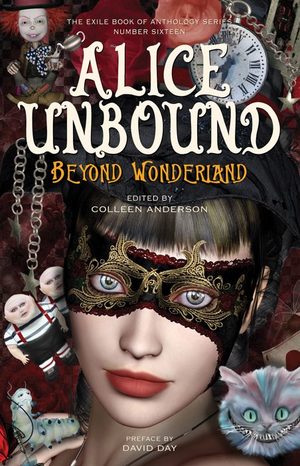
If you’re a fan of themed anthologies, get a copy of Alice Unbound from Canada’s Exile Editions, which riffs off Alice in Wonderland with SFF twists. There are too many great stories to mention here. Kate Heartfield, whose debut novel I reviewed recently, creates a tragic narrative around Carroll’s Gentleman in the Paper Suit in “Dressed in White Paper.” Geoff Gander and Fiona Plunkett turn Alice and her friends into Firefly­-esque freelancers, complete with a caterpillar alien, in “Full House.” Though the final reveal in Pat Flewwelling’s story of madness spreading through an airport is a little too on-the-nose for me, “Cyphoid Mary” is still the most terrifying piece in the anthology. But my absolute favorite is “The River Street Witch” by Dominik Parisien, told from the perspective of a young girl who believes she’s a witch with no control over her magic, but if you read between there’s much more at play — this is a story that will stay with you long after you’ve finished.

Read More Read More

New Treasures: Deep Roots by Ruthanna Emrys

New Treasures: Deep Roots by Ruthanna Emrys

Winter-Tide-Ruthanna-Emrys-medium Deep Roots Ruthanna Emrys-small

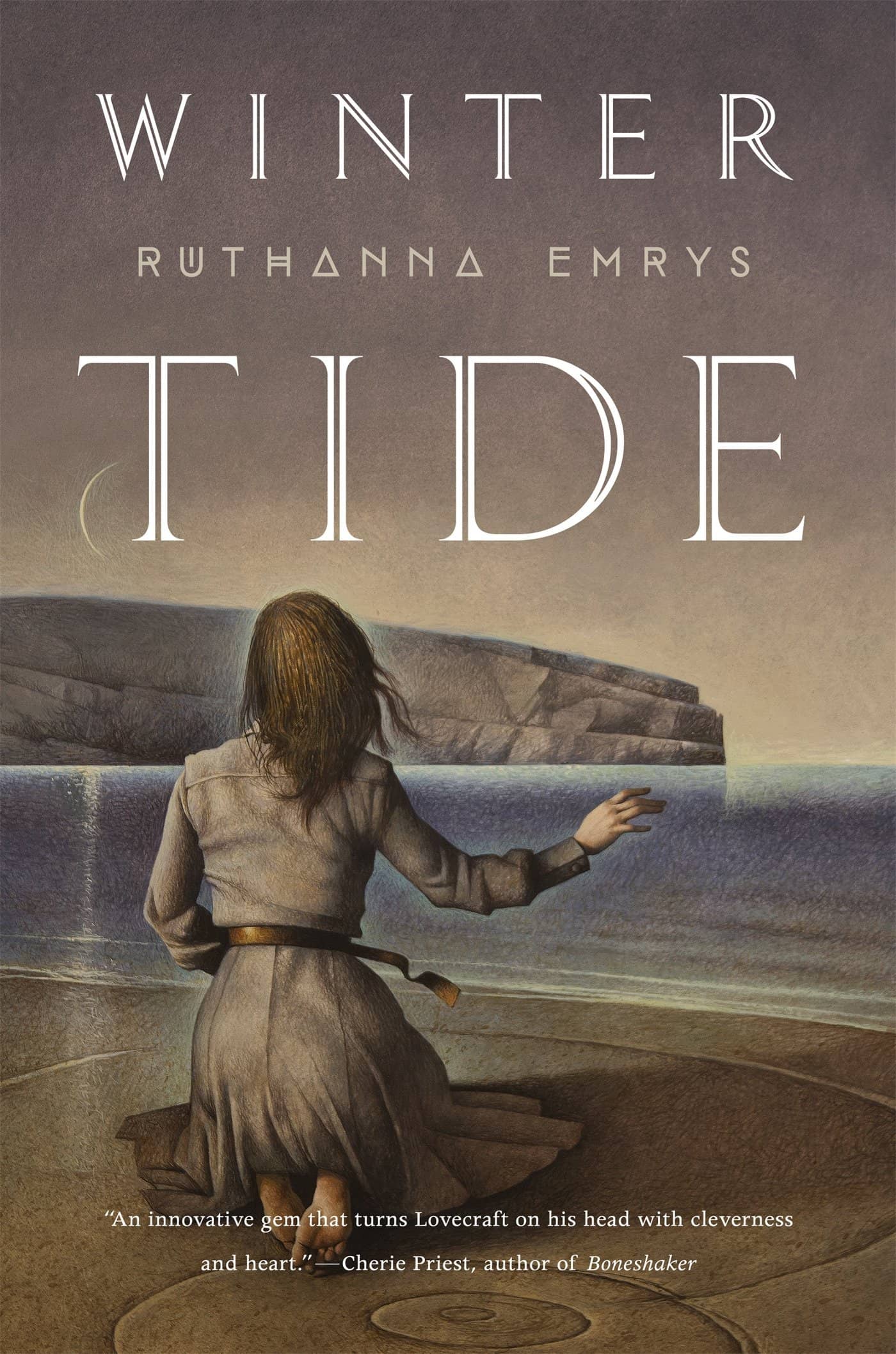
Ruthanna Emrys’ tales of The Innsmouth Legacy began with “The Litany of Earth,” a novelette originally published at Tor.com in May 2014, which picks up the threads of H.P. Lovecraft’s classic “The Shadow Over Innsmouth.” Aphra Marsh, who with the other residents of Innsmouth was forced into internment camps, discovers humans trying to replicate her people’s secret rituals, with sinister consequences. If it weren’t for the noxious Hugo-grab by the Rabid Puppies, it would almost certainly have ended up on the 2015 Hugo Award Ballot.

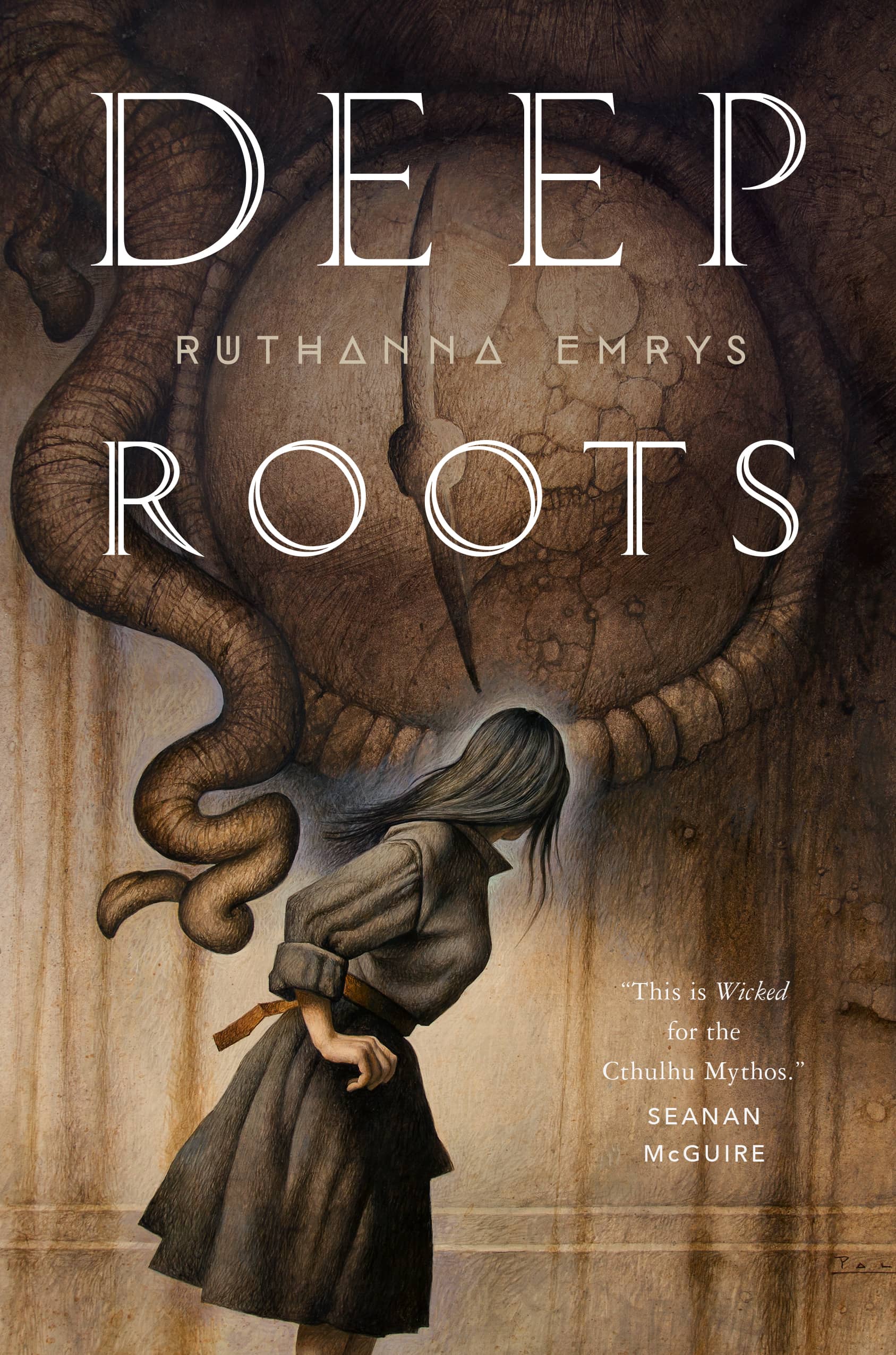
The story eventually grew into Winter Tide, one of NPR’s Best Books of 2017, which Liz Bourke called “an exceptionally accomplished debut.” Like a Great Old One emerging out of the Pacific, the tale has continued to grow and spread. The sequel Deep Roots, the second volume in what’s now a planned trilogy, arrived in hardcover from Tor.com Publications this week. Here’s the description.

Read More Read More

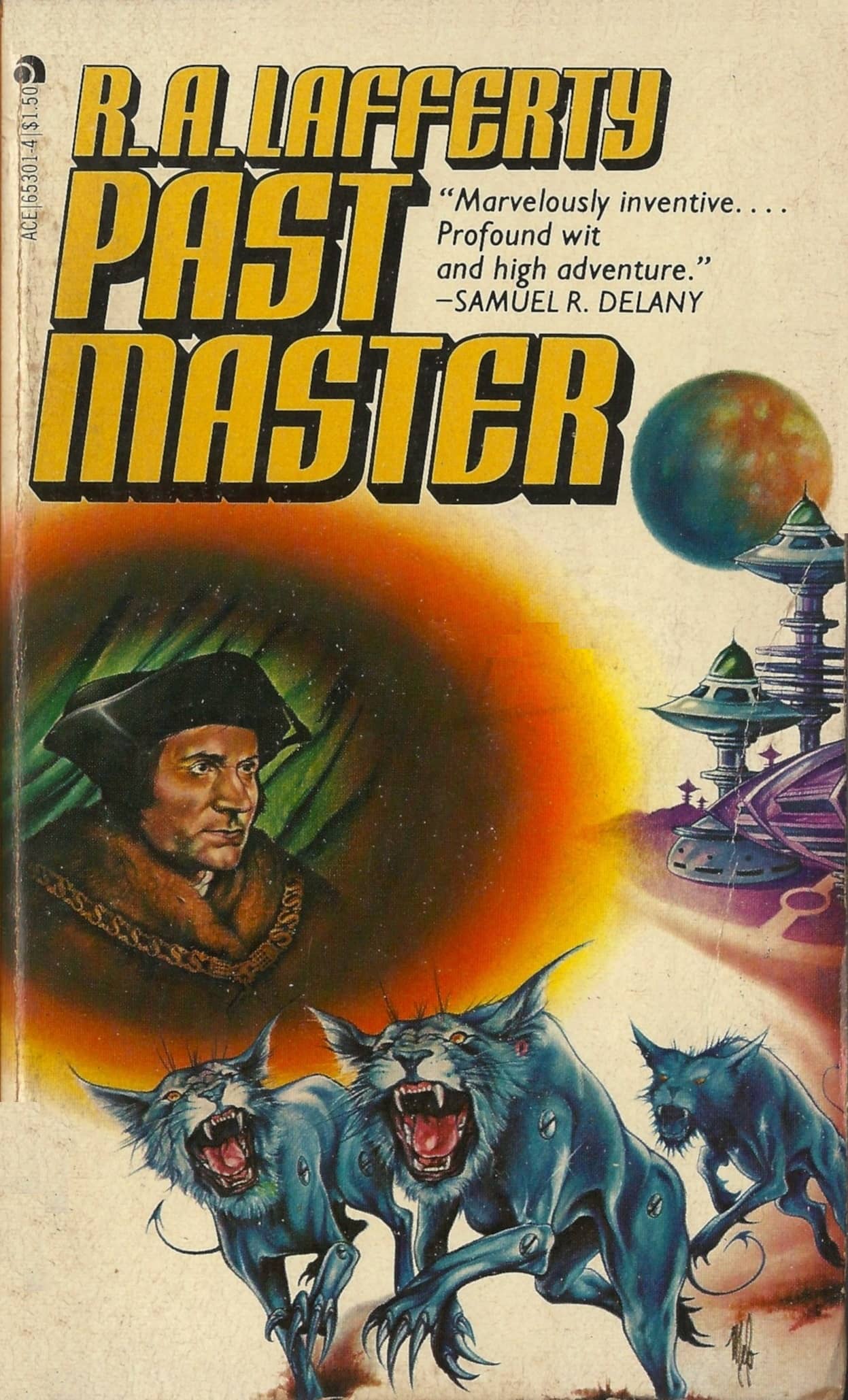
R.A. Lafferty, the Past Master of Science Fiction

R.A. Lafferty, the Past Master of Science Fiction

Past Master-small Past Master-back-small

R.A Lafferty is one of my absolute favorite classic SF writers. Though I’ve never read any of his novels.

Yeah, I know that sounds weird. But Lafferty is remembered today mostly for his brilliant short fiction, collected in priceless collections like Nine Hundred Grandmothers (1970), Strange Doings (1972), and Lafferty in Orbit (1991). And his novels… well, they’re not so well remembered. There are a lot of theories about this. In his wonderful SF biography Past Masters (the title of which is an homage to Lafferty), Bud Webster quotes Mike Resnick, who was close to Lafferty:

There were a number of people… who thought he was the most brilliant short story writer in the field. But his novelettes weren’t as good, and except for Space Chanty (sic) his novellas were unexceptional, and his novels were for the most part mediocre. I blame his drinking for this. If he could grind out a story in one or two sittings, he could be brilliant. But if a novel took him 50 writing sessions, you get the feeling that each day he had to refresh his memory of what the hell he wanted to do, how he wanted to say it, etc.

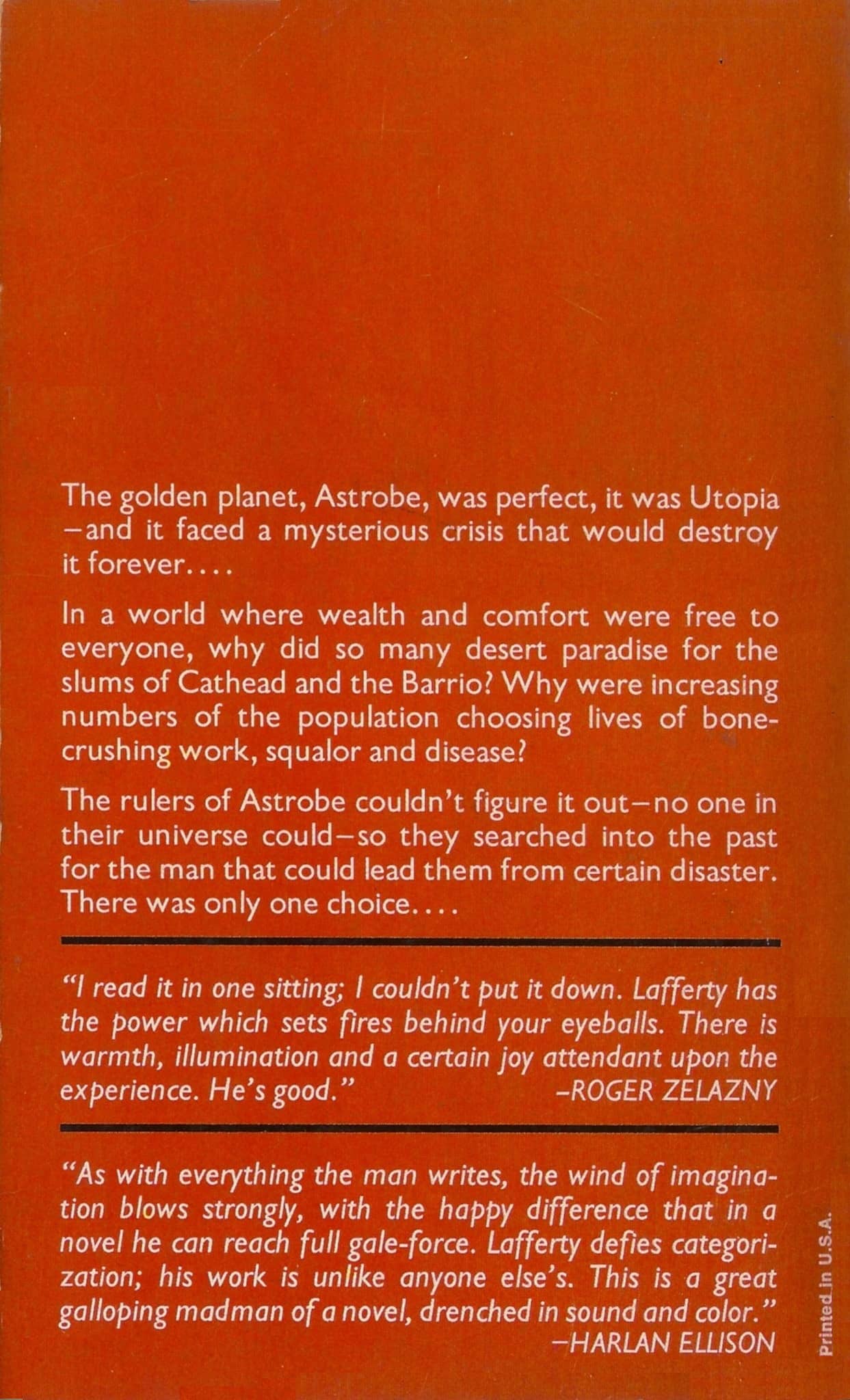
Not all of Lafferty’s novels have a poor rep. His first, Past Master (1968), was nominated for both the Hugo and Nebula, and today has become one of the most collectible SF paperbacks ever published by Ace Books, with good-condition copies commanding $50-85 and up on eBay.

Read More Read More

Sharpen Those Writing Pens: Rogue Blades Entertainment Open to Submissions for Three New Anthologies

Sharpen Those Writing Pens: Rogue Blades Entertainment Open to Submissions for Three New Anthologies

Writing-Fantasy-Heroes-small Challenge-Discovery-Rogue-Blades-Entertainment-small

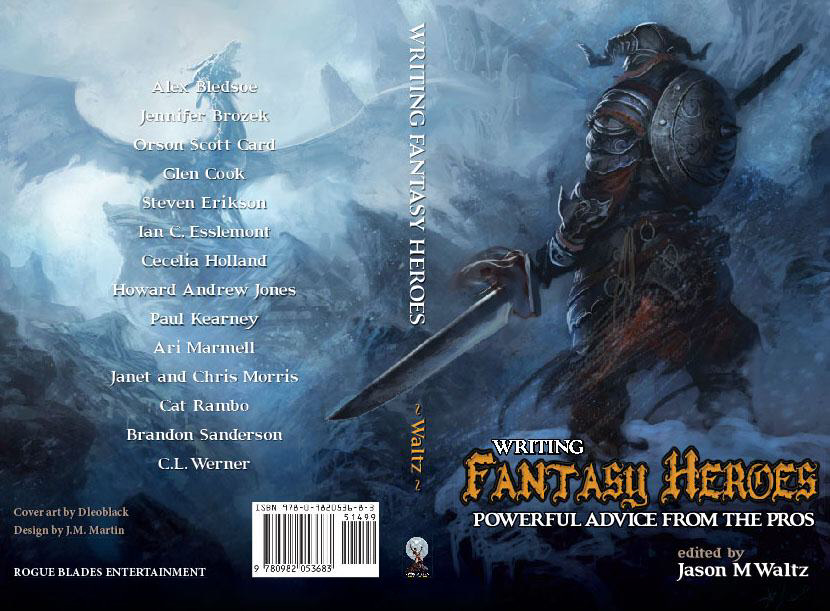
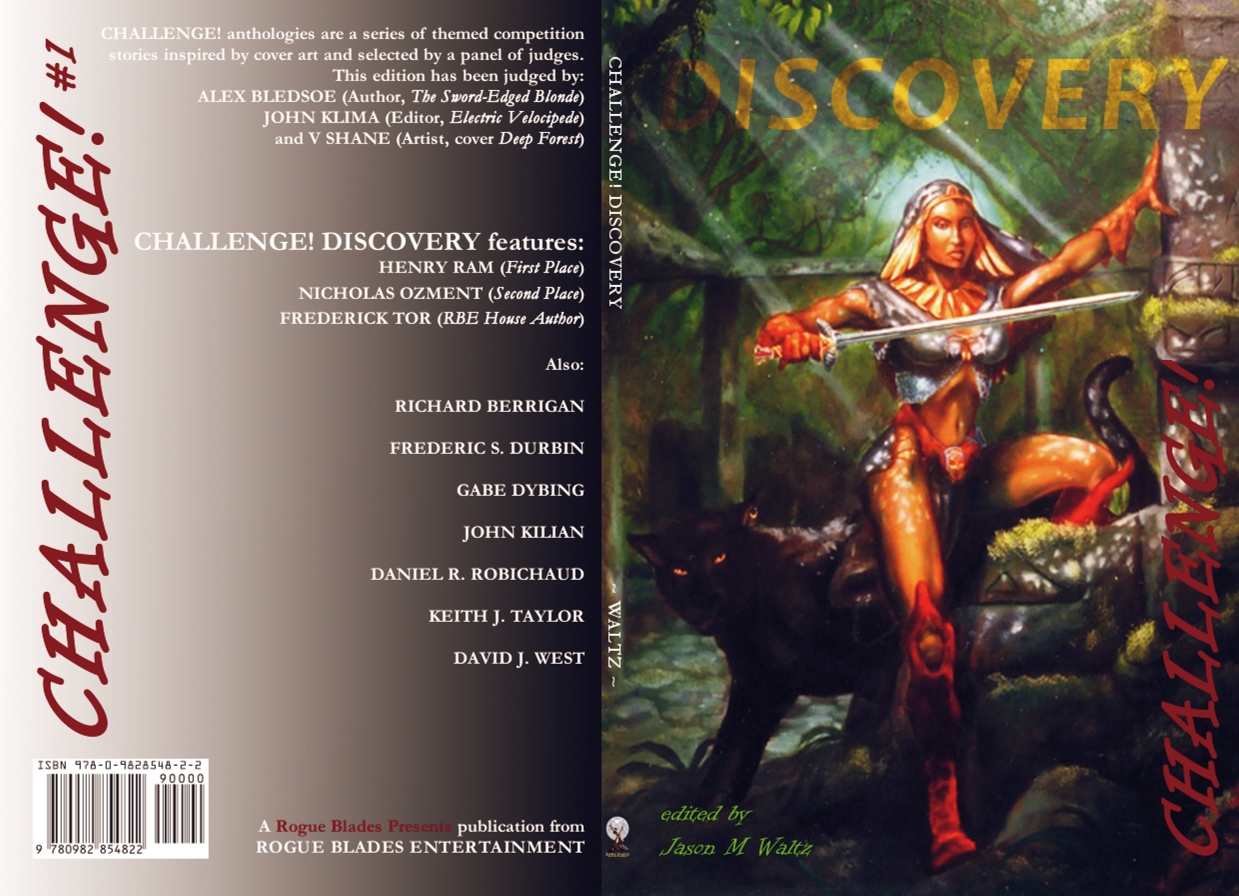
Rogue Blades Entertainment’s Jason M. Waltz is one of the best editors in the adventure fantasy business. His books include the groundbreaking Writing Fantasy Heroes, Challenge! Discovery, Rage of the Behemoth, and Return of the Sword, one of the most important Sword & Sorcery anthologies of the 21st Century. But as exciting as those tomes are, what I want to talk about today are Jason’s future books — which promise to be as groundbreaking as his epic back catalog.

One of the great things about Jason is that, unlike many other editors at established publishing houses, he has open submission. That’s right — anyone can submit to one of his anthologies. And right now he has not one, not two, but three books open. The first is a swashbuckling pirates & crusaders volume, Crossbones & Crosses, and it sounds terrific. Here’s a snippet from the Submission Guidelines.

Pirates & Crusaders, ahoy! Hoist your banners, unsheathe your blades, kiss your crosses, and let’s search for booty on the seas and the sands! More of the age of steel than shot, though some rudimentary gunpowder is acceptable. NO fantastical elements! Write us your strongest swashbuckling adventures! Gritty, dangerous, and bloody, but nothing of this grimdark nihilism…

Stories should be 4k-9k words in length. Nothing either too much shorter or too much longer. Wow us with heroic storytelling!

Submissions will be open through the fall, so you have plenty of time to craft a story that will get our blood pumping. One of Jason’s other great strengths as an editor is his lightning response times — he usually gets back to you on the first 500 words of your story in the first week.

Read More Read More

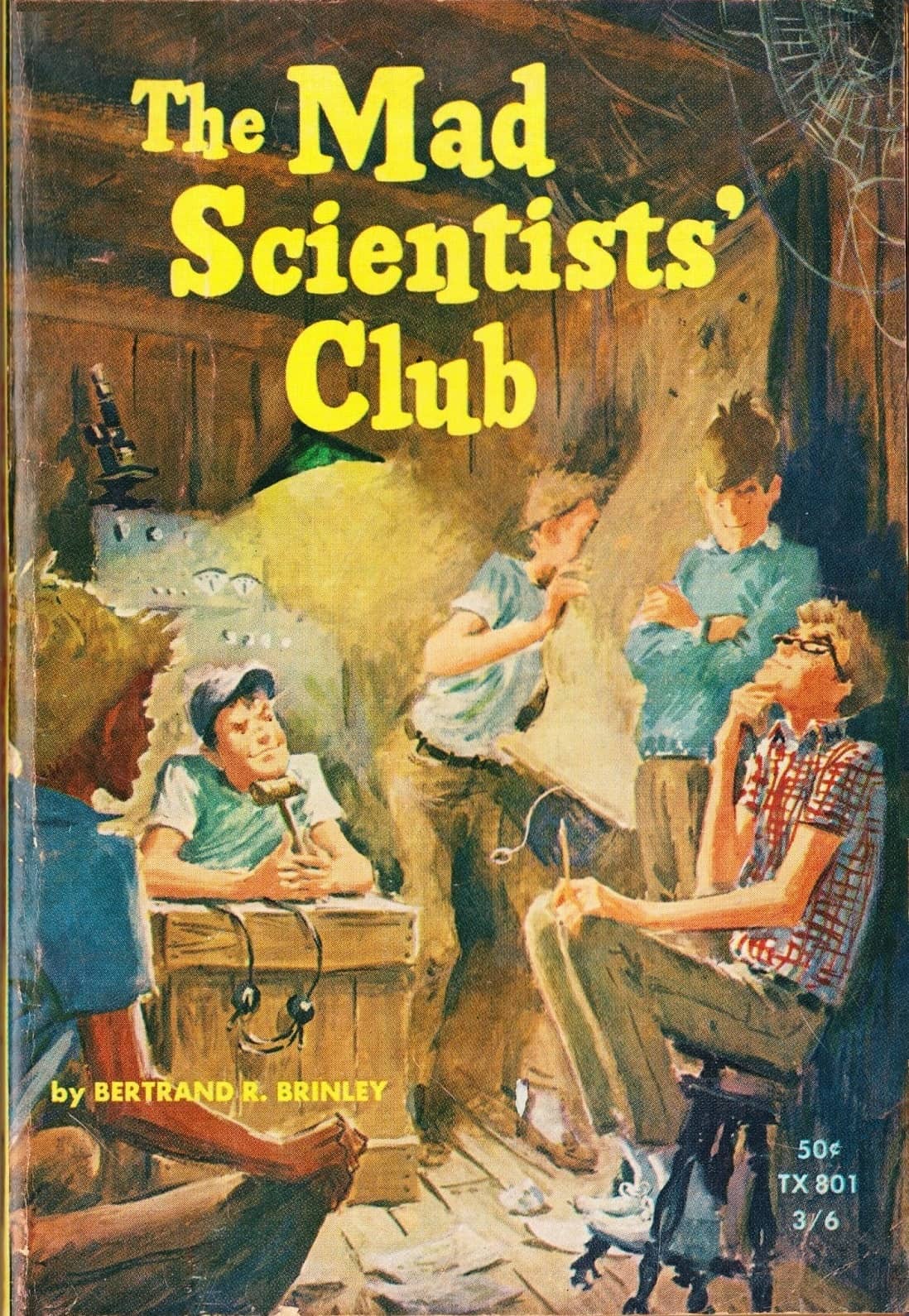
A Perfect Dream of Summer: The Mad Scientists’ Club

A Perfect Dream of Summer: The Mad Scientists’ Club

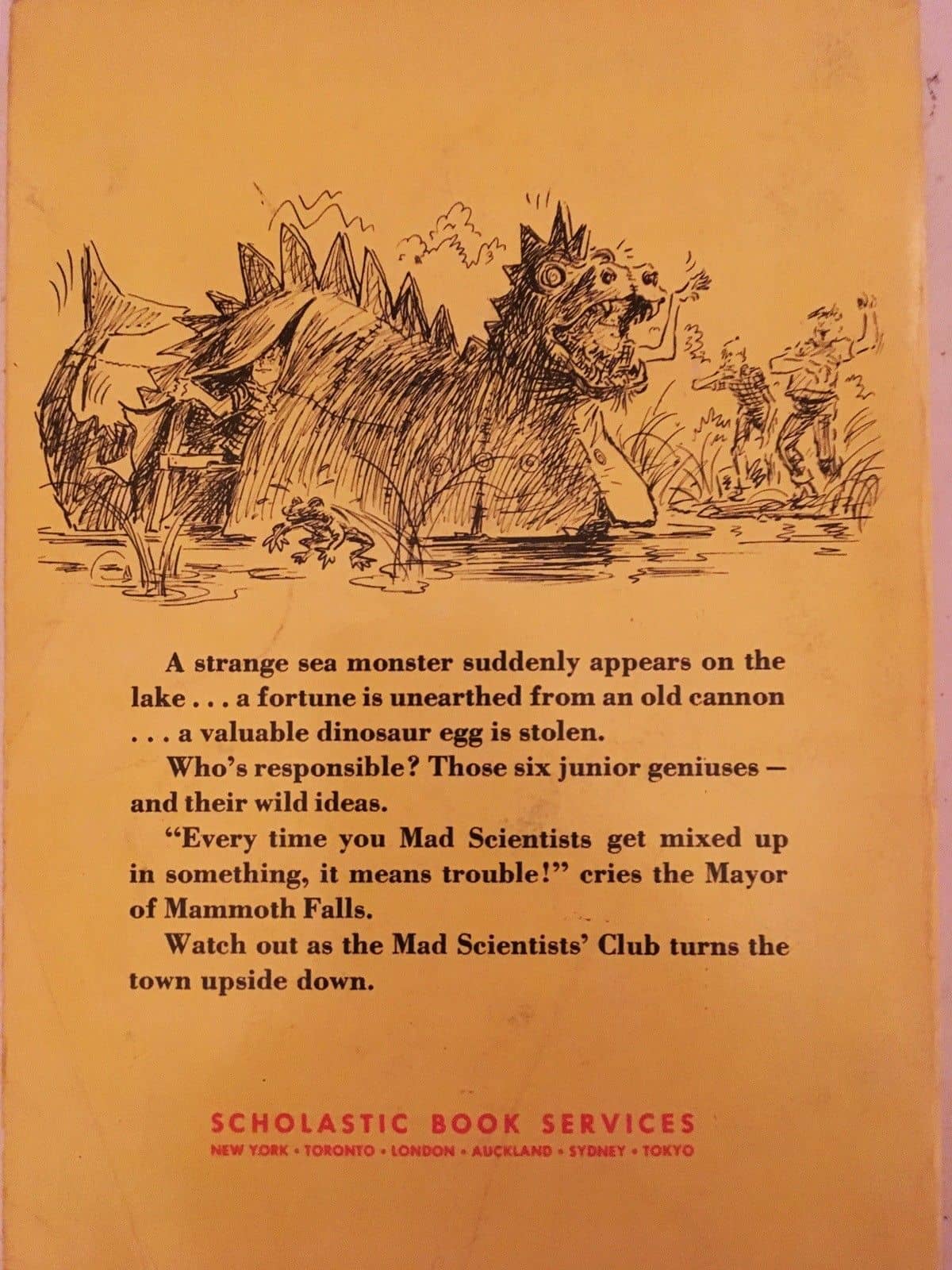
The Mad Scientists' Club-small The Mad Scientists' Club-back-small

In 1970, when I was ten, my city (Bell Gardens, California) built a new state-of-the-art library — right across the street from my house. (It was then that I knew that I was the favorite of the gods. The vicissitudes of life have since led me to revise that reckless assumption, but then I no longer live across the street from a library.) Every time I walked through the building’s doors (five or six times a day, probably), I sent up a silent thanks to Richard M. Nixon, whose name was prominently displayed on the dedication plaque by the entrance, even though he really had nothing to do with the project. (He had other things on his mind in those days — boy, did he.)

I practically lived in that library, and I knew every shelf of the large children’s section intimately; I could have drawn a quite accurate map of the layout from memory, with large arrows pointing to the location of my favorite books, many of which I checked out repeatedly and read over and over again. I retain fond memories of those stories, though nothing in the world would persuade me to reread most of them.

This is because few things in life are more hazardous than returning to a beloved children’s book after the passage of many years. It’s doubly dangerous if the work in question is one that’s “just” a children’s book and not one of those — like Alice in Wonderland or Peter Pan or The Wind in the Willows or the Little House books — that depth and brilliance and long endurance have accorded the status of literature.

There are exceptions, though, children’s books that might be less ambitious than the aforementioned classics but which can still engage an adult reader in search of something more than mere nostalgia. Exceptions like The Mad Scientists’ Club.

Read More Read More

Take a Monstrous Tour of Europe in The Extraordinary Adventures of the Athena Club by Theodora Goss

Take a Monstrous Tour of Europe in The Extraordinary Adventures of the Athena Club by Theodora Goss

The-Strange-Case-of-the-Alchemists-Daughter-Theodora-Goss-medium European Travel for the Monstrous Gentlewoman-small

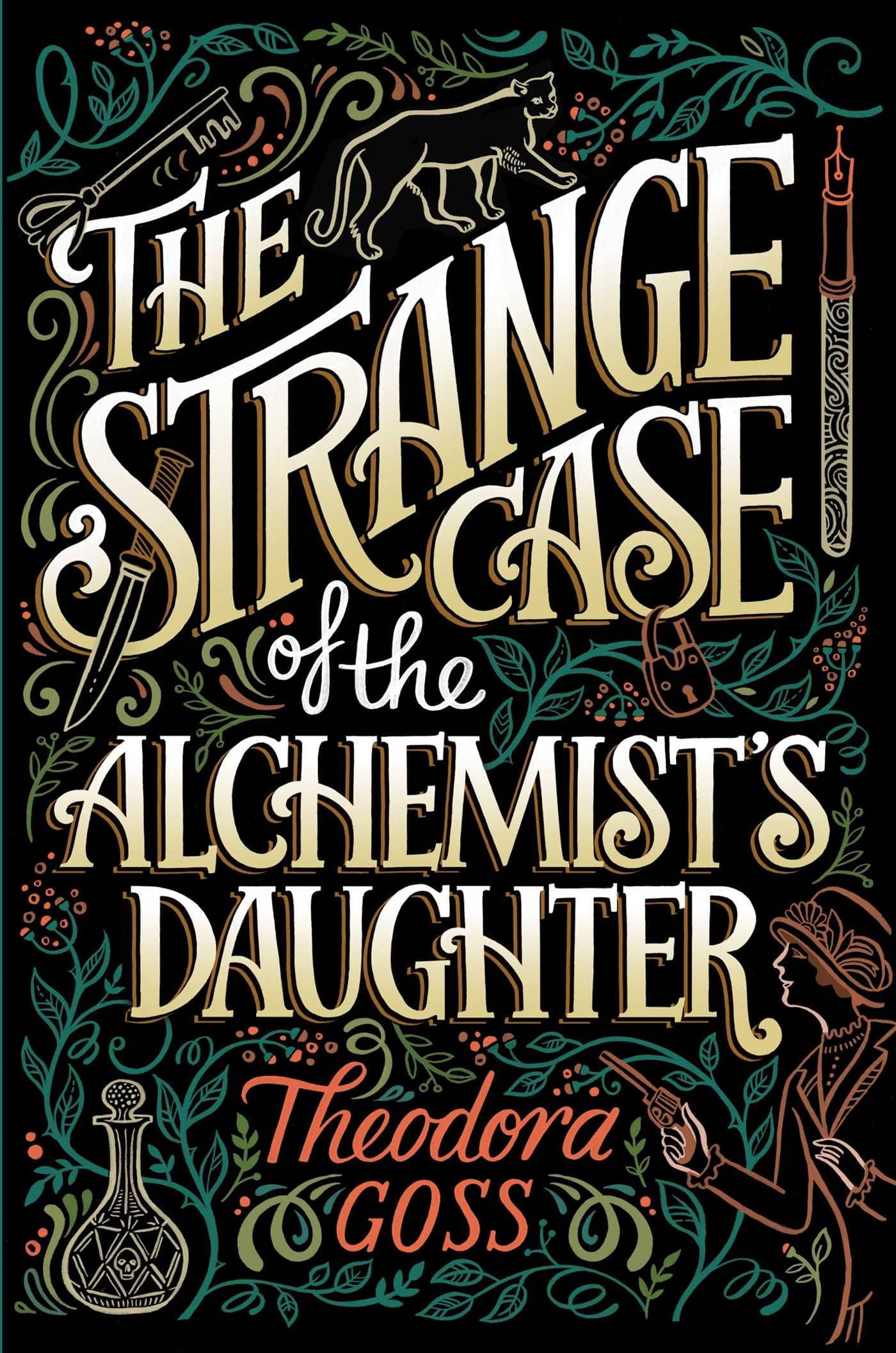
When Theodora Goss released The Strange Case of the Alchemist’s Daughter last June, Black Gate reviewer Zeta Moore raved, calling it “A Novel You’ve Been Waiting For Your Whole Life.” Here’s a clip from her review.

The Strange Case of the Alchemist’s Daughter [is] a 400-page extravaganza featuring… the daughters of legendary characters from classic fantasy and science fiction… When Mary Jekyll’s mother dies, the young inheritor of her meager estate discovers her father — Henry Jekyll himself — associated with a troubling league of gentlemen endowed with brilliant scientific ambition. With the help of Diana Hyde, a feral and headstrong spitfire (and daughter of Mr. Hyde), and a miraculous and unwilling scientific marvel named Beatrice, whom her revered father has tainted with poison from noxious plants, Mary embarks on a quest to discover just what her father’s band of brothers sought to accomplish.

Along the way, they enlist the help of an exemplary detective named Sherlock Holmes, his cherished assistant, Watson, and Catherine Moreau, daughter of the most barbaric and daring scientist of them all. Unless you factor Doctor Victor Frankenstein into the equation…

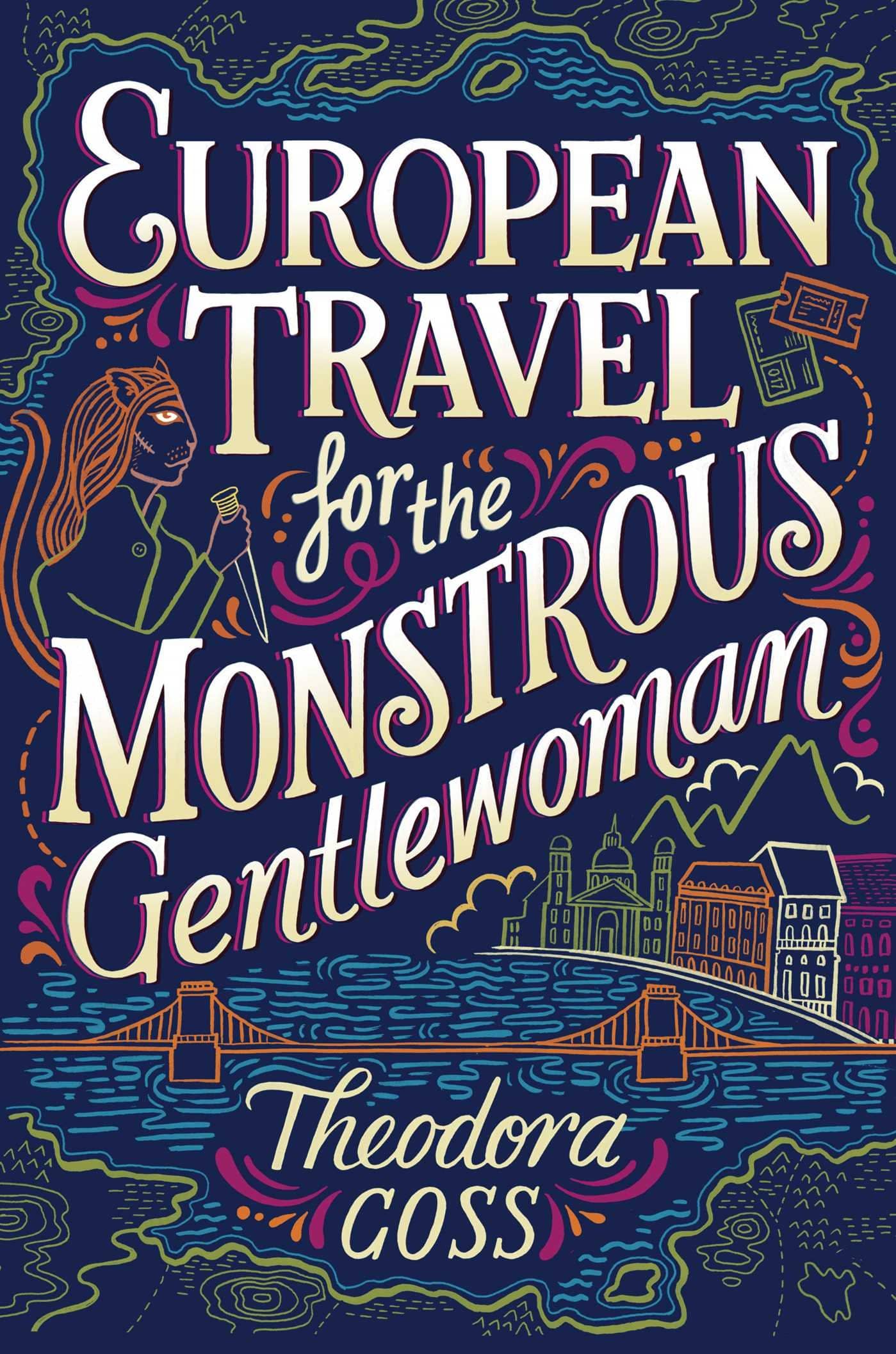
The anxiously-waited sequel, European Travel for the Monstrous Gentlewoman, arrives in hardcover from Saga Press on Tuesday. It’s a massive volume, 720 pages, and the second chapter in what’s now being called The Extraordinary Adventures of the Athena Club.

Read More Read More