Climbing Aboard the Dragon: Maps and the Fantasy Writer
The world is a miracle, unfolding in the pitch dark.
— Barry Lopez, “The Mappist”Just because you can travel to a place doesn’t mean you can know it.
—Alan DeNiro, “Salting the Map”
Like most things with us fantasy readers and writers, it started with Tolkien.
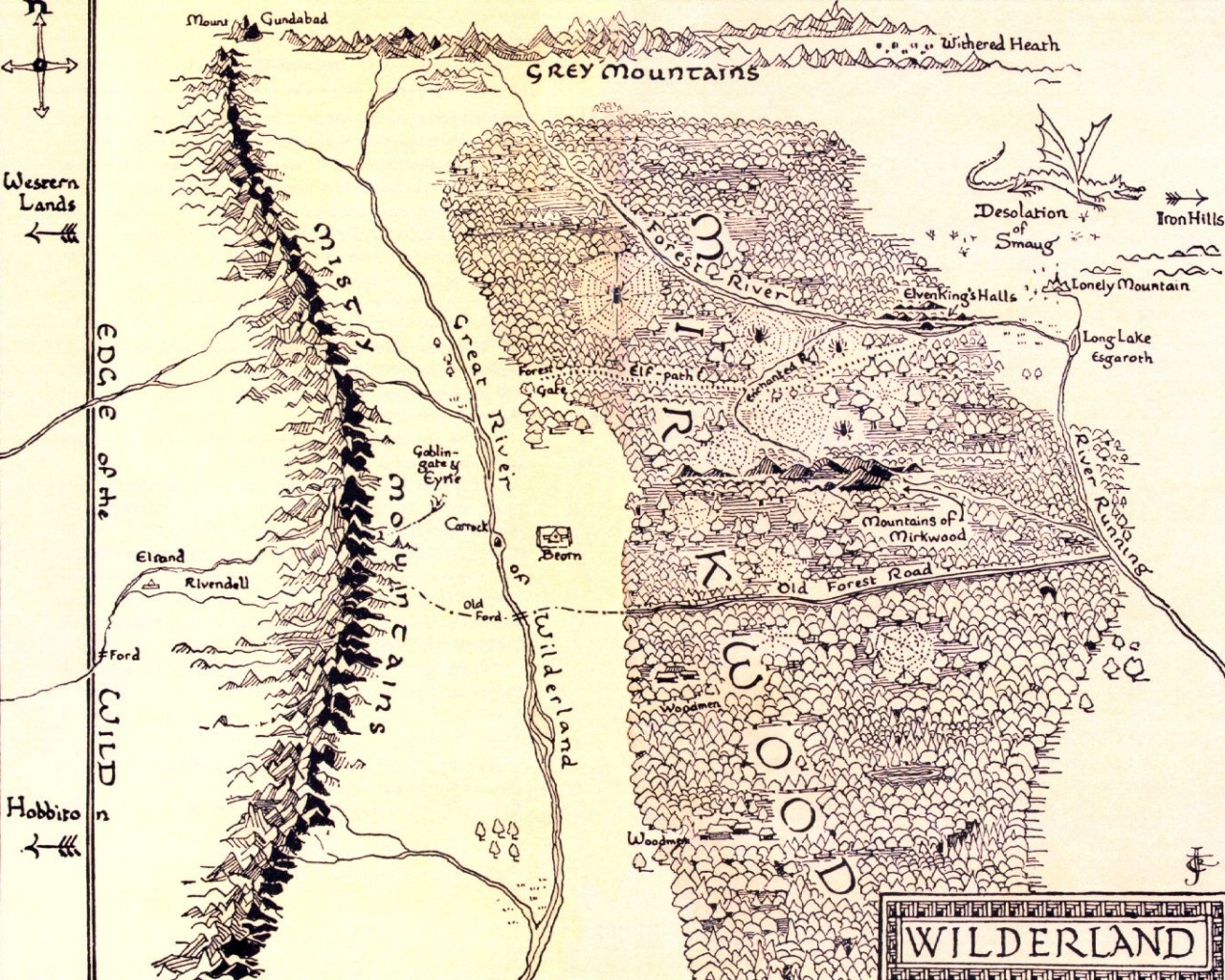
I saw the map at the beginning of my now-battered Ballantine version of The Hobbit all those years ago. The book had two maps in it, for crying out loud — my eleven-year-old self had never seen such a thing. I wondered if there’d be some sort of quiz at the end of the book — was Mount Gundabad at the northern or southern tip of the Misty Mountains? (No fair peeking!)
I can’t tell you how many times I drew and re-drew that map. I think I even tried to recreate it on an old Apple II computer, using BASIC (ouch, just aged myself, big-time). I studied it, wondered about those Woodmen living on the western border of Mirkwood, and of course traced the path taken by Bilbo and the dwarves on the way to their final meeting with Smaug the dragon.
And then I got a copy of The Fellowship of the Ring and saw how that little slice of the world from The Hobbit fit into the much bigger world of Middle-Earth, and I was hooked. Forget sketching the map of the land — I wanted to live there! (Orcs and wargs and all.)
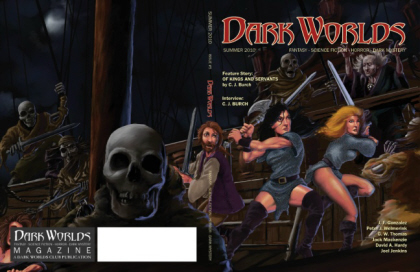 Dark Worlds #5 (Summer 2010) is online at last.
 Have you ever woken up in an extremely good mood, found you were left enough hot water for a skin-peeling shower, stepped on the scale and found it down two pounds in spite of the bacchanalia of the night before? Have you ever leapt out of bed feeling euphoric and thought, “I really love my life?”
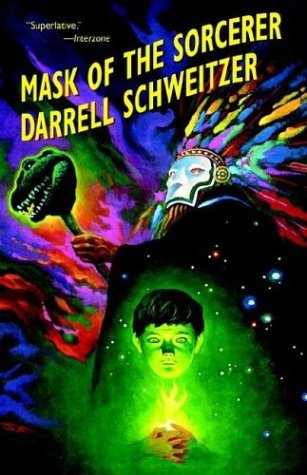 “The city is a different place in the daylight, bright banners waving from towers, houses likewise bright with hangings and with designs painted on walls and roofs. The ships of the river unload by day, and the streets are filled with the babble of tongues, while traders and officials and barbarians and city wives all haggle together. It is a place of sharp fish smells and strange incense and leather and wet canvas and unwashed rivermen who bring outlandish beasts from the villages high in the mountains, near the birthplace of the river.”
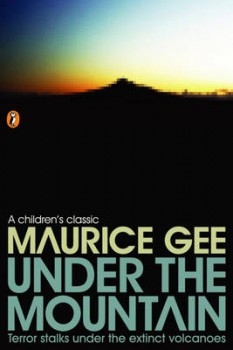 Under the Mountain (1979)
 Newcomers to fantasy collecting may be unaware of the scope of pertinent and very useful information on the web, and particulary the resources assembled by members of the Yahoo Fictionmags Group. The terms “Big List,” “FMI,” “Galactic Central,” “Locus Index” and many others crop up without necessarily being understood. Fictionmags includes the authors of some of the most seminal and definitive reference works on magazine Science Fiction, Fantasy, and General Fiction. Not only is this material substantial and providing of answers to many questions, but it is also FREE to anyone conversant in accessing the internet.
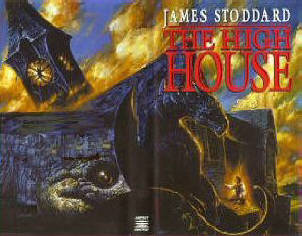 In 1998, American writer James Stoddard published his debut novel, The High House, and two years later followed it with a sequel, The False House. They’re two of the more remarkable fantasies I know.
 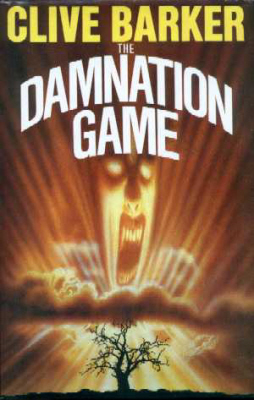 Collector prices are not always rational, as I think most collectors know. They can be fueled by hysteria. As many collectors have noticed, Clive Barker futures are very soft these days. Only the first British hardcovers of the Books of Blood and the British first of The Damnation Game have retained their value. There was a time, within a year or so of publication, when the advance galley of the American edition of Weaveworld could easily bring a hundred dollars. The last time I sold one, I bought it for $1.00 and got $10.00; but that was years ago. Nowadays you would be lucky to get five dollars for a copy. American firsts of Barker, or even galleys of same, are virtually worthless.
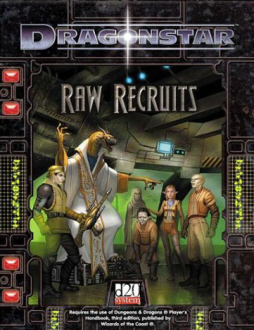 D&D in space. It’s an idea that has been around for a long while in the form of TSR/WotC’s Spelljammer.