The Blob: the Making of a Classic B-Movie
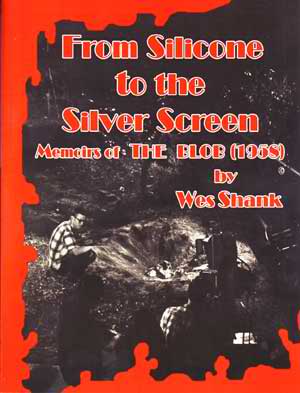
 The nostalgia for the 1950s has been with us for over forty years now. Blame George Lucas and American Graffiti (actually set during the Kennedy administration, but responsible for engendering nostalgia for the previous decade) for making us so fondly recall the birth of rock ‘n’ roll and the popularity of sock hops, drive-in movies, and the introduction of a fad for 3-D movies that is currently enjoying its third vogue, appropriately enough.
The popular mindset tends to ignore the influential role played by be-bop jazz, the beat poets, film noir’s move to television, and the introduction of Cinemascope in the same decade. Beneath the artificially clean post-war American dream, where everyone on the big screen and small screen appeared to be white, upper middle class, and enjoying cocktails and cigarettes with no ill effects, while watching Rock Hudson pursuing a virginal Doris Day, there were the McCarthy witch hunts, the Red Scare, atomic fears, juvenile delinquency, and shell-shocked WWII veterans unable to readjust to civilian life.
It was in this world that the third wave of the horror film took hold. The steadily growing move from splitting the atom to racing to the moon saw science fiction take a steady hold on the genre that took it far from the space fantasy of decades past into an allegorical means of confronting the dark fears behind the baby boomers’ dream world. One of the most potent and influential b-movies to fill drive-ins during the late 1950s was The Blob.
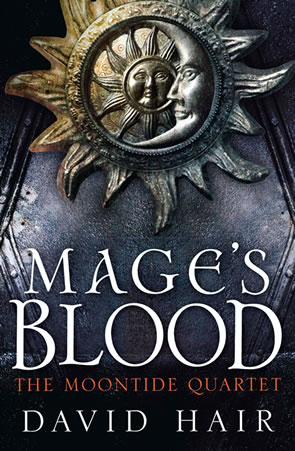 Sprawl is my favorite virtue of the novel. Not just this novel, Mage’s Blood, but novels generally, in all their varied glories. I may be the only person on Earth who is not at all perturbed by the ever-increasing length of George R. R. Martin’s Song of Ice and Fire books and I was probably the only reader of Harry Potter who wished J.K. Rowling had made her last volume about fifty pages longer, though this is not the time to say why. Sprawl may be a virtue in novels, but in blog posts, not so much. I picked up David Hair’s first volume of the new Moontide Quartet series because it promised a large ensemble cast arrayed in a family saga big enough to keep all those characters busy for years. The word “Quartet” in the title helps, too, with its suggestion that the author knows where he is going with the series. And if the first volume is anything to go by, I think he probably does.