DRACULA Has Risen From the Grave…Again
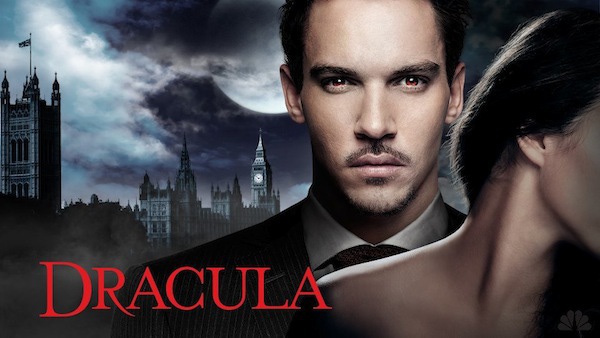
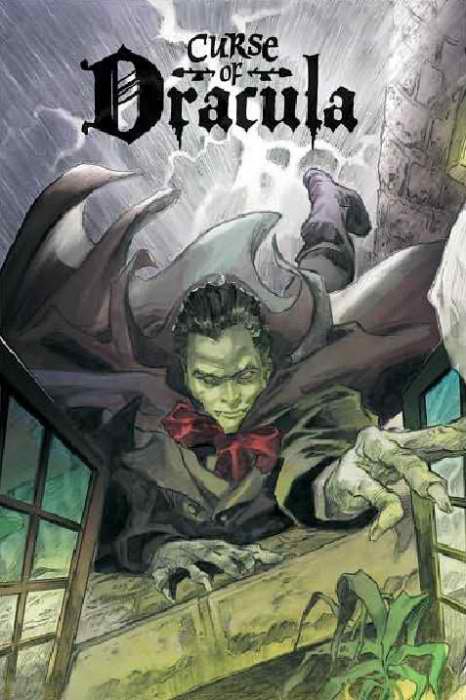
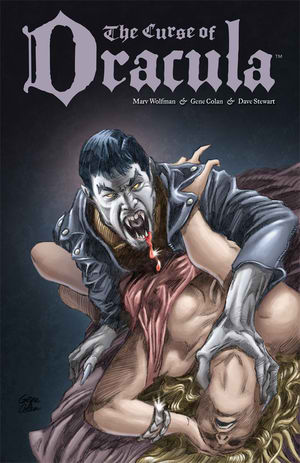
The Original Vampire is back. No, I’m not talking about Christopher Lee in the 1968 classic Dracula Has Risen from the Grave. This time, Vlad Tepes Dracula has risen in a most unexpected and delightful place. Television.
Last Friday, just in time for Halloween, NBC aired the pilot of its new limited series Dracula, starring the great Jonathan Rhys Meyers. The show is a “re-imagining” of the original Bram Stoker novel and is supervised by show runner/head writer Daniel Knauf (HBO’s Carnevale). Currently, it is set to run as 10 episodes seeped in blood, romance, and horror, driven by the vampiric charisma of Ryhs Meyers. He stole the show in the BBC’s legendary Gormenghast mini-series, but is perhaps best known for his award-winning role as Henry VIII on Showtime’s The Tudors.
So, is this new incarnation of Dracula any good? The pilot episode is immediately engaging, with its crypt-raiding, blood-soaked resurrection, its turn-of-the-century London, and its decadent world of aristocracy and privilege. The classic story of DRACULA is entirely familiar, so the producers/writers have gone out of their way to put interesting twists in the story and freshen up the legend. New blood indeed.
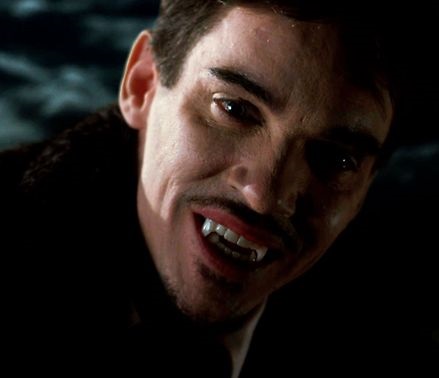 In the first of several clever twists, Dracula isn’t really the villain in this story. Perhaps it’s a sign of the times–our modern culture tends to worship the outlaw, venerate the villain, and glorify the gangster. TV has been moving this way ever since The Sopranos changed television with its shades-of-grey morality and fascinating criminal protagonists. So the trick here is to make Dracula a sympathetic lead without completely stripping him of his “monster” status and thereby turning him into a “sparkly vampire” a la Twilight. Fortunately, the producers of Dracula manage to pull off this feat in a skillful manner. This Dracula is hungry for some bloody justice.
Dracula (posing as an American industrialist in London) is out to annihilate the Order of the Dragon, a secret society of elitist conquerors who have always hidden behind the Cross (i.e. Christianity). He assembles a “list” of modern-day members, accusing them of murder, rape, torture, and the wholesale slaughter of innocents. Ironic that a man remembered by history as “Vlad the Impaler” would be so against these savage practices.
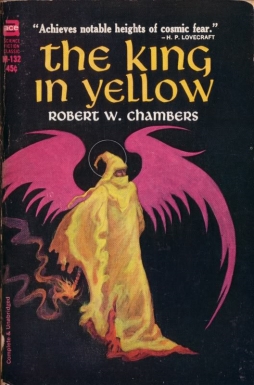 October draws to a close and so it’s time to turn to horror and the supernatural, to the weird tale and the things that cannot be known. Today, I want to look at one of the founding classics of the weird, Robert W. Chambers’s collection of linked short stories, The King in Yellow. Published in 1895, it was celebrated by H.P. Lovecraft, who used some of the book’s ideas in his Cthulhu mythos; in fact, the book’s inspired a mythos of its own, complete with