The Eucatastrophic Gesta Romanorum
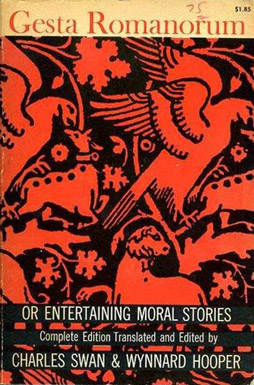 Somewhere in Europe, probably around the end of the 13th or the beginning of the 14th century, someone put together a book of tales. Likely this someone was a cleric who wanted to compile a manual to use in sermons and preaching. The texts were written in Latin and featured stories of all sorts: romances, travellers’ tales, fragments of Pliny and Herodotus and Aesop. A number were brief and didactic, if not prosaic, describing some uninteresting event or propounding a riddle a nearby wise man quickly answered with too pat an explanation — but others of the tales were filled with miracles and adventure and magic, with angels and saints and knights and dragons. Each was given a detailed moral, with every incident and character shown to have allegorical significance. Whether because it boasted wonder-stories, because it made those wonder-stories Christian parables, or both, the book quickly became immensely popular. This being well before the age of print, manuscripts proliferated, gaining and losing stories along the way.
Most of the tales claimed to take place in “Rome,” which superficially meant little: there was no attempt to create any sense of place or setting. A story might be said to take place in the reign of a given Emperor, but even if said Emperor happened to share a name with a recorded ruler of Rome, the Emperor of the tale typically had nothing to do with the Emperor of history. At any rate, this conceit gave the collection of stories a name: Gesta Romanorum, The Deeds of the Romans.
The book was first put in print in the late fifteenth century and an English translation appeared in the first decade of the sixteenth, by which time the book had already had tremendous influence on European literature. It had presented writers like Chaucer and Boccaccio and John Gower with narratives and narrative seeds that they’d develop in their own writings. It continued to be popular through the sixteenth and seventeenth centuries: the longest single story in the book is a version of the romance of Apollonius, Prince of Tyre, one of the most popular tales of the Middle Ages, and it seems that the Gesta’s version directly or indirectly inspired Shakespeare’s take on the story, Pericles.