 British science fiction author Edwin Charles (“E.C.”) Tubb died on September 10, 2010, at his home in London, England. He was 90 years old.
Tubb published his first novel, Saturn Patrol, in 1951. Thus began an extraordinary career spanning nearly half a century, and including over 130 novels and more than 230 short stories in magazines such as Astounding/Analog, Galaxy, Nebula, Science Fantasy, and many others. His short story “Little Girl Lost” (1955) was adapted for Rod Serling’s Night Gallery TV series in 1972.
While Tubb received acclaim for much of his early work, including his novel of Martian colonization Alien Dust (1955), and his generation-Starship novel The Space-Born (1956), he is remembered today chiefly for his Dumarest of Terra saga, which began with The Winds of Gath in 1967 .
DAW publisher Don Wollheim commissioned the series, featuring star-hopping adventurer Earl Dumarest and his relentless search for the legendary lost planet of his birth: Earth. The worldwide success of Dumarest of Terra led Tubb to switch almost exclusively to novel writing. Following Wollheim’s death in 1990, Dumarest came to a premature end after 31 novels with The Temple of Truth (1985).
The next novel, The Return, existed for years only in French translation, until it finally appeared in English in 1997 from Gryphon Books. The ending of The Return was inconclusive however, and it was not until 2009 that Tubb, at the urging of his agent (and at the age of 90!), wrote the volume that brought Dumarest of Terra to a true conclusion: Child of Earth (Homeworld Press, 2009).
Later collections of Tubb’s short fiction include The Best Science Fiction of E.C. Tubb (Wildside, 2005) and Mirror of the Night (Sarob Press, 2003). In recent years, and despite failing health, Tubb continued to write and publish, including the first two novels in his sword & sorcery Chronicle of Malkar series, Death God’s Doom (1999) and The Sleeping City (1999), both from Prime; the Space:1999 novel Earthbound (2003), and three novels in the Linford Mystery Library. His dystopian novel To Dream Again was accepted on the day he died, and is scheduled for publication by Ulverscroft in 2011. At least one other new novel, Fires of Satan, is rumored to be under consideration
I admit I’ve never read any E.C. Tubb — his heyday, the early 1970s, was a bit before my time. But he was a fixture on science fiction bookshelves in virtually every bookstore I walked into for over twenty years, as ubiquitous as Asimov, Heinlein, and Frank Herbert. His passing feels like the end of an era.
 Strange Horizons not only pioneered the notion of an on-line “magazine” devoted to speculative fiction, but is still around today to talk about it. In fact, Strange Horizons is celebrating its tenth anniversary, which also happens to coincide to its annual fund drive. The magazine is somewhat unique in that it operates on a “PBS-like” donation model (without the nature and cooking shows coupled with pop concerts from performers whose better days date back to the 1970s that your financial support of somehow makes you a last bastion of “high culture”). It seems to have worked. Take a look at its very first issue.
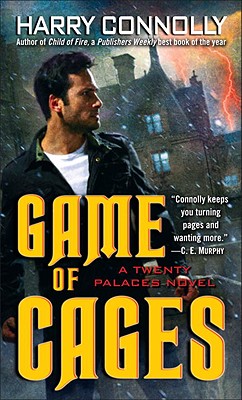 The most interesting title waiting for me when I returned from our adventures at
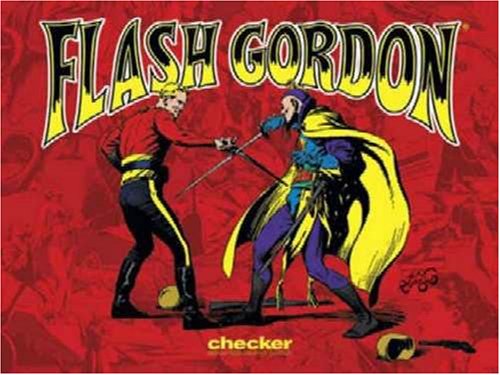

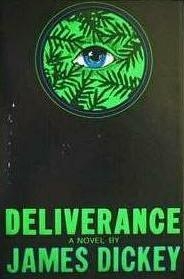 I lay with the flashlight still in one hand, and tried to shape the day. The river ran through it, but before we got back into the current other things were possible. What I thought about mainly was that I was in a place where none—or almost none—of my daily ways of living my life would work; there was not habit I could call on. Is this freedom? I wondered.
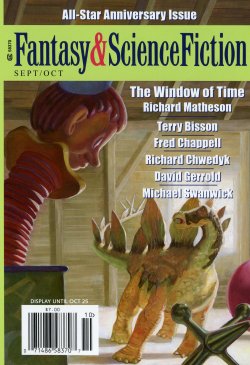 I love these big double issues of Fantasy & Science Fiction (and when did it drop “The Magazine of…” from its name on the cover? A quick look through the back issues I have handy shows it was at least a decade ago, maybe longer. Wow. Thank God my job does not rely on razor-honed powers of observation.)
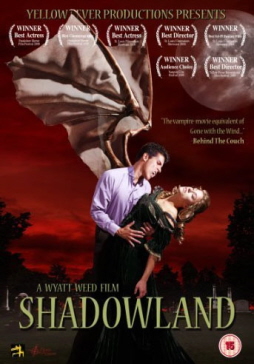 A few weeks back at the
 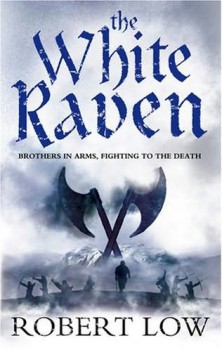 The White Raven
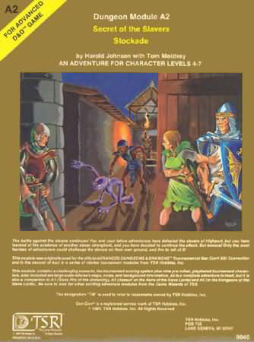 I’m a gamer, a lifer, someone who at the age of thirty-nine doesn’t get to roll dice like it did at nineteen, but I still take a week’s vacation every year to hang out with High School friends and revisit campaigns where characters have been on paper long enough to legally drink in the U.S.