Steampunk Thoughts: The Novels of Felix Gilman
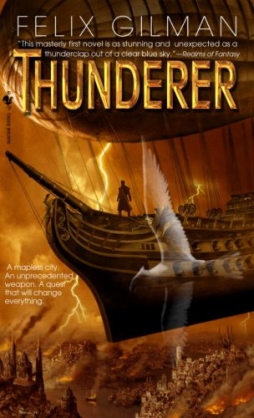 I want to write about the novels of Felix Gilman, who I believe is one of the strongest new novelists in fantasy fiction today. He’s written three books, Thunderer, Gears of the City, and The Half-Made World, all of them accomplished and powerful, fusing imaginative range with a compelling style and real insight into character and voice. I’ve written about Thunderer on my own blog, and was able to interview Gilman at the 2009 Worldcon. I’d like consider now all three of his novels, and what makes them work. Before trying to describe the virtues of these books in detail, though, I think I first need to write a bit about steampunk.
I need to write about the genre because it’s a form that seems to me to be intrinsic to Gilman’s work; or, put another way, I think Gilman’s work illustrates something of what’s remarkable about steampunk. To explain that, I need to explain steampunk, and what it means to me. As it happens, I’ve seen a couple of essays lately which criticise steampunk on various grounds, so I want to consider these objections as a way of defining exactly what steampunk means, and where I think Gilman’s work fits in with it.

 A Magic of Nightfall
 Selling novel-length fiction is tough. Really tough. Anyone who’s been in it for any length of time can tell you how competitive it is, how quickly the rejections can stack up, how frustrating it can be to get someone to even look at your manuscript. If you’re like me, you’ve tried submitting dozens of query letters in hopes that someone will at least ask for a few pages of the work itself. I mean, that’s fair, right — to at least look at the stuff before you reject it?


 The holidays are over and according to AccuWeather, approximately 70% of the United States has snow on the ground and for a whole lot of you, this may be just a rare enough occurrence that for the moment, you’re mildly amused. But trust me when I tell you the novelty of throwing it at each other, sliding down it, or for a select group of you, writing your name in it, is going to wear off. And that’s when the cabin fever sets in.
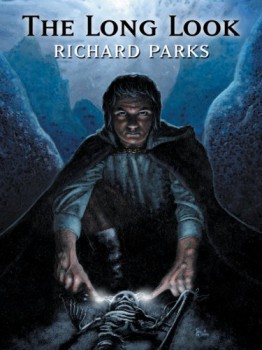 The Long Look