Realms of Fantasy Celebrates 100 Issues
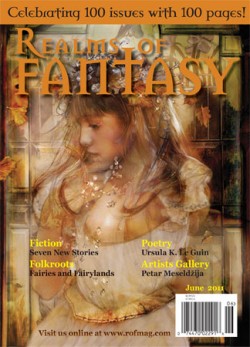 Congratulations to Realms of Fantasy on its 100th issue (which actually has 101 pages, but I guess the extra page is for good luck, and doesn’t make for quite the same alliterative headline), a notable accomplishment for a publication that has been brought back from the dead on several occasions. In fact, the magazine has had five publishers, with founding editor Shawna McCarthy the only person who has been there for the duration, according to the issue’s “Little Known Facts.” Fiction contributors include Leah Bobet, Josh Rountree and Samantha Henderson, Sharon Mock, Thea Hutchinson, Patrick Samphire, Euan Harvey and David D. Levine, as well as poetry by Ursula Le Guin and various art, book, gaming and movie reviews along with the regular Folkroots column by Theodora Gass. Here’s the complete Table of Contents.
I’m guessing that Realms of Fantasy has never before been mentioned in the same breath as The Paris Review, so we here at Black Gate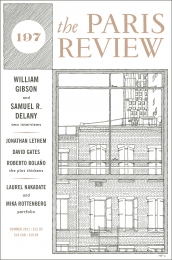 Tastemaker Central take particular pleasure in noting that the latter literary bastion has much of interest to the same people who read the bastion of fantasy genre tales (and perhaps vice versa?). The Summer 2011 features “Art of Fiction” interviews with Samuel R. Delany and William Gibson, as well as a story by Jonathan Lethem, “The Empty Room,” that’s available online.
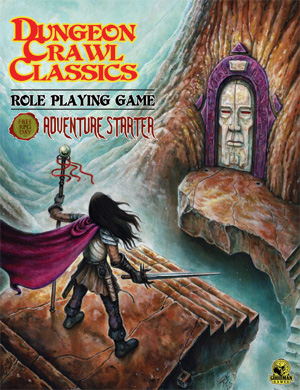 This Saturday is Free RPG Day, and as a lifelong gamer I wanted to encourage all of you current, former, and interested potential gamers to drop by your local gaming store to see what free role-playing game products are being offered for your enjoyment.

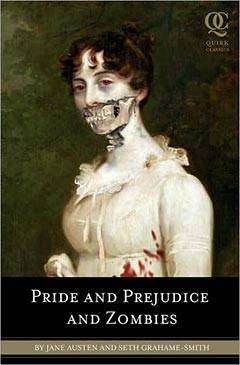

 Deader Still