Conan Soundtrack: I Got a Fever, and the Prescription is MORE ANVIL!
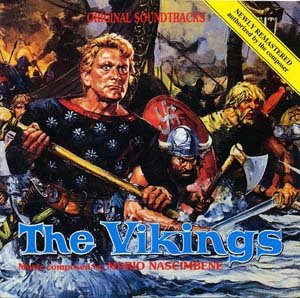 Back in the dim mists of 1997, the City of Prague Philharmonic Orchestra and Chorus recorded a music festival devoted to Warriors of the Silver Screen. All sword and sandal-type movie music. I was thrilled with it, mostly because the conductor clearly appreciated Nascimbene’s score for 1958’s The Vikings. He liked it so much, he ended the album with a suite from the score, featuring full orchestra and chorus. Who can forget those hearty longship voices singing, during the Viking funeral at the end:
Kirk Douglas! Kirk Douglas!
You should have worn your eyegear while training falcons!
I think. Wow, Taras Bulba too! Talk about a blast from the swashbuckler past. That one’s so old, Yul Brynner had hair. Great album, and well worth hunting up.
One of the most tantalizing pieces in the set was taken from Poledouris’s Conan The Barbarian (the “Conan Theme,” to be precise). It featured every metal percussion instrument you could think of, including a hammer and anvil, pounding in time to the Conan music. If a swordfight could be rendered on sheet music, Paul Bateman scored it. After that, I always wished I could get the whole soundtrack done with such innovative orchestration.
In 2010, my musical wet dream finally showed up. Topless. On a rocket sled.
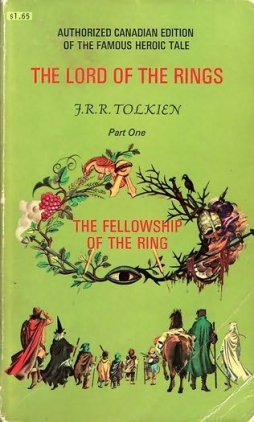 When I first read The Lord of the Rings I was young enough that I no longer remember how old I actually was. It’s a story that seems to me to have been around forever, a part of the background from which the world was made. I reread it often, though not as often as I’d like; and I’m not sure that ‘reread’ is even the right word here, because every time I go back to it, it’s a new tale.


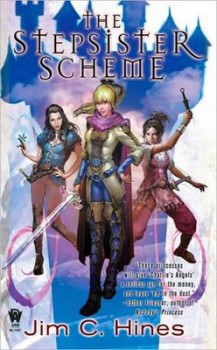 The Stepsister Scheme
 I first read Joanna Russ as an assignment for a graduate seminar in science fiction. The story was “