New Treasures: The Lives of Tao by Wesley Chu
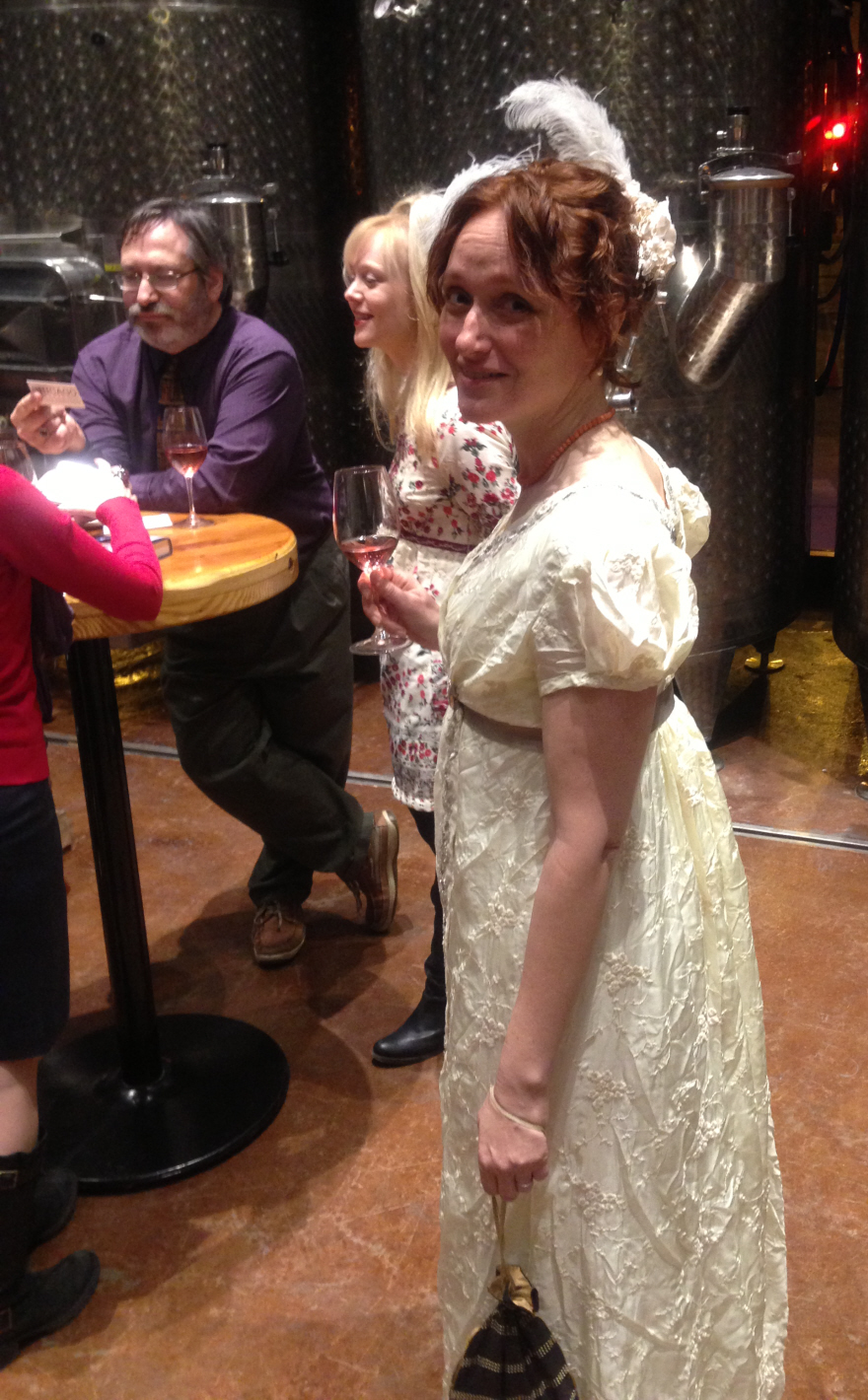
Back in April, I was invited to Mary Robinette Kowal’s Without a Summer launch party here in Chicago, to celebrate the publication of the third volume of her Glamourist Histories fantasy series (which we covered right here at Black Gate on April 6).
It was a great chance to catch up with a lot of local writers, including Steven Silver, Holly McDowell, and Kelly Swails — and to meet Mary’s husband Rob, who is a winemaker (seriously!) at City Winery Chicago.
I’d like to pause here to note that I don’t get to write a sentence like that every day.
And, of course, it was a chance to see Mary, who was modeling one of her trademark empire style dresses. Brilliant writer, killer fashion sense, married to a winemaker… you can see why one just doesn’t turn down an invitation from this woman.
About an hour after I arrived, Mary introduced me to Wesley Chu, another local Chicagoan and recently published author.
Now, this never gets old. I’ve been in publishing a long time now, and I meet aspiring writers, wannabee writers, and Gee-I’ve-got-a-great-idea-for-a-novel writers all the time. But introduce me to someone who’s published an honest-to-God novel, and I turn into an instant fanboy.
I can’t help it. At heart I’m still a reader, and I’m not so jaded by this industry that I can’t appreciate that behind all the marketing spin, crushing deadlines, commercial pressures and compromises, is true magic — the fragile creative spark nurtured and nudged onto the stage by the diligent and the brave. I’m in awe of these people, and when I meet a new author I want to hear all about their creations.
I had a great talk with Wesley, and he was gracious enough to indulge me a little and tell me about his book. And the more I heard, the more fascinated I became.
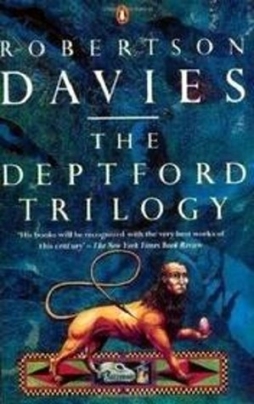 Normally, I write here about fantasy (which to me includes science fiction and horror). But some mimetic novels have a lot to say about the fantastic. Or a lot to say about related themes; wonder, for example, or the numinous. Those books are sometimes worth discussing at Black Gate, I think. Which is why I want to write now about Robertson Davies’s Deptford Trilogy — classics of Canadian literature, novels deeply concerned with wonder — and consider whether they should have been even more open to the fantastic than they in fact are.