Ancient Worlds: The World on the Other Side of This One
Storytelling, great storytelling, exists on two levels. It tells us the particular story, of course, but it also tells us the Big Ones. It asks the great questions: about ourselves, our relationships to each other and the universe, about life and death and love and fate. The Odyssey, being great storytelling in addition to beautiful poetry, grapples with the biggest of these: what is this humanity of ours? What does it mean? Odysseus wanders, definitely lost, and in the course of finding home also stumbles through illustrations of what a man is.
His adventures with the Cyclops looks at the difference between a ‘civilized’ man and a monster. His encounter with the Lotus-eaters teaches that memory is essential to identity. And of course, no journey is properly heroic without a road trip to the land of the dead.
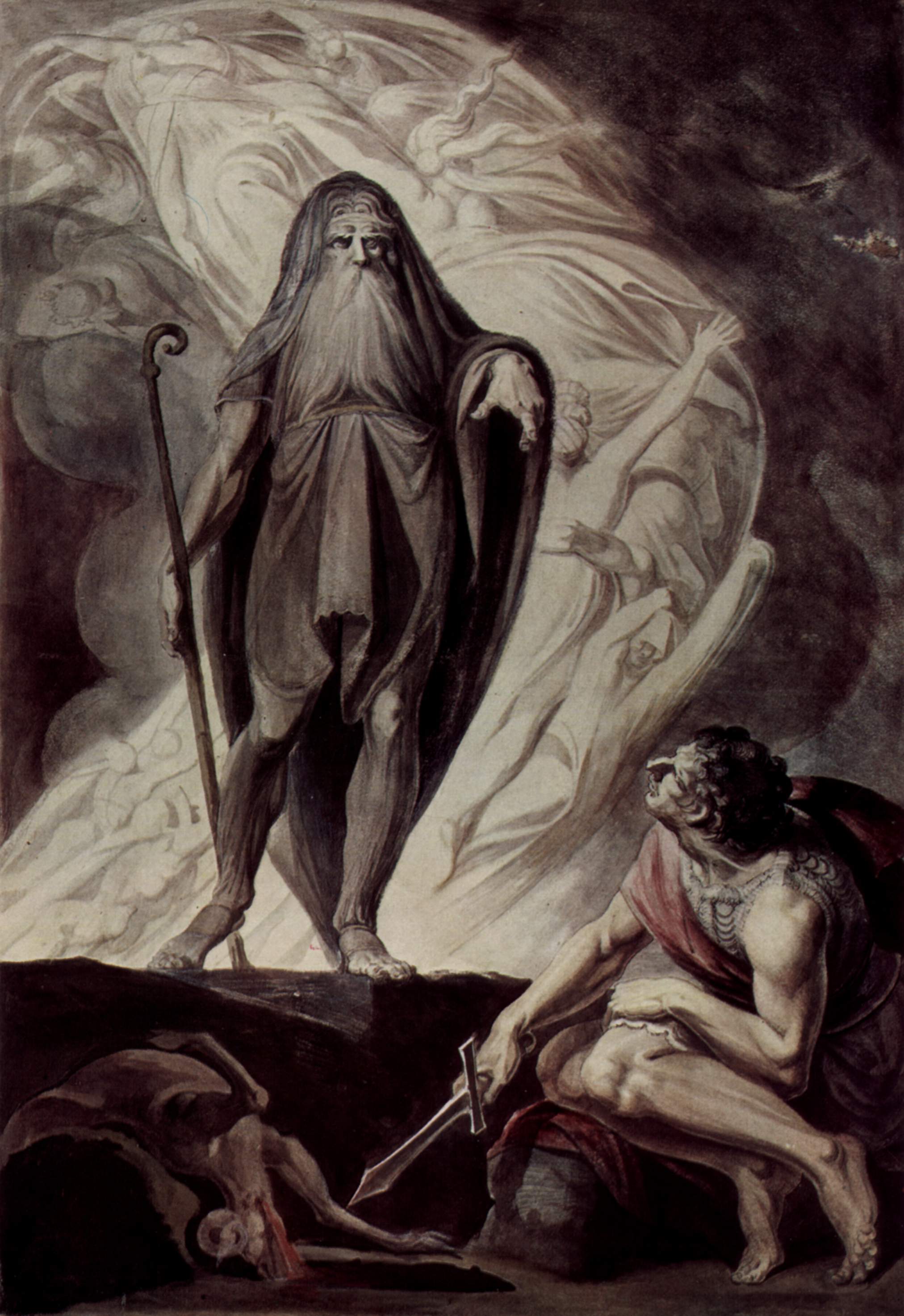
Back at Circe’s place, she had told our hero that he had to get directions home from Tiresias.
Which raises the question: why? She’s a goddess who can turn men into animals and, in fact, give him directions to the land of the bleedin’ dead, so why can’t she tell him herself?
Maybe he wouldn’t take directions from a woman.
Maybe she didn’t know the way to Ithaca. Humbling for the island’s king: where ya from? Ithaca? Never heard of it…
Or maybe Odysseus’s problem was less a lack of GPS than the fact that he had royally pissed off the god of the seas. As a man with a fascinating relationship with the gods (more on that another time…), Tiresias was particularly qualified to give the king advice on how to placate Poseidon.
Since Tiresias was dead, this poses quite the trick. But Odysseus wants to get home so badly that he will run the risk.