“Blah Blah Blah” by Thingy Whatsisname: A Review of a Pre-YA SciFi Adventure Novel
I don’t tend to post negative reviews because, mostly, I can’t be bothered.
You can’t learn much about how to survive the melee from inspecting a corpse.
I’m also aware that my tastes may be special to me. For example, the entire world loved the wonderful Elizabeth Moon’s Paksenarrion series, except for me. I simply don’t like the spiraling-disaster-with-redemption-at-the end sub genre. Finally, I’ll also admit I don’t want to roast anybody I may subsequently meet in a professional capacity (who may then take a swing at me, metaphorical or otherwise).
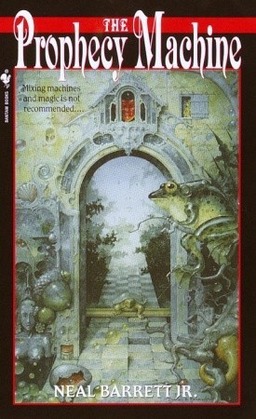
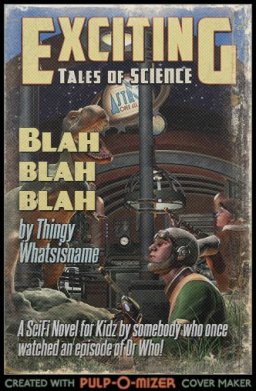
So, let me tell you about, um, Blah Blah Blah by, call him/her, Thingy Whatsisname. (Cover by Pulp-O-Mizer.)
It’s in that not-quite-YA category of 9-14, so I read it to my son “Kurtzhau” a couple of years back when he was 8.
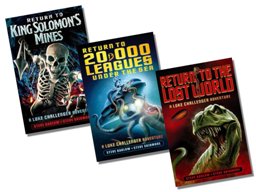
It came complete with a cover quote by Philip “My God, that City is on Caterpillar tracks” Reeve and promised Pulp Tropes and good rip-roaring adventure along the lines of the truly excellent Luke Challenger Adventures.
What it delivered… well it did deliver the Pulp Tropes, but only grudgingly.
It followed the boilerplate children’s fiction structure Kurtzhau once described as “It’s all blah blah blah here’s his uncle and now we’re travelling, and FINALLY you get to the space station.”