Merry Christmas from Black Gate
 It always gets quiet around the Black Gate offices at Christmas time. It’s a good time to let go of the daily hustle and bustle of running an online magazine, and reflect on the really important things.
People frequently ask me what Black Gate is all about. There’s so much to the story — fifteen issues of a terrific print magazine, hundreds of original stories, the new writers we’ve discovered, nearly 4,000 blog-posts since 2007 — but none of that really tells the story. No, I always say the same thing when people ask.
Black Gate? We’re a loose collective of writers and artists who care about fantasy. We work together to promote forgotten classics, and celebrate overlooked modern writers. And especially, to promote each other. Black Gate has helped launch the careers of some very talented writers, and that hasn’t changed since we switched to an online venue. Drop by if you’re interested in discovering some of the very best new and classic fantasy. I guarantee you, we’ll point you towards something that will delight you.
I’ve been running Black Gate since 2000, and I’ve never been prouder of the team who write, edit, and produce the magazine. We have some of the finest writers in the industry, and they work tirelessly week after week to keep you informed on a genre with hidden depths and constant surprises.
It’s been an incredible year for us. For a second year in a row, traffic has very nearly doubled. While we’re very proud of what we’ve accomplished, we know that the real engine of our growth has been you. You’ve been enormously supportive — with your comments, letters, and especially by spreading the word, and telling others about us.
So thank you once again, from the bottom of our hearts. On behalf of the vast and unruly collective that is Black Gate, I would like to wish you all Merry Christmas and Happy Holidays. Continue being excellent — it’s what you’re good at.

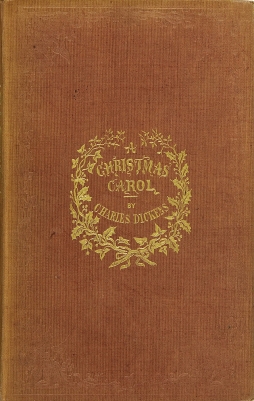 It’s one of the most famous stories in the English-speaking world, and it is a fantasy. A Gothic fantasy of Christmas, and the meaning thereof: the story of the miser and the three spirits. It’s been retold any number of times, parodied, set in America, updated to the modern day, acted out with mice and ducks, with frogs and pigs. It’s easy to overlook how powerful the original work really is.

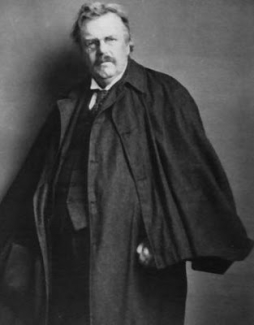 Last week, in a post about Neil Gaiman’s Sandman, I said that certain habits of Gaiman’s plotting reminded me of G.K. Chesterton. It seemed to me that I’d referred to Chesterton fairly often in my posts here, so I did a search of the Black Gate archive. I found that I had in fact mentioned Chesterton a number of times, but that neither I nor anyone else had yet written a post for Black Gate specifically about him or any of his works. I’ve therefore put together this piece to give an overview of the man and his writing. It’s insufficient; Chesterton’s difficult to describe, more so than most writers. But one has to begin somewhere. He’s an important early fantasist, admired by figures as diverse as Gaiman, Borges,