Browsed by
Category: Editor’s Blog

The blog posts of Black Gate Managing Editor Howard Andrew Jones and Editor John O’Neill

The Art of Author Branding: The Ace Robert Silverberg

The Art of Author Branding: The Ace Robert Silverberg

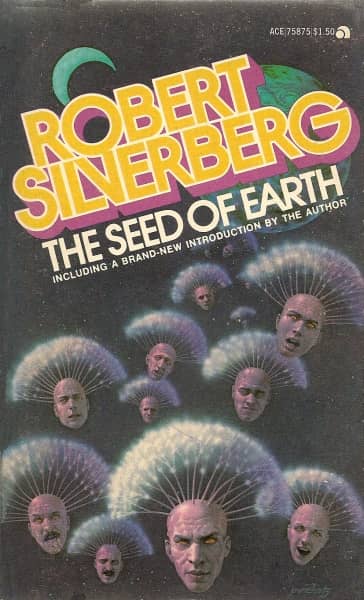
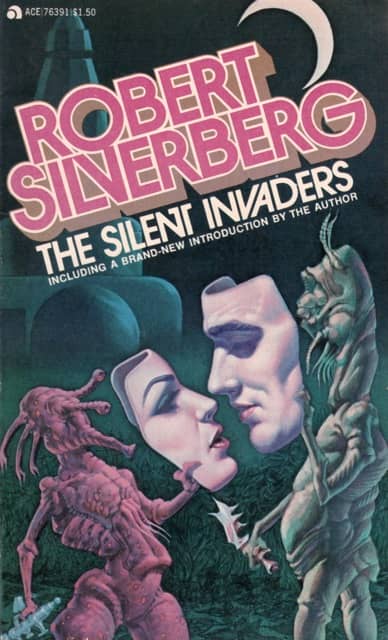
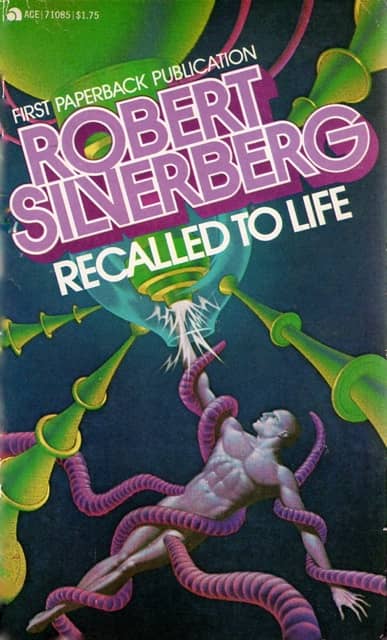
The Seed of Earth Silverberg-small The Silent Invaders Silverberg-small Recalled to Life Silverberg-small
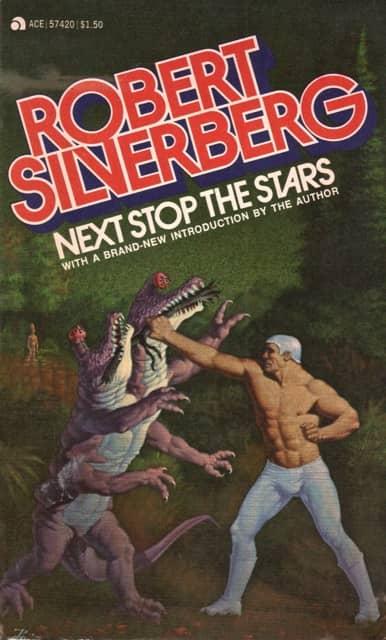
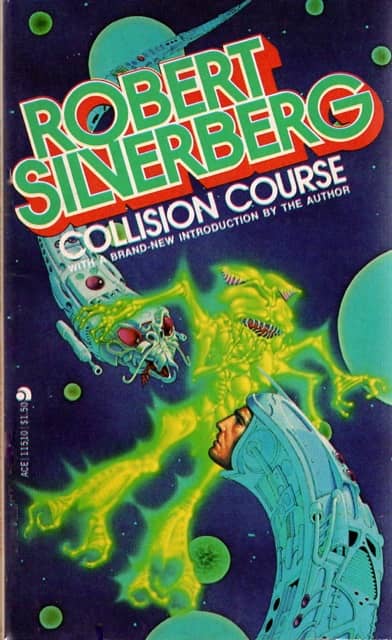
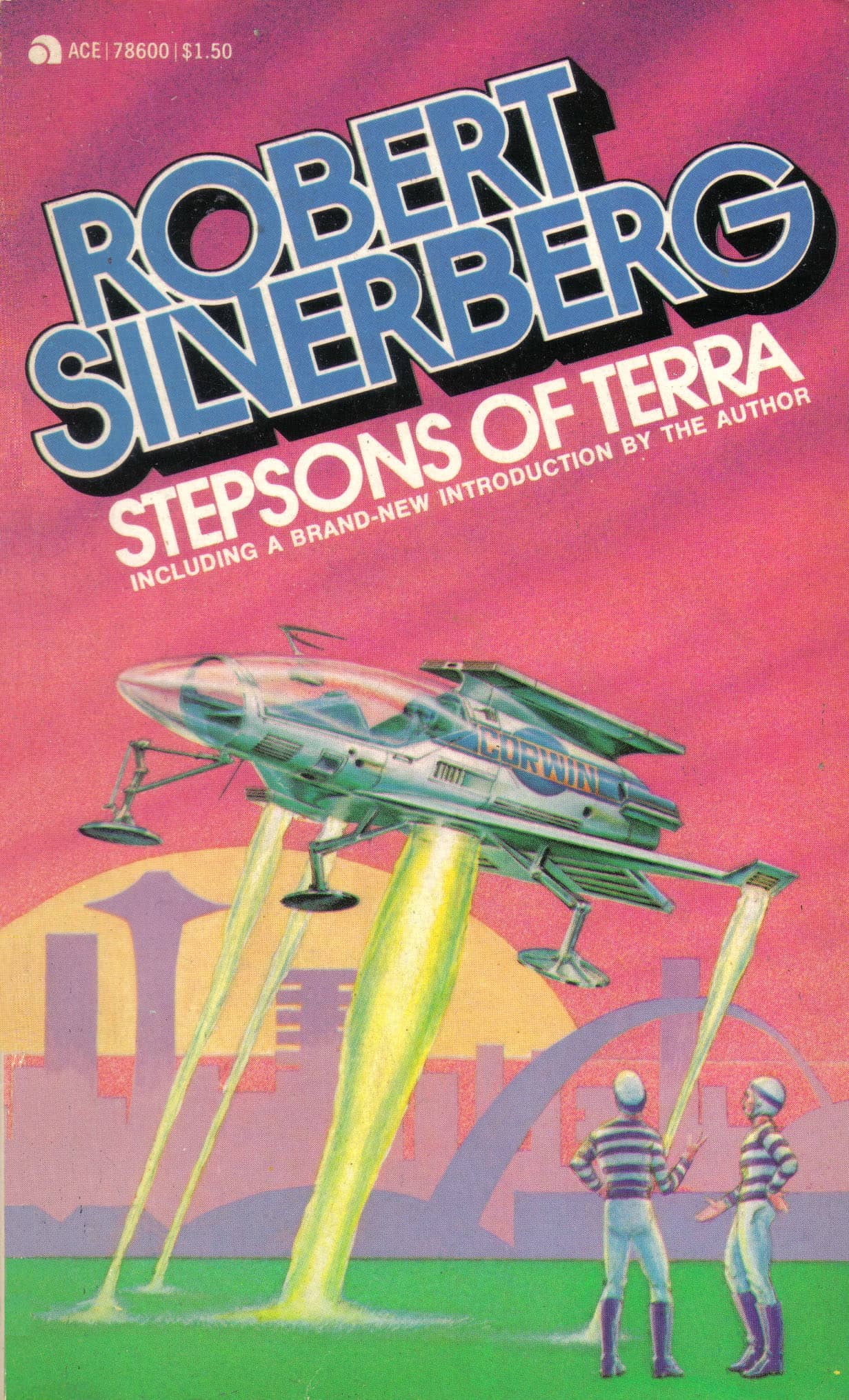
Next Stop the Stars Silverberg-small Collision Course Silverberg-small Stepsons of Terra-small

The Ace Robert Silverberg: skewed titles and unclutterd art. The Seed of Earth, The Silent Invaders, Recalled to Life,
Next Stop the Stars, Collision Course and Stepsons of Terra. All from 1977. Covers by Don Punchatz

If you cruised the bookstore and supermarket racks in the 70s and 80s for science fiction paperbacks, Robert Silverberg was everywhere. I mean, everywhere. It wasn’t just that he was enormously productive — that was certainly true. But his books remained in print, or were returned to print, countless times by different publishers.

This was the era when agents would package up backlists by top writers en masse, selling the rights to multiple novels, and publishers would release them virtually simultaneously, usually with the same cover artist. If you had a popular novel — and Silverberg had many — a diligent agent could package and re-package it many times. That’s how Silverberg’s Hawksbill Station was released by Doubleday, The Science Fiction Book Club, Avon, Tandem, Berkley, Star, Warner Books, Tor, and many others between 1968 and 1990, just to pick one example.

The 1977 paperback edition of Robert Silverberg’s Collision Course was one of the first science fiction books I bought (the other was Star Trek 2, by James Blish). Mark Kelly reviewed it for us here last month, calling it “a fascinating, ordinary 1950s science fiction novel.” The mix of far-flung space adventure and galactic intrigue was perfectly pitched for a 13-year old however, and I loved it. Naturally I returned to the bookstore to find more in the same vein, and lo and behold, I did: five more Robert Silverberg novels, cleverly packaged by Ace Books to capitalize on the natural brand loyalty of young SF fans (see above).

This practice of bundling authors, and creating custom cover designs for each, was by no means unique to science fiction, of course. But if you’re a student of SF art there’s an enormous amount to learn by examining the visual language built up around the most popular SF authors in the 70s and 80s, and the ways editors and Art Directors at the major publishers used that language to draw in readers with familiar images and themes, and simultaneously differentiate themselves from the competition on overcrowded paperback racks.

There are countless examples, of course. But for our purposes, I’m going to single out Robert Silverberg, mostly because he’s the one I think of when I think of author branding. Well, Silverberg and Larry Niven (whom we’ll get to in a minute).

Read More Read More

The Case of the Missing Magazines

The Case of the Missing Magazines

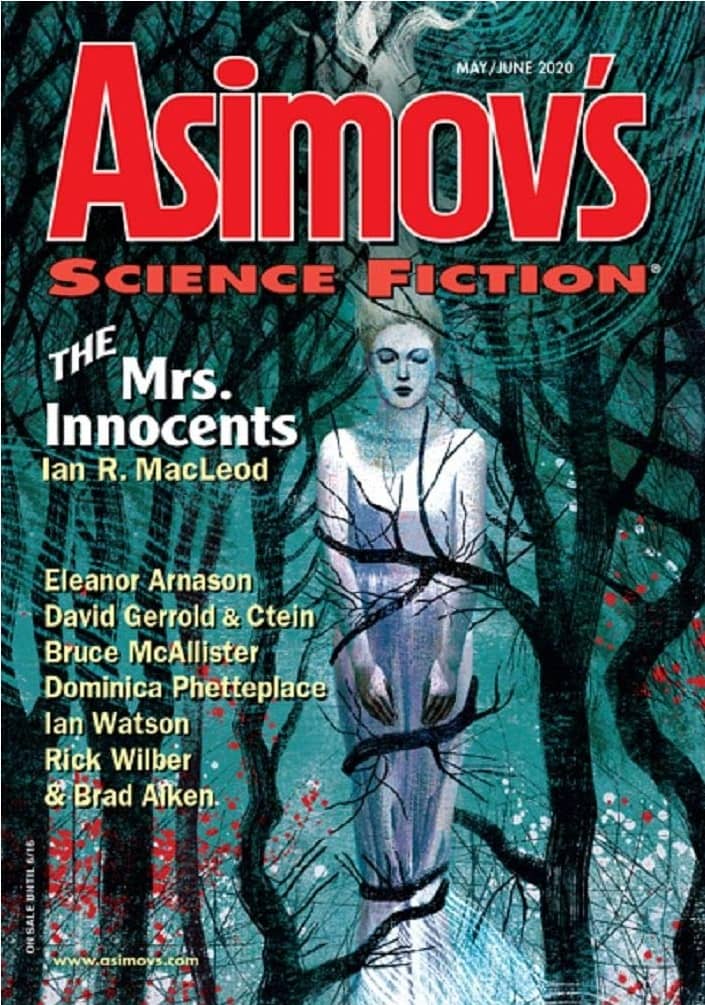
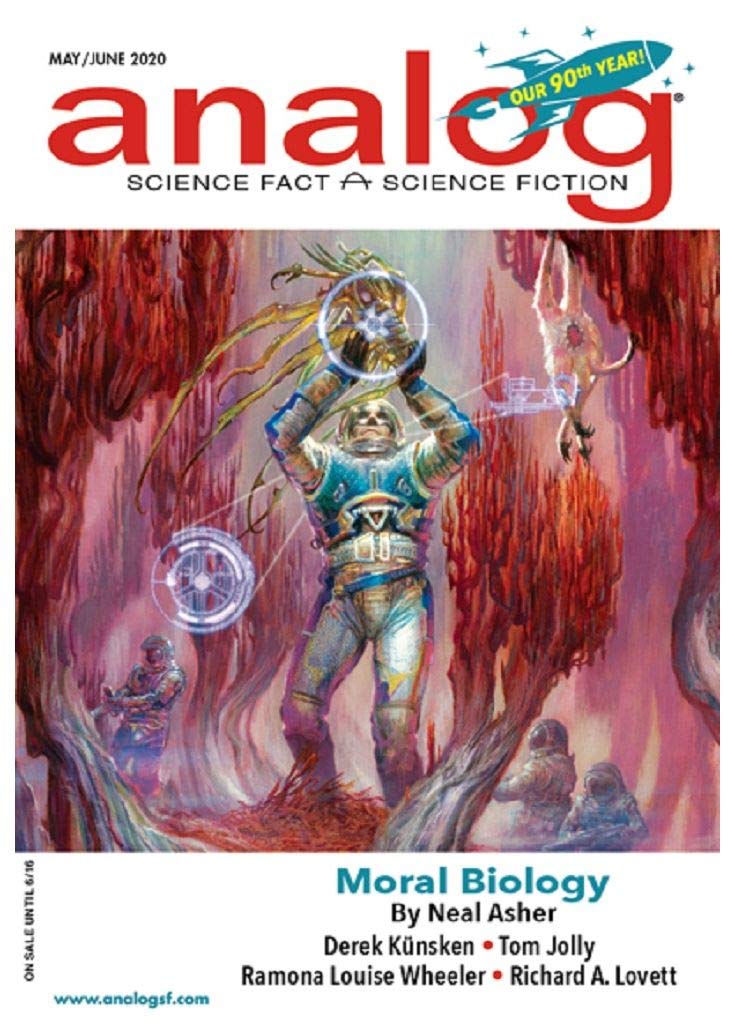
Asimov's Science Fiction May-June 2020-small Analog Science Fiction and Fact May-June 2020-small May-June 2020 F&SF-small

Every month for roughly the past 40 years I’ve made a pilgrimage to the nearest newsstand to purchase my favorite fiction magazines. The newsstands have changed over the years, and the mix of magazines has too. But it’s a tradition I’ve come to cherish.

Well, this is a time of broken traditions. All the local bookstores are closed (not that there were many to begin with), and I find myself at a loss. New issues of Asimov’s SF, Analog, and The Magazine of Fantasy and Science Fiction are now available, at least in theory. In practice, I have no way to buy them. And according to their various websites this batch is particularly enticing, packed with new stories by Ian R. MacLeod, Eleanor Arnason, Ian Watson, Bruce McAllister, R. Garcia y Robertson, Dominica Phetteplace, Neal Asher, Derek Kunsken, Richard Bowes, M. Rickert, Bruce Sterling, Robert Reed, and many others. And for the first time in decades, it looks like I’ll miss out.

When I griped about this on Facebook today, there were plenty of sympathetic suggestions. Mark Tiedemann endorsed an independent bookstore that mailed ordered single issues… but it has abruptly stopped carrying magazines. Mark Shainblum suggested digital issues… but I have nearly nine solid decades of print issues of Astounding/Analog, and it sure doesn’t feel right to give up now. Adrian Simmons shared my pain, and suggested he might subscribe, even if sub copies do come with an ugly mailing label. And Darrell Schweitzer shared the hard-won secret of removing those damn mailing labels with a damp cloth.

It was comforting to have so many folks commiserate. And I suppose, in the end, the right thing to do in these tough times is to support the magazines with a subscription. And that’s what I’ll do. If you love — or are curious about — short fiction, I hope you’ll consider doing the same. You can shop for digital and print subscriptions at the Asimov’s SF, Analog, and F&SF websites. Check out the editorial descriptions for each issue below.

Read More Read More

John DeNardo on the Best Science Fiction/Fantasy Reads for April

John DeNardo on the Best Science Fiction/Fantasy Reads for April

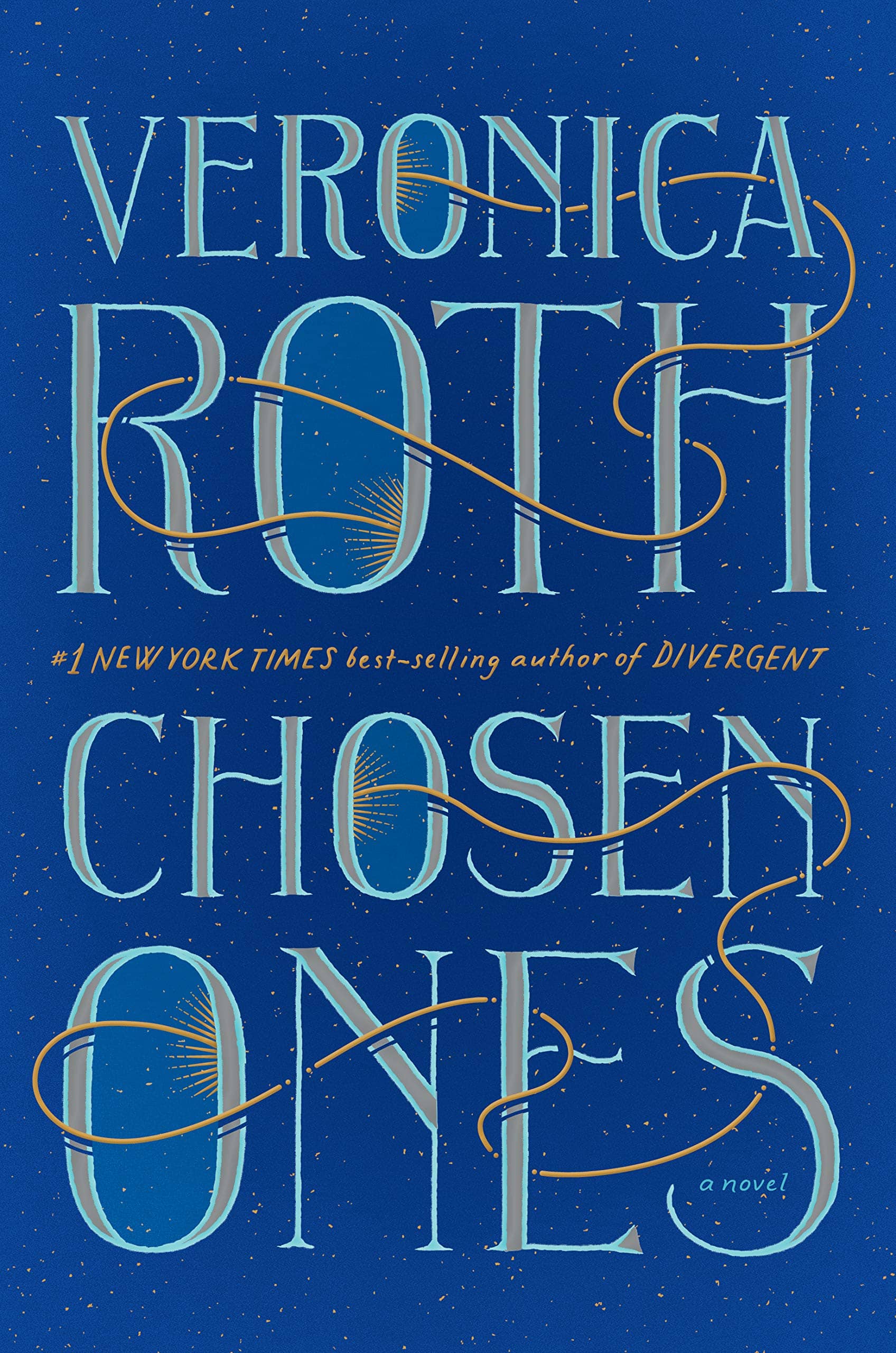
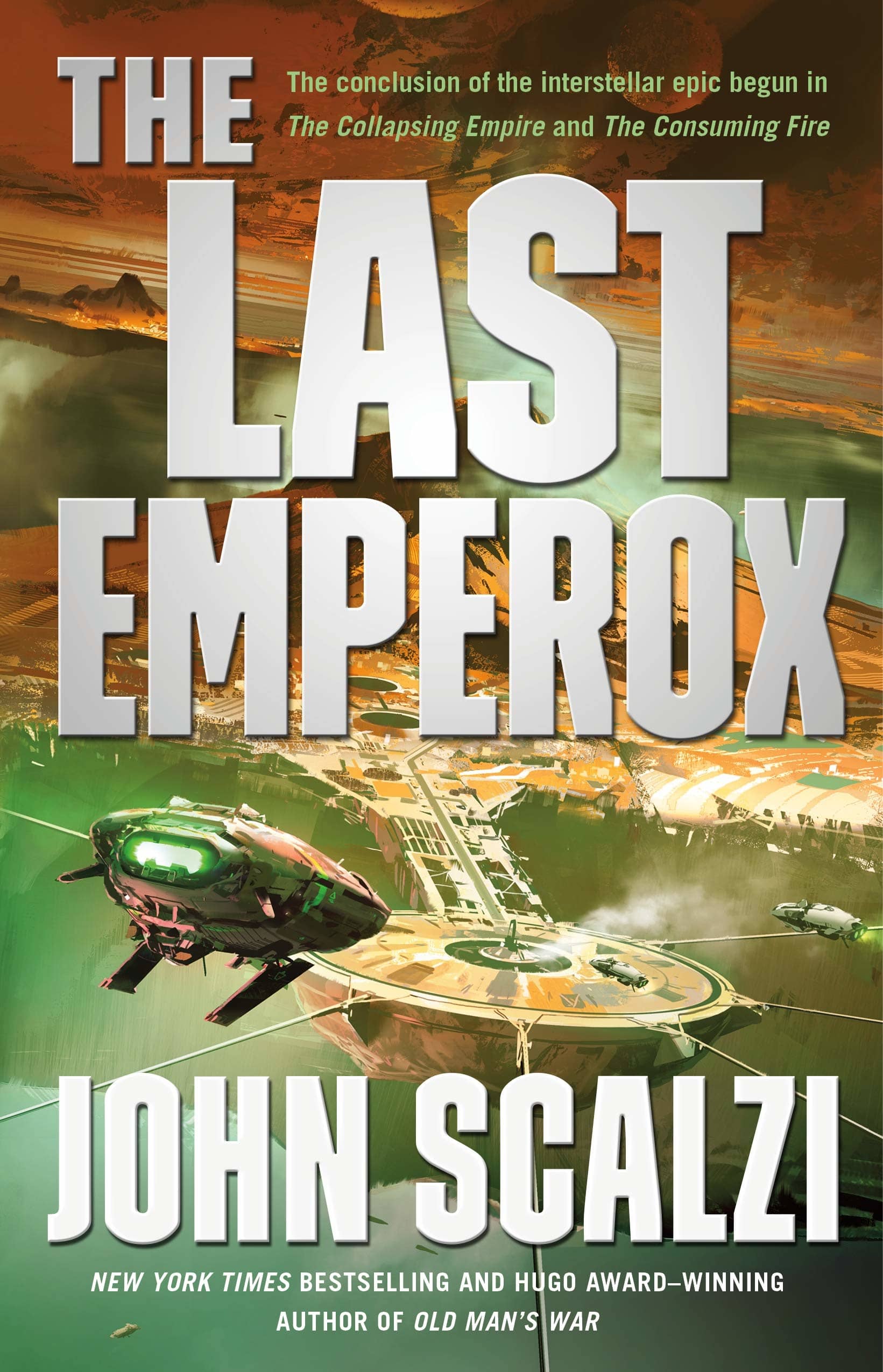
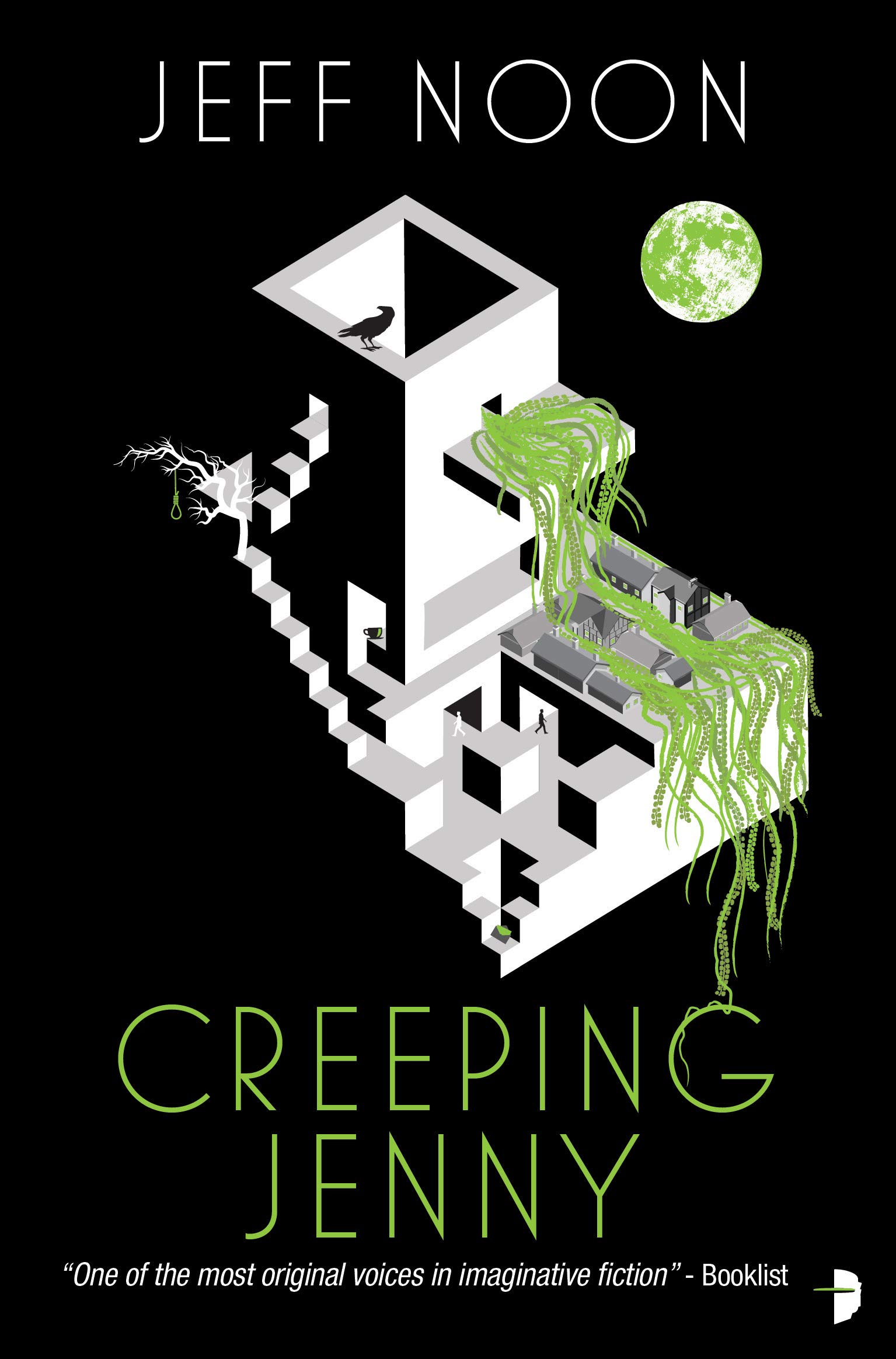
Chosen Ones by Veronica Roth-small The Last Emperox-small Creeping Jenny-small

One thing about a global pandemic… at least it doesn’t interfere with my reading time. Book stores may be closed and book sales may be down, but books continue to be published, and I continue to enjoy them. And the always dependable John DeNardo at Kirkus Reviews showed up on time (as always) to give us his read on the best SF and Fantasy for April, making sure I’m kept abreast of the month’s top releases. Here’s a few of his recommendations.

Chosen Ones by Veronica Roth (John Joseph Adams/Houghton Mifflin Harcourt, 438 pages, $26.99 hardcover/$14.99 digital, April 7)

WHAT IT’S ABOUT: Ten years after a group of ordinary teenagers, the Chosen Ones, were trained by the government to fulfill a prophecy of killing an all-powerful entity called the Dark One who was decimating entire cities, things are far from normal. While the world has largely moved on, the five heroes — still the world’s most popular celebrities — are having a rough time. One of them, Sloane, suffers from PTSD, and is harboring secrets. When one of the Chosen Ones dies and the others gather for the funeral, they discover that the Dark One’s ultimate goal was perhaps more sinister than they or the government could ever have imagined.

WHY YOU MIGHT LIKE IT: YA author Roth’s first adult novel looks behind the usual superhero tropes and examines the psychological impacts of fading fame and having served one’s purpose.

I’m a sucker for a good superhero tale. Veronica Roth is the author of the international bestselling Divergent Series and Carve the Mark.

Read More Read More

When Disney Meets Mad Max: Aftermath: an Adventure Book Game by Plaid Hat Games

When Disney Meets Mad Max: Aftermath: an Adventure Book Game by Plaid Hat Games

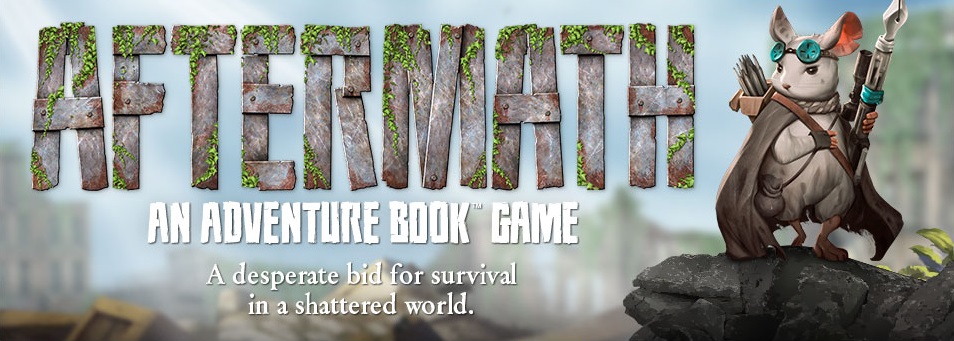
Aftermath Board Game 6-small

Gen Con 2020 is, as of this writing, still scheduled to take place July 30 – August 2, 2020. But now that other major events, such as the massive San Diego Comic Con have been canceled due to the threat of the coronavirus, I expect it won’t be long before Gen Con is canceled as well. I hope it isn’t, but frankly I think the only thing keeping it on the schedule at this point is blind optimism.

I’m enormously grateful I was able to attend Gen Con last year. It was terrific fun, for one thing, and incredibly eye-opening. I’ve been immersed in gaming culture since I started playing Avalon Hill games in high school, and I spend a lot of time keeping up with new releases and hanging out at the local Games Plus auction. But I had no idea –really,  no freakin’ idea — of the true scale of this industry until I wandered the massive Exhibit Hall at Gen Con. Too large to take in in a single day, the Exhibit Hall (and all its various annexes, sub-rooms, and spillovers halls) is something that every game fan should experience once in their lives. It is jaw-dropping in both scale and diversity.

It’s easy to get overwhelmed when you’re standing in a packed stadium with tens of thousands of t-shirt-wearing gamers, and thousands of booths stretching in all directions. But once the wonder of it all starts to wear off, there are always games that stand out. One of those for me was Aftermath, by Plaid Hat Games. Copies were not available at the convention, but a quick internet search assured me it would be in production by October. I waited impatiently, and ordered one as soon as I could.

Read More Read More

Vintage Treasures: Nightfall and Other Stories by Isaac Asimov

Vintage Treasures: Nightfall and Other Stories by Isaac Asimov

NIghtfall Fawcett Asimov-small NIghtfall Fawcett Asimov-back-small

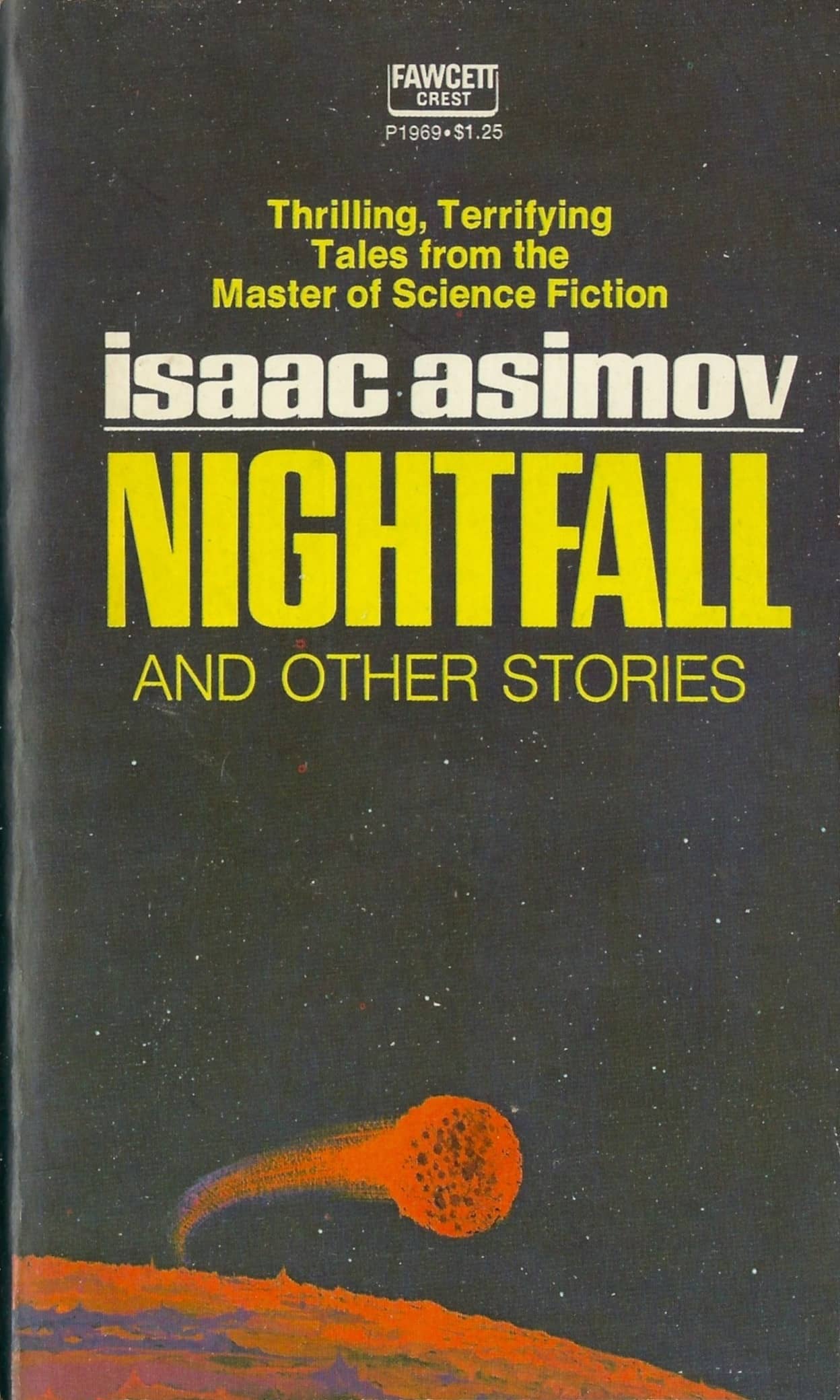
Nightfall and Other Stories (Fawcett Crest, 1970). Cover artist unknown.

I’ve been buying small collections recently, and writing about some of the more interesting items here. Two months back I was unpacking a box of 70s paperbacks, and I made a genuinely interesting find: a copy of Nightfall and Other Stories by Isaac Asimov.

Asimov was one of my heroes. There was a time in the 70s and 80s when he was science fiction, the embodiment not just of what was best in modern SF, but its living history. Asimov was one of John W. Campbell’s early discoveries in Astounding, part of that famous group of brilliant writers that shook up the genre and remade it from the ground up. He began his career as a teenage writer for the pulps in the late 30s, and produced some of the most important SF of the 20th Century in his early years, including the cycle of futuristic mysteries starring Susan Calvin that became I, Robot, the decades-long bestseller Foundation and its sequels, and many, many others.

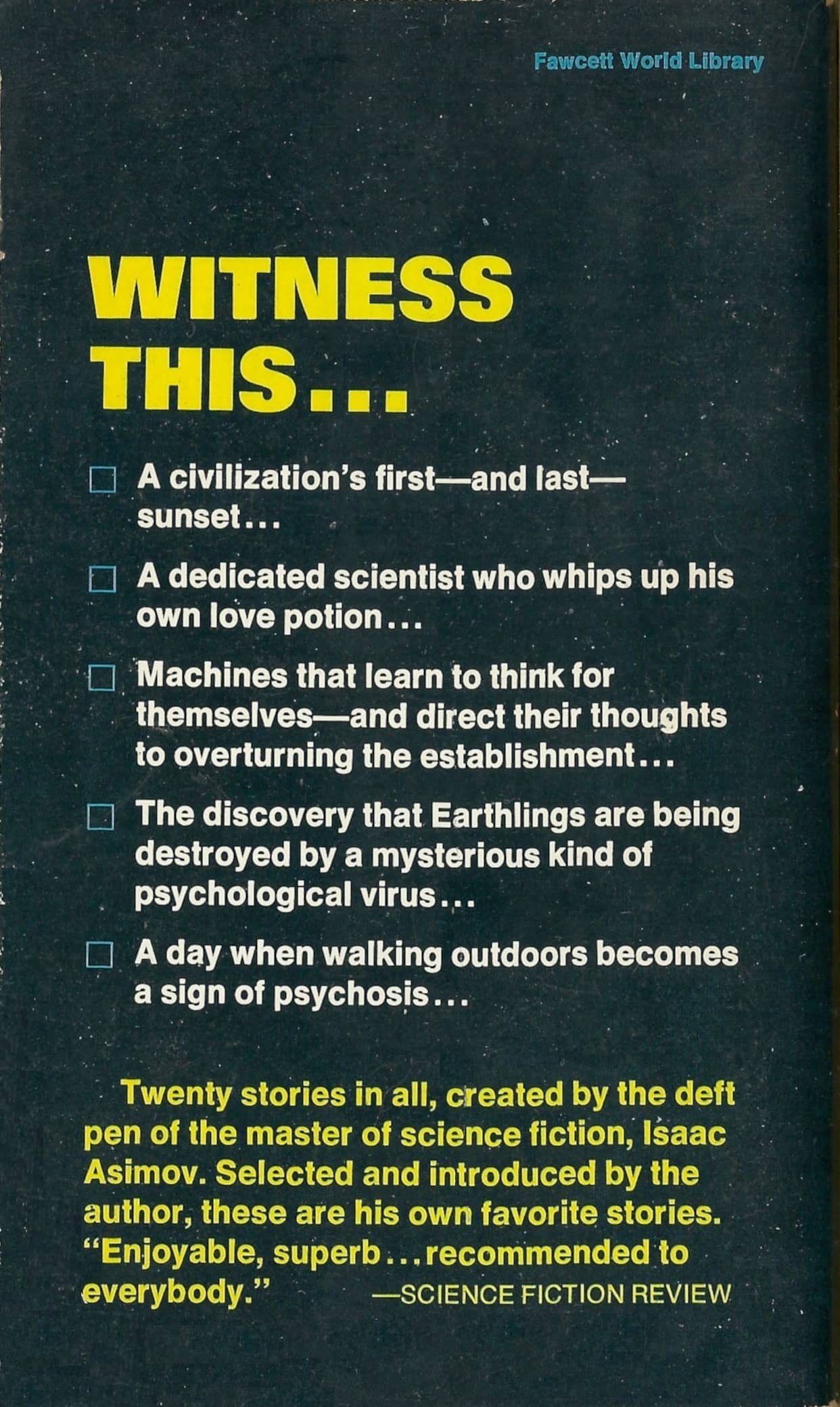
A generous selection of those tales are collected in Nightfall and Other Stories, including the title story “Nightfall,” selected by the Science Fiction Writers of America as the best science fiction story of all time in 1968, when it was included in The Science Fiction Hall of Fame Volume One, 1929-1964. “Nightfall” is the oldest story in the collection, but there are plenty more from Asimov’s most productive period in the magazines, including “Breeds There a Man…?”, the Multivac tale “The Machine That Won the War,” and “Eyes Do More Than See.”

It’s an understatement to say that Nightfall and Other Stories was popular. It was required reading among SF fans, back in the days when kids hung out in cafeterias at lunch and talked about books. Like Dune, Starship Troopers, and The Lord of the Rings, it was simply expected that you were conversant with it, and could keep up with a conversation that referred obliquely to the stories. I’m sure there were a handful of other collections that were accorded similar respect… but I can’t think of any at the moment.

Read More Read More

Future Treasures: Eden by Tim Lebbon

Future Treasures: Eden by Tim Lebbon

Tim Lebbon Eden-small

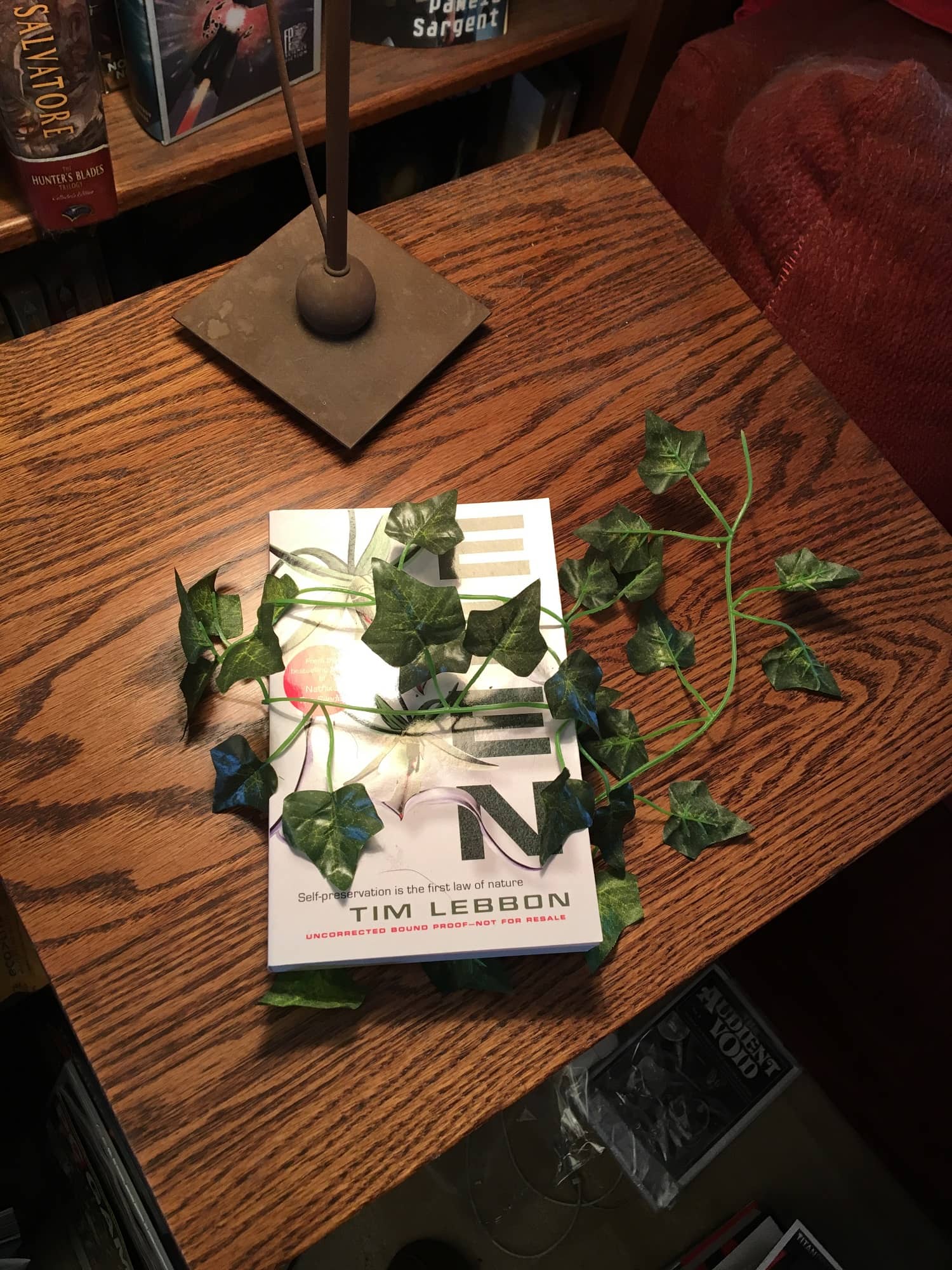
The ivy-cover copy of Tim Lebbon’s Eden,
mailed to me by a creative publicist at Titan Books

Getting review copies never gets old. I get far too many to write about these days, and they pile up on my library floor. When it comes time to crank out a Future Treasures post about an upcoming title, I take the time to select what looks most interesting, or the one I think you lot would most like to hear about.

Unless I’m in a hurry, in which case I grab whatever catches my eye. Then you’re at the mercy of whatever publicist or cover designer is most clever this week, and able to cut through all the clutter and grab my attention.

Today there are more than three dozen review copies and advance proofs piled up in front of my big green chair, but I’m not writing about any of them. Today you’re hearing about Tim Lebbon’s new eco-thriller Eden. Not because Kirkus Reviews calls it “Jurassic Park meets catastrophic climate change in this creepy, cinema-ready story,” or because Publishers Weekly says it’s “wondrous and deeply unsettling.” No, I’m telling you about Eden because a very clever publicist took the time to wrap a copy in plastic ivy before mailing it to me, and it’s that little bit of extra effort that gets attention. (Plus, what the hell are you going to do with an ivy-wrapped book? You can’t just stick it in the pile; the ivy will get crushed.)

It reminds me of the time the Tor publicity team sent me K Arsenault Rivera’s The Tiger’s Daughter with a seed packet that doubled as a bookmark (complete with planting instructions). You better believe I wrote about that one.

Read More Read More

John DeNardo on the 7 Best Science Fiction/Fantasy Books of March

John DeNardo on the 7 Best Science Fiction/Fantasy Books of March

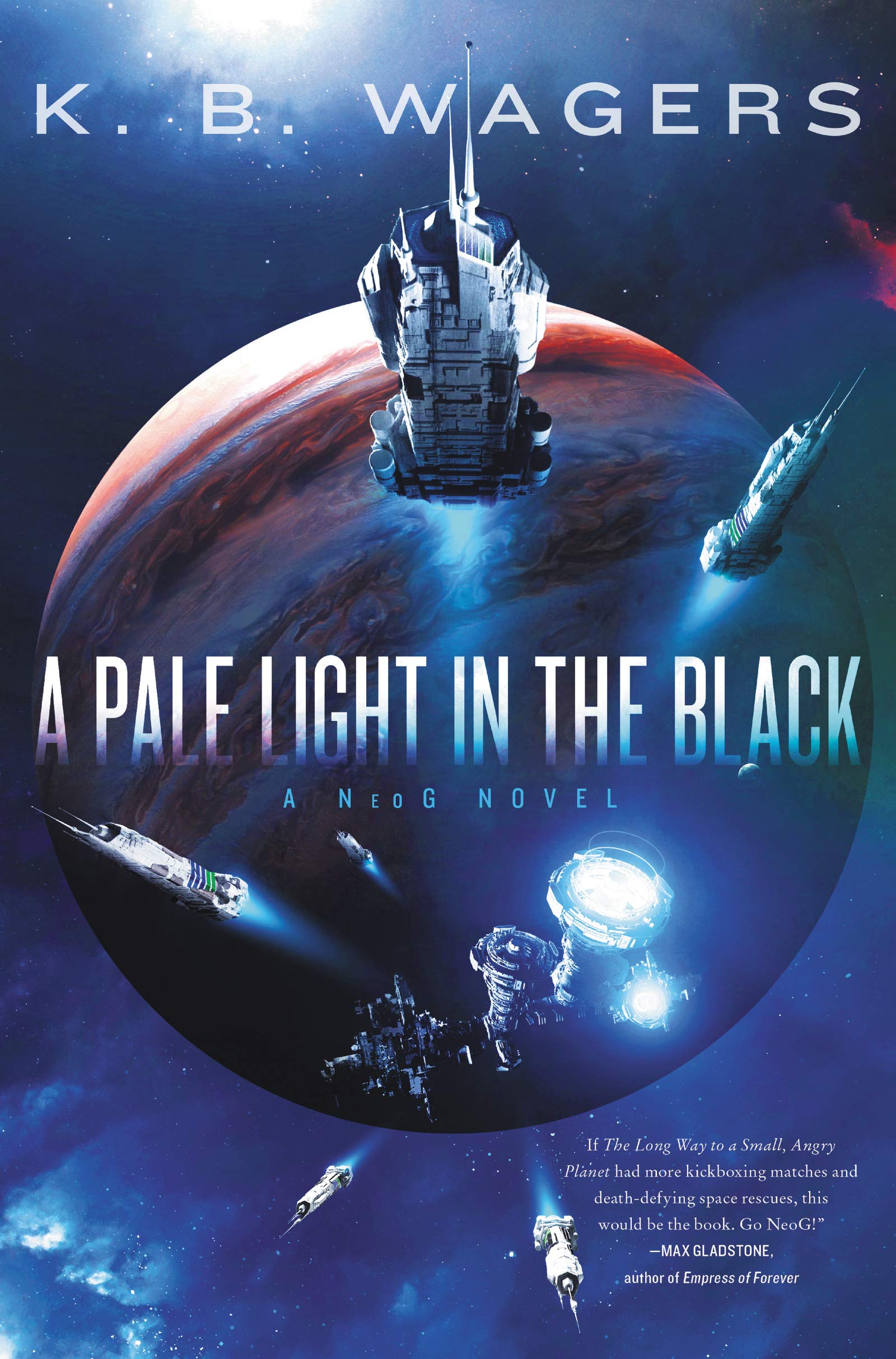
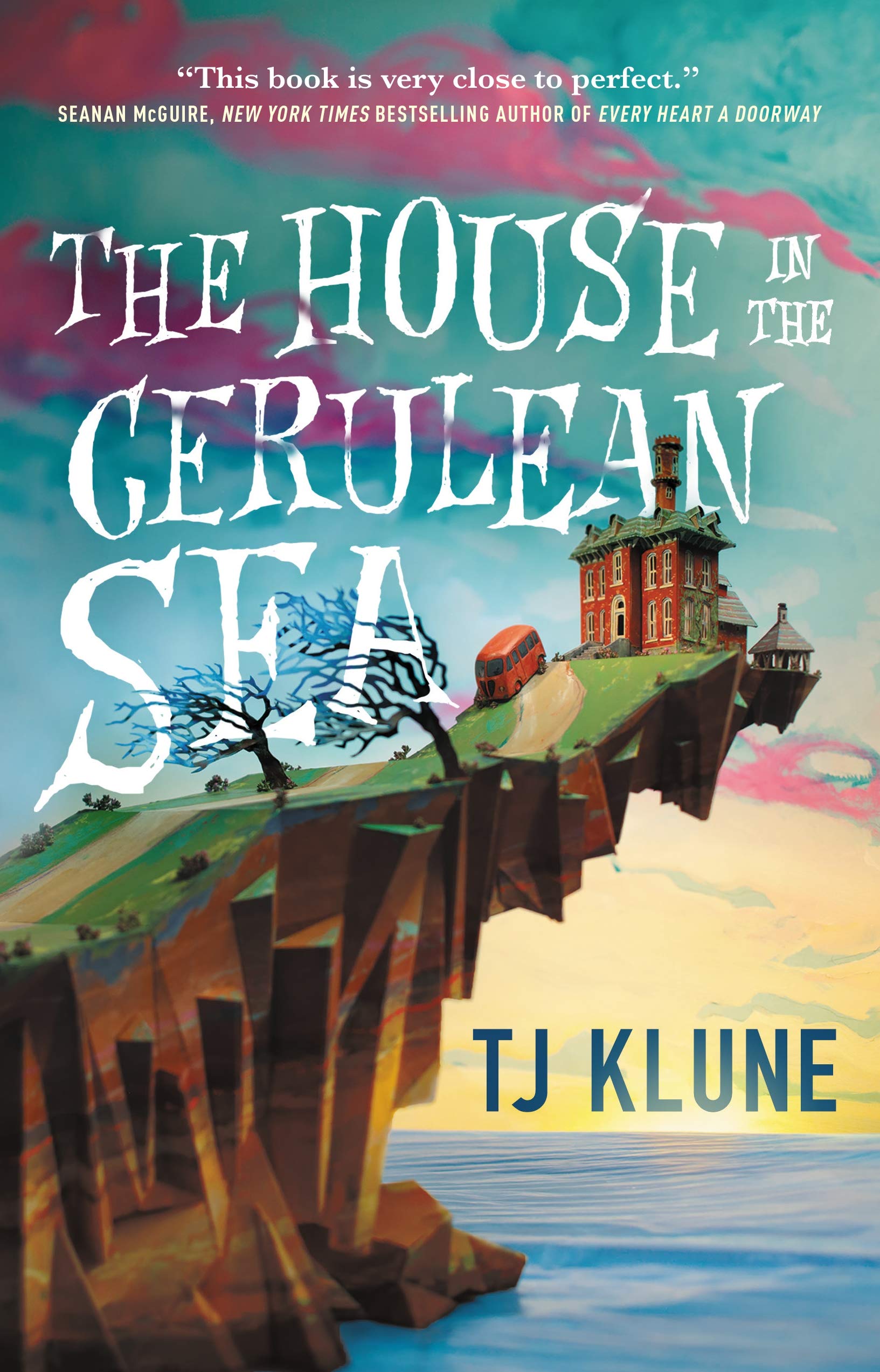
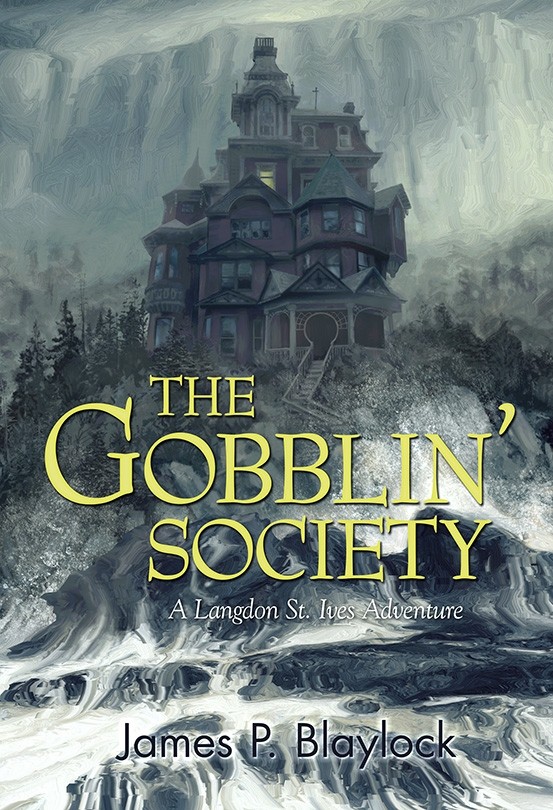
A Pale Light in the Black-small The House in the Cerulean Sea-small The Gobblin’ Society by James P. Blaylock-small

Covers by Vadim Sadovski, Chris Sickels/Red Nose Studio, and Jon Foster

Good friends recommend good books. And that makes John DeNardo just about the best friend we have in this business. I’ve come to rely on his regular columns for Kirkus Reviews to point me towards the best new releases each month, in articles like “Sex Robots, the Future of Racism, and Cthulhu Vacations” [Jan 21] and “The Definitive List of the Top Science Fiction & Fantasy of 2019” [Dec 2019].

He also does regular monthly round-ups of the best novels — while not neglecting short fiction, which is one of the things I like about him. For March he looks at new novels by Katie M. Flynn, K. B. Wagers, Myke Cole (Sixteenth Watch), TJ Klune, N. K. Jemisin (The City We Became), Zack Jordan, and Menna van Praag, and new short fiction and collections from Tor (including Dragon Age: Tevinter Nights, and Hearts of Oak by Eddie Robson), Titan Books (including Cursed edited by Marie O’Regan and Paul Kane), Undertow Publications, the British Library, and Black Library, not to mention James P. Blaylock, Ellen Datlow and Terri Windling, and many others.

As always, there’s plenty of great stuff on John’s list. Here’s a few of the highlights.

Read More Read More

Adventures in Gaming Discovery: The Games Plus 2020 Spring Auction

Adventures in Gaming Discovery: The Games Plus 2020 Spring Auction

Spring 2020 Games Plus Auction-small

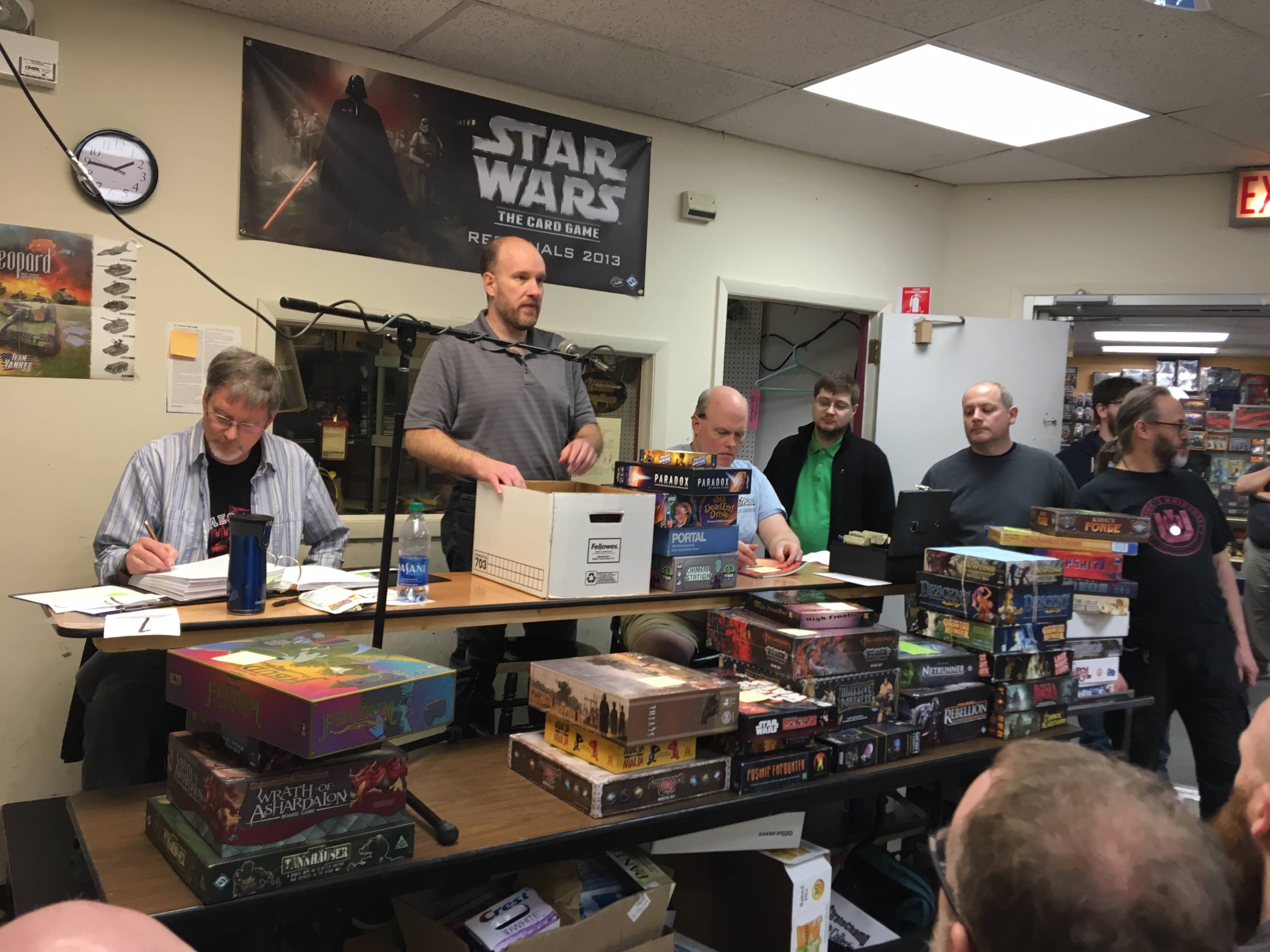
Yesterday I attended the 2020 Spring Auction at Games Plus in Mount Prospect, Illinois. I exhibited more self control than I usually do, but that’s not saying much. My budget was $700, and after seven hours I reluctantly put away my bidding card, when my purchases finally tipped the scales at $1,000. That’s considerably less than I spent in 2019 or 2018, but it still filled eight boxes, and it took the combined skills of three gaming professionals to Tetris them into my tiny Juke before my satisfied road trip back to St. Charles.

It was good to bring so many great bargains home. But truth to tell, I’d attend the biannual Games Plus auctions even if I couldn’t buy a thing. It’s been said that we live in a Golden Age of board gaming, and it’s almost impossible to keep up with the tsunami of exciting new releases every month. The Games Plus auctions are a fun way to do that — not just to see the panorama of new titles as the auctioneers rattle through hundreds of games every hour, but to experience the sudden surge of interest from the crowd as rare or highly desirable items make their way to the auction block. It’s a crash course in what’s new, what’s hot, and what’s really hot.

The attendees at the Games Plus auctions are a friendly and courteous bunch, quick with gamer humor and rounds of laughter, and in those rare moments when prices shot up past $100, $200, or even $300 for truly hot items, there was always a round of appreciative applause. When I saw two determined collectors engage in a spirited bidding war for a trio of Rogue Trader supplements, and watched the loser drop his card at $155 and then good naturedly join in the applause for the winner, I knew I was in the right crowd.

Read More Read More

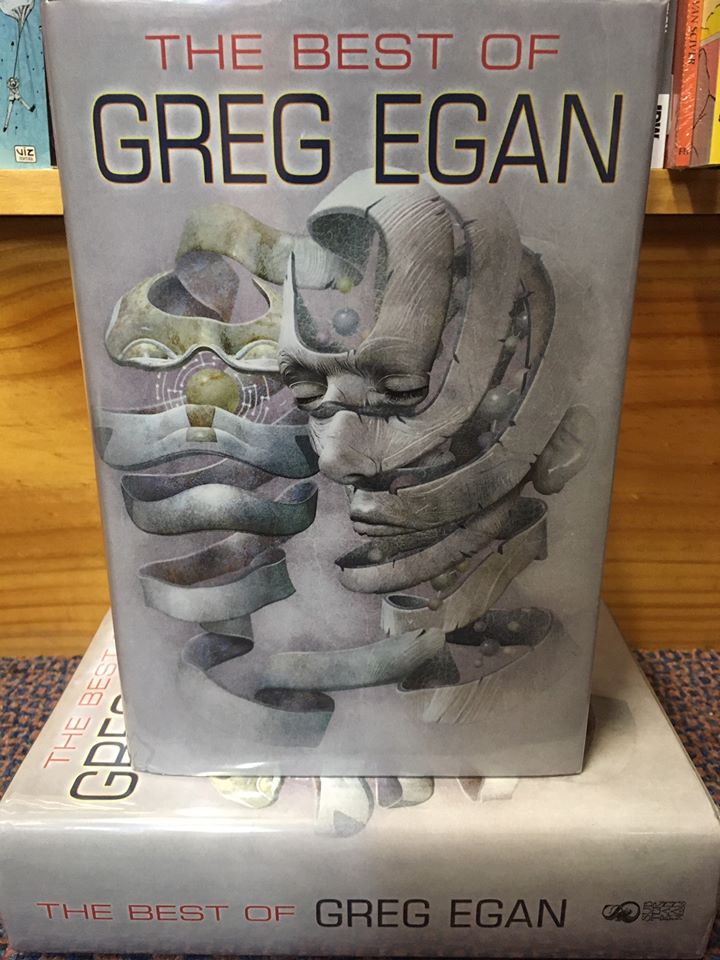
Captured at Capricon: The Best of Greg Egan

Captured at Capricon: The Best of Greg Egan

The Best of Greg Egan-small

Cover by David Ho

I attended Capricon, a friendly science fiction convention here in Chicago, last month. And as usual I spent much of my time wandering the Dealer’s Room, looking for bargains. As I often do I ended up at Greg Ketter’s Dreamhaven booth, where he had a bunch of discount paperbacks. (Yes, I needed a box to get back to my car.) But the most interesting purchase I made wasn’t a vintage Robert Silverberg or A.E. Van Vogt paperback, but a copy of The Best of Greg Egan, the new (and monstrously huge) retrospective collection from Subterranean Press.

I’ve read Egan almost exclusively at short length, and I’ve been very impressed (especially tales like “Reasons to be Cheerful,” the story of a man who slowly learns to reprogram his own personality after a near-fatal brain injury, which I read in Interzone), so this was a very easy decision to make. The collection has been well reviewed at Publishers Weekly (“Egan’s talent for creating well-drawn characters shines”), and Library Journal (“The author’s brand of hard sf is captivating, approachable, and not overly technical”), but the best review I’ve found is Russell Letson’s lengthy feature at Locus Online.

‘Unstable Orbits in the Space of Lies’’ lies somewhere between a Borgesian fable and an old Galaxy-style comic inferno: a literalized metaphor worked out with science-fictional rigor, as an epistemological hobo tries to maintain some independence of mind as he navigates an urban landscape that has been fractured by ‘‘attractors’’ into competing ideological precincts. The physical environment of ‘‘Into Darkness’’ is one of Egan’s topological puzzles, an intruding wormhole through which the narrator moves to rescue people trapped by its alien geometry and physical laws. The story framework is a tense and effective physical adventure, while at the same time the narrator recognizes the metaphorical properties of the space he is traversing.

As massive as this book is (it weighs in at 731 pages), it’s a relative bargain, priced at $45 in hardcover.

Read More Read More

Best of the Small Magazines: The Digest Enthusiast #11, Pulp Modern: Tech Noir, and Weird Fiction Review #9

Best of the Small Magazines: The Digest Enthusiast #11, Pulp Modern: Tech Noir, and Weird Fiction Review #9

The Digest Enthusiast 11-small Pulp Modern Tech Noir-small Weird Fiction Review 9a

Covers by Rick McCollum, Ran Scott, and Colin Nitta

One of the great pleasures of the science fiction and fantasy genre is the fine selection of small magazines, covering a wide range of specialty interests. It’s only the sheer size of SFF fandom that allows these magazines to exist, and for like-minded communities to form around them. Here’s a few of my recent favorites.

The Digest Enthusiast was founded by Arkay Olgar in 2014, and has been published every six months by Larque Press since. It’s now edited by Richard Krauss, who does a fine job, and in fact issues have been getting bigger and more ambitious every year. Book Eleven, cover dated January 2020, is a whopping 159 pages in full color, and they look gorgeous.

The Digest Enthusiast is dedicated to the world of 20th Century digest magazines, and this issue includes a lengthy feature on Astounding by Ward Smith, Black Gate blogger Steve Carper looks at the time when the cover to Journey to Murder was accidentally overprinted on Terror by Twilight in 1945, and Richard Krauss pens a 32-page retropsective and checklist of one of the best known pulps editors in the 1930s and 1940s, a man who edited more than 70 publications and bought two millions words a month, in “Leo Margulies: Giant of the Digests.” The issue also contains interviews with writer and artist Janice Law, writer Paul D. Marks, and Manhunt editor Jeff Vorzimmer, plus fiction by Joe Wehrle, Vince Nowell, Sr., and John Kuharik.

The Digest Enthusiast interiors, rich with high-detail scans of magazine covers on nearly every page, greatly benefit from the full-color treatment. Here’s a few samples.

Read More Read More