Goth Chick News – Shadowland Part Deux: Thirteen Questions for Actor Jason Contini
 In case you hadn’t noticed, and I’m pretty sure you did, the Black Gate webmaster got a little worked up by my last post. Though I was telling you about my latest indy-horror obsession, Shadowland, one might have gathered from the choices of accompanying pictures, that I was instead bringing you a story about lead actress Caitlin McIntosh and her former life as a beauty queen. Somewhere, wedged between those images was my interview with Wyatt Weed, Shadowland’s writer and director; but good luck finding it.
This is what happens when there are too many boys on the staff and they are left unattended for too long.
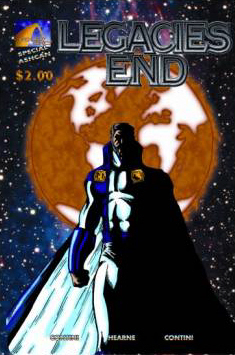
So this week I’m personally bringing you the second installment of my Shadowland coverage; an interview with lead actor Jason Contini and co-creator of the new comic series Legacies End.
I can assure you there will be no further shenanigans involving staff members who forget their professionalism and get carried away by lust.
Now where was I…?
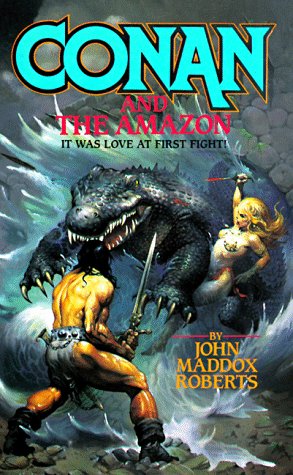 Conan and the Amazon
 This is the fourth in a series of posts investigating the question of who wrote the first otherworld fantasy (you can find the first part
  Okay, this is the Age of the Internet, so you’ve probably had this experience.