Blogging Sax Rohmer’s The Return of Dr. Fu-Manchu, Part Four – “The White Peacock”
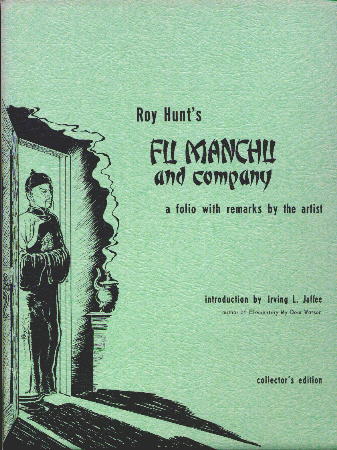 “The White Peacock” was the fourth installment of Sax Rohmer’s Fu-Manchu and Company. The story was first published in Collier’s on March 6, 1915 and was later expanded to comprise Chapters 11-13 of the second Fu-Manchu novel, The Devil Doctor first published in the UK in 1916 by Cassell and in the US by McBride & Nast under the variant title, The Return of Dr. Fu-Manchu.
The story gets underway with Dr. Petrie scouring the criminal district of Whitechapel Road with its Jewish hawkers and crowds of Poles, Russians, Serbs, Romanians, Hungarians, Italians, and Chinese immigrants. Petrie notes that he never sees a face wholly sane or healthy among these underworld denizens he terms “a melting pot of the world’s outcasts.”
 The reader quickly learns that Nayland Smith disappeared the previous night having set out in search of Shen Yan in Limehouse. Inspector Weymouth and his men are searching frantically for some sign of Smith. Consequently, Petrie’s paranoia (and xenophobia) is increased dramatically with the disappearance of the friend he holds above all others and who personifies the British Empire and Petrie’s sense of stability.
Petrie meets up with Inspector Ryman at the police station and learns they have already begun dragging the Thames in search of Smith. Petrie learns that Weymouth raided Shen Yan’s when Smith failed to emerge after entering the gambling house. No sign of either Smith or Burke, the American detective that accompanied him or of Shen Yan has been found.

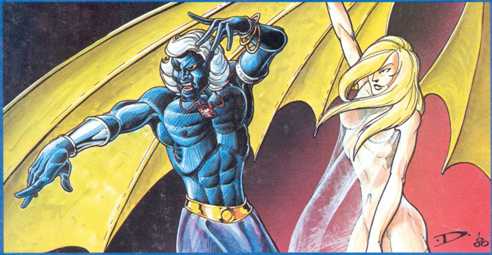
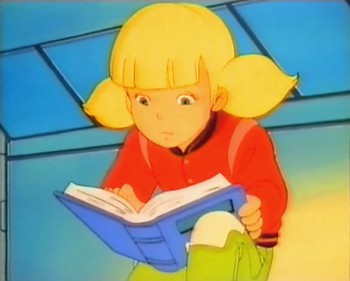 I wonder if elementary school children today have as inspiring a model on animated television shows as I did when I was ten years old. My hero was Penny Gadget from the syndicated series Inspector Gadget.

 When we
  I’ve always been fascinated by history, which is one reason why
 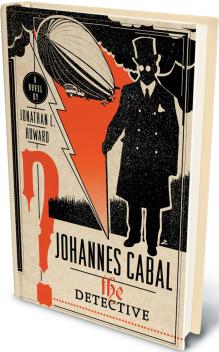 I have been asked to write a few words on how the Johannes Cabal novels came to be published with a particular view to explaining some of the intricacies of the publishing trade. Because I am nothing if not didactic (“Didactic” means, among other things, to speak in a lecturely manner. I hope you’re taking notes – there will be a test afterwards), I have also added a few notes of advice at the end for folk who want to get into the professional novel writing gig.