Browsed by
Category: Blog Entry

The Public Life of Sherlock Holmes: Thoughts on The Sussex Vampire

The Public Life of Sherlock Holmes: Thoughts on The Sussex Vampire

Sumatra
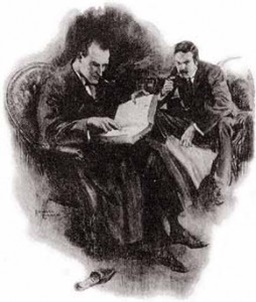
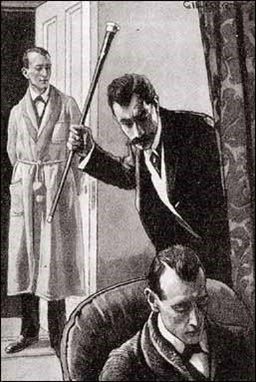
Sussex_PagetIt seems somewhat curious that we find three references to Sumatra in the Canon. Two of those are to unrecorded cases, which makes matters even more intriguing. Sumatra is the sixth largest island in the world and a part of Indonesia.  Indonesia was ruled by the Dutch for over three hundred years, including the entirety of Sherlock Holmes’ career (Japan occupied Indonesia during World War II and the country gained autonomy after that). I have visited Indonesia twice, as my wife was born and raised there.

In “The Sussex Vampire,” Holmes mentions the Matilda Briggs, “a ship associated with the giant rat of Sumatra, a story for which the world is not yet prepared.” In “The Dying Detective,” Culverton Smith was a planter who lived in Sumatra. We are also told at the beginning of “The Reigate Squires” that Holmes was on the verge of collapse after foiling the colossal schemes of Baron Maupertuis, which involved the Netherland-Sumatra company.

Three references to people or things with Sumatran ties. Could tea somehow be related? Indonesia was one of the world’s leading tea producers until World War II. The region of Sumatra was the second-largest tea producing region in Indonesia. Was the death of Culverton Smith’s nephew somehow associated with the activities of Baron Maupertius, for whom Culverton Smith worked or was otherwise associated?
Read More Read More

I’m Ready For My Close-Up, Mr. DeMille: A Look at Image’s Glitterbomb

I’m Ready For My Close-Up, Mr. DeMille: A Look at Image’s Glitterbomb

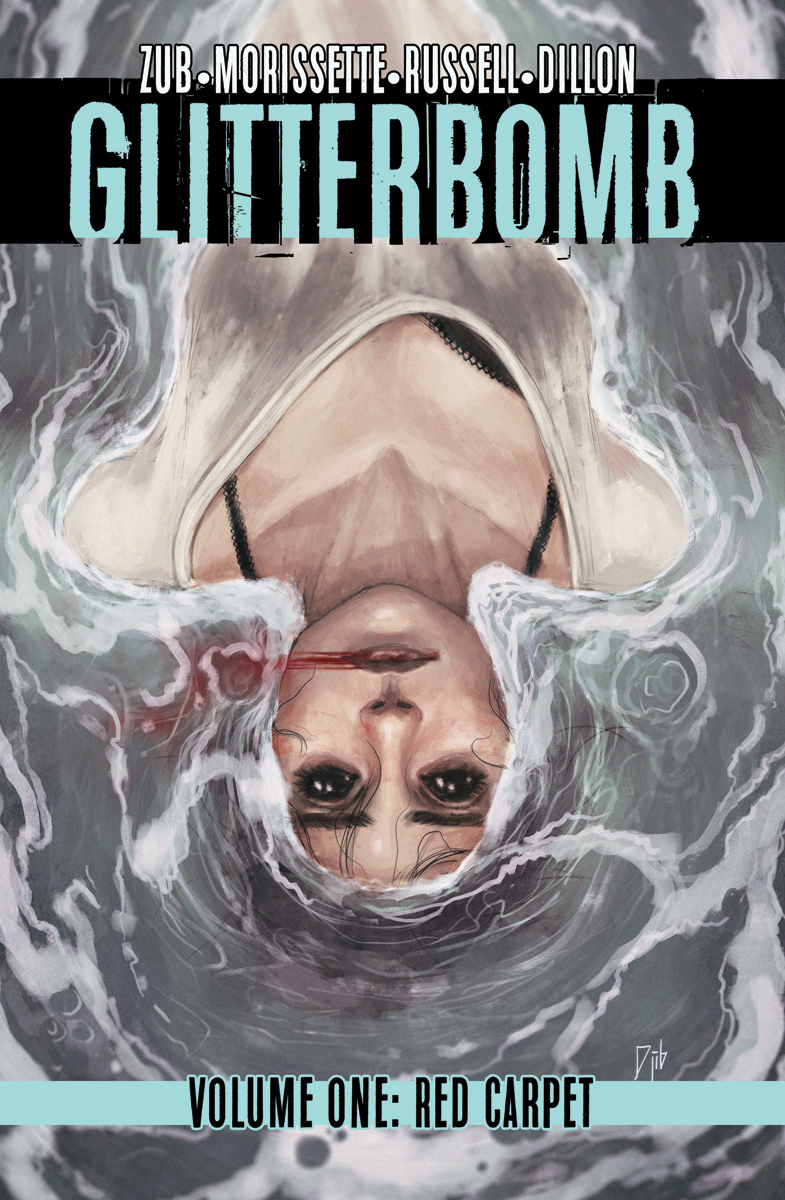
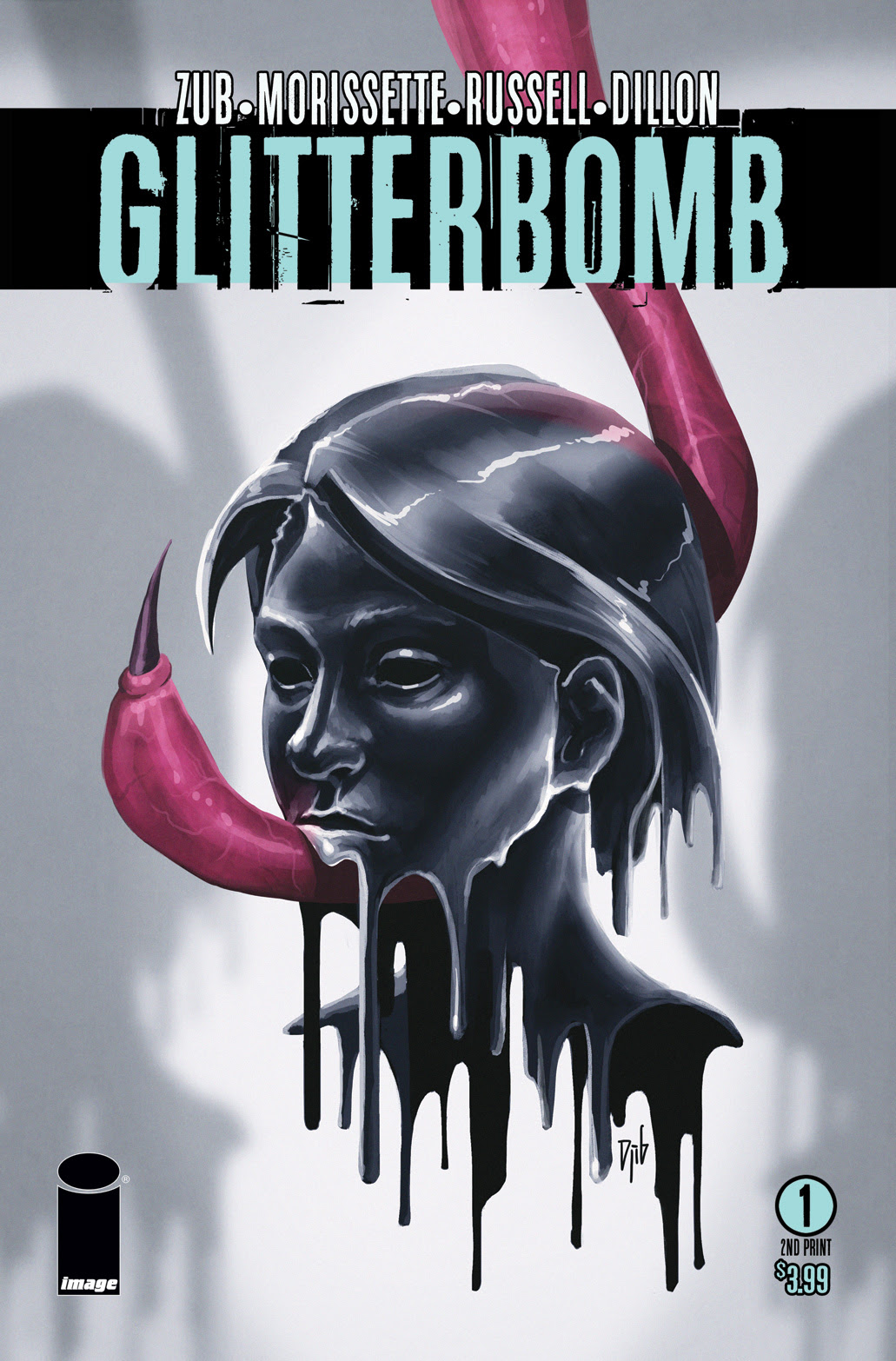
Glitterbomb Vol1-COVER-FRONT-small Glitterbomb 1-small

Last fall, Image released a new comic book series by Jim Zub (Wayward and Thunderbolts) and Djibril Morissette-Phan (The Ultimates, All-New Wolverine) called Glitterbomb, a horror story about fame and failure.

The first four issues are out, and a collected trade paperback of those 4 issues is hitting comic book shops and book stores in March. I read Glitterbomb, really enjoyed it, and got a chance to talk with the creators.

Here’s the synopsis:

Farrah Durante is a middle-aged actress hunting for her next gig in an industry where youth trumps experience. Her frustrations become an emotional lure for something horrifying out beyond the water…something ready to exact revenge on the shallow, celebrity-obsessed culture that’s led her astray. The entertainment industry feeds on our insecurities, desires, and fears. You can’t toy with those kinds of primal emotions without them biting back…

Read More Read More

My Top Five Sword-Fight Movies

My Top Five Sword-Fight Movies

You don’t have to read many of my posts to know that The Princess Bride is pretty well my favorite movie. And though I love the sword fighting scene between Wesley and Iñigo, and the later one between Iñigo and Count Rugen, they are not actually my favorite sword fighting scenes. In both cases, it’s really the dialogue that makes the scenes memorable. So what movies would I rank above The Princess Bride in sword fighting wonderfulness?

Here they are, in the order in which I thought of them.

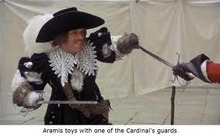
AramisThe Three Musketeers (1973, directed by Richard Lester)
One of the great things about this movie, along with its sequels The Four Musketeers, and The Return of the Musketeers, is that they all feature the same cast. There are good fight scenes in all the films (Oliver Reed is more impressive in the sequels), but it’s the first one I know the best. I particularly like the fantastic opening sequence, where D’Artagnan’s father teaches him the “secret thrust.” Anything between D’Artagnan (Michael York) and Rochefort (Christopher Lee) is well worth watching. There’s also some terrific ensemble fighting, notably the scene between the four leads and the Cardinals’ Guard in the convent courtyard. It should be noted that Christopher Lee was a fencer IRL as well.

The fencing instructor and fight choreographer was Bob Anderson.

Read More Read More

Modular: Who Would Win? John McClane and James Bond versus a Tribe of D&D Goblins

Modular: Who Would Win? John McClane and James Bond versus a Tribe of D&D Goblins

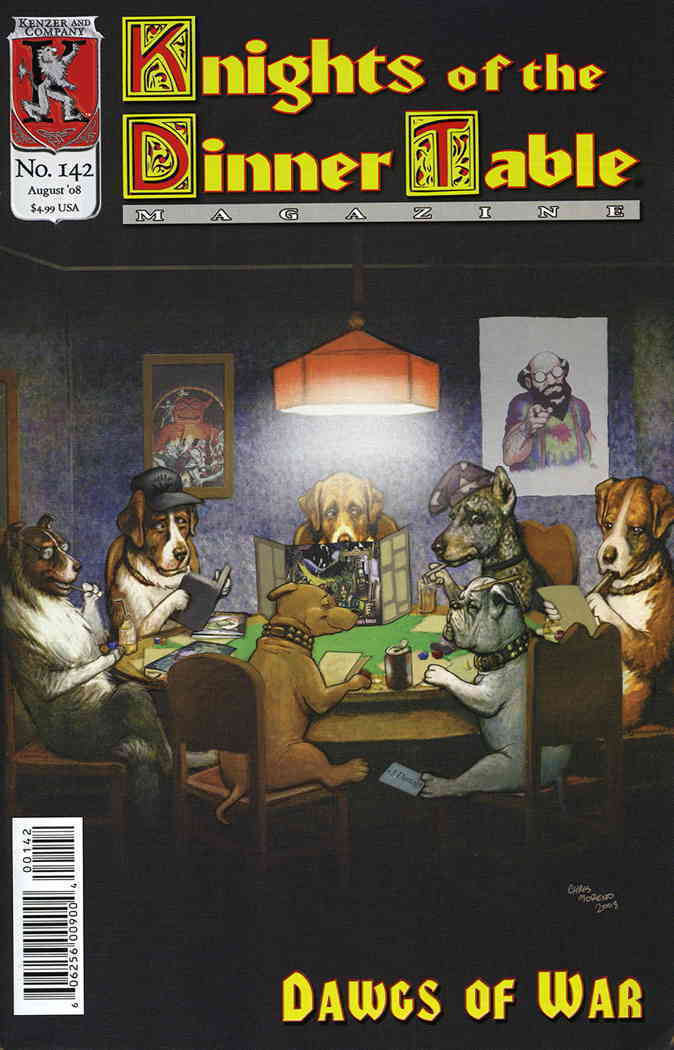
Knights of the Dinner Table 142-smallI came across a fascinating piece by Noah J.D. Chinn in Knights of the Dinner Table issue 142 (August 2008). Chinn’s guest editorial for the “Gamer’s Pulpit” column is an intriguing analysis of how the realism bar for heroes has shifted radically from the days of our youth (us Gen Xers) until now.

The single most interesting fact he presents is a piece of data generated by Mike Hensley charting how many goblins a first level fighter could kill before dying across all iterations of Dungeons & Dragons (at that point there were 6 versions, 5th Edition not yet having debuted). He ran the combats at least 1,000 times for each fighter in a Javascript simulation program, with the fighter facing the goblins one at a time, producing an average for each version. This is what the data reveals:

  • OD&D: 2.7 goblins killed
  • BD&D: 4.1
  • AD&D1: 4.3
  • AD&D2: 7.3
  • D&D 3e: 10.1
  • D&D 4e: 23.4 Holy Crap!

(It would be interesting to further extrapolate from this data: Does it suggest that a 4e first-level fighter could, one-on-one, take out 4 or 5 OD&D fighters before succumbing? Or that a first-level 4e fighter is roughly equivalent to a third-level fighter in Basic?)

Chinn argues that this hero power inflation cuts across popular culture. He uses the Die Hard movies as an apt illustration:

Read More Read More

A Shaper of Myths: The Best of Cordwainer Smith

A Shaper of Myths: The Best of Cordwainer Smith

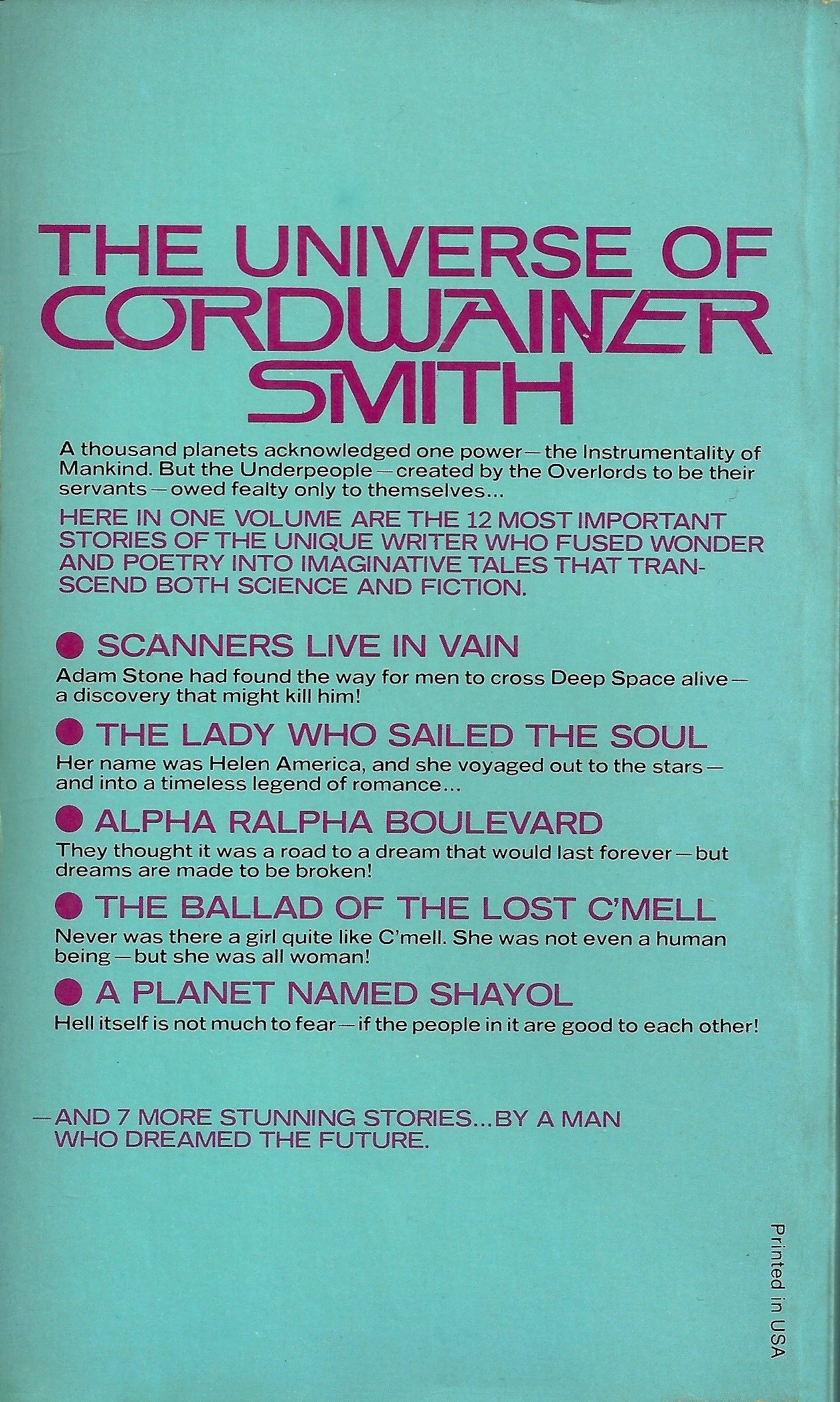
The Best of Cordwainer Smith-small The Best of Cordwainer Smith-back-small

He and I stared at each other. Was this what culture was? Were we now men? Did freedom always include the freedom to mistrust, to fear, to hate?
— Cordwainer Smith, “Alpha Ralpha Boulevard,” p. 300

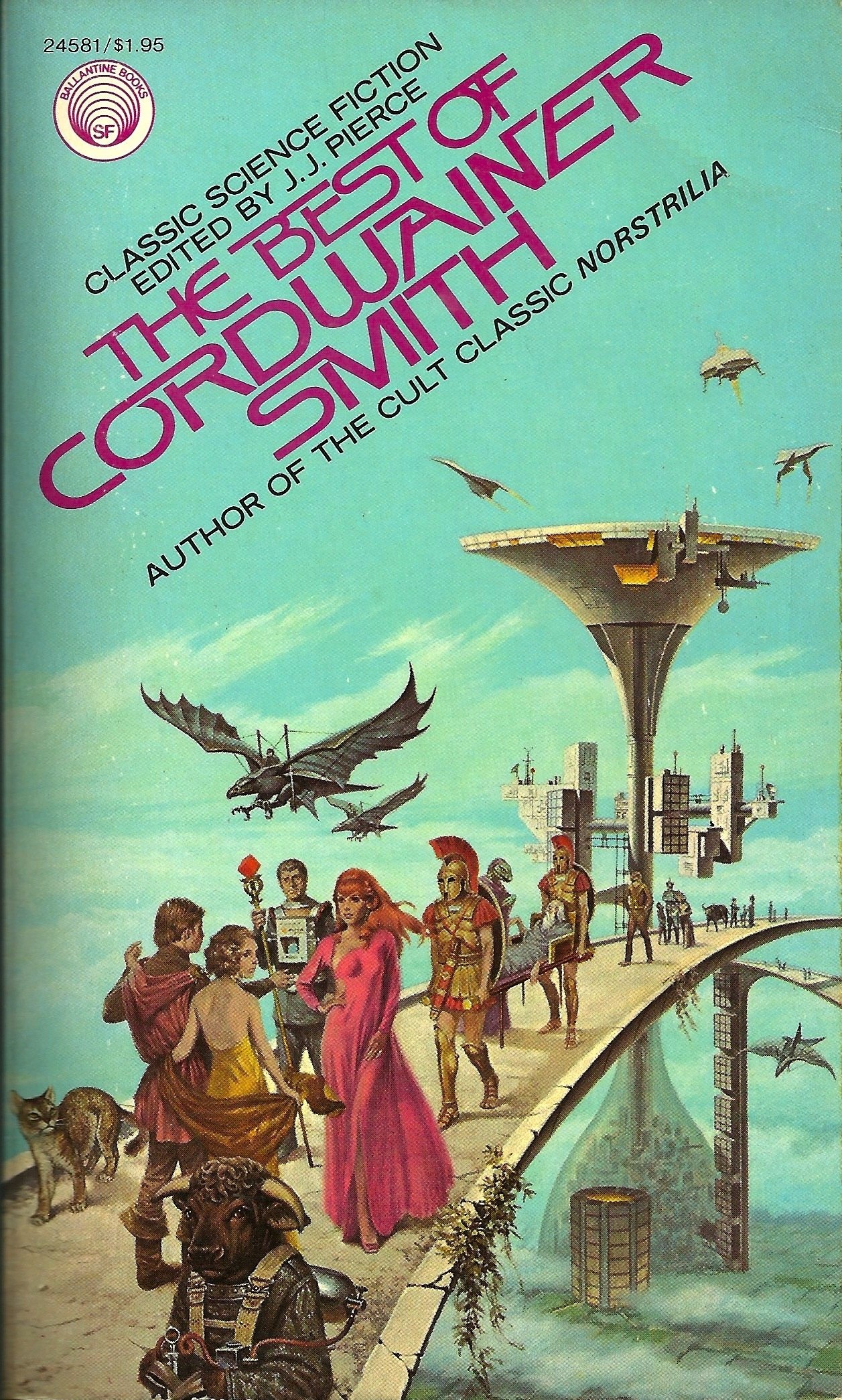
Such are the questions set in the context of Cordwainer Smith’s utopian, futuristic society where people are seeking to go back to being “human” again. But this is only one small time slice and representation of Smith’s massive mythos in The Best of Cordwainer Smith (1975). This volume was the fifth installment in Del Rey’s Classic Science Fiction Series, and the first to be edited by someone other than Lester Del Rey (1915–1993). John J. Pierce (1941–) edits this volume and provides a very fine introduction. Pierce is a science fiction critic and was once a very outspoken pundit against the 1960s New Wave in science fiction.

Whereas the cover art of the first four volumes was done by the late Dean Ellis (1920–2009), the cover for this book was by the late Darrell Sweet (1934–2011). Sweet’s artwork here is very reminiscent of Ellis’ work on the Classic Science Fiction Series. This is interesting, seeing how Sweet’s later artwork is very different from Ellis. (See this Black Gate memorial post to Sweet for later examples of his work.) It seems Sweet was attempting to keep with the aesthetic feel that Ellis had already established.

Read More Read More

The Pastel City by M. John Harrison

The Pastel City by M. John Harrison

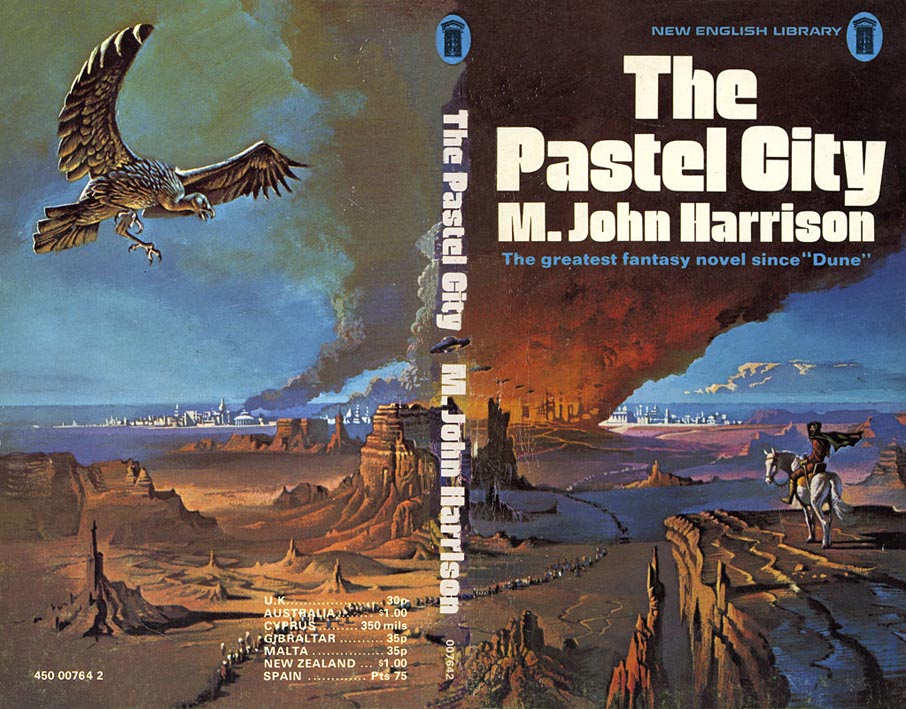
The Pastel CityM. John Harrison, like Joan Vinge or J.G. Ballard, hails from my terra incognita of the universe of sci-fi/fantasy authors. Over the years I’ve read praises of his fiction but have never read a word of it. Searching my shelves for something to review this week, I saw a copy of the Bantam omnibus of his novels and stories of Viriconium, a city in the twilight days of Earth. I have no memory of how, when, or where it came into my possession, but there it was. So I figured it was about time to investigate its unknown literary landscapes.

Harrison came to my attention from a pair of essays he wrote on the creation of fantasy. The first, “What It Might Be Like to Live in Viriconium,” is an attack on the effort to codify and specifiy the nature of fantasy. It opens with this bold statement:

The great modern fantasies were written out of religious, philosophical and psychological landscapes. They were sermons. They were metaphors. They were rhetoric. They were books, which means that the one thing they actually weren’t was countries with people in them.

For him, any effort to delineate geographical boundaries and the like in a work of fantasy undermines what really lies at its heart. He describes his own tales like this:

“Viriconium” is a theory about the power-structures culture is designed to hide; an allegory of language, how it can only fail; the statement of a philosophical (not to say ethological) despair. At the same time it is an unashamed postmodern fiction of the heart, out of which all the values we yearn for most have been swept precisely so that we will try to put them back again (and, in that attempt, look at them afresh).

Read More Read More

The Public Life of Sherlock Holmes: Not Impressed With “The Mazarin Stone”

The Public Life of Sherlock Holmes: Not Impressed With “The Mazarin Stone”

Mazarin_StickCurrent writers of Sherlock Holmes stories (such stories are known as ‘pastiches’) are held to the standard of Sir Arthur Conan Doyle’s originals. And rightfully so. But that’s not to say that all sixty of Doyle’s tales featuring his famous detective are of the same quality. Followers of the great detective debate the merits of various stories. I myself am less than thrilled with “The Dying Detective,” since Holmes doesn’t do much of anything in it. He’s less mobile than Nero Wolfe in that one.

But I can’t think of too many fellow Sherlockians (and I don’t mean followers of the BBC television show) who are enamored with “The Mazarin Stone.” I definitely am not and consider it one of the weakest in the entire Canon. Of course, if you haven’t read it, you probably should do so before continuing. You’re back? Good.

The Play’s the Thing

Jack Tracy’s The Published Apocrypha contains the full text of the play The Crown Diamond, as well as an informative essay. “The Adventure of the Mazarin Stone” and The Crown Diamond are pretty much the same story and share much dialogue, differing only in a few minor details.

One of those details worth noting is that Colonel Sebastian Moran is the villain in play, whereas it is Count Negreto Sylvius in the story. Using Moran makes sense, since playgoers likely would know the character, based on his feature role in “The Empty House.” Both men like air guns and are big game hunters, so the real difference is negligible.

Dennis Neilson Terry starred as Holmes in the stage production of The Crown Diamond.  It’s nowhere near as good as Doyle’s play, The Speckled Band, which I wrote about in this post.

Read More Read More

Things Your Writing Teacher Never Told You: I’d Rather Be a “Librarian” Than a Disney Princess

Things Your Writing Teacher Never Told You: I’d Rather Be a “Librarian” Than a Disney Princess

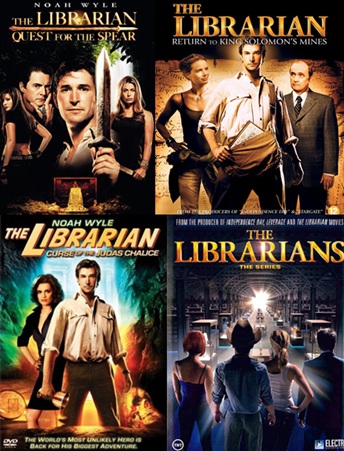
Librarian 1

On the advice of my students, I’ve finally delved into The Librarian/s franchise. If you haven’t encountered it yet, there’s three made-for-TV movies (The Librarian: Quest for the Spear; TL: Return to King Solomon’s Mines; and TL: Curse of the Judas Chalice), starring Noah Wylie, Bob Newhart, and Jane Curtin. They’re a wacky spoof of adventure films like Raiders of the Lost Ark and Congo. Seeing Bob Newhart wield a broadsword and fend off villains is worth the price of a theater admission.

In 2014 the franchise was turned into a TV series, The Librarians, which made the unique move of keeping the three movie leads on in bit or slightly bigger parts, while bringing in three new young assistant librarians and a guardian (bodyguard) who have the bulk of the adventures. They also introduced a new “caretaker,” (mentor and minder) who is the immortal Sir Galahad, played with disarming charm by John Larroquette. Christian Kane is one of the new librarians. He plays basically the same character he played on Leverage, which is delightful.

The series airs on TNT. The movies and previous seasons are available on Amazon Prime video, at the moment. Jonathan Frakes has directed eight episodes. Matt Frewer, Vanessa Williams, Rene Auberjonois, John de Lancie, Felicia Day, and Bruce Campbell (as Santa) are among the guest actors from the genre world.

Read More Read More

Oz’s Bag of Holding: My Beef with Lev Grossman’s The Magicians and Philip Pullman’s His Dark Materials

Oz’s Bag of Holding: My Beef with Lev Grossman’s The Magicians and Philip Pullman’s His Dark Materials

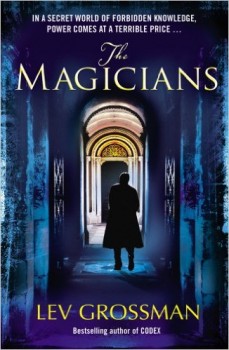
the magiciansI have here a Bag of Holding. I am now going to pull some things out of it…

Well, I did read Lev Grossman’s The Magicians back in 2011. Now that The Magicians Trilogy is generating so much buzz (consequent to the popular Syfy series now in its second season), I suppose I’ll have to say something about it. However, what I say won’t be very nice. [Here is another review by Chris Braak that appeared in Black Gate back in 2011.]

Since it had been awhile, I went back and skimmed through the final chapters of the first installment. It was enough to remind me why I did not enthusiastically delve into the second book (I did pick up The Magician King, got a chapter in and set it aside. I might go back to it, if anyone furnishes me with a compelling argument that the trilogy as a whole manages to ameliorate the criticism I am about to level against the first book.)

It is well written. The thinly-veiled pastiches of Narnia, Hogwarts, and other beloved fantastical realms are, on the whole, perceptively done. Grossman manages both to evoke the sense of wonder of those books and to convincingly portray characters sensitive to the special draw of Faerie — kindred spirits who, deep down, wish they could escape our world into those imaginary places. Grossman is clearly no stranger to the deep affinity such works can stir in the receptive reader. And he gets great mileage (meta-mileage?) out of having the characters allude to and reference J.K. Rowling and J.R.R. Tolkien and all the other fantasy authors they grew up with.

But, like Philip Pullman with the His Dark Materials trilogy, Grossman seems to feel some obligation to poop on that to which he is ostensibly paying homage.

Read More Read More

Launched! The Future Chronicles

Launched! The Future Chronicles

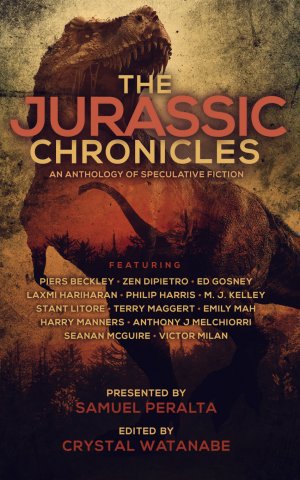
The Jurassic Chronicles-smallThe Jurassic Chronicles is live, and $0.99 for a limited time! This is the latest installment in Samuel Peralta’s Future Chronicles anthology series, and was edited by Crystal Watanabe. Hugh Howey states: “The best place to discover new SF authors, I think, is any of the anthologies coming from Samuel Peralta.” Don’t just take his word for it, though. Check out the authors and stories included in this one:

“Fatal Mutation” (Anthony J Melchiorri)

A Baltimore beat cop is called to check out screams coming from a run-down laboratory. But when she answers the seemingly routine call, she finds herself embroiled in a deadly race to solve a terrifying mystery compounded by two hundred million years of evolution.

“Noble Savage” (Terry Maggert)

Other worlds are possible through the massive engine of The Point project, but where it leads will reveal that humanity is the alpha predator only as long as it remains on Earth. With the promise of unlimited power, one woman will make the decision to match wits with beings who are not our equal. They’re better.

“An Implant and a Hard Place” (Zen DiPietro)

To achieve her dream of becoming a cyberneticist, Brak had to fight everything it means to be Briveen. Now, she has to wrestle with her morals. Can she disregard them in order to help other people?

Read More Read More