Ancient Worlds: Gilgamesh and Enkidu
I like a good romance.
(Yes, we’re still talking Gilgamesh, I haven’t hit my head. Just give me a second. Haven’t we developed that kind of blogger/reader trust yet?)
In fact, I love a good romance. Give me a lady in a corset and a handsome young duke/earl/suitably wealthy gentleman/starving but really charming young artist, 300 pages and a stretch of time that my weesters are occupied elsewhere and I am all yours. I think the romance genre of fiction is underrated and, frankly, under-read by writers in many other genres.
But romance, or more precisely eros, has taken over fiction and fandom. Romantic relationships have become the primary relationship we see in our entertainment. Romantic tension is wedged into stories, often awkwardly. It’s often justified by seeking to appeal to a female demographic, as if women were incapable of liking stories without romance or that romance is the only relationship that we value. This is not only condescending, it’s exclusionary on a number of levels. And it is sad, because some of the greatest relationships in history were not romantic or familial, but friendships.
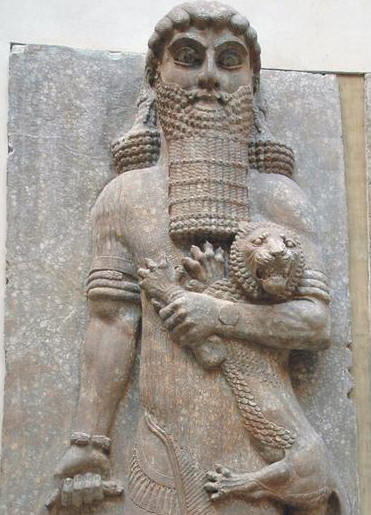
And the first great relationship we have recorded is just that. As we discussed last time, Gilgamesh has been making a royal pain of himself, and when his people pray for help, the gods respond by creating a man who will be his match. That man is Enkidu, and once the gods breathe life into him, they set him down in the wilderness.