Modular: Using Norse-Themed Roleplaying Games and Supplements to Expand the World of Yggdrasill — Vidar Solaas’s Vikings RPG
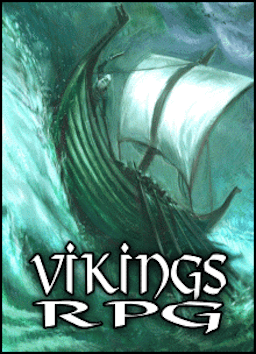 Some time ago I celebrated the new Modular series of Black Gate posts by contributing my own enthusiastic review of the four English-language volumes in the current Yggdrasill roleplaying game line. I’m grateful for the many responses to that post and for the reader recommendations of other Norse-related rpg material. I would collect all roleplaying game materials, regardless of game ethos or genre, but my budget won’t allow it. So I’ve narrowed my collection to Norse and Viking-themed materials. Hey, I tell myself, I’m actually running a Viking-themed game right now, using Yggdrasill, and I can justify this expense by believing, truthfully or not, that I’ll find some practical gaming use for it.
As I collect these materials, I notice that they sort into three or four categories:
- Actual “full” roleplaying games; what I mean here is that the product comes complete with rules and setting designed to emulate, in particular, the kinds of experiences one expects from a Norse-themed roleplaying game
- Sourcebooks and campaign settings, using the real world “Viking Age” as inspiration but designed to be used with an existing “Core Rules Set” (like D20 or GURPS, Fate Core, etc.)
- Campaign settings, adventure paths, or standalone modules that detail a particular region of a fantasy world that is designed to emulate, within that secondary world, a “Viking Age” roleplaying experience
That’s right: I said three “or four” categories. The fourth category constitutes an “Appendix Y” — Appendix Yggdrasill — if you will, the reading I have been doing for most of my life that informs the kind of Viking Age adventure that I want to evoke in my roleplaying game. I might find occasion to comment on these works, as well, for they’re just as relevant as actual gaming material.
I intend to use these rough categories to frame the reviews of my developing collection. And I begin today with an item from the first category — well, I’m placing it in this category, even though Vidar Solaas’s Vikings RPG (2008) has been built using the D20 system. Attempting to use D20 to emulate a more or less “authentic” Viking Age experience has required Solaas to modify, rebuild, or “hack” the D20 rules set so drastically that Vikings RPG does indeed qualify as a game in its own right.
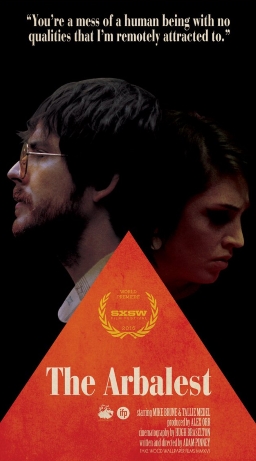 Tuesday, August 2, was the next-to-last day of the 2016 Fantasia festival. I had two movies lined up. First would come The Arbalest, at the De Sève Theatre: a period fantasy about a man who made an addictive puzzle in a slightly alternate 1970s. That would be followed by The Piper (Sonmin), a Korean film that reimagined the Pied Piper story as set in a postwar Korean village. Both looked promising. One delivered on that promise.
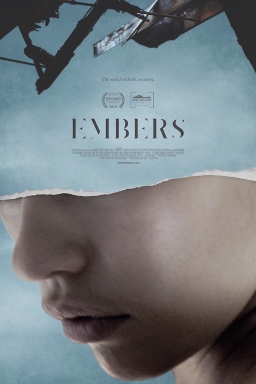 By Monday, August 1, the end of the 2016 Fantasia Film Festival was in sight. Two more days, and it’d be over for another year. Bearing that in mind I was determined to pass by the Festival’s screening room and catch up with some films I’d missed earlier in the festival. First, though, I was headed to the De Séve Theatre for a showing of the American-Polish science-fiction movie Embers, about a world struck by a plague of forgetting. After that I’d go to the screening room, where I’d watch the French absurdist comedy L’Élan and the Mexican horror-fantasy We Are the Flesh (Tenemos la carne).