New Treasures: War & Space, edited by Rich Horton & Sean Wallace
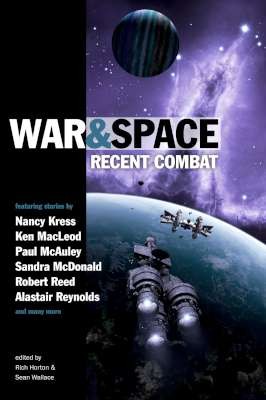 My copy of War & Space: Recent Combat finally arrived today, and it’s everything I hoped it would be: a thick anthology reprinting some of the best tales of space warfare from the last few decades, including one of my recent favorites, Ken MacLeod’s tale of a man who investigates a civilization implosion in a far-distant human habitat and the startling horrors he discovers, “Who’s Afraid of Wolf 359?” Here’s the opening lines:
When you’re as old as I am, you’ll find your memory’s not what it was. It’s not that you lose memories. That hasn’t happened to me or anyone else since the Paleocosmic Era, the Old Space Age, when people lived in caves on the Moon. My trouble is that I’ve gained memories, and I don’t know which of them are real.
Exactly the kind of book I like to snuggle into my big green chair with. (Side note to website editor C.S.E. Cooney: yes, I ended a sentence with a proposition. Give me a break, it’s Friday). Here’s the book description:
Conflict: a basic human instinct, helping humankind evolve even while threatening the very existence of the species… an instinct that will be as much a part of the future as it is now and always has been. For all the glories of war-the defeat of evil, the promise of freedom, justice, protection of the innocent, the righting of wrongs, technological innovation, heroism-there are also the horrors: individual grief, mass destruction, the elimination of entire cultures and great achievments, injustice, villainy, the annihilation of the innocent, and pain beyond bearing. War and Space offers the ultimate speculation on the future of warfare-stories of insectoid anguish, genetically-engineered diplomats who cannot fail, aliens plundering humanity, a weaponized black hole-scenarios of triumph and defeat, great heroism and vile depravity… and more.
War & Space includes short stories from Nancy Kress, Paul McAuley, Robert Reed, Alastair Reynolds, Catherynne M. Valente, Tom Purdom, and many others. You can get additional details here.
 While I was looking for more authors of modern Arabian fantasy,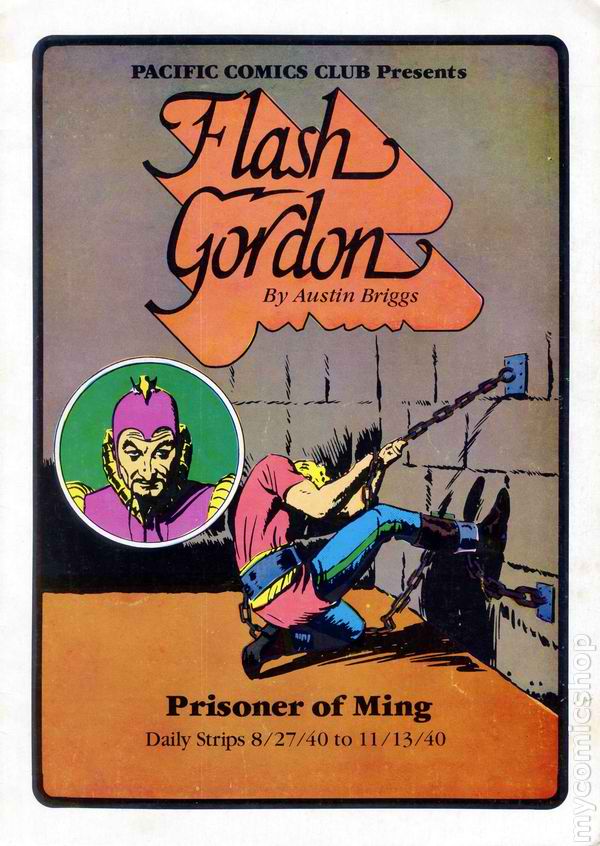
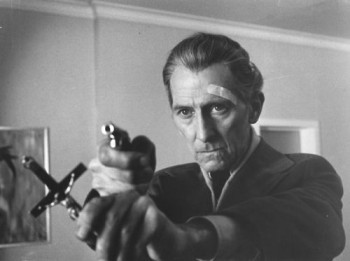 Abraham Van Helsing only had one truly canonical appearance, arriving as he did mid-way through Bram Stoker’s Dracula. However, so strong was the Dutch professor’s hold on the public imagination, and so fierce his rivalry with the Lord of the Undead, that he has followed his nightmare enemy into the Twentieth Century like a gin-drinking Fury.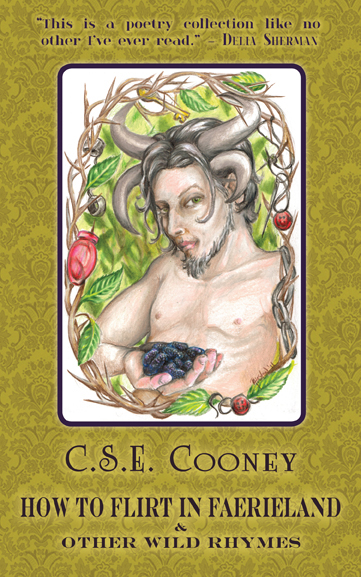
 The Burning Soul