Three Hobbit Films for the LOTR Fans = Trouble
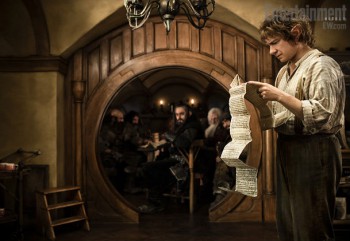 Fans of Peter Jackson’s The Lord of the Rings should be thrilled that The Hobbit, originally planned as two feature films, is now slated for three. More Tolkien on screen is a good thing, right?
Surely yes, if what we are getting is indeed more Tolkien. But Jackson’s “bridge” film is not going to be more Tolkien, but more Jackson. And that is not necessarily an encouraging thought.
Due to contractual issues with the Tolkien estate — Jackson is unable to use material from The Silmarillion, The History of Middle-Earth, or Unfinished Tales — this “bridge” film will come from the appendices of The Lord of the Rings. Jackson wrote on his Facebook page:
“We know how much of the story of Bilbo Baggins, the Wizard Gandalf, the Dwarves of Erebor, the rise of the Necromancer, and the Battle of Dol Guldur will remain untold if we do not take this chance. The richness of the story of The Hobbit, as well as some of the related material in the appendices of The Lord of the Rings, allows us to tell the full story of the adventures of Bilbo Baggins and the part he played in the sometimes dangerous, but at all times exciting, history of Middle-earth.”
The appendices are certainly a mine of information, but the stories they tell are scattered, patchy in places, and not written as straightforward narrative. To bridge the events of The Hobbit to The Lord of the Rings in a film that neatly connects a series of disparate dots, Jackson must fill in gaps, construct dialogue from scratch, and so on. And that could spell trouble.
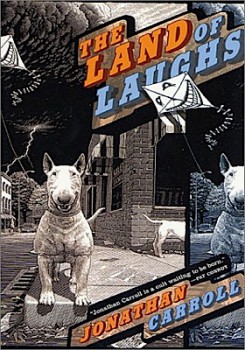 To start, this is the debut novel from my favorite author, Jonathan Carroll. First published in 1980, The Land of Laughs has enjoyed a sporadic publication history (like most of Carroll’s books), going in and out of print. Unlike a lot of debut novels, the themes and voice found in his later books is already present and strong, making this an excellent place to start if you’ve never read anything by him.


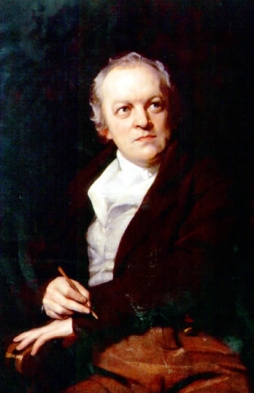 A few months ago, I started an irregular series of posts about Romanticism and fantasy. I wanted to talk about the significance of Romanticism, the literary movement of the late eighteenth and early nineteenth century, to the development of fantasy fiction. For a variety of reasons, I’d been distracted from continuing those posts for a while; I want to return to them now. The original inspiration for this series of posts came when
 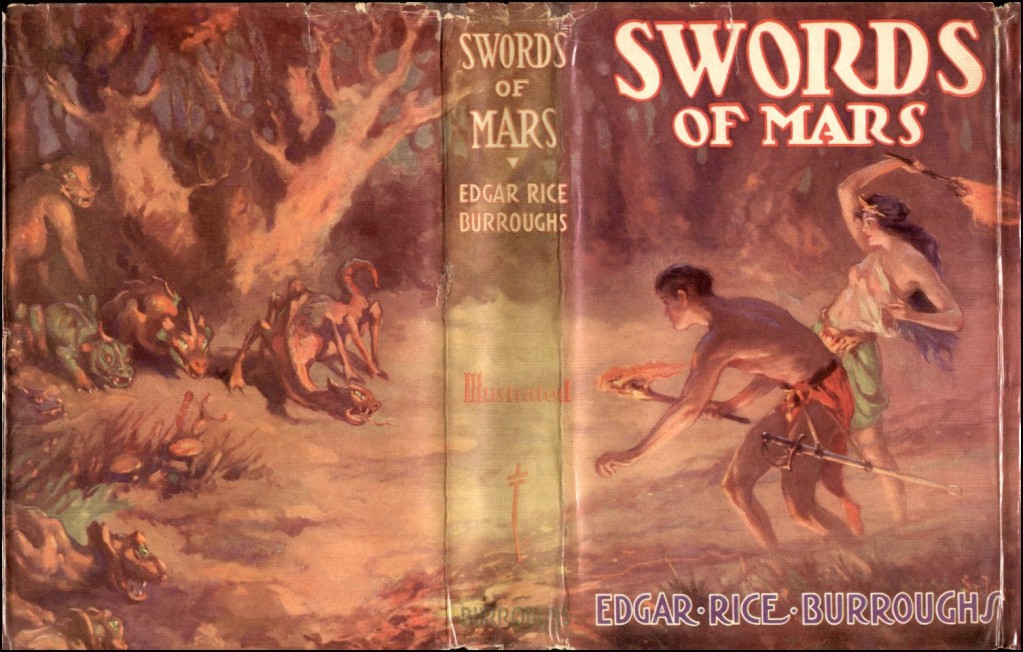 “But my memories of that great tragedy are not all sad. There was high adventure, there was noble fighting; and in the end there was — but perhaps you would like to hear about it.”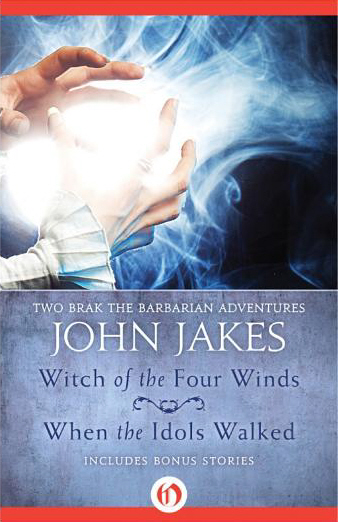
 It’s a lot easier for me to be generous about other genres than it used to be. I’m trying to decide if that has something to do with me mellowing with age, or if it’s because there’s a whole lot more sword-and-sorcery available than there was ten years ago … or if it’s simply that I don’t feel shut out anymore now that I’m writing sword-and-sorcery stories for a living.