Weird of Oz Rides the Blu-ray, visits Betamax
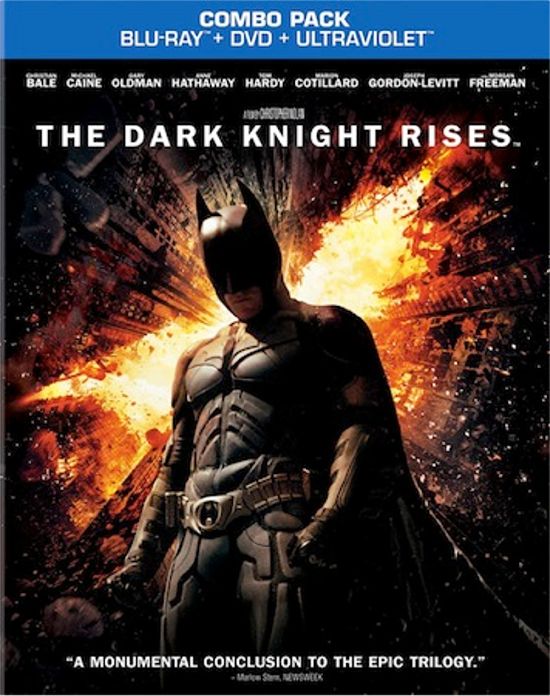 Just a brief post today, some passing thoughts not about sci-fi, fantasy, or horror in particular, but about the formats in which we receive much of our sci-fi, fantasy, and horror entertainment these days…
One of the odder examples of hybrid entertainment packaging to come along in some time, I think, is the DVD/Blu-ray combo pack. Since all DVDs play on Blu-ray players, the DVD is a little redundant. The only market I can think of for which this combo would be a practical necessity is people who do not yet have a Blu-ray player but plan to upgrade to one in the near future. This way they can watch the movie now and have the Blu-ray in their collection already when they do make the jump. That must be a fairly small demographic, and shrinking by the day as people upgrade out of it.
I suppose there could be a few who have a Blu-ray player in one room and just a DVD player in another, and they want to be able to watch the film in either room? “Serious mysterious,” as Alfred Hedgehog, the latest cartoon character my daughter is obsessed with, would say. Aw well, I’m not going to lose any sleep over it. Here’s how combo-pack mania has played out in our house: the Blu-ray disc gets put up out of reach of prying hands, and the DVDs are left out to get smudged up and scratched all to hell.
Speaking of new technologies, those of you who, like me, are old enough to remember when VCRs debuted in your living room may recall that initially there were two competing technologies: VHS and Betamax. The fate of the latter is well illustrated by the fact that Word flags it as a misspelling and suggests I replace it with “Bateman.” Now, the conventional wisdom is that Betamax was the superior technology and that the only reason VHS won out is thanks to superior marketing. In other words, like sheep, we embraced the inferior product because more money was spent on getting us to do so.

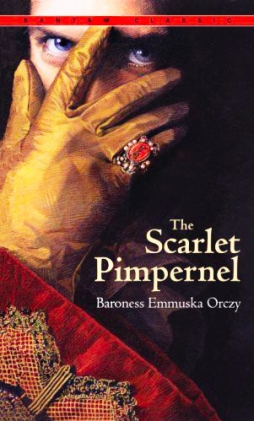 One of the strangest and most distinctive elements of a super-hero is a secret identity. It’s so distinctive we don’t even think about how strange it is. Or, more precisely, how strange the heroic identity is. There’ve been disguises and alter-egos throughout fiction, whether Odysseus showing up at his home incognito before killing his wife’s suitors, or the heroines of Shakespearean comedy dressing up as men and taking male names, or Sherlock Holmes ferreting out clues while masquerading as a humble old book-seller or opium addict. But the super-hero identity, in its classic form, is less a person than an idea: a being known by a code-name, who does not pretend to be a specific person, but instead wears a mask or cloak, and who exists only for one reason — usually to defend against some injustice, to right wrongs, or generally to fight crime. The super-hero identity is not a person or a personality; it’s the idea of a person, the dream of an identity. Much has been written about the symbolic presentation of masculinity the dual identity implies, a weak or nerdy exterior hiding a powerful secret persona. It’s interesting, then, that the idea seems to have been created by a woman.