Blue Sonja: The Last Red Sonja Post
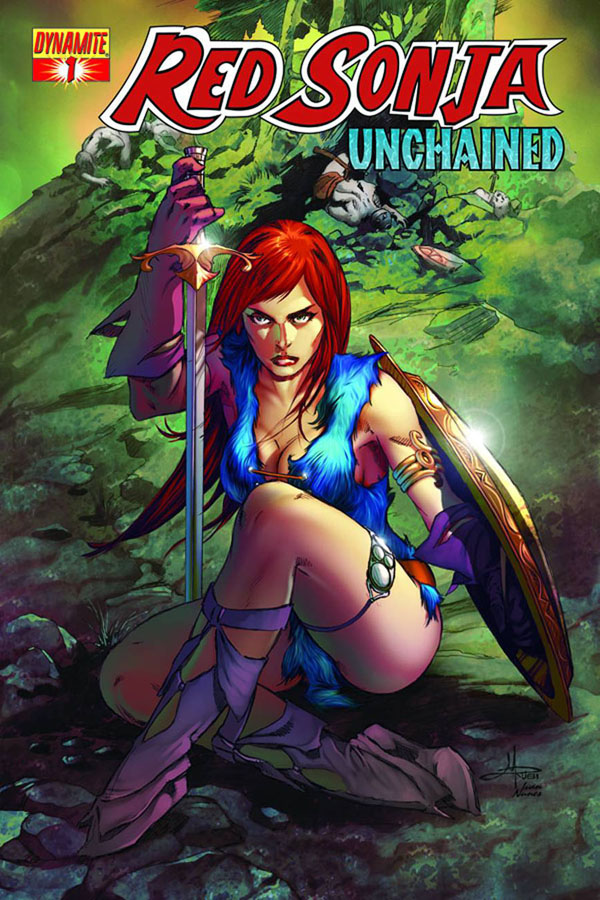 I started this series of posts with the intention of only writing one. “In Defense of Red Sonja” was meant to be a stand-alone post about how the character was more than just a female version of Conan the Barbarian, more than just a fan-service redhead in a chain mail bikini, more than a misogynist rape-challenge. I’ve been collecting comics from the “Bronze Age” (approximately 1970 through 1985) for years and Red Sonja wasn’t the only female character to pop up. There was Spider-Woman, She-Hulk, Ms. Marvel … all clearly starting as female versions of established male heroes and all eventually transcending those limits to become their own concepts.
That first post quickly grew in size, reaching over three-thousand words before even going into her appearances in Marvel Feature or her self-titled book. As it covered three distinct themes (how she differed from Conan, where the bikini came from, what the vow meant), I thought it would be better to break it into three separate articles. By the time the third post came out, I’d gotten enough positive reaction that I thought it might be nice to keep exploring how the character grew over the course of her own title. It was at this point that I realized just how much humor got slipped in to various panels of the title, which got me in the habit of highlighting a couple images each week. The novels and film were good ways to show how the character translated into other media, as well as how she was still evolving. And it was all a lot of fun.
So why is this the end? There were two more Marvel Comics series in the early eighties, as well as two Dynamite Entertainment series (Red Sonja and Queen Sonja) currently running. Not to mention a slew of one-shots and mini-series. I’ve got enough material to easily keep this column running at least another three years. And it is tempting to try.
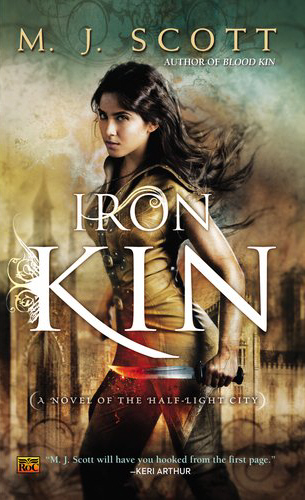





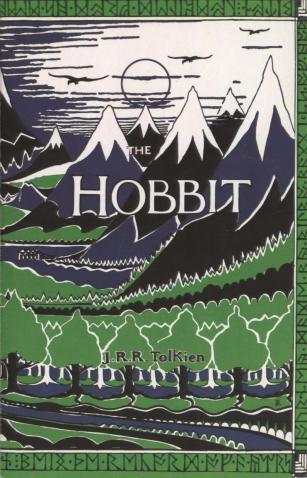

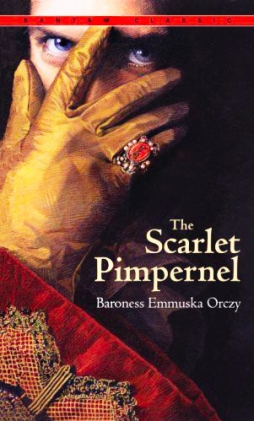 One of the strangest and most distinctive elements of a super-hero is a secret identity. It’s so distinctive we don’t even think about how strange it is. Or, more precisely, how strange the heroic identity is. There’ve been disguises and alter-egos throughout fiction, whether Odysseus showing up at his home incognito before killing his wife’s suitors, or the heroines of Shakespearean comedy dressing up as men and taking male names, or Sherlock Holmes ferreting out clues while masquerading as a humble old book-seller or opium addict. But the super-hero identity, in its classic form, is less a person than an idea: a being known by a code-name, who does not pretend to be a specific person, but instead wears a mask or cloak, and who exists only for one reason — usually to defend against some injustice, to right wrongs, or generally to fight crime. The super-hero identity is not a person or a personality; it’s the idea of a person, the dream of an identity. Much has been written about the symbolic presentation of masculinity the dual identity implies, a weak or nerdy exterior hiding a powerful secret persona. It’s interesting, then, that the idea seems to have been created by a woman.