Arak Issue 2: Sympathy for the Devil?
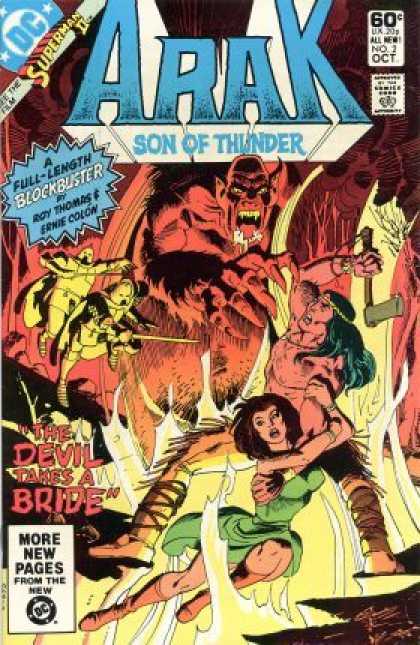 See that nine-year-old boy spinning the revolving comic-book rack, seeking out the most lurid covers of monsters and aliens and skeletons in battle fatigues. He’ll rifle through his pocket for some quarters to buy the latest issue of Weird War Tales or House of Mystery or Arak, Son of Thunder.
See that forty-year-old man picking up a thirty-year-old issue of Arak, Son of Thunder, its cheap newsprint pages now yellowing, the staples loose, an older but still potent artifact promising strange adventures and magical mayhem in dreamed-of faraway lands. This relic of boyhood — the feel of the thin paper; the primitive, splotchy look of the four-color panels; even the smell of it — brings back inchoate memories and associations of a simpler, more carefree time when his future was expanding, not shrinking, when everything was out there to be gotten, not closing in to get him.
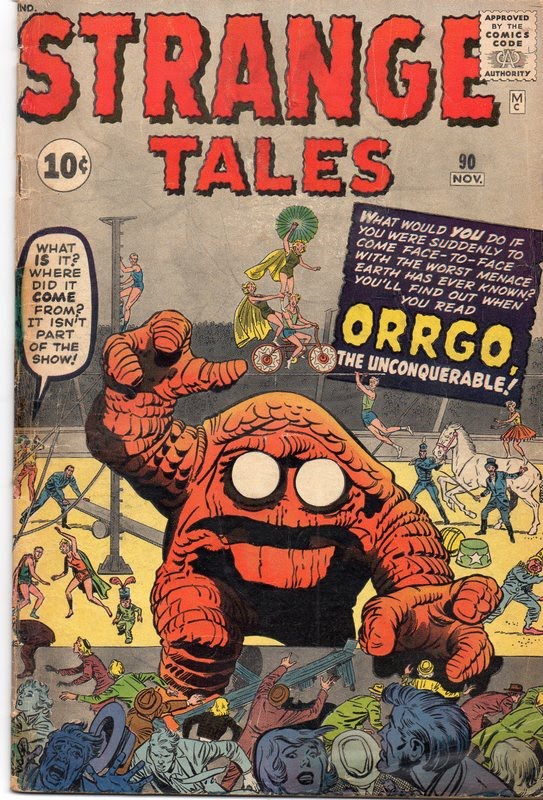 Something as simple as a comic book can be the bridge between the boy and the man, reminding him that he is still the same being, the same conscious self who lived those years and is living these years and lived all the years in between. It is why, even though he doesn’t collect Star Wars figures, he’d love to hold again a 1978 Kenner Snaggletooth (that little guy from the Mos Eisley Cantina), because he can remember the feel of it in his hands, out in the sandbox at recess, when it was one of the most prized possessions in the world (along with Walrus and Hammerhead).
These, then, are our totems, and the old comics our sacred books.
So let’s get to the second installment of Arak, Son of Thunder, shall we?
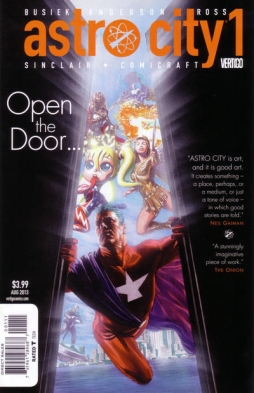 A couple Wednesdays ago, I did something I haven’t done in ages. I went down to my local comic store on new-comic day (which is Wednesdays) and bought a new super-hero comic off the rack. Not a Marvel or DC book, though — not really, though it was published by DC’s Vertigo imprint. This was the return of a series first published in 1995, under the Image Comics banner. The title’s moved around a fair bit since, and frequently been on hiatus from regular publication. But it’s back now, and hopefully for a long time to come. It’s Kurt Busiek’s Astro City, and I want to talk about what it is and why I’m going to be buying it going forward.
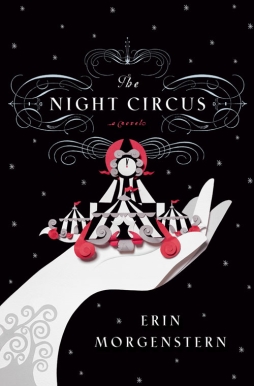 ‘Magic’ is an elastic metaphor. Among its many possible uses is that of a descriptor for something that happens in performance, especially live performance: the magic of an actor possessed by a character, the magic of a given moment invested with wonder and remaining in the memory, though inevitably passing away. The magic of stage magicians isn’t in the sleight-of-hand; it’s in the effect on the audience. The related magic of the carnival — the amusement park, the theme park — is a kind of second-person secondary-world magic. You are there. You are in a conjured fantasyland. A circus, in this reading, isn’t about the stink of animals or the scutwork of putting up tents and preparing performance spaces; it’s about the feeling the show tries to inspire. It is, potentially, for some, a venue for magic — transient, susceptible to thinning, but capable of generating wonder.